
Native marketing represents a sophisticated evolution in brand communication, moving beyond traditional, interruptive advertising to integrate brand messages seamlessly into the user experience. At its core, native marketing is about relevance and context, delivering valuable content or promotions that mirror the form and function of the platform on which they appear. This strategic approach aims to engage audiences naturally, fostering deeper connections and building brand credibility rather than disrupting consumption flows.
Understanding the Essence of Native Marketing
The fundamental principle behind native marketing is to make advertising feel less like an ad and more like a natural part of the content experience. This involves a deep understanding of the platform’s aesthetics, editorial style, and user expectations, ensuring that branded content complements, rather than detracts from, the overall user journey.
Beyond Traditional Advertising
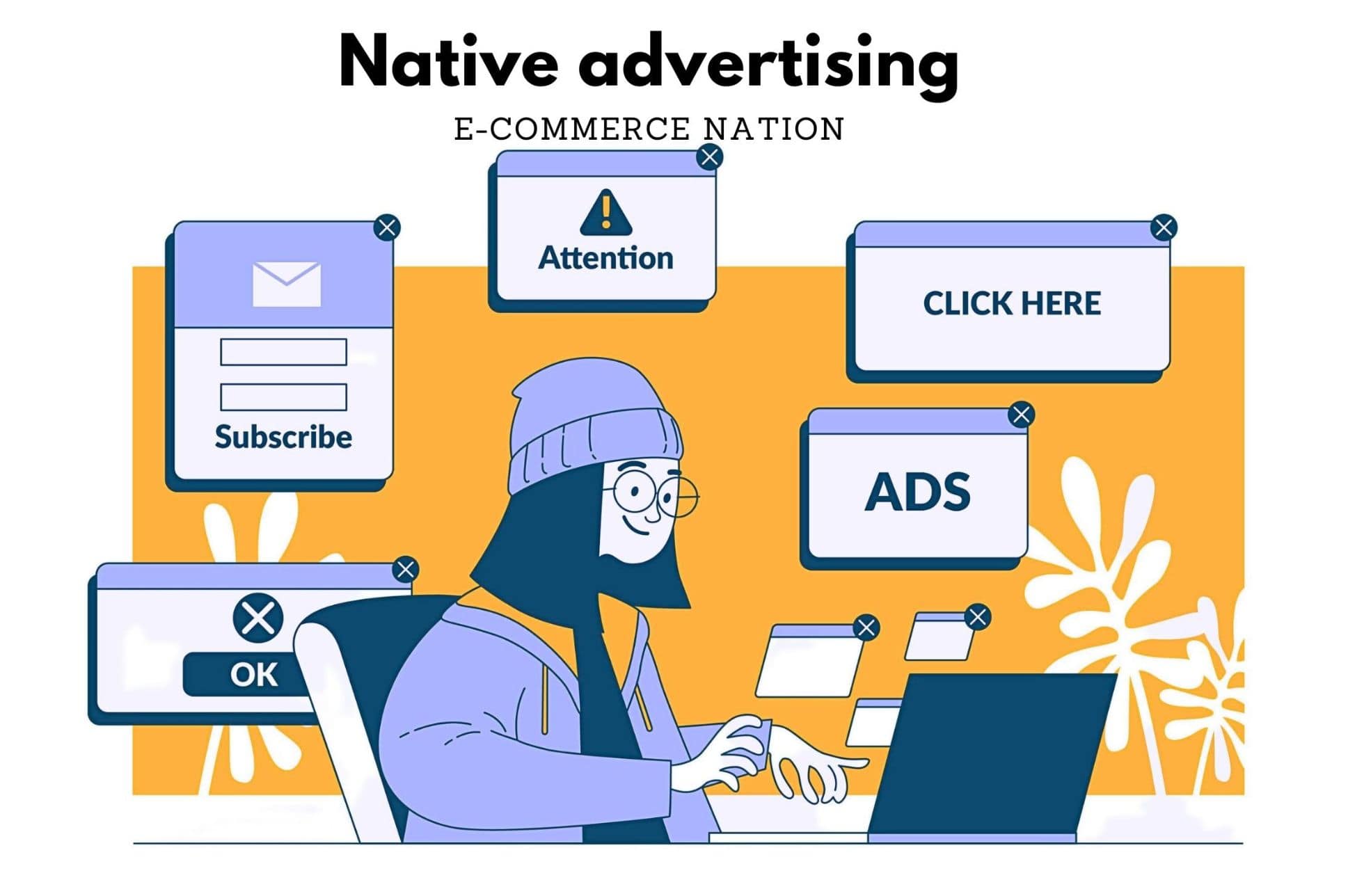
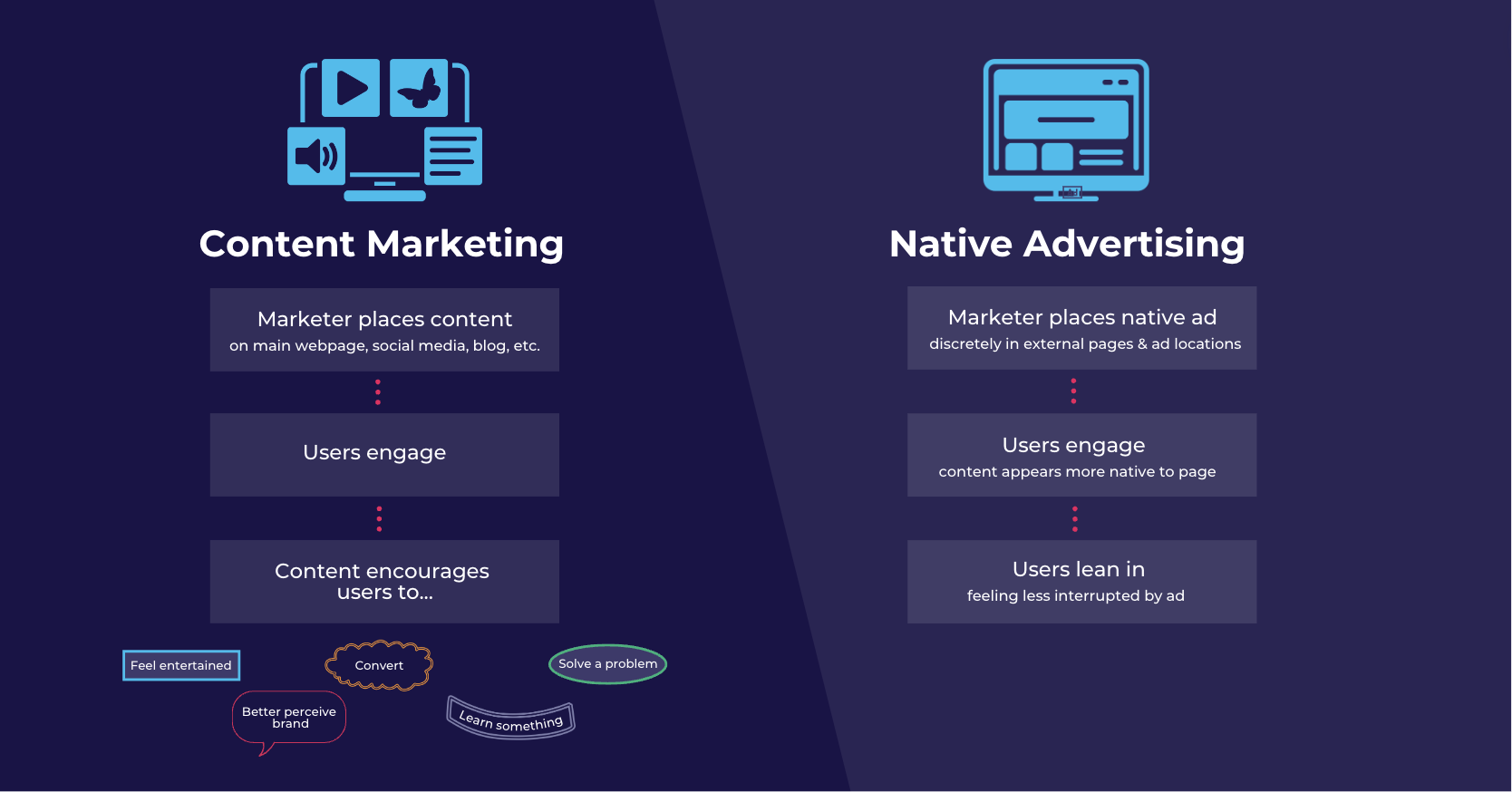
Traditional advertising, often characterized by banners, pop-ups, or pre-roll video ads, frequently interrupts a user’s activity. While these formats can be effective for broad reach, they often face challenges like “ad blindness” and negative user sentiment due to their intrusive nature. Native marketing, conversely, seeks to circumvent these issues by presenting commercial messages in a way that blends organically with the surrounding non-paid content. It’s a strategic shift from demanding attention to earning it through relevance and integration. This method acknowledges that modern consumers are increasingly ad-averse and prefer to discover information and brands on their own terms, making the discreet, value-driven nature of native marketing highly appealing for brand building.
The Principle of Seamless Integration
Seamless integration is the cornerstone of effective native marketing. This means that the brand message or content must not only match the visual design and layout of the surrounding editorial content but also align with its thematic context and tone. For example, a sponsored article on a tech blog should provide genuine insights or news relevant to the blog’s audience, adopting the blog’s established voice. Similarly, a promoted post on a social media feed should appear indistinguishable from organic user-generated content, adhering to the platform’s visual cues and engagement patterns. The objective is to make the sponsored content feel like an intrinsic part of the platform’s ecosystem, enhancing user experience rather than interrupting it. This subtle integration is crucial for maintaining user trust and increasing the likelihood of engagement with the brand’s message.
Building Trust, Not Interrupting
One of the most significant advantages of native marketing for brands is its capacity to build trust. By providing value upfront, without an immediate hard sell, brands can position themselves as helpful, authoritative, or entertaining. When content is thoughtfully integrated and genuinely useful, consumers are more likely to perceive the sponsoring brand favorably. This approach moves away from the transactional nature of traditional advertising towards a relationship-building model. Interruptive ads can often lead to frustration and erode brand perception, whereas native content, by respecting the user’s flow and offering relevant information, cultivates a positive brand association. This trust is invaluable for long-term brand loyalty and customer advocacy, transforming passive viewers into engaged brand advocates.
Key Characteristics and Formats of Native Advertising
Native marketing manifests in various forms across digital landscapes, each designed to integrate harmoniously with its specific environment. Understanding these formats is crucial for brands seeking to implement effective native strategies.
In-Feed Units
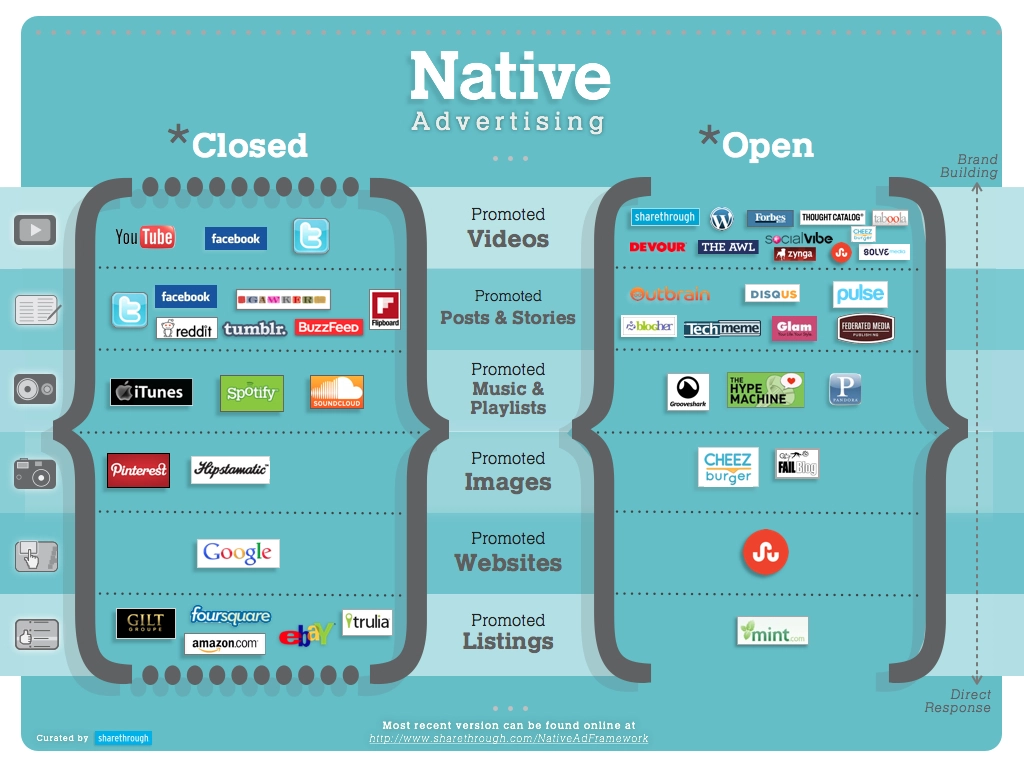
In-feed units are among the most common and effective forms of native advertising. These appear directly within the content stream of a website or social media platform, mimicking the appearance and behavior of organic posts. Examples include sponsored posts on platforms like Facebook, Instagram, LinkedIn, or promoted tweets on X (formerly Twitter). On news websites or blogs, these might appear as “sponsored articles” or “promoted stories” alongside editorial content. The key is that they seamlessly blend into the user’s feed, making them less disruptive and often leading to higher engagement rates compared to traditional banner ads. Brands leverage these units to deliver content—whether it’s an article, video, or product announcement—directly into the user’s natural scrolling pattern.
Search & Promoted Listings
Native marketing also extends to search engine results and e-commerce platforms. “Promoted listings” or “sponsored results” on search engines (like Google Ads or Bing Ads) appear at the top or bottom of search results pages, formatted similarly to organic listings but clearly marked as advertisements. Similarly, on e-commerce sites like Amazon or eBay, “sponsored products” or “promoted listings” integrate directly into product search results or category pages. These formats are native because they provide relevant information in a familiar context, appearing as a natural part of the search or shopping experience. For brands, this offers a prime opportunity to reach users who are actively searching for products or services, presenting solutions at the very moment of intent.
Content Recommendations
Content recommendation widgets are often found at the bottom of articles on news sites and blogs, suggesting “related articles,” “stories you might like,” or “from around the web.” A significant portion of these recommendations are actually native advertisements, linking to sponsored content from other brands or publishers. Providers like Outbrain or Taboola specialize in these widgets, matching sponsored content with relevant editorial pieces. While sometimes external, these recommendations are native in their function—they offer additional content that users are accustomed to seeing and clicking on, albeit with commercial backing. For brands, this is an excellent way to extend the reach of their thought leadership or informational content to a highly engaged audience.
In-App & In-Game Ads
As mobile usage continues to dominate, native advertising has found a strong foothold within mobile applications and video games. In-app native ads blend into the app’s interface, appearing as part of a content feed, an interactive element, or a reward for game progression. For instance, a mobile game might offer an in-game currency reward for watching a “sponsored video” that feels integrated into the game’s challenge structure. These ads are designed to enhance rather than disrupt the app or game experience, providing value or context that makes them more acceptable to the user. This format is particularly effective for brands targeting specific demographics known for their app usage or gaming habits, offering a non-intrusive way to showcase products or services.
Branded Content & Sponsored Articles
Branded content and sponsored articles represent the pinnacle of native marketing, focusing on high-quality, value-driven editorial pieces commissioned or created by a brand but published on a third-party platform. These articles often mirror the host publication’s journalistic style and editorial standards, offering insights, entertainment, or educational content relevant to the audience. While typically carrying a clear “sponsored by” or “partner content” disclosure, their primary goal is to inform and engage, subtly aligning the brand with valuable information rather than overtly selling a product. This format is highly effective for thought leadership, building brand authority, and cultivating a sophisticated brand image, as it demonstrates a commitment to providing value beyond pure commerce.
The Strategic Advantages for Brands
Adopting native marketing strategies offers a multitude of strategic advantages for brands looking to enhance their market presence, improve audience engagement, and achieve better marketing ROI. These benefits stem directly from the non-intrusive, value-driven nature of native formats.
Enhanced User Experience and Engagement
One of the foremost benefits of native marketing is its ability to significantly enhance the user experience. By seamlessly integrating into the content environment, native ads avoid the disruption and frustration often associated with traditional banner or pop-up ads. This respectful approach leads to a more positive interaction for the consumer, which in turn results in higher engagement rates for the brand. Users are more likely to click on, read, watch, or interact with content that feels organic and relevant to their current activity, leading to deeper brand immersion and more meaningful interactions. This improved user experience directly translates into increased time spent with branded content and a higher propensity for consumers to explore the brand further.
Overcoming Ad Blindness
Consumers, especially digital natives, have developed a remarkable ability to tune out traditional advertisements—a phenomenon known as “ad blindness.” Native marketing effectively bypasses this psychological barrier by presenting brand messages in a format that users are accustomed to consuming as organic content. Because native ads blend in with the surrounding editorial or user-generated content, they are less likely to be immediately disregarded as commercial messages. This stealth approach allows brands to deliver their message to a more receptive audience, ensuring that the effort put into content creation actually reaches its intended targets, significantly improving message delivery and recall.
Increased Brand Credibility and Trust
By providing valuable, informative, or entertaining content within a trusted environment (like a reputable news site or a popular social media feed), brands can significantly boost their credibility. When a user perceives a sponsored article as genuinely helpful or insightful, that positive association extends to the sponsoring brand. This is a critical departure from traditional advertising, which often struggles to build trust due to its overt commercial intent. Native marketing allows brands to establish themselves as thought leaders or valuable resources, subtly influencing brand perception and fostering a sense of trustworthiness that is invaluable for long-term customer relationships and brand loyalty.
Improved Performance Metrics
From a performance perspective, native marketing consistently outperforms traditional ad formats across various key metrics. Studies frequently show that native ads achieve higher click-through rates (CTR), dwell times, and conversion rates. Their contextual relevance and non-disruptive nature mean that clicks are often more qualified, leading to a higher likelihood of conversion further down the sales funnel. For brands, this translates into a more efficient use of marketing budgets, delivering better returns on investment (ROI) compared to campaigns reliant solely on interruptive advertising. The enhanced performance metrics provide tangible evidence of native marketing’s effectiveness in driving measurable business outcomes.
Reaching Niche Audiences Effectively
Native marketing excels at reaching specific, niche audiences through highly targeted placements. By aligning branded content with publications or platforms that cater to particular interests or demographics, brands can ensure their message resonates with the most relevant consumers. For example, a sports equipment brand might sponsor an article on a popular sports blog, or a financial services company might place content on a personal finance forum. This contextual targeting allows for precise audience segmentation, reducing wasted impressions and increasing the likelihood of engaging individuals who are genuinely interested in what the brand offers. This focused approach is particularly valuable for brands with specialized products or services.
Best Practices for Implementing Native Marketing
Effective native marketing requires a strategic, audience-centric approach that prioritizes value, transparency, and continuous optimization. Brands must adhere to certain best practices to maximize the impact of their native campaigns while maintaining ethical standards.
Prioritize Value Over Promotion
The golden rule of native marketing is to lead with value. The content, whether it’s an article, video, or interactive experience, must offer genuine insights, entertainment, or utility to the target audience. Brands should focus on solving problems, answering questions, or telling compelling stories that resonate with consumer interests, rather than immediately pushing a product or service. The promotional aspect should be subtle and secondary, naturally emerging from the valuable content provided. This “content first, selling second” mentality builds goodwill and trust, positioning the brand as a helpful resource rather than just a vendor.
Maintain Transparency and Disclosure
While the goal is seamless integration, ethical and legal standards demand transparency. Native advertisements must always be clearly and conspicuously disclosed as sponsored content. Phrases like “Sponsored by,” “Promoted by,” “Partner Content,” or “Advertisement” should be visible and easily understandable. This transparency builds trust with the audience and protects the brand from accusations of deception. Reputable publishers and platforms also enforce strict disclosure guidelines. Brands that prioritize clear disclosure demonstrate respect for their audience, strengthening their ethical standing and long-term brand equity.
Align with Platform Aesthetics and User Expectations
Successful native marketing meticulously aligns with the form and function of the host platform. This means adopting the visual design, typography, layout, tone of voice, and content style that users expect from that specific environment. A native ad on a fashion blog should look and read like other articles on that blog; a promoted post on a social media platform should mimic organic posts. Failing to match these elements can make the content stand out as an ad in a negative way, undermining its native quality and reducing effectiveness. Understanding and respecting platform aesthetics is key to blending in and achieving high engagement.
Leverage Data for Targeted Personalization
Data-driven insights are crucial for optimizing native marketing efforts. Brands should utilize audience data to understand consumer behaviors, interests, and preferences, allowing for the creation of highly personalized and relevant native content. This personalization can extend to dynamic content delivery, where different versions of an ad are shown based on user demographics, browsing history, or location. By leveraging data analytics, brands can ensure their native messages reach the right audience at the right time, with content that genuinely resonates, leading to higher engagement rates and better conversion outcomes.
Measure and Optimize Performance
Like any marketing initiative, native campaigns require rigorous measurement and continuous optimization. Brands must track key performance indicators (KPIs) such as click-through rates, engagement rates, time spent on content, lead generation, and conversion rates. A/B testing different headlines, images, content formats, and calls to action can provide valuable insights into what resonates best with the audience. Regular analysis of these metrics allows brands to refine their native strategies, allocate resources effectively, and continuously improve campaign performance, ensuring that native marketing remains a high-ROI activity.
The Future Landscape of Native Marketing
The evolution of digital media, coupled with changing consumer behaviors, ensures that native marketing will continue to adapt and expand. Brands must stay abreast of these trends to maintain a competitive edge.
AI and Personalization
Artificial intelligence (AI) is set to revolutionize native marketing further, enabling hyper-personalization at an unprecedented scale. AI algorithms can analyze vast datasets to predict user preferences with greater accuracy, dynamically generating or curating native content that is uniquely tailored to individual consumers. This includes AI-powered content creation tools that can draft articles or ad copy in a platform’s specific tone, and sophisticated recommendation engines that suggest the most relevant native placements. Brands will leverage AI to deliver contextually perfect messages, enhancing relevance and engagement to new levels, thereby solidifying their position in the consumer’s mind.
Interactive and Experiential Formats
Beyond traditional articles and videos, the future of native marketing lies in more interactive and experiential formats. This includes immersive content like augmented reality (AR) and virtual reality (VR) experiences seamlessly integrated into apps or websites, interactive quizzes, polls, and gamified content that blurs the lines between advertising and entertainment. Brands can create native experiences that allow consumers to “try on” products virtually, explore virtual brand showrooms, or participate in interactive stories. These formats offer deeper engagement and memorable brand interactions, transforming passive viewing into active participation and fostering stronger emotional connections.
Shifting Consumer Demands
Consumers increasingly demand authenticity, transparency, and value from brands. They are more discerning about the content they consume and are quick to reject overtly promotional or irrelevant messaging. This shift reinforces the core principles of native marketing: providing genuine value and respecting the user experience. Brands that embrace this ethos by focusing on ethical disclosures, high-quality content, and non-disruptive integration will thrive. The future will see even greater pressure on brands to be valuable members of the digital community, contributing positively to the user’s journey rather than merely interrupting it with sales pitches.
The Role of Influencers and Content Creators
Influencer marketing is inherently a form of native advertising, and its role is set to become even more central. As consumers increasingly trust recommendations from individuals over traditional ads, brands will continue to partner with content creators to integrate products and messages authentically into their organic content. This often involves creators sharing personal experiences or reviews that feel natural to their audience, blurring the lines between endorsement and genuine recommendation. The future will likely see more sophisticated collaborations, co-created content, and long-term brand ambassadorships that seamlessly weave brand narratives into the fabric of influencer-generated content, enhancing reach and credibility through trusted voices.
aViewFromTheCave is a participant in the Amazon Services LLC Associates Program, an affiliate advertising program designed to provide a means for sites to earn advertising fees by advertising and linking to Amazon.com. Amazon, the Amazon logo, AmazonSupply, and the AmazonSupply logo are trademarks of Amazon.com, Inc. or its affiliates. As an Amazon Associate we earn affiliate commissions from qualifying purchases.