
A mobile wallet app is a software application installed on a smartphone or other mobile device that securely stores payment information, such as credit and debit card details, loyalty card numbers, and even digital tickets, allowing users to make transactions and manage various digital assets electronically. Functioning as a digital equivalent of a physical wallet, these applications leverage advanced technologies to streamline payment processes, enhance security, and integrate a broader range of functionalities beyond simple transactions. They represent a significant stride in the evolution of digital payments, transforming how individuals interact with financial services and commerce.

The Technological Backbone: How Mobile Wallets Function
At its core, a mobile wallet app orchestrates a secure connection between a user’s stored payment credentials and a merchant’s point-of-sale (POS) system or online checkout. This orchestration relies on a sophisticated interplay of hardware, software, and communication protocols designed to ensure both convenience and robust security.
Core Communication Protocols
The primary methods by which mobile wallets facilitate in-person payments are:
- Near Field Communication (NFC): This short-range wireless technology is the most prevalent for contactless payments. When a user taps or holds their NFC-enabled smartphone near a compatible POS terminal, NFC chips in both devices communicate wirelessly over a distance of a few centimeters. The mobile wallet app transmits a cryptographically secured payment token, rather than raw card data, to the terminal. This token is then relayed to the payment network for authorization. Major mobile wallet platforms like Apple Pay, Google Pay, and Samsung Pay predominantly use NFC for their contactless payment capabilities.
- QR Code Scanning: Some mobile wallets, particularly popular in regions like Asia, utilize QR codes. For this method, a user either scans a QR code displayed by the merchant (which contains payment details) or generates a unique QR code within their app for the merchant to scan. This method does not require NFC hardware in the POS terminal, making it accessible for a broader range of merchants, especially small businesses. The QR code acts as a secure link to initiate the transaction, often directing the user to confirm the payment within their app.
- In-App and Online Payments: Mobile wallet apps are also seamlessly integrated into e-commerce platforms and other applications. When making a purchase online or within another app, users can often select their mobile wallet as a payment option. The mobile wallet then securely provides the necessary payment token to complete the transaction without requiring manual entry of card details. This integration simplifies checkout processes and enhances security by abstracting sensitive information.
Data Storage and Security Architecture
The secure storage and transmission of sensitive data are paramount to the trustworthiness of mobile wallet apps. Instead of storing raw credit card numbers directly on the device or transmitting them during a transaction, mobile wallets employ several layers of security:
- Tokenization: This is a fundamental security feature. When a user adds a credit or debit card to a mobile wallet, the sensitive card data (primary account number, expiration date, CVV) is replaced with a unique, randomly generated “token” by the payment network. This token is then stored on the device and used for transactions. If a token is intercepted, it is meaningless outside of its specific transaction context and cannot be reverse-engineered to reveal the original card details.
- Encryption: All data stored within the mobile wallet, as well as data transmitted during a transaction, is heavily encrypted. This scrambling of data ensures that even if it were intercepted, it would be unreadable without the correct decryption key.
- Secure Elements (SE) or Trusted Execution Environments (TEE): Many mobile devices feature a dedicated, tamper-resistant hardware component (like a Secure Element chip) or a segregated, secure software environment (TEE). This isolated environment is where cryptographic keys and payment tokens are stored, offering a high level of protection against malicious software and hardware attacks.
- Biometric Authentication: To authorize a transaction or access the wallet app, users typically employ biometric methods such as fingerprint recognition (Touch ID, Fingerprint Scan) or facial recognition (Face ID). This multi-factor authentication adds an essential layer of security, ensuring that only the authorized user can initiate payments. Passcodes or PINs serve as backup authentication methods.
Beyond Payments: Expanded Functionality
While payments are the primary utility, modern mobile wallet apps have evolved to encompass a much broader array of digital asset management, making them central hubs for various aspects of daily digital life.
Digital Card Storage
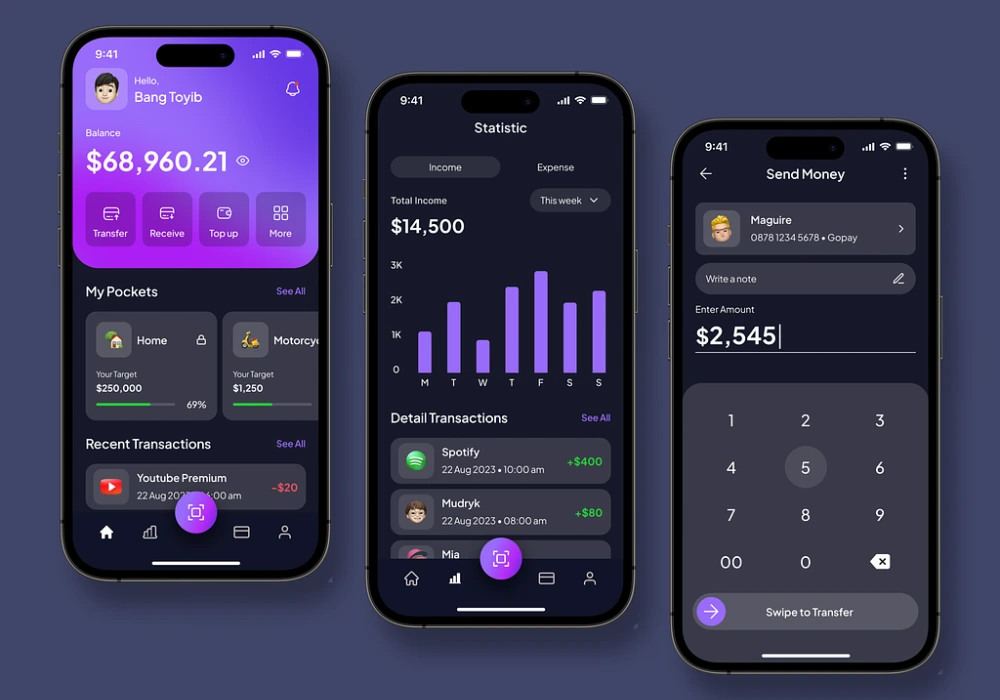
- Credit and Debit Cards: The foundational feature, securely storing multiple credit and debit cards for easy access and payment.
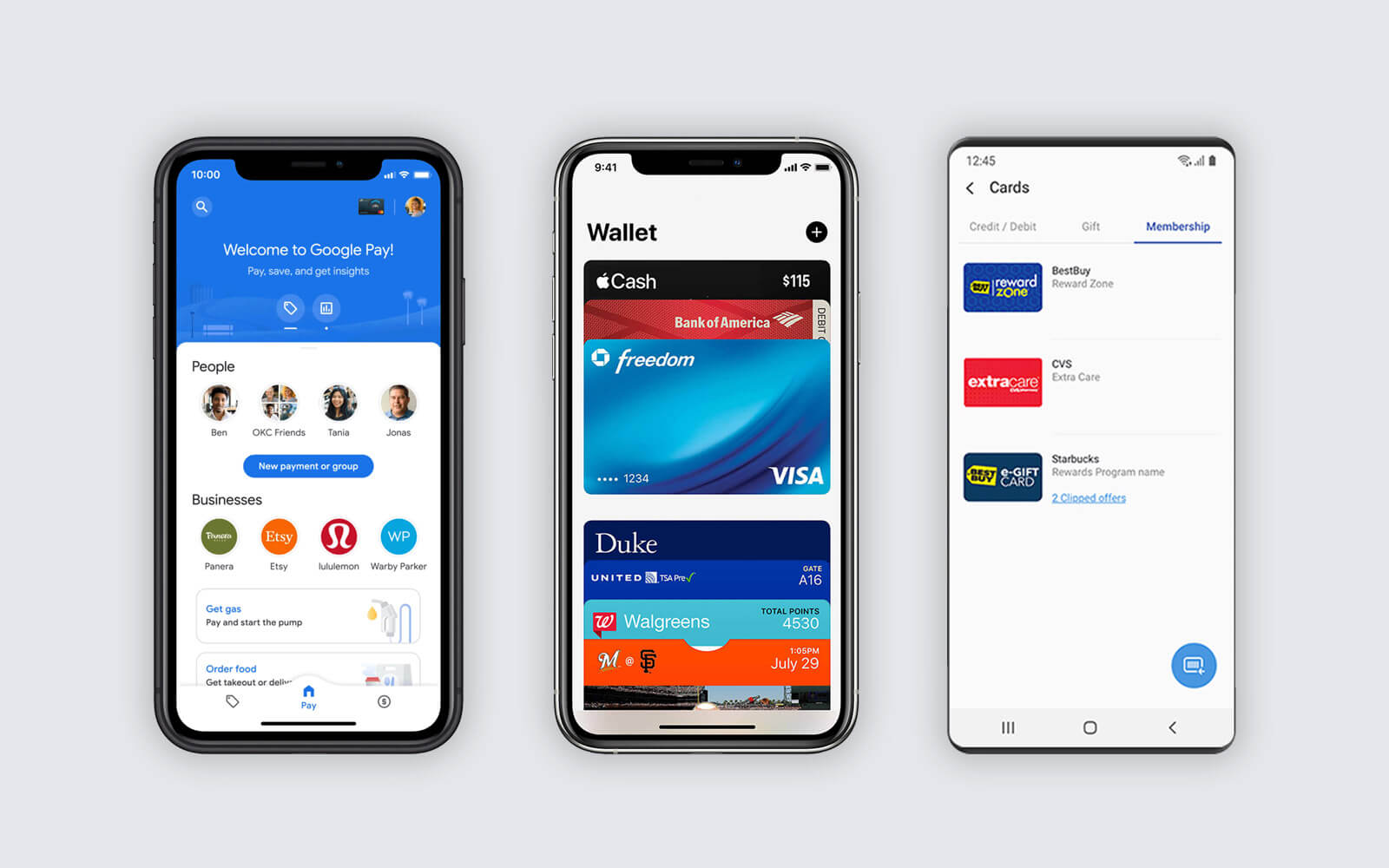
- Loyalty and Rewards Programs: Users can digitize their loyalty cards from various retailers, earning and redeeming points simply by tapping or scanning their phone. This eliminates the need for a bulky physical collection of plastic cards.
- Gift Cards: Digital versions of gift cards can be stored and redeemed directly from the app, often with real-time balance tracking.
Identity and Access Management
- Digital Tickets and Boarding Passes: Mobile wallets can store event tickets, movie tickets, and airline boarding passes. These digital passes often update in real-time with gate changes or event information, and can be scanned directly from the phone.
- Student IDs and Access Cards: Some institutions integrate their student ID or access control systems with mobile wallets, allowing students to access buildings, dorms, and campus services using their device.
- Digital Keys: The emerging trend includes storing digital car keys or smart home access keys, enabling users to unlock and start vehicles or open smart locks with their smartphone.
Financial Management and Tracking
While not full-fledged budgeting apps, many mobile wallets offer basic transaction history and spending summaries, providing users with a quick overview of their digital payment activities. Some even integrate with specific bank accounts to display balances or offer peer-to-peer (P2P) payment functionalities, allowing users to send and receive money from friends and family directly through the app.
The Ecosystem of Mobile Wallets
The landscape of mobile wallet apps is diverse, primarily dominated by solutions offered by major technology companies, alongside specialized applications from financial institutions and third-party developers.
Platform-Specific Wallets
- Apple Pay: Integrated deeply into Apple’s iOS, iPadOS, macOS, and watchOS ecosystems, Apple Pay leverages NFC for contactless payments and is available for in-app and online purchases across compatible Apple devices. Its security relies heavily on the Secure Element and biometric authentication (Face ID/Touch ID).
- Google Pay: Available on Android and iOS devices, Google Pay offers similar NFC-based contactless payments, in-app, and online payment capabilities. It also integrates with Google services and offers P2P payment functionality. Its security architecture includes tokenization and device-level encryption.
- Samsung Pay: Unique to Samsung devices, Samsung Pay not only supports NFC but also Magnetic Secure Transmission (MST) technology. MST allows Samsung devices to emulate a traditional credit card swipe, making it compatible with older, non-NFC POS terminals. This broadened its acceptance in its early years.
Other Players
- Bank-Specific Apps: Many banks offer their own mobile apps that include payment features, allowing users to make contactless payments directly from their banking app. These often integrate similar tokenization and encryption standards.
- Retailer Wallets: Large retailers often develop their own mobile wallet apps (e.g., Starbucks, Walmart Pay) that integrate loyalty programs, offer exclusive discounts, and facilitate in-store payments, often using QR codes or specific in-app processes.
- Peer-to-Peer (P2P) Payment Apps: While some P2P apps like Venmo or Cash App started primarily for sending money between individuals, they have increasingly integrated features that allow users to pay merchants, blurring the lines with traditional mobile wallets.
The Future Trajectory of Mobile Wallets
The evolution of mobile wallet apps is continuous, driven by advancements in technology and changing consumer demands. Future developments are likely to focus on further integration, enhanced security features, and broader utility. We can anticipate deeper integration with smart wearables and IoT devices, allowing for even more seamless and pervasive payment experiences. The incorporation of advanced AI for personalized offers, proactive financial insights, and fraud detection will likely become standard. Furthermore, the growing interest in decentralized identity and blockchain technology could see mobile wallets becoming hubs for verifiable digital credentials, encompassing not just financial instruments but also government IDs, health records, and other personal identifiers, transforming them into comprehensive digital identity platforms. The shift towards a cashless society, propelled by the convenience and security offered by these apps, suggests that mobile wallets will continue to play an increasingly central role in daily commerce and personal digital management.
aViewFromTheCave is a participant in the Amazon Services LLC Associates Program, an affiliate advertising program designed to provide a means for sites to earn advertising fees by advertising and linking to Amazon.com. Amazon, the Amazon logo, AmazonSupply, and the AmazonSupply logo are trademarks of Amazon.com, Inc. or its affiliates. As an Amazon Associate we earn affiliate commissions from qualifying purchases.