
Understanding the minimum wage in Great Britain is crucial for both employees seeking fair compensation and businesses aiming for legal compliance and sustainable operations. The framework is multifaceted, distinguishing between various age groups and employment statuses, and is designed to ensure a basic standard of living while balancing economic realities. This deep dive into the National Living Wage (NLW) and National Minimum Wage (NMW) explores their structure, economic implications, and the ongoing trajectory of wage policy in the UK.
Understanding the National Living Wage and National Minimum Wage
Great Britain operates a tiered minimum wage system, primarily comprising the National Living Wage (NLW) for older workers and the National Minimum Wage (NMW) for younger workers and apprentices. This distinction is fundamental to understanding the rates applicable to different individuals.
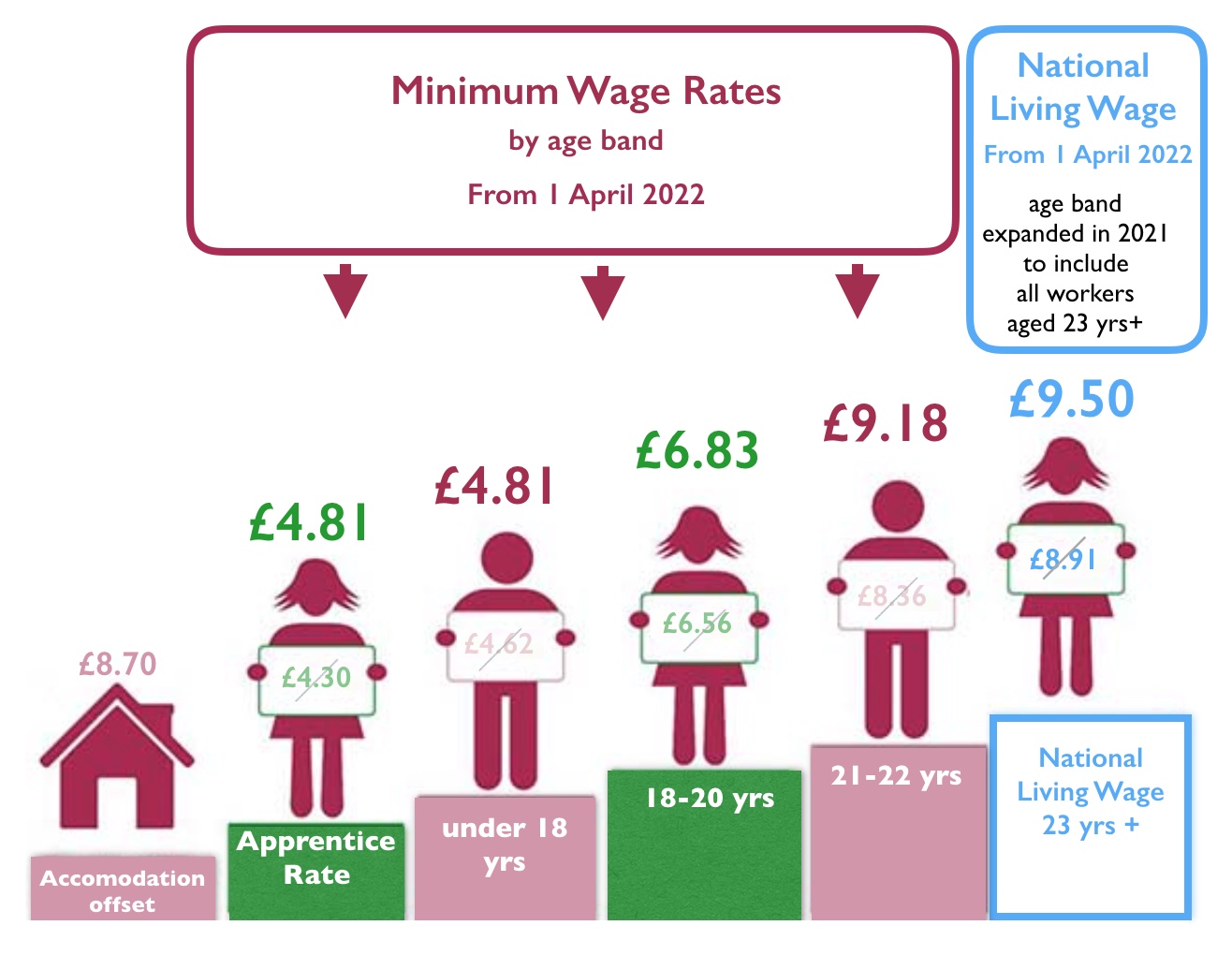
The Distinction: Age and Eligibility
The primary differentiator in the UK’s minimum wage system is age. The National Living Wage (NLW) applies to workers aged 23 and over. It was introduced in April 2016 as a premium rate to the existing National Minimum Wage, reflecting an ambition to provide a higher income floor for experienced adult workers. Before April 2021, the NLW applied to those aged 25 and over; its reduction to 23 and over expanded its reach significantly.
For workers under 23, the National Minimum Wage (NMW) applies, with different rates for specific age bands:
- 21-22 year olds: A specific NMW rate applies.
- 18-20 year olds: A lower NMW rate applies.
- Under 18s: An even lower NMW rate applies, acknowledging that these individuals are often in entry-level positions or still in education.
- Apprentices: A separate apprentice rate applies to those undertaking an apprenticeship, regardless of age, provided they are in the first year of their apprenticeship or are under 19. If an apprentice is 19 or over and has completed the first year of their apprenticeship, they are entitled to the NMW rate for their age.
These age-based distinctions are critical for payroll and budgeting, ensuring that employees are compensated accurately according to their legal entitlement.
Current Rates and Tiers
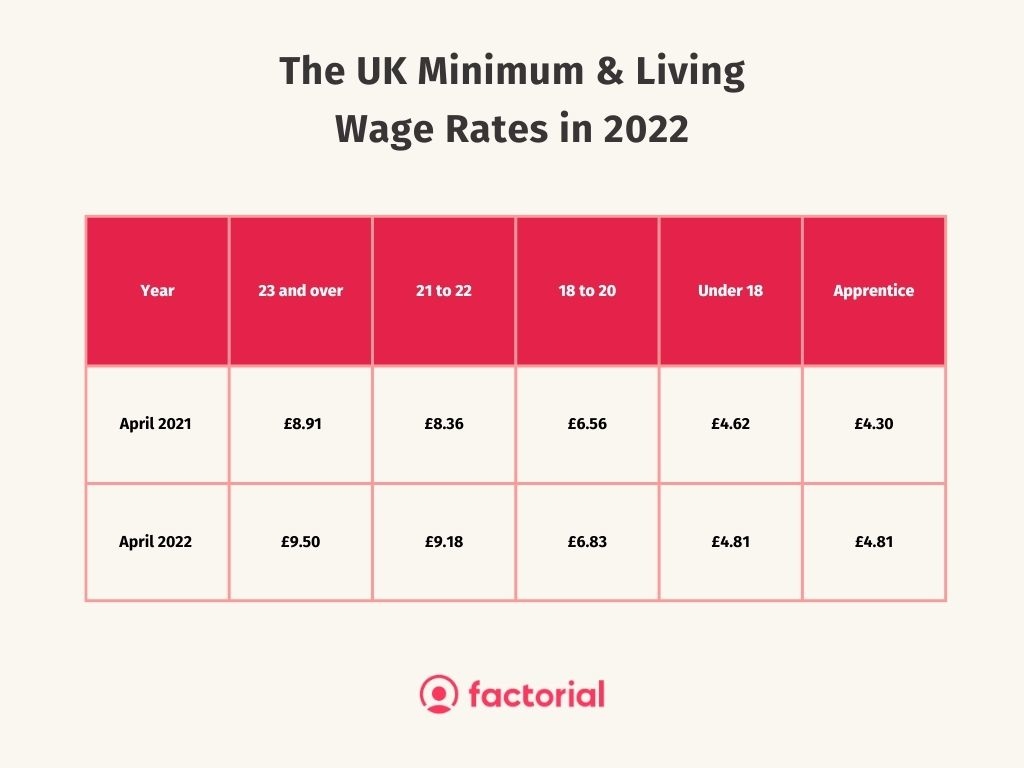
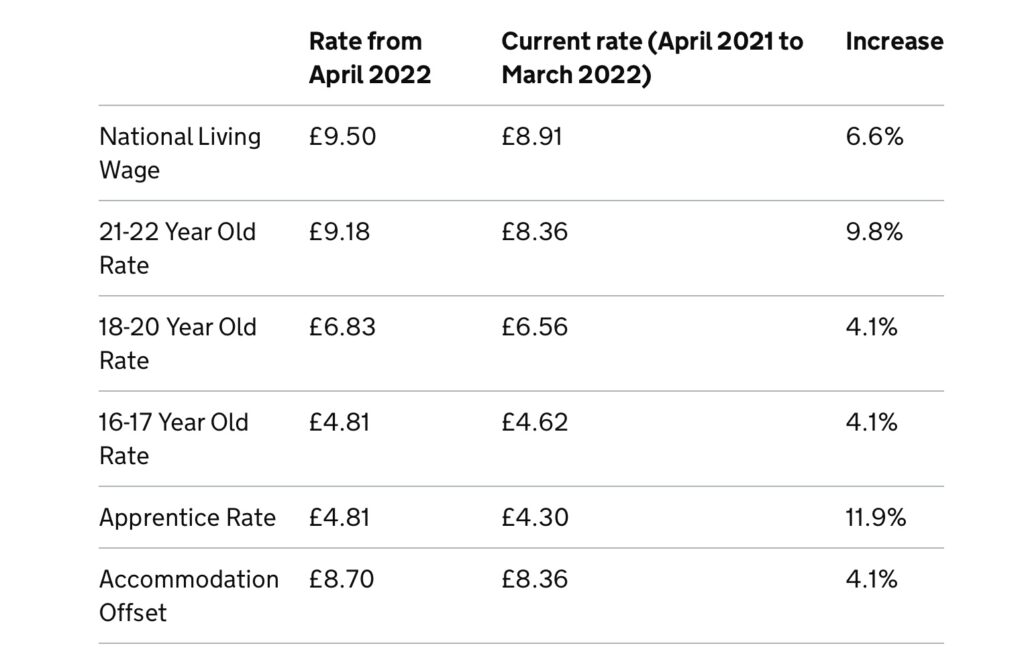
The specific rates for the NLW and NMW are typically updated annually, usually in April, following recommendations from the Low Pay Commission (LPC), an independent body that advises the government. The rates are calculated based on economic conditions, inflation, and the government’s target to reach a specific percentage of median earnings.
- National Living Wage (NLW) – Age 23 and over: This is the highest mandated minimum hourly rate, designed to help improve the living standards of older workers.
- National Minimum Wage (NMW) – Age 21-22: A distinct rate that bridges the gap between the younger worker rates and the NLW.
- National Minimum Wage (NMW) – Age 18-20: This rate reflects the expectation that these workers may have less experience or fewer financial responsibilities than older adults.
- National Minimum Wage (NMW) – Under 18: The lowest NMW rate, applicable to school leavers and part-time student workers.
- Apprentice Rate: This rate is designed to support the vocational training system, ensuring apprentices receive an income while they learn and develop skills. After the first year or if aged 19+, the apprentice typically moves to the age-appropriate NMW.
Businesses must regularly review and update their payroll systems to reflect these changes promptly to avoid non-compliance. These rates are non-negotiable legal minimums, meaning employers cannot pay less, even if an employee agrees to it.
Historical Context and Evolution
The concept of a national minimum wage in the UK is relatively recent, introduced by the Labour government in 1999. Initially, it comprised a single adult rate and a youth development rate. Over the years, it has evolved significantly, with the Low Pay Commission playing a crucial role in shaping its trajectory. The most notable evolution was the introduction of the National Living Wage in 2016, marking a shift towards a more ambitious income floor. This move was a deliberate policy choice to increase the earnings of lower-paid workers and reduce income inequality, signalling a commitment to target a higher proportion of median earnings for the lowest paid.
The Economic Impact and Policy Objectives
The minimum wage is not merely a figure; it is a powerful economic tool with far-reaching consequences for individuals, businesses, and the national economy. Its implementation is driven by specific policy objectives, but its actual impact is subject to continuous debate and analysis.
Boosting Incomes and Reducing Poverty
One of the primary objectives of the minimum wage is to lift the earnings of the lowest-paid workers, thereby improving their living standards and reducing in-work poverty. By setting a legal floor for wages, the government aims to ensure that full-time employment provides a reasonable income, helping individuals and families meet essential living costs. This policy can lead to increased disposable income for low-wage earners, potentially stimulating consumer spending and contributing to local economies. For many, the minimum wage represents the difference between financial precarity and a degree of stability, offering a vital safety net in a competitive labour market.
Employer Perspectives: Costs and Productivity
From an employer’s perspective, the minimum wage represents a significant operational cost. Increases in the NLW/NMW directly impact payroll expenses, particularly for businesses in sectors with a high proportion of low-wage workers, such as retail, hospitality, and care. Businesses may respond to these increased costs in several ways:
- Price increases: Passing on costs to consumers through higher prices.
- Productivity improvements: Investing in automation, technology, or better training to increase efficiency and output per employee, thereby justifying higher wages.
- Profit margin adjustments: Absorbing the costs, which can reduce profitability, especially for businesses with tight margins.
- Labour adjustments: Potentially reducing hiring, adjusting staff hours, or, in extreme cases, reducing headcount, although evidence for widespread job losses due to minimum wage increases in the UK has historically been limited and contested.
The debate often centres on whether minimum wage increases lead to a “wage-price spiral” or if they can be absorbed through efficiency gains without significant negative employment effects. Many studies suggest that modest, predictable increases allow businesses to adapt, encouraging investment in staff development and retention.
Broader Economic Effects: Inflation and Employment
The broader economic impact of the minimum wage is complex. On one hand, increased purchasing power for low-income households can boost aggregate demand, contributing to economic growth. On the other hand, concerns are often raised about potential inflationary pressures, as businesses pass on higher labour costs through price increases. The Low Pay Commission’s role is to carefully balance these factors, making recommendations that aim to achieve the government’s targets without significantly jeopardising employment or fuelling uncontrolled inflation.
Regarding employment, economic theory suggests that a minimum wage set above the market equilibrium could lead to job losses, as businesses reduce demand for labour that is now more expensive. However, empirical evidence in the UK and globally has often found that the employment effects of minimum wage increases, particularly moderate ones, are far less severe than predicted by simple economic models. Factors such as increased worker motivation, reduced staff turnover, and the boost to demand from higher wages can offset some of the potential negative impacts on employment.
Compliance, Enforcement, and Employer Obligations
Adhering to minimum wage legislation is not optional; it is a fundamental legal requirement for all employers in Great Britain. Non-compliance carries significant penalties and reputational damage.
Legal Requirements and Penalties for Non-Compliance
Employers have a legal obligation to pay their workers at least the applicable National Living Wage or National Minimum Wage rate. This includes all hours worked, including training time, travel time (where applicable), and any time spent on standby or waiting for work. Failure to comply can result in severe consequences:
- Arrears payments: Employers must pay back any underpaid wages to workers, dating back up to six years.
- Penalties: HMRC (Her Majesty’s Revenue and Customs), responsible for enforcing the minimum wage, can issue penalties of up to 200% of the arrears owed, capped at £20,000 per worker.
- Naming and shaming: The government publicly “names and shames” employers who fail to pay the minimum wage, leading to significant reputational damage.
- Criminal prosecution: In the most serious cases, employers can face criminal prosecution and disqualification from acting as a company director.
These stringent measures underscore the government’s commitment to protecting the rights of low-paid workers and ensuring a level playing field for businesses.
Keeping Records and Payroll Best Practices
To ensure compliance and protect themselves from potential claims, employers must maintain meticulous records. This includes:
- Detailed payroll records: Showing hours worked, gross pay, and deductions for each employee.
- Time sheets: Accurate records of start and end times, and any breaks taken.
- Contracts of employment: Clearly outlining terms and conditions, including pay rates.
- Apprenticeship agreements: For apprentices, ensuring the agreement meets legal requirements.
Best practices involve regularly reviewing payroll systems and processes to ensure they automatically update with the latest minimum wage rates. Clear communication with employees about their pay and rights also fosters trust and transparency. Utilizing reliable payroll software and, if necessary, seeking advice from HR or legal professionals can help businesses navigate the complexities of minimum wage compliance.
Employee Rights and Reporting Underpayment
Employees in Great Britain have a right to be paid at least the applicable minimum wage. If an employee suspects they are being underpaid, they have several avenues to seek redress:
- Speak to their employer: Often, underpayment can be an honest mistake, and raising the issue directly can resolve it quickly.
- Contact ACAS (Advisory, Conciliation and Arbitration Service): ACAS provides free and impartial advice on workplace rights and can help mediate disputes between employees and employers.
- Report to HMRC: If direct communication or ACAS mediation doesn’t resolve the issue, employees can confidentially report their employer to HMRC, who will investigate the complaint.
It is illegal for an employer to dismiss or penalise an employee for exercising their right to be paid the minimum wage or for reporting underpayment.
Future Outlook and Ongoing Debates
The minimum wage policy in Great Britain is not static; it is subject to continuous review, political debate, and economic targeting. The trajectory is generally towards higher rates, reflecting a broader societal and governmental aim to improve living standards for the lowest paid.
Plans for Future Increases and Targets
The government, in line with recommendations from the Low Pay Commission, has historically set ambitious targets for the National Living Wage. A significant long-term goal has been for the NLW to reach two-thirds of median earnings for those aged 23 and over. This target provides a clear framework for future rate increases, ensuring that the NLW keeps pace with broader wage growth across the economy. Each year, the LPC analyses economic forecasts, inflation, and employment trends to provide recommendations that balance these targets with the capacity of businesses to absorb increases without significant negative impacts. This forward-looking approach offers some predictability for businesses to plan for future payroll costs.
Living Wage Foundation vs. Government’s National Living Wage
It’s important to distinguish between the government’s mandatory National Living Wage (NLW) and the Real Living Wage advocated by the Living Wage Foundation.
- The Government’s National Living Wage (NLW) is a legal minimum, calculated based on a target percentage of median earnings and applying to those aged 23 and over.
- The Real Living Wage is a voluntary rate, calculated by the Living Wage Foundation, which is based on the actual cost of living in the UK (and a separate rate for London). It reflects what people need to earn to afford a decent standard of living. This rate is typically higher than the government’s NLW and applies to all workers aged 18 and over.
Many employers voluntarily choose to become “Living Wage Employers,” committing to pay the Real Living Wage, recognizing the ethical and business benefits, such as improved staff morale, reduced absenteeism, and enhanced brand reputation. The distinction highlights a philosophical difference between a statutory minimum and an independently calculated benchmark for a true living income.
The Role of Minimum Wage in a Changing Economy
The debate around the minimum wage continues to evolve, especially in the context of a changing economy marked by factors such as the rise of the gig economy, automation, and ongoing inflation. Questions arise about how the minimum wage framework can adapt to ensure fair pay for non-traditional employment models, protect workers in an increasingly automated landscape, and respond effectively to cost-of-living pressures. As the UK economy navigates future challenges, the minimum wage will remain a critical tool in economic policy, aiming to balance economic competitiveness with social equity and dignified work. Its future will likely see continued adjustments and refinements, ensuring it remains relevant and effective in supporting the financial well-being of Great Britain’s lowest-paid workers.
aViewFromTheCave is a participant in the Amazon Services LLC Associates Program, an affiliate advertising program designed to provide a means for sites to earn advertising fees by advertising and linking to Amazon.com. Amazon, the Amazon logo, AmazonSupply, and the AmazonSupply logo are trademarks of Amazon.com, Inc. or its affiliates. As an Amazon Associate we earn affiliate commissions from qualifying purchases.