
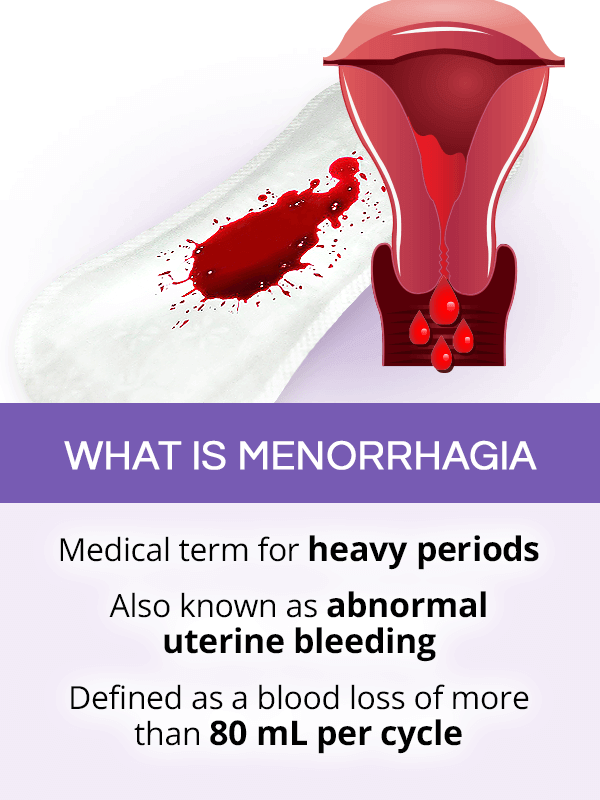
Menometrorrhagia, a medical term describing abnormal uterine bleeding characterized by both heavy and prolonged menstrual periods, as well as bleeding between periods, presents significant health challenges for individuals. While the primary focus often lies on diagnosis and medical management, the financial repercussions of living with and treating this chronic condition are substantial and often underestimated. For individuals and families, understanding the economic landscape surrounding menometrorrhagia is crucial for effective long-term financial planning and stability. This article delves into the various financial facets of menometrorrhagia, from direct healthcare costs to indirect impacts on income and financial well-being.

Deciphering the Financial Burden of Menometrorrhagia
Managing menometrorrhagia involves a series of diagnostic procedures, treatments, and potentially surgical interventions, each carrying its own set of financial implications. These costs can accumulate rapidly, creating a considerable burden for patients and their households.
Diagnostic Costs and Initial Outlays
The journey to a menometrorrhagia diagnosis typically begins with a series of consultations and tests. Initial doctor visits, specialist referrals (e.g., to a gynecologist), and basic lab work (such as blood counts to check for anemia) are the first expenses. Further diagnostic tools may include ultrasounds, hysteroscopies, endometrial biopsies, and MRI scans. Each of these procedures comes with a specific charge, which can vary widely based on location, healthcare provider, and insurance coverage. Even with insurance, co-pays, deductibles, and co-insurance percentages can quickly add up, especially if multiple diagnostic steps are required to pinpoint the exact cause of the bleeding. Patients may also incur costs related to lost wages for time taken off work for appointments.
Ongoing Treatment and Medication Expenses
Once diagnosed, menometrorrhagia often requires ongoing management, which can be either medical or interventional. Medical treatments typically involve hormonal therapies (such as birth control pills, progestins, or GnRH agonists), non-steroidal anti-inflammatory drugs (NSAIDs) to reduce bleeding and pain, and iron supplements to combat anemia. The cost of these medications can range from relatively inexpensive generics to high-cost specialty drugs, particularly if sustained use is required over months or years. Even with prescription drug coverage, recurring co-pays can strain a budget. Beyond medication, ongoing follow-up appointments with specialists are necessary to monitor the condition and treatment effectiveness, adding further consultation fees and potentially more diagnostic tests.
Surgical Interventions: A Major Financial Consideration
For many, medical management may not be sufficient, leading to recommendations for surgical procedures. Common surgical options for menometrorrhagia include endometrial ablation, myomectomy (for fibroids), or, in more severe cases, a hysterectomy. These procedures represent a significant financial outlay. Surgical costs encompass surgeon’s fees, anesthesiologist’s fees, hospital or surgical center facility charges, pre-operative tests, and post-operative care, including follow-up appointments, pain medication, and potentially physical therapy. Even with comprehensive insurance, out-of-pocket maximums can be substantial, and patients may face large bills for services that are not fully covered. The recovery period from surgery can also lead to temporary or prolonged absence from work, resulting in further income loss.
Navigating Insurance and Healthcare Coverage
Effectively managing the financial impact of menometrorrhagia requires a clear understanding of healthcare insurance policies and available financial tools. Proactive engagement with insurance providers and strategic utilization of benefits can significantly mitigate out-of-pocket expenses.
Maximizing Benefits: Understanding Your Policy
A thorough review of one’s health insurance policy is paramount. Understanding deductibles, co-pays, co-insurance rates, and annual out-of-pocket maximums allows for better financial planning. Patients should verify which providers, hospitals, and procedures are in-network to avoid higher out-of-network charges. Pre-authorization for non-emergency procedures, specialist visits, or expensive medications is often required and can prevent denied claims. Keeping detailed records of all medical expenses, appointments, and communications with insurance companies is also essential for tracking costs and resolving any discrepancies.
The Role of HSAs and FSAs in Managing Costs
Health Savings Accounts (HSAs) and Flexible Spending Accounts (FSAs) offer tax-advantaged ways to save and pay for qualified medical expenses. HSAs, available with high-deductible health plans, allow pre-tax contributions, tax-free growth, and tax-free withdrawals for medical costs. They are an excellent tool for long-term savings for healthcare expenses, particularly for chronic conditions like menometrorrhagia that require ongoing management. FSAs, often offered through employers, also allow pre-tax contributions but are typically “use-it-or-lose-it” accounts that must be spent within the plan year. Both types of accounts can significantly reduce the taxable income and make healthcare costs more manageable by using pre-tax dollars.
Appealing Denials and Advocating for Coverage
Despite thorough planning, insurance claims can be denied. Common reasons for denial include lack of medical necessity, coding errors, or insufficient documentation. When a claim is denied, patients have the right to appeal the decision. This often involves submitting additional medical records, a letter from the treating physician explaining the necessity of the service, and a formal appeal letter detailing why the service should be covered. Persistence and clear communication are key. Engaging patient advocates or leveraging resources provided by medical associations can also be beneficial in navigating complex appeal processes and ensuring appropriate coverage.
Income Disruption and Productivity Loss

Beyond direct medical costs, menometrorrhagia can have a substantial indirect financial impact through its effect on an individual’s ability to work and maintain productivity. The symptoms associated with the condition—such as severe pain, heavy bleeding, fatigue from anemia, and emotional distress—can disrupt daily life and professional responsibilities.
Absenteeism and Reduced Work Capacity
The intensity of menometrorrhagia symptoms often necessitates taking time off work, leading to lost wages or the use of sick leave. Frequent, heavy bleeding can be physically debilitating and logistically challenging, making it difficult to perform job duties effectively. Furthermore, the pain associated with the condition can impair concentration and overall work performance, even when present at work. Over time, recurring absences and reduced productivity can impact performance reviews, opportunities for advancement, and overall earning potential. For individuals in roles that do not offer paid sick leave, or who are self-employed, each day missed due to symptoms translates directly into lost income.
Long-Term Career Impact and Financial Planning
The chronic nature of menometrorrhagia means its impact on income can be long-term. Consistent underperformance or frequent absences could potentially affect career trajectory, leading to slower wage growth or even job insecurity in some instances. For those considering career changes or further education, managing a chronic health condition adds another layer of financial complexity, potentially requiring adjustments to educational loans, budgeting for extended periods of reduced income, or considering professions with more flexible work arrangements. Integrating the financial implications of chronic illness into long-term financial planning, including retirement savings and investment strategies, becomes essential to mitigate potential future shortfalls.
Strategies for Financial Resilience
Building financial resilience when facing a chronic condition like menometrorrhagia involves proactive budgeting, exploring external assistance, and prudent debt management.
Budgeting for Chronic Health Conditions
Creating a detailed budget that specifically accounts for healthcare expenses is a critical step. This budget should include projected costs for doctor visits, medications, potential diagnostic tests, and an emergency fund for unexpected medical needs. Prioritizing healthcare spending within the budget ensures that essential treatments are not foregone due to financial constraints. Regularly reviewing and adjusting the budget to reflect changes in treatment plans or insurance coverage is also important. Incorporating contingency funds for potential income loss due to flare-ups or recovery periods can also provide a valuable buffer.
Exploring Financial Assistance Programs
Various financial assistance programs are available to help individuals manage medical costs. Pharmaceutical companies often offer patient assistance programs (PAPs) for expensive medications, reducing out-of-pocket costs or providing drugs for free. Non-profit organizations and disease-specific foundations may offer grants or support services for patients with chronic conditions. Hospital systems frequently have financial aid programs for uninsured or underinsured patients who meet specific income criteria. Researching and applying for these programs can significantly alleviate the financial strain of ongoing treatment.
Emergency Funds and Medical Debt Management
Establishing an emergency fund dedicated to medical expenses is a cornerstone of financial resilience. This fund can cover unexpected co-pays, deductibles, or non-covered services without resorting to high-interest credit. In cases where medical debt is unavoidable, strategies for managing it are important. This includes negotiating payment plans with providers, inquiring about discounted cash prices, and consolidating debt at lower interest rates if possible. Avoiding medical bankruptcy requires proactive engagement with creditors and understanding legal protections available for consumers.
The Broader Economic Ripple Effect
The financial impact of menometrorrhagia extends beyond individual medical bills and lost wages, often affecting household finances, savings, and long-term investment goals.
Impact on Household Finances and Savings
When one household member battles a chronic condition like menometrorrhagia, the financial strain often permeates the entire household budget. Resources that might otherwise be allocated to family vacations, home improvements, or other discretionary spending are redirected to healthcare. This can lead to a reduction in overall household savings, impacting emergency funds for other purposes, college funds for children, or down payments for major purchases. The emotional stress of managing health and financial challenges can also indirectly affect financial decision-making, emphasizing the need for robust financial planning.
Investment Considerations Amidst Health Challenges
For individuals with menometrorrhagia, investment strategies may need to be adjusted to account for potential healthcare costs and income fluctuations. This might involve maintaining a more conservative portfolio to ensure liquidity for unforeseen medical expenses, or prioritizing contributions to HSAs to leverage their tax benefits. Financial advisors specializing in health-related financial planning can offer tailored advice, helping individuals balance investment growth with the need for financial security in the face of ongoing health challenges. Long-term financial planning must factor in the potential for higher healthcare costs in retirement, making strategic investment decisions even more critical.
Understanding menometrorrhagia from a financial perspective empowers individuals to navigate the complexities of their healthcare journey with greater confidence and foresight. By acknowledging the full spectrum of costs—direct and indirect—and employing strategic financial planning, individuals can build resilience and protect their financial well-being while managing their health.
aViewFromTheCave is a participant in the Amazon Services LLC Associates Program, an affiliate advertising program designed to provide a means for sites to earn advertising fees by advertising and linking to Amazon.com. Amazon, the Amazon logo, AmazonSupply, and the AmazonSupply logo are trademarks of Amazon.com, Inc. or its affiliates. As an Amazon Associate we earn affiliate commissions from qualifying purchases.