
In the intricate world of technology, terms often emerge that are critical to understanding how products are designed, manufactured, and brought to market, yet remain obscure to the average consumer. “OEM” is one such term, a three-letter acronym representing “Original Equipment Manufacturer.” Far from being a mere industry buzzword, OEM signifies a fundamental business model and a crucial player in the global technology supply chain, shaping everything from the smartphones in our pockets to the servers powering the internet. Grasping the meaning and implications of OEM is essential for anyone seeking a deeper insight into the tech landscape.

The Core Concept of an Original Equipment Manufacturer (OEM)
At its heart, an Original Equipment Manufacturer (OEM) is a company that produces parts and components that are then used in the final products of another company. While the OEM manufactures these components, they typically do not sell them directly to end-users under their own brand. Instead, they supply them to other businesses, often referred to as “value-added resellers” (VARs), “system integrators,” or “brand owners,” who then assemble, rebrand, or integrate these parts into a complete product sold to consumers.
Defining the OEM Role
The role of an OEM is one of specialized production. These companies often possess advanced manufacturing capabilities, proprietary technologies, and expertise in producing specific components at scale. For instance, a company might specialize in manufacturing display panels, processors, memory modules, or power supplies. These components, while essential to the final product, are not typically recognized by consumers as being from the OEM directly. Instead, they are associated with the brand that ultimately sells the finished device. Consider a laptop: while the brand on the lid might be Dell or HP, the internal components—like the Intel CPU, Samsung RAM, or LG display—are products of OEMs. Intel, Samsung, and LG, in this context, act as OEMs for the computer manufacturer.
OEM vs. ODM vs. VAR
Understanding OEM often requires distinguishing it from closely related terms in the manufacturing and distribution ecosystem:
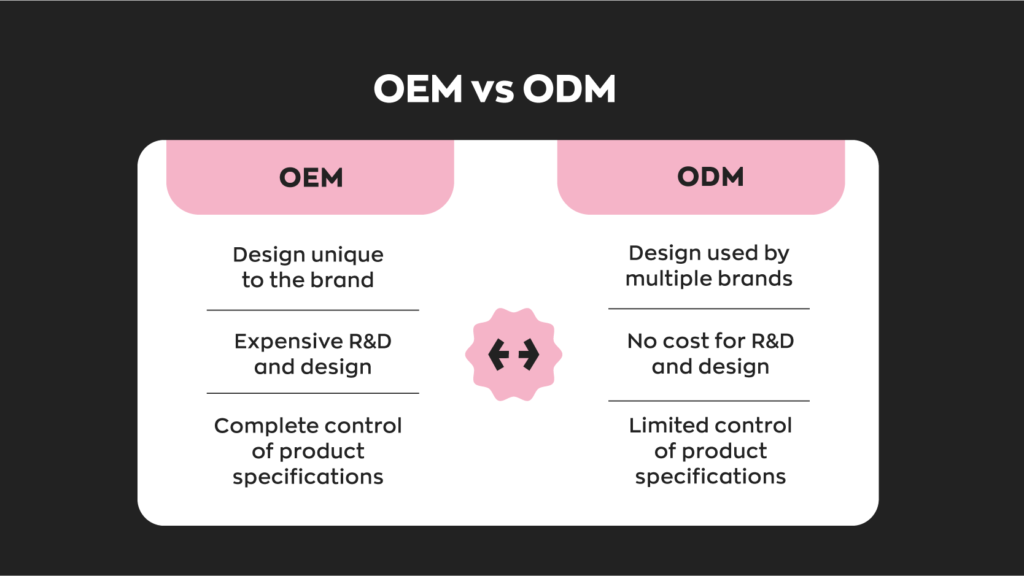
- OEM (Original Equipment Manufacturer): As discussed, this company makes components that are then integrated into another company’s final product. The design of the component may come from the OEM or be specified by the brand owner.
- ODM (Original Design Manufacturer): An ODM takes the concept a step further. An ODM not only manufactures the product but also designs it. A brand owner might approach an ODM with a general idea, and the ODM will handle the research, development, and manufacturing of the entire product, which is then rebranded and sold by the purchasing company. Many tech gadgets, especially in consumer electronics, are developed by ODMs and then white-labeled by multiple brands.
- VAR (Value-Added Reseller): A VAR purchases products or components from OEMs (or ODMs) and then adds additional features, services, or software to create a more comprehensive solution for the end-user. They add “value” beyond simply reselling the product. A company that builds custom PCs using OEM components and pre-installed software, then offers specialized support, acts as a VAR.
The lines between these categories can sometimes blur, especially as companies evolve their business models. However, the core distinction lies in who is responsible for the design and the branding of the component versus the final product.
The Supply Chain Imperative
The OEM model is a cornerstone of modern global supply chains, particularly in technology. It allows brand owners to focus on design, marketing, sales, and customer service, while outsourcing the capital-intensive and specialized manufacturing processes. This division of labor fosters efficiency, reduces costs, and accelerates innovation. Without the extensive network of OEMs, it would be far more challenging and expensive for tech giants to produce the vast array of devices and components that fuel our digital world.
OEM’s Ubiquitous Presence in the Tech Industry
The influence of OEMs permeates nearly every facet of the technology industry, often operating behind the scenes but delivering essential components that power our digital lives.
Hardware Components: From Microchips to Displays
Perhaps the most apparent realm of OEM activity is in hardware. The vast majority of internal components within computers, smartphones, tablets, smart TVs, and other electronic devices are manufactured by OEMs.
- Processors (CPUs/GPUs): Companies like Intel, AMD, Qualcomm, and NVIDIA are prominent OEMs for processors, supplying their chips to countless PC builders, smartphone manufacturers, and data center providers.
- Memory and Storage: Manufacturers like Samsung, Micron (Crucial), SK Hynix, and Western Digital produce RAM modules, SSDs, and HDDs that are integrated into devices by various brands.
- Displays: LG Display, Samsung Display, BOE, and AU Optronics are just a few of the giants that manufacture screens for everything from tiny smartwatch displays to enormous television panels.
- Motherboards and Chipsets: While some major PC brands design their own motherboards, many smaller and mid-tier manufacturers rely on OEM motherboards or specific chipsets from companies like Intel or AMD.
This specialization allows each OEM to focus its R&D and manufacturing efforts on perfecting a particular type of component, leading to higher quality and lower costs due to economies of scale.
Software Bundles and Pre-installations
The OEM concept isn’t limited to physical hardware. It extends significantly into the software domain. Operating systems, productivity suites, and utility software are often bundled or pre-installed on devices by the original equipment manufacturer (of the entire device, in this context, like HP or Dell).
- Operating Systems: Microsoft Windows is a prime example. While Microsoft develops Windows, it is sold as an OEM version to computer manufacturers who then license and pre-install it on their PCs. These OEM versions often come with specific licensing terms tied to the hardware they are installed on.
- Bundled Software: Device manufacturers frequently include pre-installed software from third-party developers, such as antivirus programs, trial versions of office suites, or proprietary utilities. These are essentially OEM software deals, where the software vendor acts as an OEM for the device manufacturer.
This practice provides convenience to the end-user, ensuring a ready-to-use system, but can sometimes lead to “bloatware” or unwanted software.
White-Labeling and Rebranding Tech Products
Many tech products, particularly in areas like networking equipment (routers, modems), security cameras, or generic consumer electronics, are produced by an OEM (often an ODM in this scenario) and then “white-labeled” or rebranded by multiple companies. A single factory might produce an identical device that appears on shelves under several different brand names, with only minor aesthetic changes or bundled software differentiating them. This strategy allows smaller brands to quickly enter markets without the massive capital investment required for R&D and manufacturing.
The Automotive Sector and Tech Integration
The automotive industry is increasingly intertwined with technology, making OEMs crucial here as well. Companies like Bosch, Continental, and ZF are leading automotive OEMs that supply a vast array of electronic components, sensors, infotainment systems, and software solutions to car manufacturers. As vehicles become more like computers on wheels, the reliance on specialized tech OEMs for everything from advanced driver-assistance systems (ADAS) to in-car connectivity will only grow.
Advantages and Challenges of the OEM Model for Tech Companies
The OEM model, while ubiquitous, presents both significant advantages and complex challenges for the tech companies that leverage it.
Benefits: Specialization, Cost Efficiency, and Time-to-Market
For companies that design and sell final tech products (the “brand owners”), partnering with OEMs offers compelling benefits:
- Specialization and Expertise: OEMs often possess deep expertise and cutting-edge facilities for specific types of manufacturing. This allows brand owners to access specialized technology and quality without having to build that expertise internally.
- Cost Efficiency: OEMs operate on economies of scale, producing components in massive volumes, which typically results in lower per-unit costs than if a brand owner tried to manufacture them in-house. This cost saving is passed down, ultimately benefiting consumers through more affordable products.
- Reduced Capital Investment: Setting up and maintaining advanced manufacturing plants requires immense capital. By using OEMs, brand owners can avoid these overheads and focus their capital on R&D, marketing, and innovation.
- Faster Time-to-Market: OEMs can quickly ramp up production, helping brand owners launch new products rapidly and respond to market demands with agility, a critical factor in the fast-paced tech industry.
- Focus on Core Competencies: Brand owners can dedicate their resources to product design, software development, branding, and customer experience—areas that directly differentiate their offerings and build brand loyalty—leaving the complexities of manufacturing to the experts.
Drawbacks: Quality Control, IP Risks, and Brand Dilution
Despite the advantages, relying on OEMs also introduces potential pitfalls:
- Quality Control Challenges: Maintaining consistent quality across a network of diverse OEMs can be difficult. Any lapse in an OEM’s production process can negatively impact the final product and reflect poorly on the brand owner’s reputation.
- Intellectual Property (IP) Risks: Sharing designs and specifications with OEMs can expose a brand owner’s intellectual property to potential theft or unauthorized use, especially in regions with weaker IP protection.
- Dependency and Supply Chain Vulnerabilities: Over-reliance on a single or a few OEMs can create supply chain vulnerabilities. Disruptions (natural disasters, geopolitical issues, factory problems) can severely impact production and lead to product shortages.
- Limited Customization and Differentiation: While OEMs offer efficiency, their standard components might limit the extent to which a brand owner can truly customize or differentiate their product, potentially leading to similar-looking or functionally identical products across different brands.
- Brand Dilution: If an OEM produces nearly identical products for multiple brands (as often happens with ODMs), it can dilute the unique identity of the purchasing brands, making it harder for them to stand out in the market.
Navigating the OEM Relationship Successfully
Successful partnerships with OEMs require rigorous due diligence, robust contractual agreements, transparent communication, and continuous oversight. Companies often diversify their OEM base, implement strict quality assurance protocols, and invest in supply chain visibility tools to mitigate risks and maximize the benefits of this crucial collaboration.
How OEM Impacts Consumers and End-Users
While often invisible, the OEM model significantly influences the tech products consumers buy and use, from their cost to their repairability.
Product Availability and Affordability
The OEM model directly contributes to the widespread availability and relative affordability of technology. By optimizing manufacturing and leveraging global supply chains, OEMs enable brands to produce millions of devices at competitive prices. Without this efficient system, the cost of tech products would likely be much higher, and access to cutting-edge gadgets less widespread.
The OEM Software Experience
For many, their first interaction with OEM software is through the pre-installed operating system and applications on a new computer. While convenient, this can also mean dealing with “bloatware” – unwanted programs that consume system resources. Conversely, OEM versions of operating systems are often cheaper than retail versions, but their licenses are typically tied to the specific hardware they came with, making them non-transferable.
Warranties, Support, and Upgradability
When a component fails within a branded tech product, consumers typically turn to the brand owner for warranty claims and support, even if the faulty part was produced by an OEM. The brand owner assumes responsibility for the entire product. Regarding upgradability, “OEM parts” sometimes refer to replacement components sold by third parties that are functionally identical to the original but might lack the brand’s logo or come in generic packaging, often at a lower cost. However, using non-authorized OEM parts can sometimes void warranties.
Informed Choices: Understanding Your Tech’s Origins
For tech enthusiasts, understanding the OEM landscape can inform purchasing decisions. Knowing which OEMs supply key components (like the display panel in a monitor or the camera sensor in a smartphone) can provide insights into a product’s likely performance and quality, even if those OEMs aren’t explicitly advertised by the final brand. This knowledge empowers consumers to make more informed choices beyond just brand marketing.
The Evolving Landscape of OEM in Technology
The role of OEMs continues to evolve, adapting to new technological paradigms and market demands.
Customization and Bespoke Solutions
As technology becomes more specialized, OEMs are increasingly offering more customized and bespoke solutions rather than just generic components. Companies seeking unique differentiators are pushing OEMs to develop specialized chips, sensors, and modules tailored to their specific product visions, moving beyond off-the-shelf parts. This trend is particularly evident in niche markets and high-end devices where performance and unique features are paramount.
AI, IoT, and the Future of Integrated Components
The rise of Artificial Intelligence (AI) and the Internet of Things (IoT) presents new frontiers for OEMs. Manufacturers of smart sensors, AI accelerators, and highly integrated system-on-chips (SoCs) are becoming pivotal. These OEMs are not just supplying hardware but often embedding intelligent capabilities directly into their components, requiring closer collaboration with brand owners to ensure seamless integration and functionality within complex AI and IoT ecosystems. The demand for edge computing, where processing occurs closer to the data source, also drives innovation among OEMs creating low-power, high-performance components.

Sustainability and Ethical Sourcing in OEM Partnerships
Growing global awareness of environmental impact and labor practices is placing increased pressure on brand owners to ensure their entire supply chain, including OEMs, adheres to ethical and sustainable standards. This means OEMs are increasingly being scrutinized for their energy consumption, waste management, labor conditions, and sourcing of raw materials. Responsible sourcing and transparent reporting are becoming non-negotiable aspects of successful OEM partnerships, pushing the entire industry towards more sustainable and ethical manufacturing practices.
In conclusion, “OEM” is more than just an acronym; it represents a foundational pillar of the modern technology industry. OEMs are the unseen architects, the specialized manufacturers who craft the essential building blocks that empower global brands to deliver the innovative and diverse tech products we rely on daily. Understanding their role is key to appreciating the complexity, efficiency, and ongoing evolution of the digital world.
aViewFromTheCave is a participant in the Amazon Services LLC Associates Program, an affiliate advertising program designed to provide a means for sites to earn advertising fees by advertising and linking to Amazon.com. Amazon, the Amazon logo, AmazonSupply, and the AmazonSupply logo are trademarks of Amazon.com, Inc. or its affiliates. As an Amazon Associate we earn affiliate commissions from qualifying purchases.