
In the intricate landscape of modern commerce, where consumer choices abound and attention spans dwindle, a one-size-fits-all marketing approach is an almost guaranteed path to mediocrity. Savvy brands understand that true resonance comes from speaking directly to an audience that feels understood and valued. This fundamental principle underpins the powerful strategy known as marketing segmentation. Far from a mere buzzword, marketing segmentation is a cornerstone of effective brand strategy, corporate identity, and overall marketing success, allowing businesses to sculpt their messaging, products, and services with surgical precision.
The Core Concept: Dividing to Conquer
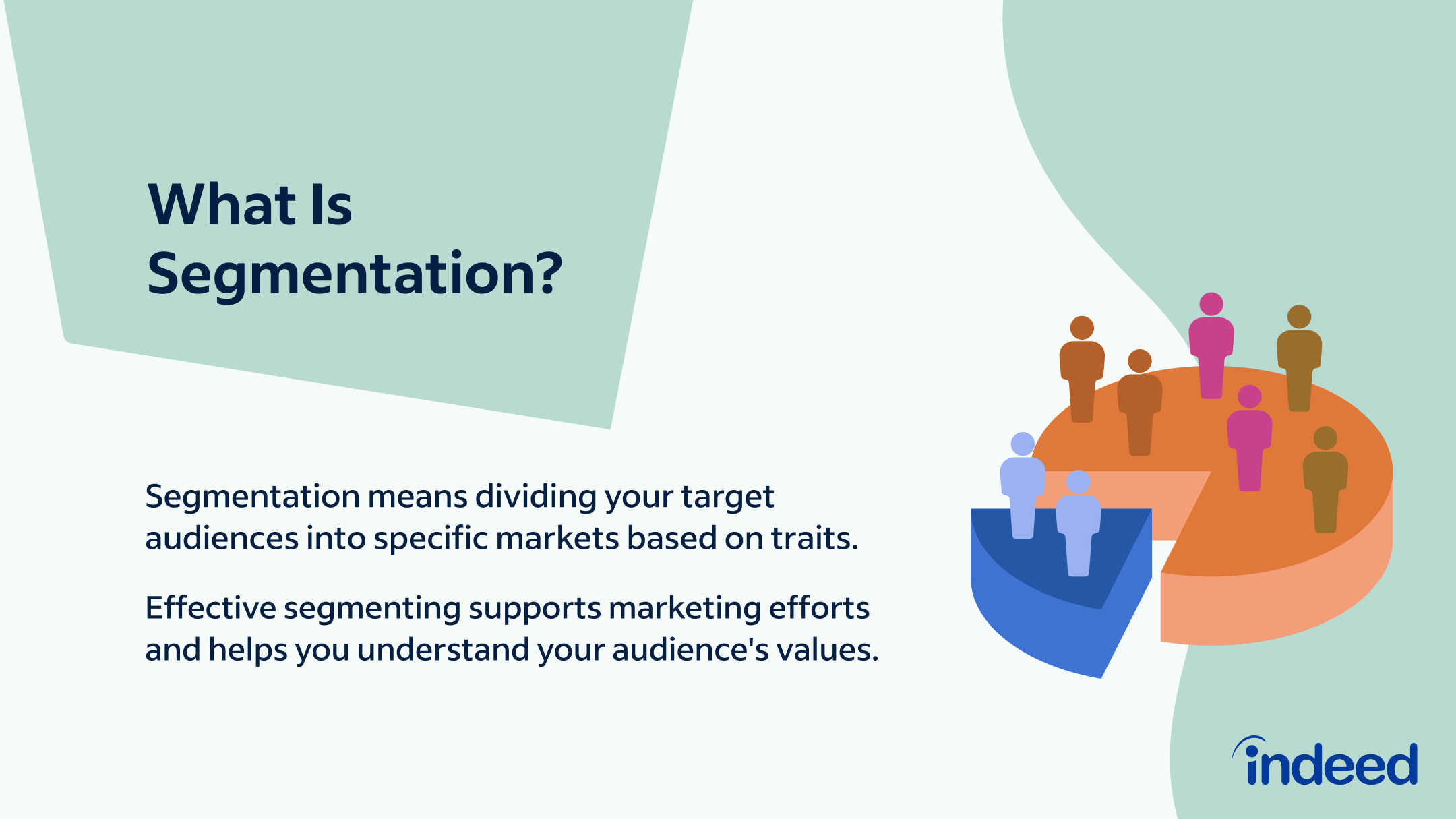
At its heart, marketing segmentation is the process of dividing a broad consumer or business market into sub-groups of consumers (known as segments) based on some type of shared characteristics. The objective is to identify distinct groups of buyers who have different needs, characteristics, or behaviors and who might require separate product offerings and marketing mixes. This strategic division empowers brands to move beyond generic communication, fostering deeper connections and driving more impactful results.
Defining Marketing Segmentation
Imagine a vast ocean of potential customers. Without segmentation, a brand would cast a single, wide net, hoping to catch something. With segmentation, that same brand first identifies specific schools of fish—tuna, salmon, snapper—and then crafts specialized nets and bait tailored to each species. In a business context, these “species” are groups of consumers who exhibit similar purchasing habits, preferences, responses to marketing stimuli, or demographic traits. By recognizing these commonalities, brands can create more relevant and effective marketing campaigns. It’s about understanding that not everyone is your customer, and even among your customers, not everyone is the same customer.
Why Segmentation Matters in Modern Marketing
The contemporary marketplace is characterized by hyper-competition and an overwhelming volume of information. Consumers are bombarded with messages, making it harder for any single brand to cut through the noise with a generic appeal. Marketing segmentation offers a critical advantage:
- Increased Relevance: By understanding specific segment needs, brands can tailor messages that resonate directly, making marketing efforts more impactful.
- Enhanced Customer Experience: When a brand speaks directly to a customer’s specific needs or pain points, it fosters a sense of being understood, leading to greater satisfaction and loyalty.
- Improved ROI: Focusing resources on segments most likely to convert minimizes wasted ad spend and maximizes the return on marketing investments.
- Competitive Differentiation: Brands that effectively segment and target their market can carve out unique positions, distinguishing themselves from competitors who might be using broader, less focused approaches.
- Stronger Brand Identity: A clear understanding of target segments helps to refine and solidify the brand’s voice, values, and overall identity in the minds of its desired audience.
Key Types of Marketing Segmentation
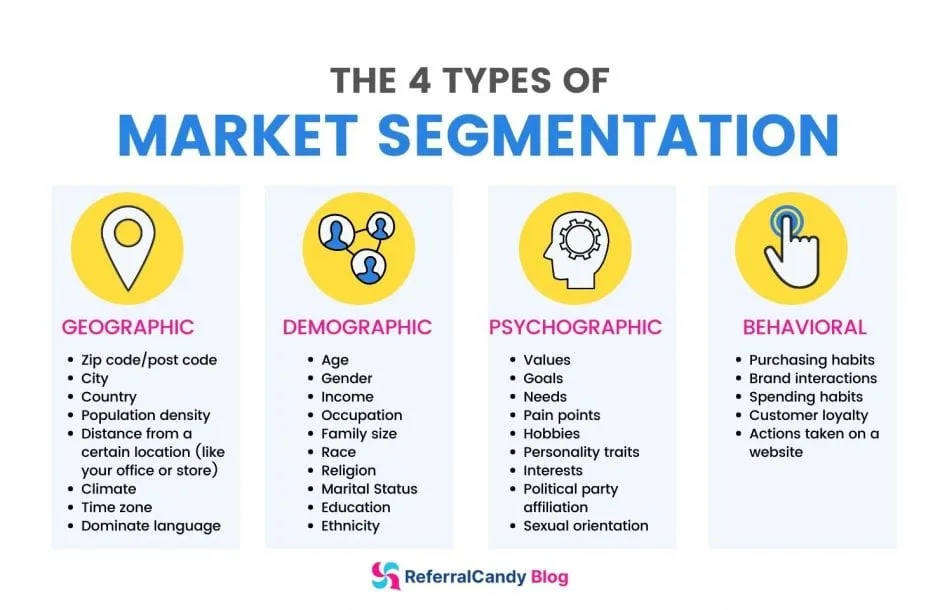
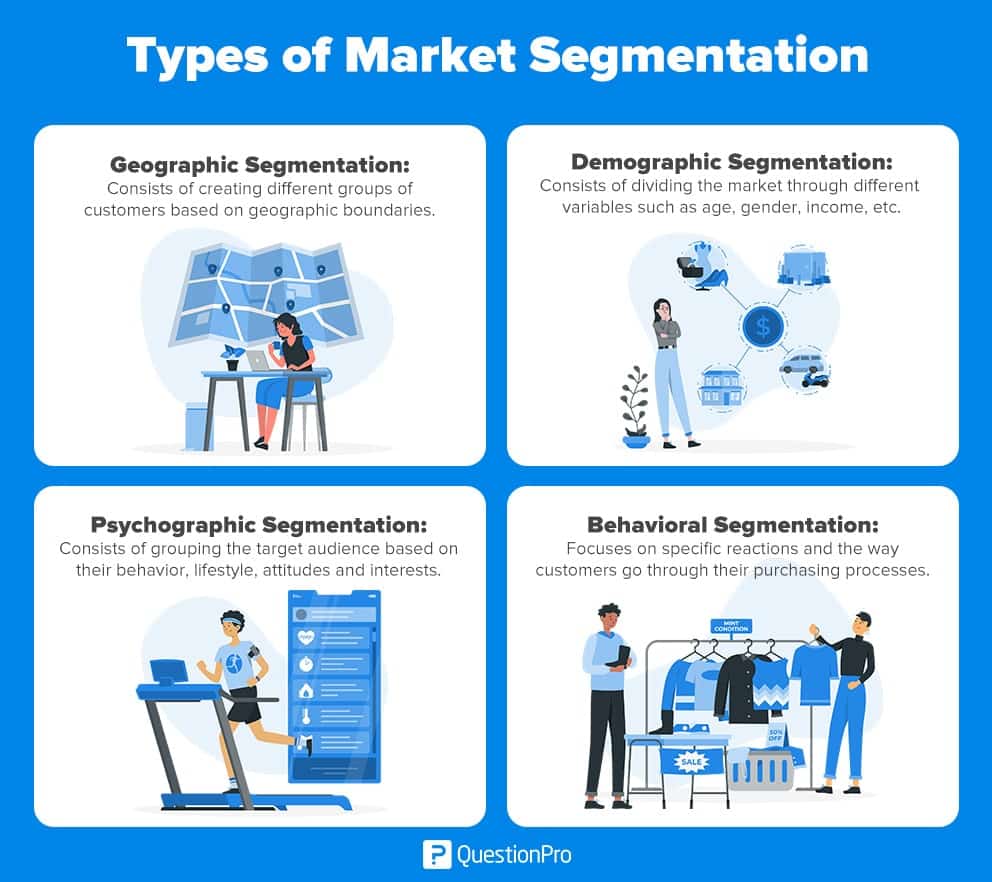
While the ultimate goal is always to divide the market effectively, marketers employ various methodologies to achieve this. These methodologies generally fall into four primary categories, often used in combination for a multi-faceted view of the customer.
Demographic Segmentation
This is perhaps the most straightforward and commonly used form of segmentation. Demographic segmentation divides the market based on measurable characteristics of a population. These include:
- Age: Different age groups have distinct needs, preferences, and purchasing power. (e.g., toys for children, anti-aging creams for seniors).
- Gender: Products and marketing messages are often tailored specifically for men or women. (e.g., men’s grooming products, women’s fashion).
- Income: Reflects purchasing power and influences choices regarding luxury versus budget items. (e.g., premium cars versus economy vehicles).
- Education Level: Can indicate sophistication, interest in specific types of content, or career paths.
- Occupation: Influences lifestyle, disposable income, and specific product needs (e.g., workwear, professional tools).
- Family Size/Life Cycle Stage: Single individuals, young couples, families with children, and empty nesters all have different consumption patterns.
Demographic data is relatively easy to obtain and provides a foundational understanding of who the customers are.
Geographic Segmentation
Geographic segmentation divides the market based on physical location. This approach recognizes that people in different regions, cities, or even neighborhoods may have varying needs, cultural preferences, or climate-specific requirements.
- Region/Country/Continent: Marketing campaigns might be localized to reflect cultural nuances or legal requirements specific to a geographic area.
- City Size/Density: Urban versus rural dwellers have different access to services, transportation needs, and lifestyles.
- Climate: Products like winter coats, air conditioners, or specific types of food are highly dependent on local climate.
- Neighborhoods/Zip Codes: Increasingly, micro-segmentation can target specific local communities with highly tailored offers.
Geographic segmentation is crucial for businesses with a physical presence or those whose products are influenced by environmental factors.
Psychographic Segmentation
Moving beyond the purely observable, psychographic segmentation delves into the “why” behind consumer behavior. It divides the market based on psychological traits, values, beliefs, attitudes, interests, and lifestyles. This type of segmentation often provides deeper insights into consumer motivations.
- Lifestyle: Active adventurers versus homebodies, health-conscious individuals versus convenience seekers.
- Personality Traits: Introverts versus extroverts, cautious versus risk-takers.
- Values and Beliefs: Environmentally conscious consumers, ethical shoppers, brand loyalists, budget-focused buyers.
- Interests and Hobbies: Gamers, fashion enthusiasts, DIYers, foodies.
Psychographic segmentation helps brands craft messages that appeal to a customer’s self-perception and aspirations, creating a stronger emotional connection.
Behavioral Segmentation
Behavioral segmentation categorizes customers based on their actual behaviors towards a product, brand, or service. This is often considered one of the most powerful forms of segmentation as it directly reflects purchase intent and usage patterns.
- Purchase History: First-time buyers, repeat customers, high-frequency purchasers.
- Usage Rate: Heavy users, medium users, light users of a product or service.
- Benefits Sought: Customers seeking value, quality, convenience, status, or specific features. (e.g., someone buying a car for fuel efficiency versus someone buying for speed).
- Brand Loyalty: Loyal customers who consistently choose one brand versus switchers.
- Occasion Segmentation: Purchases tied to specific events or times (e.g., holiday gifts, seasonal items, travel bookings).
- Customer Journey Stage: Awareness, consideration, decision, post-purchase.
By understanding how customers interact with their brand, businesses can optimize their entire customer journey, from initial engagement to retention.
Benefits of Strategic Segmentation
Implementing a robust marketing segmentation strategy yields a multitude of benefits that directly contribute to a brand’s growth and sustainability.
Enhanced Marketing Effectiveness
Precision targeting means that marketing messages are highly relevant to the intended audience. This dramatically increases engagement rates, click-through rates, and conversion rates compared to generic campaigns. Resources are directed towards the most promising leads, optimizing ad spend and reducing wasted efforts.
Improved Product Development
Understanding the distinct needs and preferences of various segments allows brands to identify gaps in the market or opportunities for innovation. Products and services can be designed or modified to specifically cater to these identified needs, ensuring a higher likelihood of market acceptance and success. This proactive approach to development aligns offerings more closely with actual consumer demand.
Optimized Resource Allocation
When a brand clearly defines its target segments, it can allocate its marketing budget, sales force efforts, and R&D investments more efficiently. Instead of spreading resources thinly across an undifferentiated market, the brand can concentrate its power on the segments that offer the highest potential return, leading to greater profitability and operational efficiency.
Stronger Customer Relationships
Segmentation enables a brand to “speak the customer’s language” and address their specific pain points or desires. This personalized approach fosters trust, demonstrates empathy, and builds a sense of connection, leading to increased customer satisfaction, loyalty, and advocacy. Loyal customers are invaluable assets, providing repeat business and acting as brand ambassadors.
Competitive Advantage
Brands that master segmentation gain a significant edge over competitors. By understanding and serving specific niches better than anyone else, they can create defensible market positions. This specialized focus often allows them to command premium pricing, cultivate a strong brand reputation within their segment, and react more swiftly to market changes.
Implementing a Segmentation Strategy
Executing a successful marketing segmentation strategy involves several methodical steps, moving from data gathering to ongoing adaptation.
Data Collection and Analysis
The foundation of any effective segmentation strategy is robust data. This involves collecting information from various sources: internal CRM systems, website analytics, social media insights, market research surveys, focus groups, and third-party data providers. Once collected, this data must be meticulously analyzed to identify patterns, correlations, and natural groupings within the customer base. Advanced analytical tools and even AI-powered platforms can aid in this complex process, revealing insights that might not be immediately apparent.
Segment Profiling
After identifying potential segments, the next step is to create detailed profiles for each. A segment profile goes beyond basic demographics to include psychographic traits, behavioral patterns, media consumption habits, purchasing motivations, and perceived needs. These profiles transform abstract data points into tangible, humanized representations of the target customer, making it easier for marketing teams to empathize and craft compelling strategies. Give your segments names (e.g., “The Eco-Conscious Millennial,” “The Budget-Minded Family”) to make them more concrete.
Target Market Selection
With well-defined segments, a brand must then decide which ones to actively pursue. This targeting decision is strategic, weighing factors such as:
- Segment Size and Growth Potential: Is the segment large enough to be profitable, and is it growing?
- Profitability: What is the potential revenue and profit margin from this segment?
- Accessibility: Can the segment be reached effectively and economically with marketing efforts?
- Brand Fit: Does serving this segment align with the brand’s mission, values, and capabilities?
- Competition: How intense is the competition within this segment?
A brand might choose to target one niche segment, multiple segments with differentiated approaches, or even the entire market with a broad strategy but segmented communications.
Developing Tailored Marketing Mixes
Once target segments are chosen, the brand must develop a specific marketing mix (product, price, place, promotion—the 4 Ps) for each. This involves:
- Product: Customizing features, designs, packaging, or even entirely new product lines.
- Price: Setting price points that align with the perceived value and purchasing power of the segment.
- Place (Distribution): Selecting appropriate channels where the segment shops (e.g., online, specific retail stores, direct sales).
- Promotion: Crafting distinct messages, choosing relevant media channels, and deploying promotions that resonate specifically with the segment.
This tailored approach ensures maximum impact and relevance for each chosen audience.
Continuous Monitoring and Adaptation
The market is not static; consumer preferences, economic conditions, and competitive landscapes constantly evolve. Therefore, marketing segmentation is not a one-time exercise but an ongoing process. Brands must continuously monitor the performance of their segmented campaigns, track changes in customer behavior, and regularly review and refine their segment definitions and targeting strategies. This agility ensures that the brand remains relevant and responsive to the dynamic needs of its customers.
Challenges and Considerations
While highly beneficial, marketing segmentation is not without its complexities. Brands must navigate potential pitfalls to maximize its effectiveness.
Over-segmentation vs. Under-segmentation
A common challenge is finding the right balance. Over-segmentation can lead to segments that are too small to be profitable, making it difficult to justify the resources required for tailored marketing. It can also create an overly fragmented brand image. Conversely, under-segmentation risks treating distinct groups too broadly, leading to generic campaigns that miss opportunities for deep engagement. The goal is to identify segments that are distinct, measurable, accessible, substantial, and actionable (DMASA).
Data Privacy and Ethics
As brands collect and analyze more detailed customer data, concerns around data privacy and ethical usage become paramount. Brands must ensure full transparency, adhere to regulations like GDPR or CCPA, and build trust with customers regarding how their information is used. Ethical segmentation avoids discriminatory practices and focuses on providing value, not exploitation.
Dynamic Nature of Segments
Customer segments are not fixed entities. Lifestyles change, new technologies emerge, and cultural shifts occur. A segment that was highly relevant five years ago might have evolved or even dissolved. Brands must invest in continuous research and flexibility to adapt their segmentation strategies, ensuring they remain relevant and reflective of the current market reality. This requires ongoing investment in market intelligence and a willingness to iterate.
In conclusion, marketing segmentation is more than just a technique; it is a strategic imperative for any brand aiming for sustained success in today’s crowded marketplace. By systematically dissecting the market, brands can unlock deeper insights, foster stronger connections, and drive superior results, ultimately building a more resilient and resonant brand identity.
aViewFromTheCave is a participant in the Amazon Services LLC Associates Program, an affiliate advertising program designed to provide a means for sites to earn advertising fees by advertising and linking to Amazon.com. Amazon, the Amazon logo, AmazonSupply, and the AmazonSupply logo are trademarks of Amazon.com, Inc. or its affiliates. As an Amazon Associate we earn affiliate commissions from qualifying purchases.