
In the dynamic landscape of modern commerce, understanding how marketing efforts contribute to customer actions is paramount for any brand aiming for sustainable growth and a compelling corporate identity. Marketing attribution is the process of identifying which marketing touchpoints—from the initial exposure to a brand message to the final conversion—influenced a customer’s decision to take a desired action, such as making a purchase, signing up for a newsletter, or requesting a demo. It’s an analytical framework designed to evaluate the effectiveness of various marketing channels and campaigns, allowing brands to allocate resources more efficiently and optimize their overall marketing strategy.
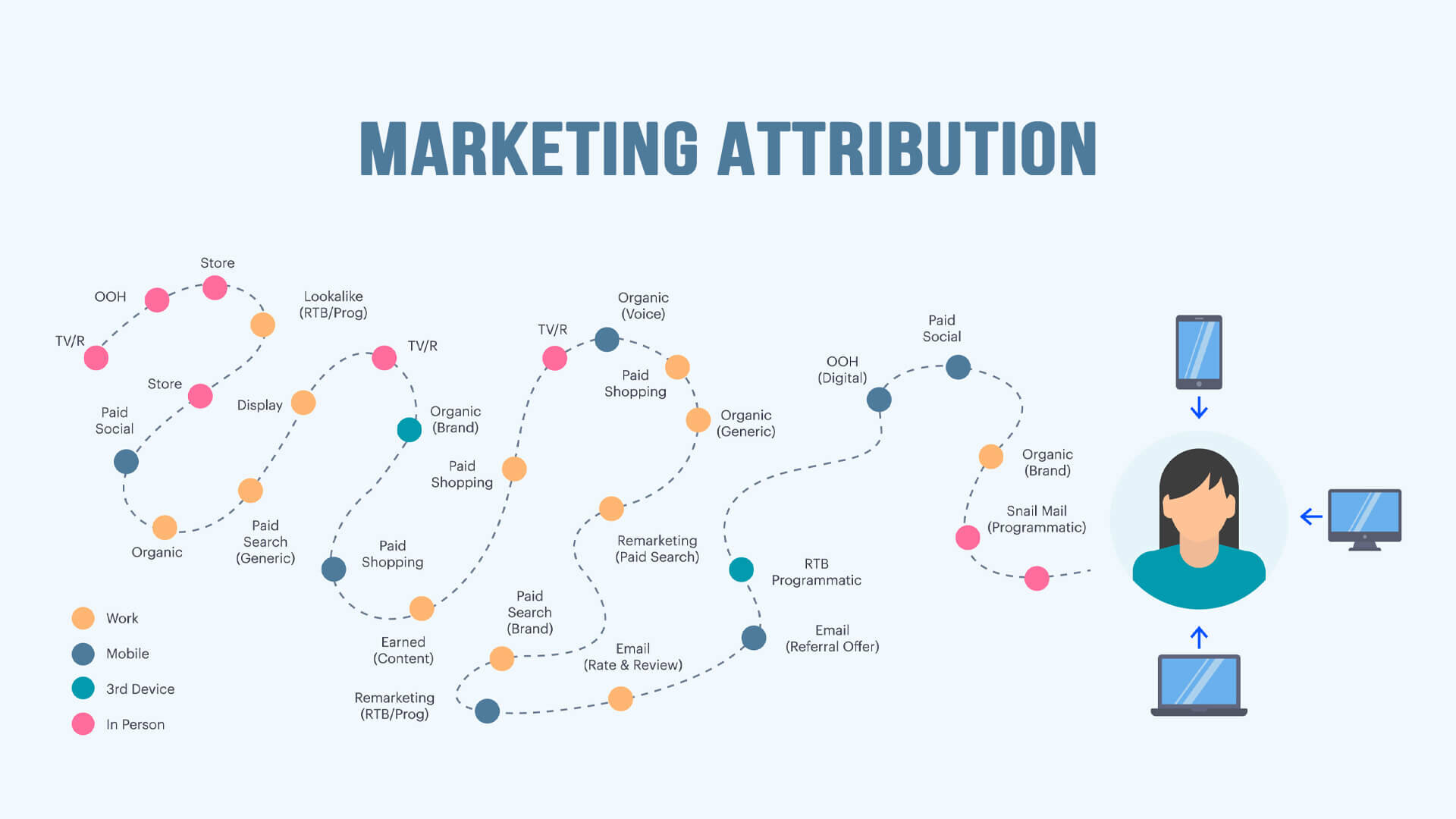
At its core, marketing attribution moves beyond simply tallying conversions to unravel the complex journey a customer undertakes. It recognizes that a conversion is rarely the result of a single interaction but rather a culmination of multiple touchpoints across various channels. By assigning credit to these touchpoints, brands gain invaluable insights into the performance of their marketing mix, enabling them to make data-driven decisions that strengthen their market position and enhance their brand’s visibility and resonance.
The Strategic Imperative of Understanding Customer Journeys
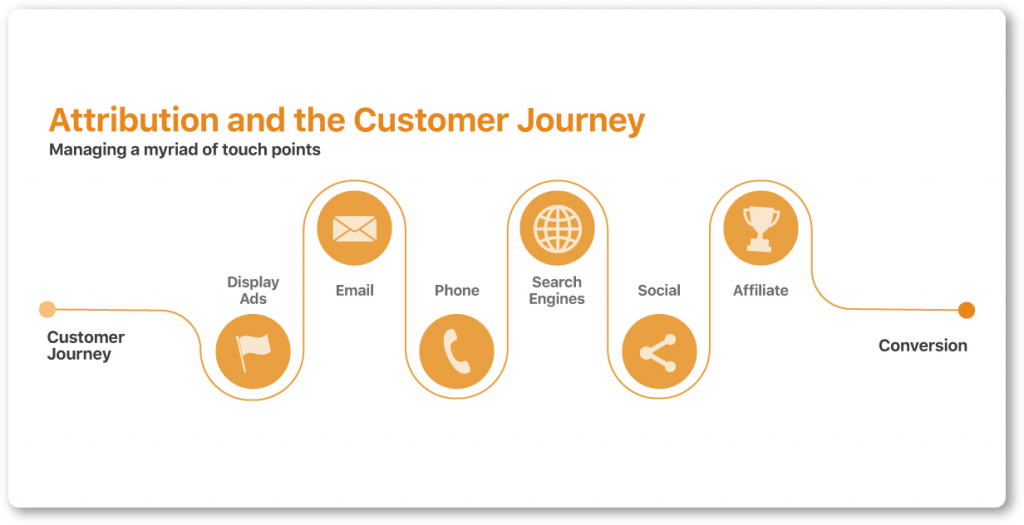
For brands navigating an increasingly fragmented media landscape, comprehending the intricacies of the customer journey is no longer optional—it’s a strategic imperative. The modern customer interacts with a brand across numerous digital and sometimes physical channels, often in a non-linear fashion. From seeing a social media ad, clicking on a search result, reading a blog post, watching a video, to receiving an email, each interaction plays a role in shaping their perception and guiding their decision-making process.
Beyond the Last Click Mentality
Historically, many marketing efforts suffered from a “last click” bias, where the final interaction a customer had before converting received 100% of the credit. While simple to implement, this model offers a woefully incomplete picture. It undervalues initial awareness-building campaigns and mid-funnel engagements that educate and nurture prospects. For instance, a sophisticated content marketing strategy designed to build trust and authority might be completely overlooked if only the final direct visit or paid search click gets credit.
A brand’s success hinges on building long-term relationships and fostering loyalty, which requires a deep understanding of every stage of the customer lifecycle. Marketing attribution helps brands move beyond this myopic view, providing a more holistic perspective on how different touchpoints contribute synergistically to the ultimate conversion. By recognizing the value of earlier interactions, brands can better justify investments in top-of-funnel activities that build awareness and consideration, which are crucial for long-term brand equity.
Optimizing Marketing Spend for Brand Growth
One of the most tangible benefits of robust marketing attribution is its direct impact on marketing budget allocation. Without clear attribution, brands risk overspending on ineffective channels or underspending on highly influential ones. By understanding which channels and campaigns are genuinely driving conversions, brands can intelligently shift resources to maximize return on investment (ROI).
For example, if an analysis reveals that display ads, while not always leading to immediate clicks, significantly increase direct website visits later on, a brand can adjust its budget to reflect this hidden value. Conversely, if a seemingly high-performing channel consistently contributes little to actual conversions when viewed through a multi-touch lens, resources can be reallocated elsewhere. This optimization is critical not only for financial efficiency but also for solidifying brand presence in the most impactful spaces. Strategic reallocation based on attribution insights ensures that every marketing dollar contributes meaningfully to brand awareness, engagement, and ultimately, revenue.
Diverse Models for Diverse Brand Objectives
The complexity of customer journeys has led to the development of various marketing attribution models, each offering a different lens through which to assign credit to touchpoints. The choice of model depends heavily on a brand’s specific goals, the length of its sales cycle, and the nature of its customer interactions.
Single-Touch Attribution Models
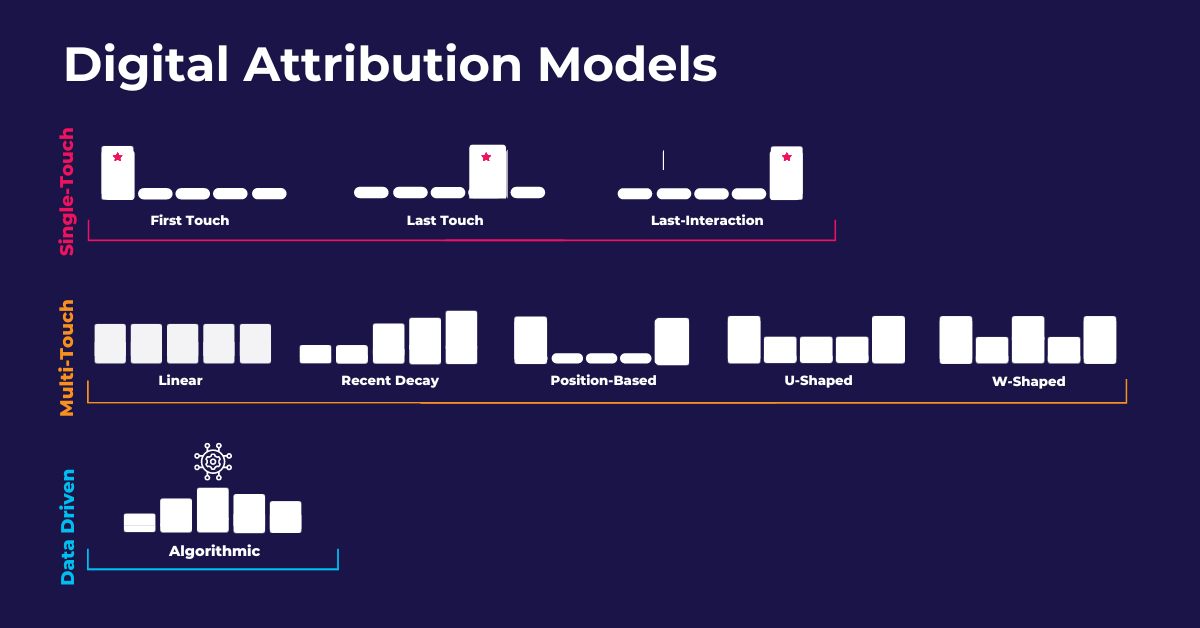
These models are the simplest to implement but provide the least comprehensive view. They assign 100% of the credit to a single touchpoint.
- First-Click Attribution: Gives all credit to the very first interaction a customer had with the brand. This model is valuable for understanding which channels are most effective at generating initial awareness and attracting new prospects. It highlights the importance of top-of-funnel initiatives in brand building.
- Last-Click Attribution: Assigns all credit to the final interaction before conversion. While easy to track, it heavily favors lower-funnel, direct-response channels and neglects all preceding influences. It can be useful for quickly identifying which channels are closing deals, but offers little insight into the entire customer journey.
- Direct Attribution: A variation often lumped with single-touch, this specifically credits direct traffic (e.g., typing the URL directly, bookmarking) if it’s the last touch. This often highlights strong brand recognition or repeat customers.
Multi-Touch Attribution Models
These models distribute credit across multiple touchpoints, offering a more nuanced and accurate understanding of campaign performance. They are particularly beneficial for brands with longer sales cycles or those heavily invested in content marketing and brand-building activities.
- Linear Attribution: Distributes credit equally among all touchpoints in the customer journey. This model acknowledges every interaction, providing a balanced view but potentially overvaluing less influential touches. It’s a good starting point for brands looking to move beyond single-touch models.
- Time Decay Attribution: Assigns more credit to touchpoints that occurred closer to the conversion. This model acknowledges that more recent interactions typically have a greater influence on the final decision. It’s particularly useful for brands with shorter sales cycles or promotions.
- U-Shaped (Position-Based) Attribution: Gives 40% credit to the first interaction, 40% to the last interaction, and distributes the remaining 20% equally among all middle touchpoints. This model recognizes the importance of both initial awareness and the final closing touch, while still giving some credit to interactions that nurture the lead. It’s popular for brands with distinct top-of-funnel and bottom-of-funnel strategies.
- W-Shaped Attribution: An extension of U-shaped, this model attributes credit to the first interaction, the lead creation touchpoint, the opportunity creation touchpoint, and the final conversion touchpoint. This is especially relevant for B2B brands with complex sales funnels.
- Algorithmic (Data-Driven) Attribution: Utilizes machine learning and statistical modeling to assign credit dynamically based on the actual performance data of a brand’s unique customer journeys. These models are the most sophisticated, taking into account factors like the order of interactions, time between touches, and channel type. They offer the most accurate and customizable insights, albeit requiring more data and technical expertise.
Implementing Attribution: Challenges and Best Practices for Brands
Successfully implementing a marketing attribution strategy requires more than just choosing a model; it demands careful planning, robust data infrastructure, and a commitment to continuous analysis.
Overcoming Data Silos and Integration Challenges
One of the biggest hurdles for brands is integrating data from disparate marketing channels and platforms. Customer journeys often span across website analytics, CRM systems, email marketing platforms, social media dashboards, and offline interactions. Without a unified view of this data, accurate attribution is impossible. Brands must invest in data integration solutions or platforms that can consolidate touchpoint data, creating a single, comprehensive view of each customer’s path to conversion. This foundational step is critical for developing a coherent corporate identity and consistent brand experience across all touchpoints.
Strategic Model Selection Aligned with Brand Goals
The “best” attribution model doesn’t exist universally; it’s the one that best aligns with a brand’s specific marketing objectives and sales cycle.
- If a brand is focused on increasing brand awareness and reaching new audiences, a first-click or U-shaped model might highlight the value of top-of-funnel campaigns.
- If the goal is to optimize conversion rates from existing leads, a time decay or last-click model might be more insightful.
- For a brand seeking a truly granular understanding across a complex customer journey, algorithmic models provide the most comprehensive insights, enabling highly targeted marketing and brand strategy adjustments. Brands should regularly evaluate their chosen model’s effectiveness and be prepared to experiment with different approaches to find what works best for their unique context.
The Holistic View: Beyond Digital Touchpoints
While digital attribution is highly measurable, brands must not overlook the influence of offline touchpoints and broader brand awareness. Word-of-mouth referrals, traditional advertising (TV, radio, print), PR efforts, and in-store experiences all play a role in shaping customer perception and driving conversions. Integrating qualitative data and brand surveys with quantitative attribution data can provide a more holistic view of brand influence. Though harder to measure directly, the cumulative effect of these non-digital touchpoints often lays the groundwork for later digital conversions, reinforcing the importance of a unified brand identity across all channels.
Continuous Testing and Refinement
Marketing attribution is not a set-it-and-forget-it process. Customer behaviors evolve, market dynamics shift, and new channels emerge. Brands must adopt a mindset of continuous testing, analysis, and refinement. Regularly review attribution reports, compare different models, and use the insights gained to iterate on marketing campaigns, optimize budget allocation, and refine brand messaging. This iterative approach ensures that marketing efforts remain agile, effective, and perfectly aligned with a brand’s evolving strategic objectives.
The Future of Attribution in Brand Building
The future of marketing attribution is poised for significant advancements, largely driven by artificial intelligence and machine learning. AI-powered attribution models can process vast amounts of data, identify complex patterns, and predict the influence of various touchpoints with greater accuracy than traditional models. These sophisticated tools will enable brands to gain even deeper insights into customer behavior, allowing for hyper-personalized marketing strategies and more effective brand storytelling.
Ultimately, marketing attribution is an indispensable tool for brands seeking clarity, efficiency, and growth in today’s competitive landscape. By moving beyond simplistic views and embracing sophisticated analytical frameworks, brands can unlock the true value of their marketing investments, cultivate stronger customer relationships, and build a resilient, impactful corporate identity for the long term.
aViewFromTheCave is a participant in the Amazon Services LLC Associates Program, an affiliate advertising program designed to provide a means for sites to earn advertising fees by advertising and linking to Amazon.com. Amazon, the Amazon logo, AmazonSupply, and the AmazonSupply logo are trademarks of Amazon.com, Inc. or its affiliates. As an Amazon Associate we earn affiliate commissions from qualifying purchases.