
Beyond the roar of the crowd and the thrill of competition, the League Cup stands as a compelling case study in brand management within the high-stakes world of professional sports. To ask “what is the League Cup?” is to inquire not just about a knockout football tournament, but about a distinct brand entity, meticulously crafted, strategically positioned, and continually evolving to maintain its relevance and appeal in a saturated market. It represents a dynamic interplay of heritage, commercial partnerships, and fan engagement, all converging to define its unique identity within the global football ecosystem.
The Brand Identity of a Historic Competition
The League Cup, officially known as the Football League Cup and currently branded as the Carabao Cup due to sponsorship, boasts a rich heritage that forms the bedrock of its brand identity. Established in 1960, its initial brand proposition was clear: to provide Football League clubs with an additional domestic knockout competition, distinct from the venerable FA Cup. This inherent differentiation immediately carved out a niche for the new tournament, allowing it to cultivate its own narrative and fan base.

Origins and Initial Market Positioning
In its genesis, the League Cup sought to address a market need, offering clubs a mid-week competition and an alternative route to European qualification. This positioning was a strategic move to create a valuable product that resonated with both clubs seeking glory and fans craving more competitive football. Unlike the FA Cup, which embraced clubs from all tiers of the football pyramid, the League Cup primarily focused on the professional teams within the Football League structure, giving it a more exclusive, yet accessible, brand feel for those clubs. This early positioning was crucial in establishing its perceived value and differentiation, preventing it from being merely seen as a secondary, less prestigious tournament. It built a brand promise of achievable glory for a wider array of professional clubs, fostering a sense of aspiration among participants.
Differentiating from Other Football Brands
In the competitive landscape of English football, the League Cup brand has had to continuously articulate its unique selling points against behemoths like the Premier League and the FA Cup. While the Premier League represents the pinnacle of league football, and the FA Cup embodies tradition and the magic of giant-killings, the League Cup has often branded itself as a fast-paced, direct route to silverware and European qualification. Its mid-week scheduling, high-stakes single-leg ties (until the semi-finals), and a Wembley final offer a distinct consumer experience. This focus on immediate gratification and a clear path to a major trophy helps to differentiate its brand, appealing to clubs and fans who value a quicker, more intense journey to success. The brand communicates excitement, opportunity, and a tangible sense of achievement that sets it apart from its counterparts, ensuring it retains a valuable space in the congested football calendar.
The Evolution of Sponsorship and Brand Naming
Perhaps no other aspect illustrates the League Cup’s brand journey more vividly than its history of title sponsorship. Unlike some competitions that retain a singular, consistent name, the League Cup has embraced a dynamic approach, integrating numerous commercial partners directly into its brand identity. This strategic evolution highlights a proactive approach to commercial viability and brand refreshment.
From Milk Cup to Carabao Cup: A Naming Journey
Since its inception, the League Cup has undergone several brand transformations, each dictated by its title sponsor. From the “Milk Cup” in the early 1980s, through various iterations such as the “Coca-Cola Cup,” “Worthington Cup,” “Carling Cup,” “Capital One Cup,” and now the “Carabao Cup,” each re-branding signifies a strategic alliance. These naming conventions are not merely contractual obligations; they represent a fundamental shift in the competition’s external identity. Each sponsor brings its own brand equity, target audience, and marketing resources, which are leveraged to promote the League Cup. The continuous adoption of a new sponsor name injects fresh marketing energy and capital, allowing the competition to stay relevant and visible in an ever-evolving media landscape. This adaptability is a core component of its enduring brand strategy, reflecting an agile approach to market changes and commercial opportunities.
Impact of Title Sponsorship on Brand Perception and Equity
The integration of title sponsors has a profound impact on the League Cup’s brand perception and equity. Each sponsor’s image, values, and market presence inevitably influence how the competition is viewed by fans, media, and potential commercial partners. A sponsor with a strong global presence, for instance, can elevate the League Cup’s international profile, expanding its audience beyond traditional boundaries. Conversely, a sponsor deeply embedded in the domestic market might reinforce the competition’s local relevance. The challenge for the League Cup brand team is to ensure that these evolving partnerships enhance, rather than dilute, the core brand values of competitive integrity and sporting aspiration. Successful title sponsorships bolster brand equity by associating the competition with reputable entities, thereby increasing its perceived value and attractiveness to broadcasters, advertisers, and ultimately, fans. The consistency of the underlying football product, despite changing names, is crucial to maintaining brand trust.
Strategic Partnerships and Brand Alignment
The selection of title sponsors goes beyond mere financial transactions; it involves a strategic alignment of brand values and objectives. The League Cup seeks partners whose brand ethos complements its own – often those looking to engage a passionate, broad-demographic audience with a strong affinity for sports. For example, beverage companies (Milk, Coca-Cola, Carling, Carabao) often align well with sports consumers. Financial services (Capital One) target a wider, more affluent demographic. These partnerships are designed to be symbiotic, where the sponsor gains visibility and association with a beloved sporting event, while the League Cup benefits from financial investment, marketing expertise, and an expanded reach. Effective brand alignment ensures that the partnership feels authentic and mutually beneficial, reinforcing the League Cup’s standing as a premier sporting brand rather than just a commercial vehicle.
Crafting the League Cup’s Visual and Experiential Brand
Beyond its name and history, the League Cup’s brand is meticulously crafted through its visual identity and the tangible experiences it offers to fans. These elements are critical in forging emotional connections and distinguishing the competition from others. The visual iconography and the live event experience are powerful tools for brand communication.
The Trophy as a Brand Icon
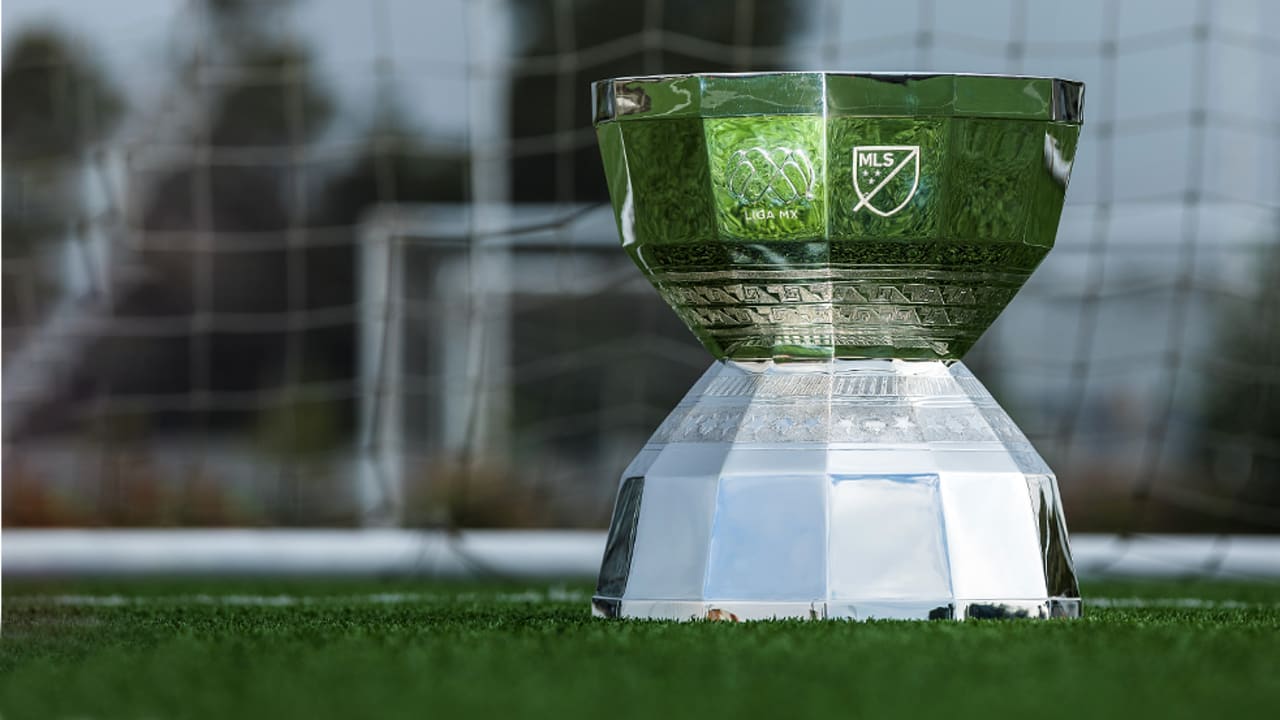
The League Cup trophy itself serves as a potent brand icon. Its distinctive design—sleek, modern, and notably different from the FA Cup’s more traditional aesthetic—communicates a specific aspect of the competition’s brand. It is an aspirational symbol, representing the culmination of a demanding knockout journey. The visual presentation of the trophy at the final, its presence in promotional materials, and the imagery of triumphant captains lifting it are all crucial elements in reinforcing the League Cup’s brand promise of glory. The consistent visual identity of the trophy, despite changes in sponsorship, provides a stable anchor for the brand, ensuring recognition and maintaining a sense of heritage amidst evolving commercial partnerships. It’s a physical manifestation of the brand’s ultimate reward.
Fan Engagement and Experiential Marketing
The League Cup brand thrives on its ability to create memorable experiences for fans. Experiential marketing plays a vital role, particularly around the semi-finals and the grand final at Wembley Stadium. These events are not just football matches; they are carefully orchestrated brand experiences, complete with pre-match entertainment, dedicated fan zones, and extensive digital engagement. The build-up, the drama of the knockout format, and the electric atmosphere of the final contribute to a powerful experiential brand. Marketing initiatives focus on building narratives around underdog stories, rivalries, and the sheer joy of reaching a major final. By fostering an immersive and emotional connection, the League Cup brand ensures strong fan loyalty and consistent viewership, reinforcing its market position as a premier cup competition.
Digital Presence and Brand Storytelling
In the modern era, the League Cup’s digital presence is paramount to its brand strategy. Official websites, social media channels, and dedicated apps serve as crucial platforms for brand storytelling and direct fan engagement. Through compelling content—highlights, behind-the-scenes access, player interviews, and interactive features—the League Cup brand maintains a constant dialogue with its audience. This digital ecosystem allows for the promotion of sponsor activations, the dissemination of real-time information, and the cultivation of a vibrant online community. By leveraging digital platforms, the League Cup brand can extend its reach globally, attracting new followers and solidifying its image as an accessible, dynamic, and fan-centric competition, ensuring its narrative is consistently delivered across all touchpoints.
The League Cup’s Enduring Relevance and Brand Future
The sustained appeal of the League Cup over more than six decades is a testament to its robust brand management. In an increasingly crowded and globalized sports market, maintaining relevance is a continuous challenge that requires strategic foresight and adaptive branding.
Adapting to a Changing Football Landscape
The football landscape is constantly evolving, with new competitions, formats, and commercial models emerging regularly. The League Cup brand has demonstrated a remarkable ability to adapt, ensuring its continued place in the domestic calendar. This includes strategic scheduling adjustments, consideration of format changes (such as single-leg semi-finals in recent years to alleviate fixture congestion), and a willingness to embrace new technologies for broadcasting and fan interaction. Its brand strategy includes a keen awareness of broader trends, such as the increasing importance of global audiences and the demand for engaging digital content. By being proactive rather than reactive, the League Cup brand positions itself as forward-thinking, appealing to contemporary audiences while respecting its traditional fan base.

Sustaining Brand Value in a Competitive Market
Sustaining brand value in a highly competitive market requires ongoing innovation and a clear articulation of the League Cup’s unique value proposition. The brand consistently emphasizes its role as a genuine pathway to silverware and European football for a wide range of clubs, including those outside the traditional “big six.” This democratic aspect is a powerful brand differentiator, appealing to a sense of fair play and opportunity within the football community. Future brand strategies will likely focus on enhancing global reach, deepening digital engagement, and continually refining its commercial partnerships to ensure financial stability. By balancing tradition with modernization and consistently delivering a compelling sporting spectacle, the League Cup brand aims to secure its position as a cherished and relevant competition for generations to come, proving that a well-managed brand can thrive even amidst intense rivalry.
aViewFromTheCave is a participant in the Amazon Services LLC Associates Program, an affiliate advertising program designed to provide a means for sites to earn advertising fees by advertising and linking to Amazon.com. Amazon, the Amazon logo, AmazonSupply, and the AmazonSupply logo are trademarks of Amazon.com, Inc. or its affiliates. As an Amazon Associate we earn affiliate commissions from qualifying purchases.