
Defining Earth’s Surface Features and Their Economic Context
A landform, at its most fundamental, is a natural feature of the solid surface of the Earth. These features comprise the planet’s diverse topography, shaped by geological processes over millennia. While the basic definition might seem purely geographical, the intricate characteristics of landforms profoundly influence economic activity, investment decisions, and financial strategy across various sectors. Understanding “what is a landform” quickly evolves into comprehending its financial implications, revealing how these natural structures are not merely scenic backdrops but critical elements in the global economic landscape.
Geological Processes Shaping the Landscape
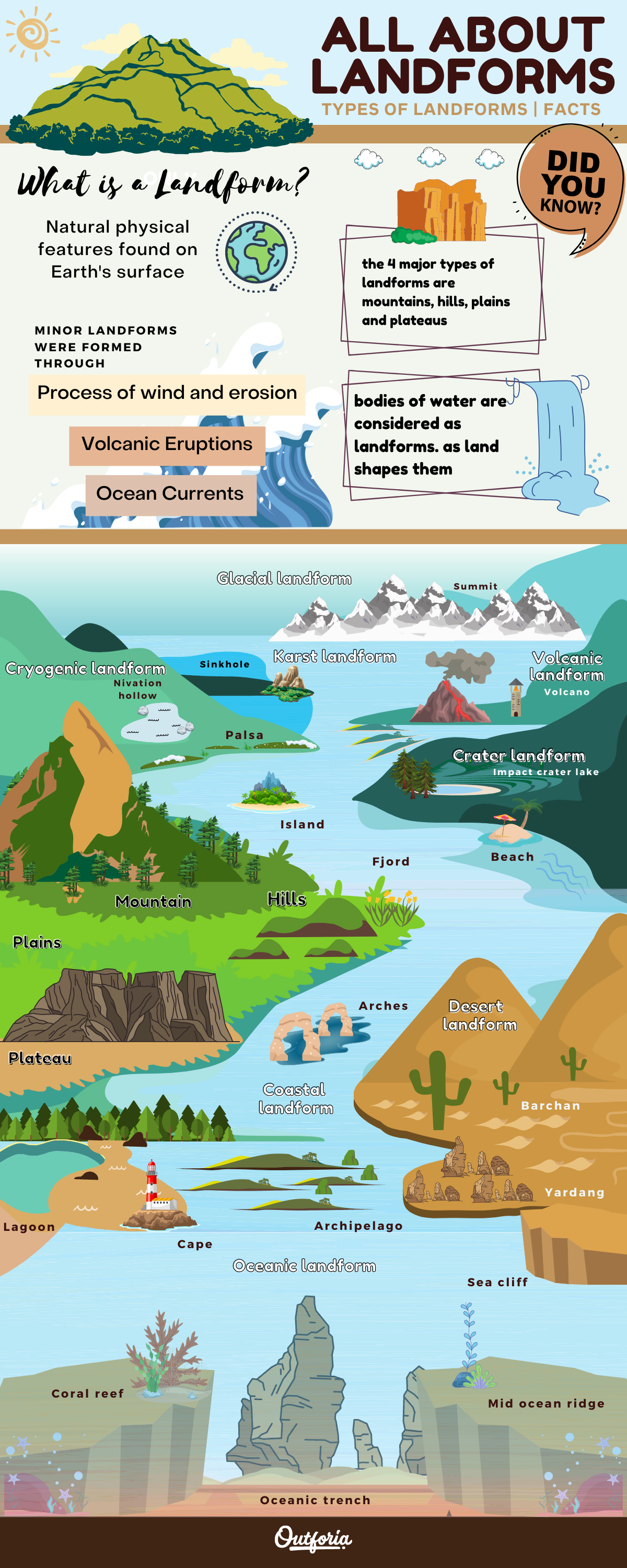
Landforms are dynamic products of two primary categories of geological processes: endogenic and exogenic. Endogenic processes originate from within the Earth, driven by internal heat, and include tectonic plate movements, volcanism, and seismic activity. These forces are responsible for creating major topographic features like mountain ranges, oceanic trenches, and vast plateaus. For instance, the collision of tectonic plates can uplift massive crustal blocks, forming towering peaks that later become sites for mining valuable minerals or drawing significant tourism revenue. Volcanic activity, while posing risks, can create fertile soils ideal for agriculture or unique geological sites that attract eco-tourism investment.
Conversely, exogenic processes operate on the Earth’s surface, driven by external forces such as solar energy and gravity. These include erosion (by water, wind, ice, and gravity), weathering, and deposition. Rivers carve out valleys and deposit rich sediments, creating prime agricultural land. Glaciers sculpt U-shaped valleys and deposit moraines, influencing future land use and development. Wind reshapes deserts into dunes, which can be both a challenge for infrastructure and an asset for unique tourism ventures. The interplay of these forces constantly reshapes the land, altering its utility, accessibility, and ultimately, its financial value.
Categorization of Major Landform Types
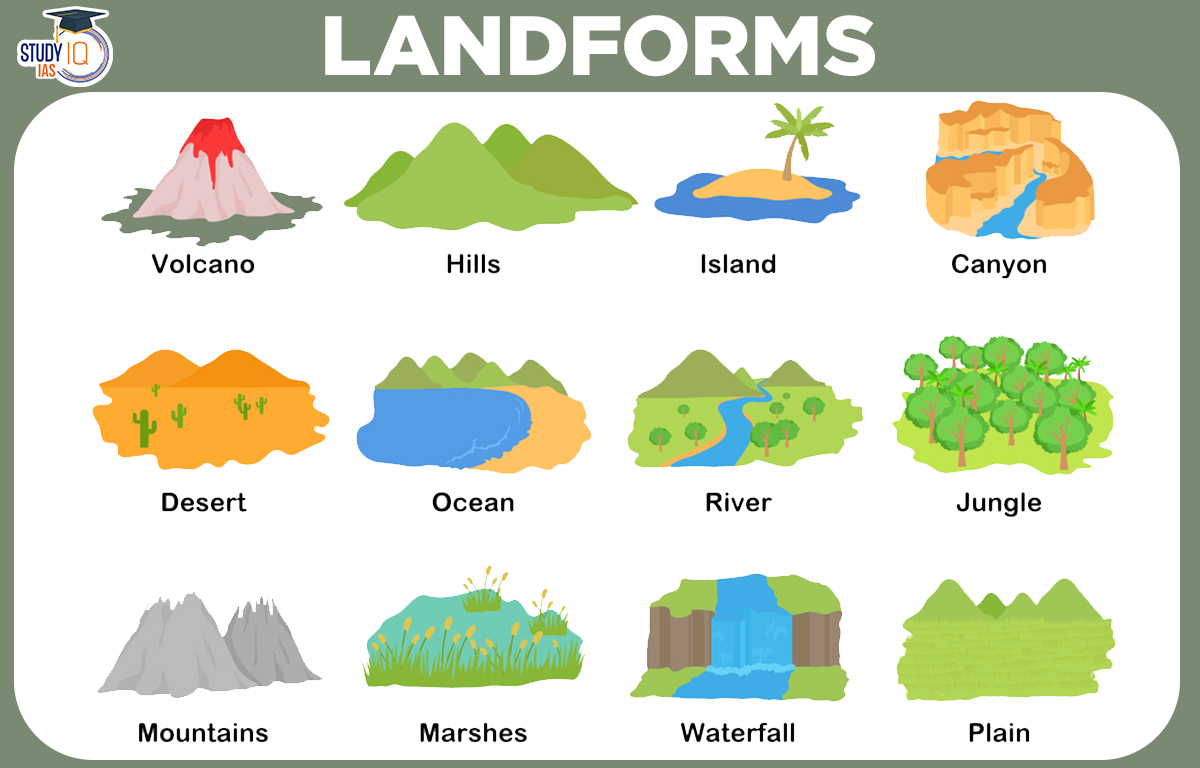
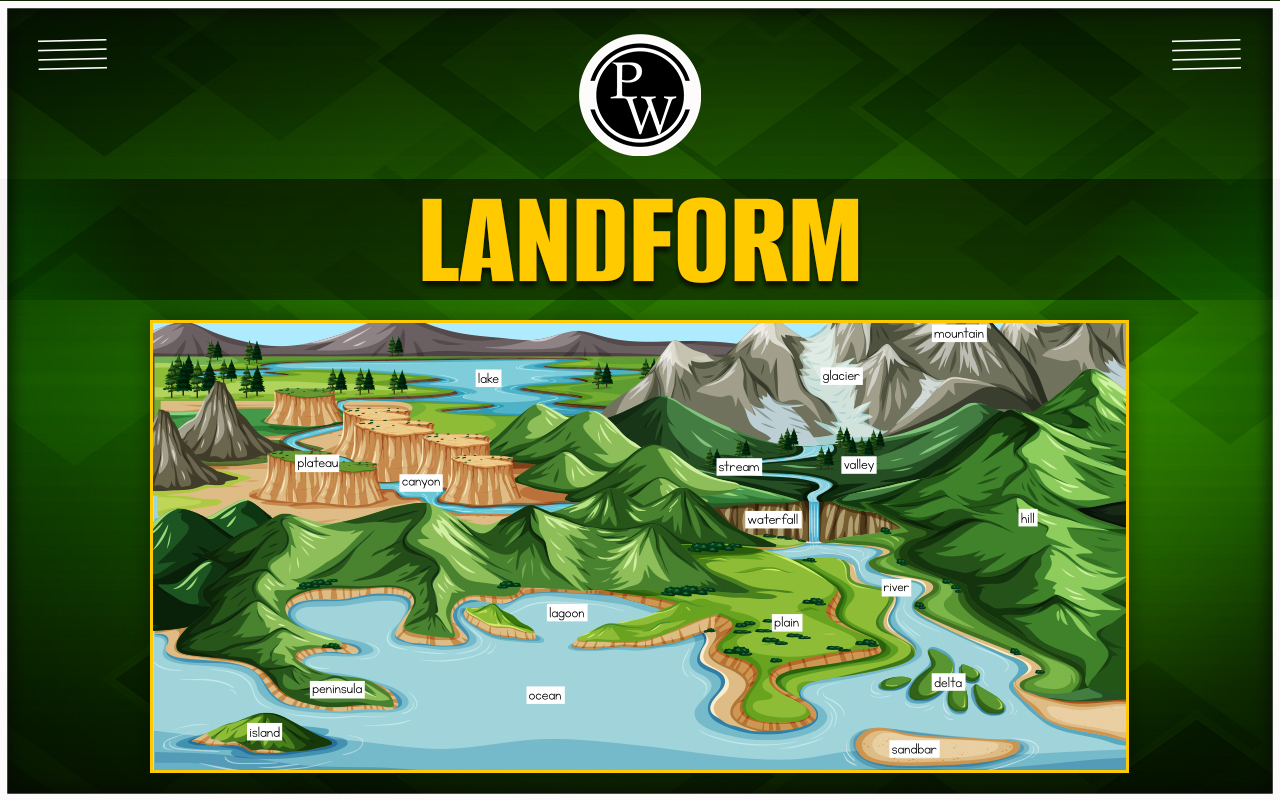
Landforms are broadly categorized into major types, each with distinct characteristics that bear significant economic weight.
- Mountains: Elevated areas with steep slopes, mountains often host valuable mineral deposits (e.g., gold, copper, rare earth elements) driving significant mining investments. Their dramatic landscapes attract adventure tourism, ski resorts, and related hospitality businesses, generating considerable regional income. However, they present challenges for infrastructure development, increasing construction costs for roads, railways, and pipelines.
- Plains: Vast, relatively flat areas, plains are typically highly fertile due to deep, rich soils deposited by rivers or glaciers. They are the backbone of agricultural economies, supporting large-scale farming of staple crops, livestock grazing, and associated agribusiness investments. Their flat topography makes them ideal for urban development, industrial parks, and transportation networks, minimizing construction complexities and costs.
- Plateaus: Elevated flatlands, plateaus often have steep sides and can be arid or semi-arid. They may contain significant mineral resources or provide elevated grazing lands. Their unique geographical characteristics can also be exploited for renewable energy projects, such as wind farms, due to consistent wind patterns.
- Valleys: Low-lying areas often carved by rivers or glaciers, valleys are crucial for water resources, fertile agricultural land, and transportation corridors. River valleys historically served as cradles for civilization and remain vital for agriculture, settlement, and industrial development, often commanding high property values due to their resource richness and connectivity.
- Coastal Features: Including beaches, cliffs, deltas, and estuaries, these landforms are vital for maritime trade, fishing industries, and tourism. Ports built on natural harbors are economic gateways, while sandy beaches drive multi-billion dollar tourism industries. However, coastal areas are also vulnerable to erosion and rising sea levels, necessitating substantial investment in protective infrastructure and presenting significant long-term financial risks.
Each of these landform types, defined by its geological origin and physical attributes, carries a unique economic fingerprint, influencing everything from raw material extraction to property development and tourism investment.
The Financial Footprint of Landforms
The physical attributes of landforms are inextricably linked to their financial value and economic impact. Beyond their aesthetic appeal, landforms dictate resource availability, influence development costs, and shape regional economic specializations.
Landforms as Economic Assets and Liabilities
Specific landforms can represent immense economic assets. Fertile plains are invaluable for agriculture, directly impacting food security and the agribusiness sector. Mountain ranges, while challenging, harbor mineral wealth that fuels global industries and generates significant export revenues. Coastal areas are economic powerhouses, facilitating trade, fishing, and tourism.
Conversely, certain landforms can pose significant liabilities. Steep, unstable slopes increase the risk of landslides, requiring costly mitigation efforts or rendering land unsuitable for development. Floodplains, while often fertile, expose property and infrastructure to recurrent damage, leading to high insurance premiums and recovery costs. Arid deserts, while potentially rich in solar energy, require substantial investment in water and infrastructure to support human habitation or industrial activity. Businesses and investors must conduct thorough due diligence, assessing both the opportunities and the inherent risks presented by specific landforms.
Impact on Property Valuation and Real Estate Markets
Landforms fundamentally shape real estate markets. Property situated on flat, stable land with good drainage, proximity to water bodies, and scenic views often commands premium prices. Conversely, properties on steep, unstable terrain, in flood-prone areas, or far from essential infrastructure due to challenging topography will typically have lower valuations, or require substantial additional investment for site preparation and risk mitigation.
For developers, understanding landforms is crucial for assessing site suitability, calculating excavation and foundation costs, and planning infrastructure like roads, utilities, and drainage systems. A flat, easily accessible parcel of land will have lower development costs than a similar-sized parcel on a steep hillside or in a marshy area, directly affecting profitability and investment returns. Property taxes, insurance premiums, and even mortgage eligibility can all be influenced by the landforms present on a property.
Resource Extraction and Industrial Economies
Many industrial economies are built directly upon the natural resources found within specific landforms. Mountainous regions worldwide are hubs for mining operations, extracting coal, iron ore, copper, gold, and other minerals essential for modern industry. The presence of these resources drives substantial investment in exploration, extraction technology, processing plants, and associated infrastructure.
Oil and gas reserves are often found in specific geological formations beneath plains or offshore continental shelves, leading to massive investments in drilling, pipelines, and refineries. Forests, typically found in diverse landforms from mountain slopes to lowlands, support timber industries. The economic output from these resource-rich landforms directly contributes to national GDP, creates employment, and attracts both domestic and foreign direct investment into these sectors.
Landforms in Business Planning and Investment Strategy
Integrating a comprehensive understanding of landforms into business planning and investment strategy is paramount for long-term financial success and risk management.
Site Selection and Infrastructure Development Costs
For any large-scale business venture—be it manufacturing, logistics, or residential development—site selection is a critical early decision with profound financial implications. Landforms dictate accessibility, the cost of ground preparation, and the feasibility of constructing necessary infrastructure. Building a factory on a stable, level plain near existing transport networks minimizes excavation and foundation costs, streamlining construction timelines and reducing capital expenditure. Attempting to build the same facility on irregular, unstable, or remote terrain can skyrocket costs, delay completion, and introduce unforeseen engineering challenges, potentially eroding profit margins or rendering a project financially unviable. Investors must scrutinize topographic maps, geological surveys, and geotechnical reports to accurately forecast development expenses.
Agricultural Productivity and Food Security Investments
The financial viability of agricultural investments is inherently tied to landforms. Plains with deep, alluvial soils, often formed by ancient rivers, offer optimal conditions for large-scale crop cultivation, yielding higher returns per acre. Valleys provide sheltered environments and access to water resources, making them prime locations for specialized agriculture like vineyards or orchards. Conversely, steep, rocky, or arid landforms require significant investment in terracing, irrigation, or soil amendments to become productive, if at all, increasing operational costs and financial risk. Investment in agricultural land, therefore, heavily relies on understanding the productive capacity and development costs associated with its specific landforms, directly impacting food security and agribusiness profitability.
Tourism, Recreation, and Regional Income Generation
Distinctive landforms are a powerful magnet for tourism and recreation, generating substantial regional income and attracting targeted investments. Iconic mountain ranges draw climbers and skiers, supporting hotels, resorts, and guiding services. Scenic coastlines attract beachgoers, fueling investments in hospitality, water sports, and real estate. Unique geological formations like canyons, caves, or geysers become focal points for eco-tourism and adventure travel, driving investments in national parks, visitor centers, and transportation infrastructure. For investors, identifying areas with attractive landforms and developing appropriate tourism offerings can lead to significant returns, bolstering local economies through job creation and service sector growth.
Mitigating Financial Risks Associated with Landforms
Understanding landforms is not just about leveraging opportunities; it’s also crucial for identifying and mitigating financial risks.
Geohazard Assessment and Insurance Considerations
Specific landforms are prone to geohazards that can cause catastrophic financial losses. Steep slopes are susceptible to landslides and mudslides, especially in areas with seismic activity or heavy rainfall. Floodplains are inherently at risk of inundation, damaging property and disrupting economic activity. Coastal landforms face erosion, storm surges, and the long-term threat of sea-level rise. Businesses and property owners in such areas face higher insurance premiums, potential uninsurability, and the ever-present threat of direct financial loss from disaster. Thorough geohazard assessments are an essential part of due diligence for any investment in land-based assets, influencing capital allocation for risk mitigation measures and contingency planning.
Sustainable Development and Environmental Capital
Landforms also represent immense environmental capital, providing ecosystem services that have tangible economic value, such as water purification by mountain catchments, carbon sequestration by forests on various terrains, and biodiversity support. Over-exploitation or unsustainable development on specific landforms can degrade these services, leading to long-term financial liabilities, regulatory penalties, and reputational damage for businesses. Investing in sustainable practices that preserve natural landforms, such as watershed protection projects or eco-friendly tourism, can yield long-term financial benefits by maintaining environmental capital and attracting environmentally conscious consumers and investors.
Leveraging Landform Data for Financial Advantage
In the modern financial landscape, data-driven decisions are paramount. Geospatial data on landforms offers a powerful tool for financial analysis and strategic investment.
Geospatial Analysis in Investment Due Diligence
Advanced geospatial analysis, utilizing satellite imagery, LiDAR data, and Geographic Information Systems (GIS), allows investors to conduct unprecedented levels of due diligence on potential land-based assets. This technology can map elevation, slope, soil composition, hydrological patterns, and even vegetation cover with high precision. For real estate investors, this means accurately assessing flood risk, foundation stability, and potential development constraints. For agricultural investors, it means identifying the most productive plots and optimizing resource use. For resource extraction companies, it aids in pinpointing optimal exploration sites. Integrating landform data into financial models allows for more accurate valuation, risk assessment, and ultimately, more informed investment decisions.
Future Trends in Land-Based Asset Management
The increasing availability and sophistication of landform data are transforming how land-based assets are managed and valued. Expect to see greater integration of real-time landform monitoring into financial risk management systems, particularly for properties exposed to climate-related hazards. Investment funds may increasingly specialize in assets located on specific advantageous landforms or focus on projects that enhance landform stability and ecological services. The ability to precisely quantify the financial implications of landforms, from their resource potential to their inherent risks, will become a standard component of sophisticated financial analysis, shaping future investment strategies and asset allocation in a world increasingly focused on both economic returns and environmental resilience.
aViewFromTheCave is a participant in the Amazon Services LLC Associates Program, an affiliate advertising program designed to provide a means for sites to earn advertising fees by advertising and linking to Amazon.com. Amazon, the Amazon logo, AmazonSupply, and the AmazonSupply logo are trademarks of Amazon.com, Inc. or its affiliates. As an Amazon Associate we earn affiliate commissions from qualifying purchases.