
The landscape of American real estate has undergone a seismic shift over the last few years. For nearly a decade, prospective homebuyers enjoyed an era of historically low interest rates, reaching floor-level nadirs during the global pandemic. However, as the economic environment shifted toward combatting inflation, the era of “free money” came to a definitive end. Understanding current home interest rates is no longer just about checking a daily ticker; it requires a deep dive into macroeconomic policy, personal financial health, and strategic market timing.
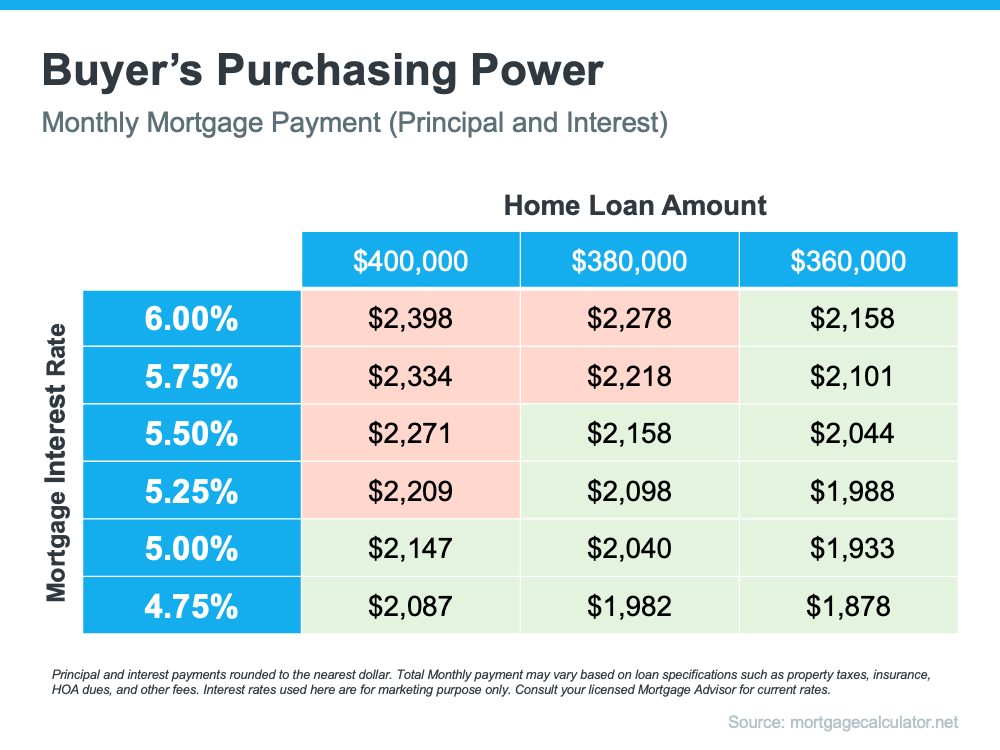
For anyone looking to enter the housing market or refinance an existing property, the interest rate is the single most significant factor determining the long-term cost of borrowing. A difference of just one percentage point can result in hundreds of dollars added to a monthly payment and tens of thousands of dollars in interest over the life of a 30-year loan.
The Macroeconomic Landscape: Why Rates Move
Home interest rates do not exist in a vacuum. They are the product of complex interactions between government policy, investor sentiment, and global economic health. To understand where rates are today, one must look at the forces that push them up or pull them down.
The Role of the Federal Reserve
A common misconception is that the Federal Reserve sets mortgage rates directly. In reality, the Fed sets the “federal funds rate”—the interest rate at which commercial banks borrow from each other overnight. However, mortgage rates are highly sensitive to the Fed’s signals. When the Federal Reserve raises rates to cool an overheating economy or combat inflation, the cost of borrowing increases across the board. Lenders raise mortgage rates to maintain their profit margins and account for the increased cost of capital.
Inflation and the 10-Year Treasury Yield
Mortgage rates are most closely tied to the yield on the 10-year U.S. Treasury note. When inflation is high, the purchasing power of the future interest payments on a mortgage is diminished. Consequently, investors demand higher yields to compensate for that risk. If the bond market anticipates long-term inflation, the 10-year Treasury yield rises, and mortgage rates almost always follow suit. Tracking the spread between the 10-year yield and the average 30-year fixed mortgage provides a clear picture of the current “risk premium” lenders are charging.
Economic Growth and Housing Demand
In a booming economy, demand for credit increases. Businesses want to expand, and consumers want to buy homes. This increased demand for loans can drive interest rates higher. Conversely, during an economic slowdown or recession, the Federal Reserve may lower rates to stimulate borrowing, and a lack of demand in the housing market may force lenders to offer more competitive, lower rates to attract the few remaining buyers.
Factors Within Your Control: Personal Finance and Your Mortgage Rate
While macroeconomic trends set the baseline for interest rates, the specific rate a lender offers an individual is determined by their unique financial profile. Even in a “high-rate” environment, well-prepared borrowers can secure significantly better terms than the national average.
The Power of the Credit Score
Your credit score is the primary tool lenders use to assess risk. Borrowers with “Excellent” credit (typically 740 to 850) are viewed as low-risk and are rewarded with the lowest available interest rates. Conversely, those with scores in the “Fair” or “Poor” range may face rates that are 1% to 2% higher, or they may be required to pay “points” upfront to secure the loan. Maintaining a clean credit history, keeping credit utilization low, and avoiding new debt before a home purchase are essential steps in lowering your personal interest rate.
Debt-to-Income (DTI) Ratios and Down Payments
Lenders also look at your Debt-to-Income (DTI) ratio—the percentage of your gross monthly income that goes toward paying debts. A lower DTI indicates that you have the financial “breathing room” to take on a mortgage, which can lead to better rate offers. Furthermore, the size of your down payment acts as a safety net for the lender. A 20% down payment eliminates the need for Private Mortgage Insurance (PMI) and often unlocks lower interest rate tiers because the borrower has significant “skin in the game.”
Loan-to-Value (LTV) Considerations
The LTV ratio compares the amount of the loan to the appraised value of the property. If you are buying a home for $400,000 and putting down $80,000, your LTV is 80%. As this ratio decreases, the risk to the lender decreases. In high-rate environments, increasing your down payment by even 5% can sometimes move you into a different risk category, resulting in a more favorable interest rate.
Navigating Different Loan Types and Their Interest Implications
Not all mortgages are created equal. The type of loan product you choose can have a dramatic impact on the interest rate you are quoted and how that rate behaves over time.

Fixed-Rate vs. Adjustable-Rate Mortgages (ARMs)
The 30-year fixed-rate mortgage is the gold standard of American home finance, offering predictability and protection against future rate hikes. However, in periods of high interest rates, many borrowers turn to Adjustable-Rate Mortgages (ARMs). An ARM typically offers a lower initial interest rate for a set period (such as 5, 7, or 10 years). After that, the rate adjusts periodically based on market indexes. For buyers who plan to sell or refinance within a few years, an ARM can provide significant monthly savings, though it carries the risk of higher payments in the future.
Government-Backed Loans: FHA, VA, and USDA
For those who may not qualify for conventional financing, government-backed loans offer an alternative path. FHA (Federal Housing Administration) loans often have lower interest rates than conventional loans for borrowers with lower credit scores, though they come with mandatory mortgage insurance premiums. VA (Veterans Affairs) loans, available to service members and veterans, frequently offer some of the most competitive rates on the market with the added benefit of no down payment requirement.
Conforming vs. Jumbo Loans
The size of the loan also dictates the rate. “Conforming” loans adhere to the limits set by Fannie Mae and Freddie Mac. Loans that exceed these limits are known as “Jumbo” loans. Because Jumbo loans cannot be easily sold to the government-sponsored enterprises, they represent higher risk for lenders. Interestingly, depending on market liquidity, Jumbo rates can sometimes be lower or higher than conforming rates, making it vital for high-end buyers to compare these products carefully.
Market Psychology: Timing Your Home Purchase
Deciding when to buy a home involves a complex calculation of market timing and personal readiness. The phrase “marry the house, date the rate” has become a popular mantra in recent years, suggesting that buyers should purchase the home they want now and plan to refinance when rates eventually drop.
The “Buy Now vs. Wait” Debate
Waiting for interest rates to fall can be a double-edged sword. If rates drop significantly, a flood of buyers may enter the market, driving up home prices through increased competition. In many cases, the increase in the home’s purchase price can outweigh the savings gained from a lower interest rate. Conversely, buying in a high-rate environment often means less competition and more room for price negotiation with sellers, which can result in a lower base price for the asset.
Inventory Challenges and Competition
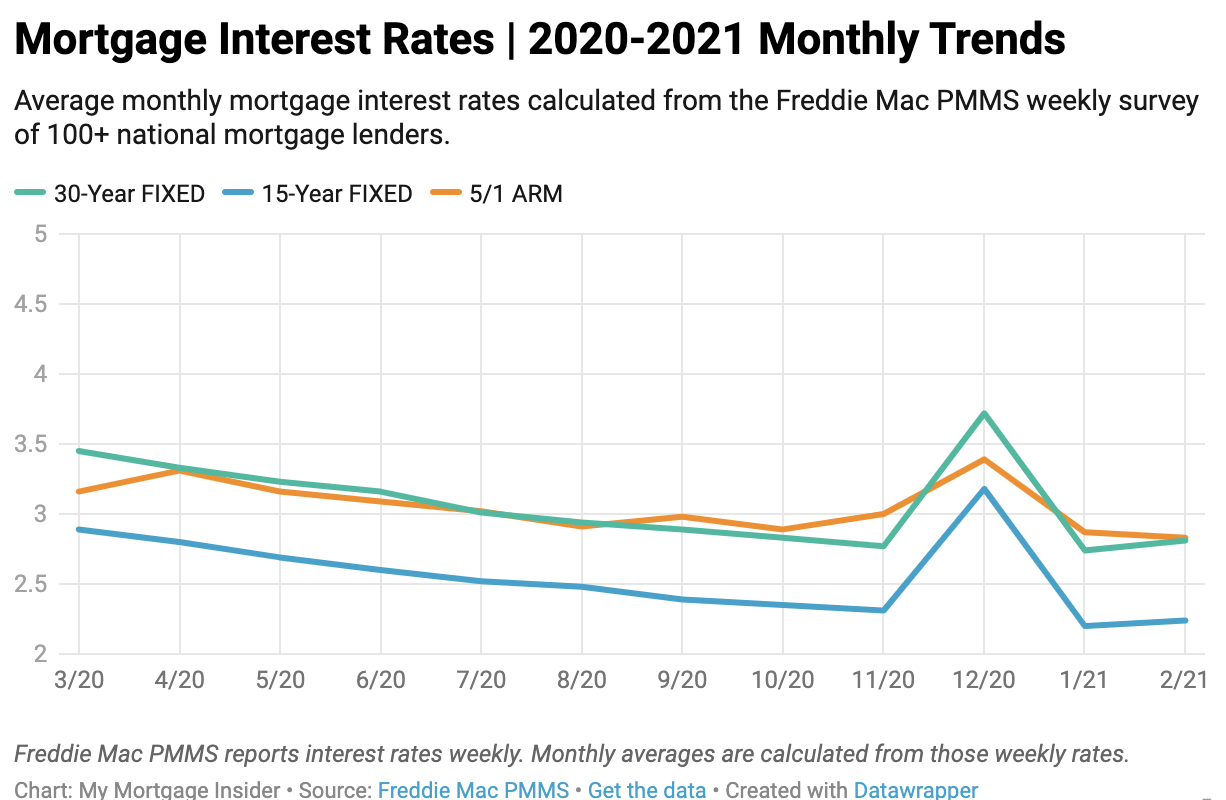
Current interest rates also affect the supply side of the market. Many current homeowners are “locked in” to very low rates from the 2020-2021 era. For these homeowners to move, they would have to trade a 3% rate for a 7% rate, which creates a “lock-in effect” that reduces housing inventory. When inventory is low, home prices remain resilient even if interest rates are high, creating a challenging environment for first-time buyers.
Practical Strategies to Secure a Lower Rate
Securing the best possible interest rate requires more than just good credit; it requires active participation in the lending process and an understanding of the tools available to you.
Shopping Multiple Lenders
One of the most common mistakes homebuyers make is only getting a quote from their primary bank. Studies have shown that borrowers who get at least three quotes can save thousands of dollars over the life of their loan. Different lenders—ranging from credit unions to online mortgage companies—have different “appetites” for risk and may offer varying rates for the same borrower profile.
Understanding Mortgage Points (Buy-downs)
“Points” are upfront fees paid to the lender at closing in exchange for a lower interest rate. One point typically costs 1% of the total loan amount and reduces the interest rate by approximately 0.25%. This is a “prepayment” of interest. For buyers who plan to stay in their home for a long time (10+ years), paying points can be a mathematically sound investment. However, if you plan to refinance or sell in the near future, the upfront cost may not be recovered.
The Importance of a Rate Lock
Interest rates fluctuate daily, and sometimes hourly. Once you have found a home and reached an agreement with a lender, it is crucial to “lock in” your rate. A rate lock guarantees your quoted interest rate for a specific period (usually 30 to 60 days) while your loan is processed. This protects you from market volatility that could occur between the time you apply and the time you close the deal.
Conclusion: Navigating the Future of Finance
While the “current” home interest rate is always a moving target, the fundamentals of personal finance remain constant. We are currently in a transition period where the markets are adjusting to a new normal of moderate-to-high rates compared to the previous decade. For the savvy investor or homebuyer, success in this environment depends on a holistic view of the economy and a meticulous approach to personal financial management.
By understanding the macroeconomic drivers, optimizing your credit profile, choosing the right loan product, and using strategic tools like rate locks and points, you can navigate the complexities of interest rates with confidence. The goal is not necessarily to find the lowest rate in history, but to find the best rate available for your specific situation, ensuring that your home remains a source of wealth and stability rather than a financial burden.
aViewFromTheCave is a participant in the Amazon Services LLC Associates Program, an affiliate advertising program designed to provide a means for sites to earn advertising fees by advertising and linking to Amazon.com. Amazon, the Amazon logo, AmazonSupply, and the AmazonSupply logo are trademarks of Amazon.com, Inc. or its affiliates. As an Amazon Associate we earn affiliate commissions from qualifying purchases.