
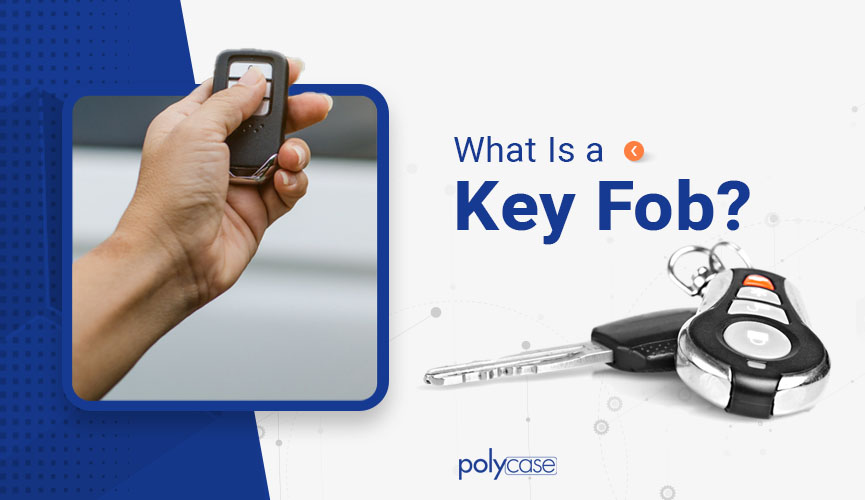
A key fob, often simply called a fob, is a small security hardware device with built-in authentication used to control access to a network service or a physical location. While the term “key fob” historically referred to a small ornament attached to a keyring, in the modern technological landscape, it almost exclusively denotes an electronic device. These devices leverage various forms of wireless communication to perform tasks such as locking and unlocking car doors, granting entry to buildings, or even authenticating digital transactions. Far more than mere trinkets, modern key fobs represent a significant leap in convenience, security, and the ongoing integration of technology into daily life.
The Evolution and Core Functionality of Key Fobs
The concept of remote access has roots tracing back to early garage door openers, but the integration of this technology into personal vehicles marked a pivotal moment. Initially, remote entry systems were a luxury, a convenience that offered a glimpse into a future where physical keys might become supplementary rather than primary.
Early Remote Entry Systems
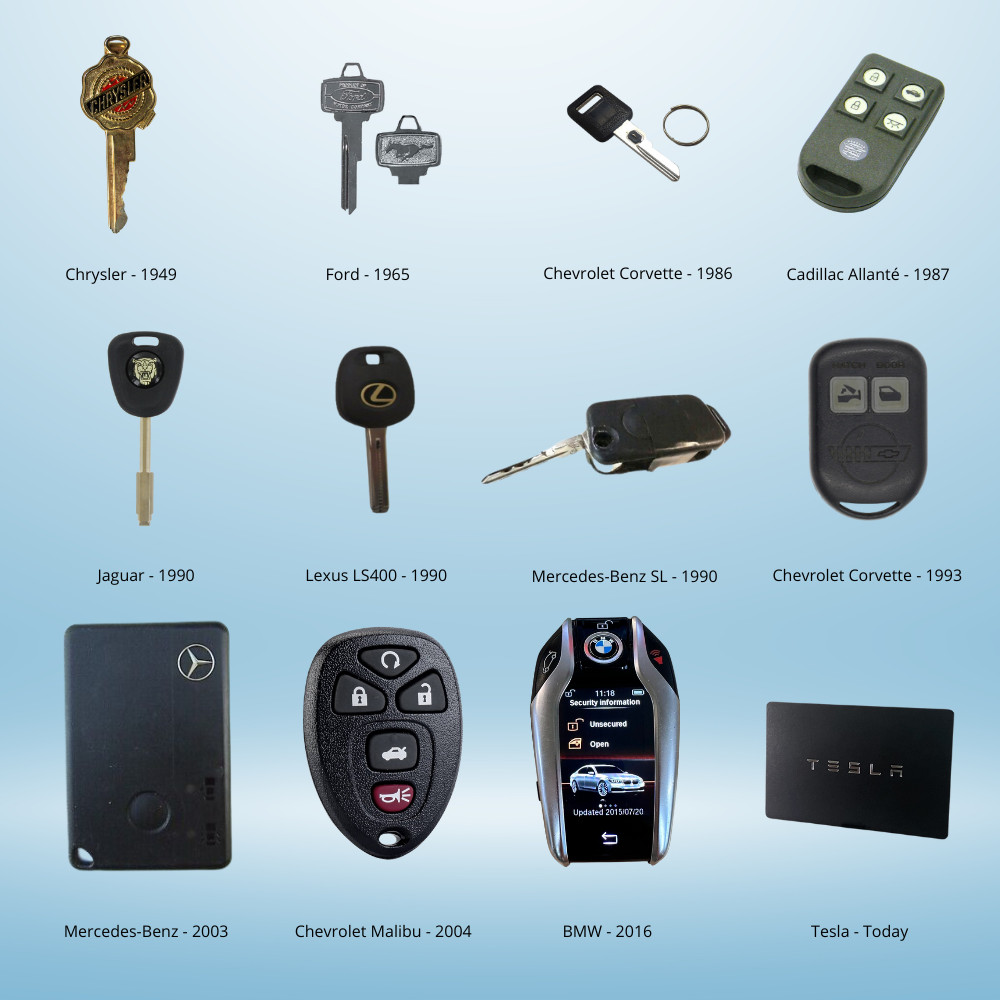
The earliest electronic key fobs for vehicles emerged in the 1980s, offering basic remote locking and unlocking capabilities. These initial iterations typically employed infrared (IR) technology, similar to a television remote control. This meant a line of sight was required between the fob and the car’s receiver, limiting their practicality and range. Despite these limitations, they introduced a revolutionary level of convenience, eliminating the need to manually insert a key into a door lock. As technology progressed, IR was gradually replaced by radio frequency (RF) signals, which offered a greater range, eliminated the line-of-sight requirement, and allowed for more robust security protocols. This shift laid the groundwork for the versatile fobs we recognize today.
Beyond Simple Locking: Integrated Systems
Modern key fobs have transcended simple door controls. Today’s automotive fobs, for instance, often feature keyless ignition systems (push-button start), remote engine start, trunk release, panic buttons, and even the ability to summon a vehicle from a parking spot. In commercial and residential settings, fobs serve as digital credentials for access control systems, replacing traditional keys and swipe cards. They can be programmed to grant access to specific areas at specific times, offering granular control and an audit trail of entry and exit. This integration of multiple functionalities into a single, compact device highlights the ongoing effort to streamline interactions and enhance both convenience and security across diverse applications.
Dissecting Key Fob Technology
At the heart of every electronic key fob lies a sophisticated array of components and communication protocols designed for reliability, security, and efficiency. Understanding these underlying technologies provides insight into their widespread adoption and continued evolution.
Radio Frequency Identification (RFID) and Near Field Communication (NFC)
Many modern key fobs operate using principles of Radio Frequency Identification (RFID). This technology uses electromagnetic fields to automatically identify and track tags attached to objects. In a key fob, a small RFID chip contains a unique identifier. When the fob is within range of a reader, the reader emits radio waves that energize the chip, causing it to transmit its data back to the reader. This data is then authenticated by the system, granting or denying access.
Near Field Communication (NFC) is a specialized subset of RFID, operating over very short distances (typically a few centimeters). NFC-enabled fobs require closer proximity to a reader, enhancing security by reducing the risk of signal interception over a distance. This technology is commonly found in building access control systems, public transit cards, and increasingly in smartphone-based digital key systems. Both RFID and NFC facilitate seamless, touchless interactions, forming the backbone of many access and authentication systems.
Cryptography and Security Protocols
Security is paramount for devices designed to grant access. Key fobs employ advanced cryptographic techniques to prevent unauthorized duplication or signal interception. When a button is pressed on a car fob, for example, it doesn’t just send a static code. Instead, it generates a rolling code (or “hopping code”) using a complex algorithm. Each time the button is pressed, a new, unique code is transmitted. The car’s receiver expects this specific sequence, and if an incorrect code is received, access is denied. This dynamic encryption prevents “grabber” devices from simply recording and replaying the unlock signal.
Similarly, access control fobs for buildings often use encrypted credentials that are constantly challenging and validating with the reader. These systems incorporate robust encryption standards (such as AES – Advanced Encryption Standard) and secure key exchange protocols to ensure that only authorized fobs can communicate effectively with the access system. The continuous improvement of these security protocols is critical in thwarting increasingly sophisticated attempts at digital theft and unauthorized entry.
Power Sources and Durability
The compact nature of key fobs necessitates efficient power sources, typically small, long-lasting lithium coin-cell batteries (e.g., CR2032, CR2025). These batteries are chosen for their high energy density and slow self-discharge rate, allowing fobs to function for several years before needing replacement. Many modern fobs also incorporate power-saving features, such as entering a low-power “sleep” mode when not in use.
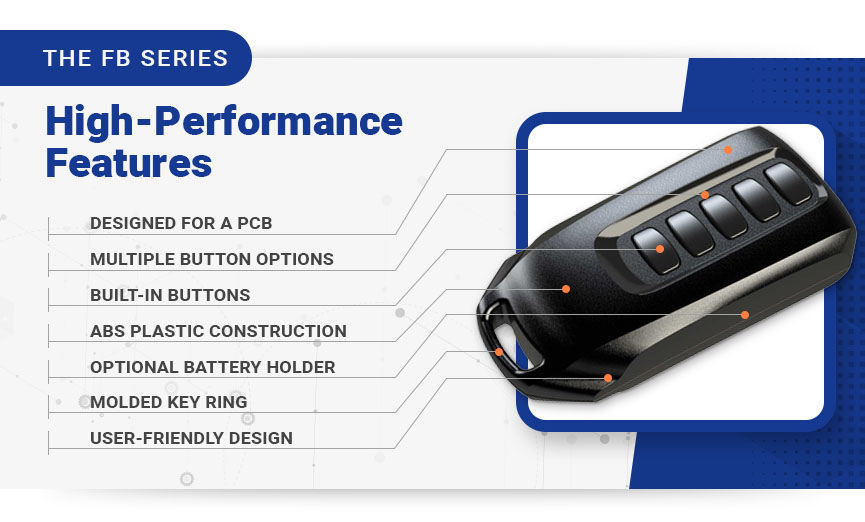
Beyond electronics, the physical design of a key fob is engineered for durability. Encased in robust plastics, they are designed to withstand daily wear and tear, accidental drops, and exposure to minor environmental elements. Manufacturers prioritize materials that offer impact resistance and, in some cases, water resistance, ensuring the longevity and reliability of the device in various user scenarios.
Diverse Applications Across Industries
The utility of key fobs extends far beyond the automotive sector, permeating various industries where secure, convenient, and trackable access is critical. Their versatility makes them an indispensable tool in modern technological ecosystems.
Automotive Sector: Convenience and Security
The automotive industry remains a primary domain for key fob technology. Beyond remote locking and unlocking, advanced fobs facilitate keyless entry by sensing proximity, allowing doors to unlock automatically when the fob is nearby. Push-button start systems eliminate the need to insert a key into the ignition, requiring only the fob to be present inside the vehicle. Remote engine start allows owners to warm up or cool down their vehicles before entry, while integrated panic buttons provide an immediate security alert. Furthermore, some high-end fobs can store driver profiles, automatically adjusting seat positions, mirror settings, and climate control preferences upon detecting a specific fob, enhancing personalized convenience.
Access Control: Buildings and Restricted Areas
In commercial, residential, and institutional environments, key fobs serve as a fundamental component of electronic access control systems. Replacing traditional metal keys with programmable electronic fobs offers enhanced security and manageability. Facilities managers can easily program fobs to grant access to specific doors, floors, or time windows, revoking access instantly if a fob is lost or an individual leaves the organization. This provides an audit trail of entry and exit, significantly improving security oversight and operational efficiency compared to mechanical key systems. From corporate offices and university campuses to gyms and private residences, fobs streamline entry while maintaining stringent security protocols.
Smart Home Integration and IoT
As smart home technology advances, key fobs are increasingly becoming part of integrated home automation ecosystems. Certain smart locks can be paired with fobs, allowing for keyless entry that can be monitored and controlled via smartphone apps. Beyond simple entry, some fobs can trigger specific smart home routines—for example, unlocking the front door and simultaneously turning on lights, adjusting the thermostat, and disarming the security system upon arrival. This seamless integration showcases their role as physical interfaces for the Internet of Things (IoT), enhancing both convenience and the personalized automation of living spaces.
Asset Tracking and Inventory Management
While less common than access control, similar RFID-based fob technology finds applications in asset tracking and inventory management. Ruggedized fobs or tags can be attached to valuable equipment, tools, or containers, allowing businesses to track their location and movement within a facility or across a supply chain. This helps prevent loss, optimize logistics, and improve efficiency in industries ranging from manufacturing to healthcare. The ability to quickly locate and identify assets through an automated system significantly reduces manual labor and improves operational accuracy.
The Future of Key Fob Technology
The trajectory of key fob technology points towards greater integration, enhanced security, and a continued shift towards digital solutions. The emphasis will remain on creating seamless, intuitive, and highly secure user experiences.
Biometrics and Advanced Authentication
The next generation of key fobs is likely to incorporate more advanced biometric authentication methods. Imagine fobs that include miniature fingerprint scanners or even facial recognition sensors, adding an extra layer of security beyond simply possessing the device. This multi-factor authentication would significantly reduce the risk of unauthorized access, even if a fob were stolen. The integration of such technologies would ensure that only the authorized user, not just the authorized device, can grant access.
Digital Keys and Smartphone Integration
The trend towards digital keys, primarily managed through smartphones, is gaining significant momentum. Many car manufacturers now offer apps that allow a smartphone to function as a fully digital key, leveraging NFC, Bluetooth Low Energy (BLE), and ultra-wideband (UWB) technologies for secure communication. These digital keys can be shared remotely, offer customizable access levels, and provide advanced telemetry. While physical fobs may not disappear entirely due to their reliability and dedicated nature, their role may evolve, potentially becoming a backup or an option for users who prefer a physical device. The smartphone, however, is poised to become the central hub for managing and utilizing digital access credentials across various domains.
Enhanced Personalization and Data Security
Future key fobs and digital key systems will offer even greater personalization. Beyond adjusting car settings, they might interface with smart environments to adapt preferences (e.g., lighting, music) upon entry into different zones. Concurrently, data security will remain a critical focus. As fobs become more integrated and handle sensitive personal data, robust encryption, secure element technology, and privacy-by-design principles will be paramount to protect user information and ensure the integrity of access systems against increasingly sophisticated cyber threats. The goal is to create a secure, personalized, and effortlessly integrated access experience that adapts to the user’s needs and environment.
aViewFromTheCave is a participant in the Amazon Services LLC Associates Program, an affiliate advertising program designed to provide a means for sites to earn advertising fees by advertising and linking to Amazon.com. Amazon, the Amazon logo, AmazonSupply, and the AmazonSupply logo are trademarks of Amazon.com, Inc. or its affiliates. As an Amazon Associate we earn affiliate commissions from qualifying purchases.