
The Unmistakable Brand Identity: A Taste of Infamy
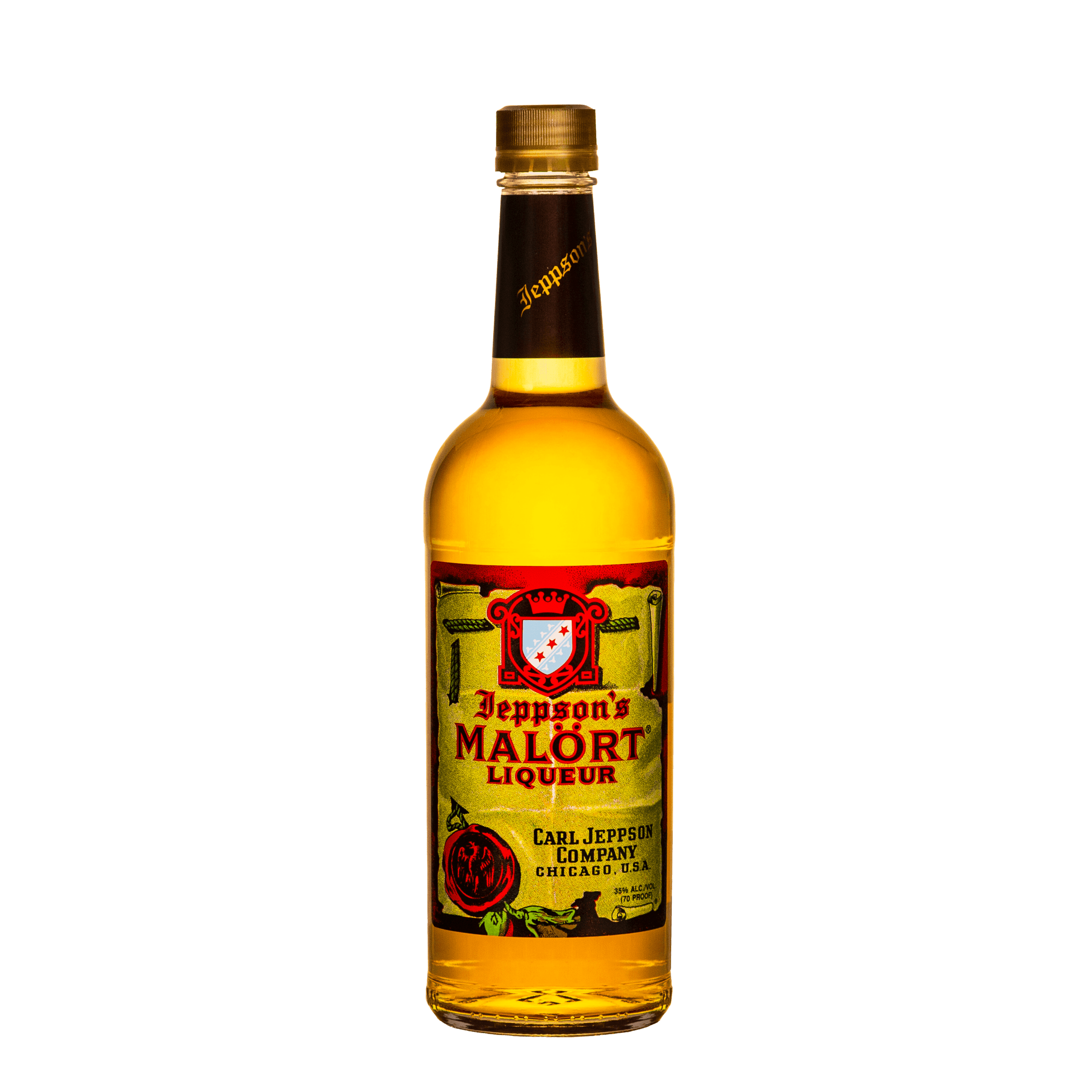
Jeppson’s Malort is far more than just a spirit; it is a brand phenomenon built upon a foundation of singular, unwavering identity. At its core, Malort is a bitter, wormwood-based Swedish-style schnapps, notorious for its intensely polarizing flavor. This distinct taste is not a flaw to be masked, but rather the very cornerstone of its brand identity, deliberately crafted and celebrated. The brand has cultivated an almost mythical status, particularly within its ancestral home of Chicago, becoming synonymous with challenge, initiation, and an acquired taste that few truly acquire. Understanding Malort requires looking beyond the liquid in the bottle and into the intricate web of lore, experience, and deliberate anti-marketing that defines its powerful brand presence.
The Elixir of Bitterness: Flavor Profile as a Core Brand Element
For most spirits, the goal is often to achieve smoothness, complexity, or broad appeal. Jeppson’s Malort, however, defies these conventions entirely. Its flavor profile is dominated by the bracing, often medicinal bitterness derived from wormwood (Artemisia absinthium), gentian root, and other botanicals. This is not a subtle bitterness; it hits the palate with an almost shocking intensity, lingering with a unique, almost industrial aftertaste that can evoke descriptors ranging from “grapefruit pith” to “pencil shavings” or even “actual regret.” The brand embraces this divisive character completely. Rather than attempting to soften its edges, Malort’s marketing, often subtle and meme-driven, highlights this very challenge. The flavor isn’t just a characteristic of the product; it is the product’s most salient brand message, creating an immediate, unforgettable, and highly shareable experience. This deliberate focus on an extreme taste positions Malort as an outlier, a brand for those who seek something genuinely different, even if that difference is discomfort.
Chicago’s Liquid Legacy: Geographical Roots and Local Lore
The brand’s identity is inextricably linked to Chicago. Malort’s story began with Carl Jeppson, a Swedish immigrant who brought his family recipe for “Malört” (Swedish for “wormwood”) to Chicago in the 1930s. He started selling it door-to-door, and its popularity among the city’s Swedish immigrant community grew, primarily for its supposed medicinal properties as a digestive aid. This historical context imbues the brand with a profound sense of authenticity and heritage. For decades, Malort remained largely a Chicago secret, a local curiosity found in dive bars and celebrated by those in the know. This strong geographical association not only anchors the brand in a specific cultural context but also contributes to its mystique. It’s not just a drink; it’s a piece of Chicago history, a local rite of passage, and a brand that truly understands and leverages its origins. This localized authenticity deepens consumer connection, transforming the spirit from a mere beverage into a cultural artifact with a story passed down through generations of Chicagoans.
The Paradoxical Marketing Playbook: Embracing the “Awful”
In a world where brands strive for universal appeal and positive sentiment, Jeppson’s Malort has masterfully executed an “anti-marketing” strategy, turning its perceived shortcomings into its greatest assets. Its brand narrative leans heavily into the idea that it’s challenging, perhaps even “awful,” yet this very characteristic fuels its virality and cult status. This unconventional approach has proven to be incredibly effective, carving out a unique and unforgettable niche in the crowded spirits market.
Anti-Marketing as a Brand Strategy
Traditional spirits marketing emphasizes luxury, smoothness, enjoyment, and sophistication. Malort, by contrast, thrives on self-deprecation and honesty about its intense flavor. Its brand messaging often playfully acknowledges its harshness, creating a self-aware humor that resonates with consumers weary of overly polished brands. Promotional materials, when they exist, tend to be understated and often highlight the “first shot” experience rather than the joy of consumption. This strategy works because it sets clear, albeit low, expectations, turning what might be a negative into a differentiator. By openly admitting that Malort is not for everyone, the brand paradoxically attracts a curious, adventurous, and often rebellious audience. This “anti-brand” approach fosters a sense of authenticity and transparency that many modern consumers crave, positioning Malort as a brand that doesn’t take itself too seriously, inviting others to do the same.
Word-of-Mouth Amplification: The Power of Shared Misery (and Mirth)
The challenging nature of Malort is its most powerful marketing tool, primarily driving word-of-mouth promotion. The initial experience of tasting Malort is often so visceral and memorable that it compels people to share it, both in person and online. The phenomenon of the “Malort Face”—the contorted expression of surprise, disgust, and eventual acceptance after the first shot—has become an internet meme and a celebrated part of the brand’s identity. This visual representation of the Malort experience is inherently shareable, fueling conversations and drawing new curious drinkers. Friends introduce friends to Malort as a dare, a rite of passage, or a unique bonding experience. This organic, user-generated content and experiential marketing are far more impactful than traditional advertising, as it comes from trusted sources and taps into the human desire for shared experiences, particularly those that involve a bit of a challenge or discomfort. The brand thrives on this cycle of introduction, reaction, and sharing, creating a self-sustaining marketing loop.
Cult Following and Community: Building Brand Loyalty Through Shared Experience
Beyond its peculiar taste and clever marketing, Jeppson’s Malort has fostered a remarkably strong cult following and a vibrant community. This deep engagement transforms casual drinkers into loyal advocates, illustrating how a brand can build immense equity by cultivating a sense of belonging and shared identity.

From Niche Curiosity to Cultural Icon
For decades, Malort was a quintessential Chicago institution, a local legend whispered about in dive bars and known primarily to residents. However, aided by its unique flavor and the rise of social media, Malort transcended its geographical confines to become a national, if not international, cultural icon. This transition wasn’t accidental; it was facilitated by the very polarizing nature of the drink itself. Its unpalatability made it stand out, prompting articles, videos, and discussions that amplified its mythos. Today, Malort is recognized far beyond Chicago, appearing on bar menus across the country and becoming a fixture in discussions about unusual spirits. This journey from niche curiosity to a widely recognized, albeit still challenging, brand demonstrates the power of a truly distinctive brand identity that encourages conversation and fosters a unique sense of belonging among its consumers.
The Malort “Initiation”: Branding Through Experiential Marketing
Drinking Malort is rarely a solitary, contemplative act. Instead, it’s often an initiation, a social ritual. Introducing someone to Malort is an event, complete with anticipatory warnings, observation of the “Malort Face,” and the shared laughter that follows. This experiential aspect is a cornerstone of Malort’s brand building. It’s not merely about consuming a product; it’s about participating in a unique social experience that creates lasting memories and shared anecdotes. Bars often feature “Malort Challenge” posters or offer special Malort shots, further embedding this ritualistic aspect into its brand presence. This focus on experience over pure taste builds a stronger, more emotional connection with the brand. Consumers aren’t just buying a bottle; they are buying into a story, a challenge, and a shared moment. This powerful form of experiential marketing bypasses traditional advertising, relying instead on direct, memorable encounters to solidify brand loyalty and community membership.
Strategic Niche Positioning: Dominating the Undrinkable Market
Jeppson’s Malort’s enduring success is a masterclass in strategic niche positioning. By refusing to conform to mainstream expectations, it has carved out and now dominates a unique market segment, proving that a brand doesn’t need to appeal to everyone to thrive. Its power lies in its deliberate creation of a distinct space within the spirits industry.
Crafting a Unique Market Space
Most spirits brands aim for mass appeal, attempting to create products that are palatable to a broad audience. Malort does the opposite. By leaning into its extreme bitterness, it effectively created its own category: the “love-it-or-hate-it” spirit that’s more about the experience than pure enjoyment. This strategy avoids direct competition with established categories like whiskey, vodka, or gin, where market saturation is high and differentiation is difficult. Instead, Malort appeals to a specific segment of consumers: those looking for novelty, a challenge, or simply something that stands out from the crowd. It also appeals to those who appreciate a brand that is authentic and unapologetically itself, even if that self is a bit abrasive. This highly focused niche positioning allows Malort to be the undisputed leader in its unique segment, fostering a dedicated consumer base that values its distinctiveness above all else.
Sustaining the Brand Mythos
Maintaining a strong brand identity, especially one as idiosyncratic as Malort’s, requires consistent messaging and a commitment to its core values. Malort achieves this through various subtle yet powerful means. Its packaging remains relatively simple and classic, evoking its historical roots without attempting to modernize or soften its image. The brand’s occasional social media presence often features humor that plays directly on its notorious flavor, reinforcing its “anti-brand” persona. Furthermore, the brand has historically avoided extensive, polished marketing campaigns, preferring to let its legend grow organically through word-of-mouth and genuine consumer engagement. This sustained commitment to its original identity, flavor, and lore ensures that the brand mythos remains strong and consistent. It prevents Malort from becoming a diluted, generic product, preserving its unique appeal and reinforcing its position as a truly iconic and distinctive spirit.
Lessons in Brand Resilience and Authenticity
The journey of Jeppson’s Malort from a local Chicago curiosity to a globally recognized cult brand offers invaluable insights into the power of authenticity and brand resilience. Its success defies conventional marketing wisdom, providing a compelling case study for brands seeking to make a lasting impact.
The Enduring Power of a Distinctive Brand Voice
Malort’s refusal to compromise its identity, even in the face of its perceived unpleasantness, is a testament to the enduring power of a distinctive brand voice. In a marketplace often saturated with brands striving for broad appeal, Malort stands out precisely because it embraces its narrow, polarizing nature. This commitment to its unique character has allowed it to build an identity that is instantly recognizable and deeply memorable. Its distinct voice—often humorous, self-aware, and unapologetic—resonates with consumers who are tired of bland, generic brands. This authenticity fosters a sense of trust and connection, turning initial curiosity into genuine brand loyalty. Malort demonstrates that being true to one’s brand, even if that means being an acquired taste, can be a far more effective strategy than attempting to please everyone.
Beyond the Buzz: Long-Term Brand Equity
While many brands achieve temporary buzz through novelty, Malort has successfully transitioned from a local oddity to a brand with significant long-term equity. Its continued relevance and growth are not just due to its initial shock value, but rather its consistent ability to deliver on its brand promise – a unique, challenging, and memorable experience. By fostering a strong community, leveraging organic word-of-mouth, and maintaining an authentic, distinctive voice, Malort has built a brand that transcends mere product sales. It represents a cultural touchstone, a shared experience, and a symbol of unapologetic individuality. Its success serves as a powerful reminder that in the crowded landscape of consumer goods, a brand that dares to be truly different, and embraces that difference wholeheartedly, can cultivate not just customers, but dedicated evangelists, ensuring its legacy for years to come.
aViewFromTheCave is a participant in the Amazon Services LLC Associates Program, an affiliate advertising program designed to provide a means for sites to earn advertising fees by advertising and linking to Amazon.com. Amazon, the Amazon logo, AmazonSupply, and the AmazonSupply logo are trademarks of Amazon.com, Inc. or its affiliates. As an Amazon Associate we earn affiliate commissions from qualifying purchases.