
The Japanese language, spoken by over 126 million people primarily in Japan, is known as Nihongo (日本語) by its native speakers. This designation, literally translating to “Japanese language,” carries within it centuries of cultural evolution, linguistic complexity, and, increasingly, a fascinating relationship with modern technology. In an era defined by global connectivity and digital innovation, understanding Nihongo extends beyond its phonetic and written forms to encompass how it is processed, transmitted, learned, and secured through technological advancements. The digital landscape has not only made Nihongo more accessible to learners worldwide but has also introduced novel challenges and solutions in its interpretation and application.
The Lexical Identity: “Nihongo” in the Digital Age
The very name “Nihongo” serves as a gateway to understanding how this rich language interacts with technology. From the fundamental act of typing to complex machine learning algorithms, the digital representation of Nihongo is a testament to sophisticated engineering.
Bridging Linguistic Gaps with Translation Software
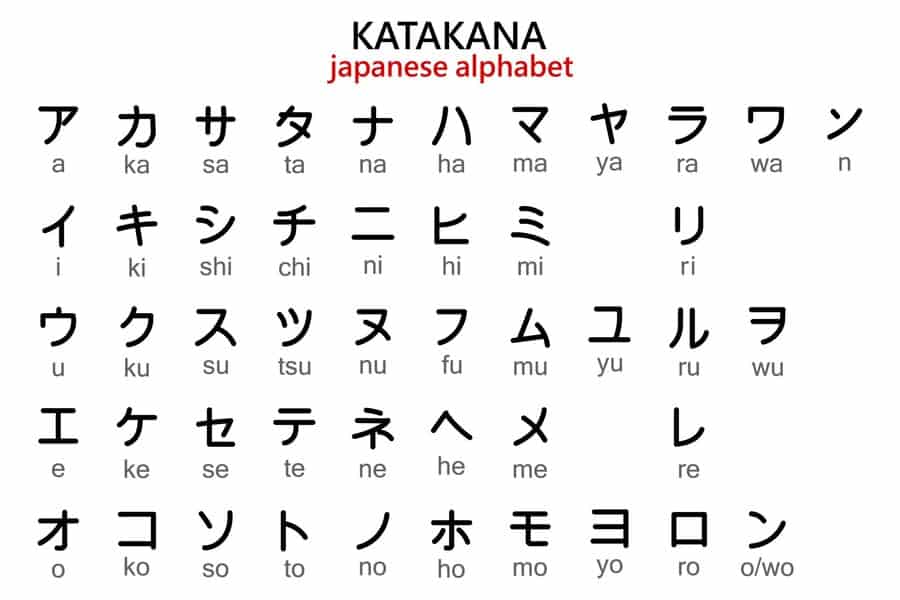
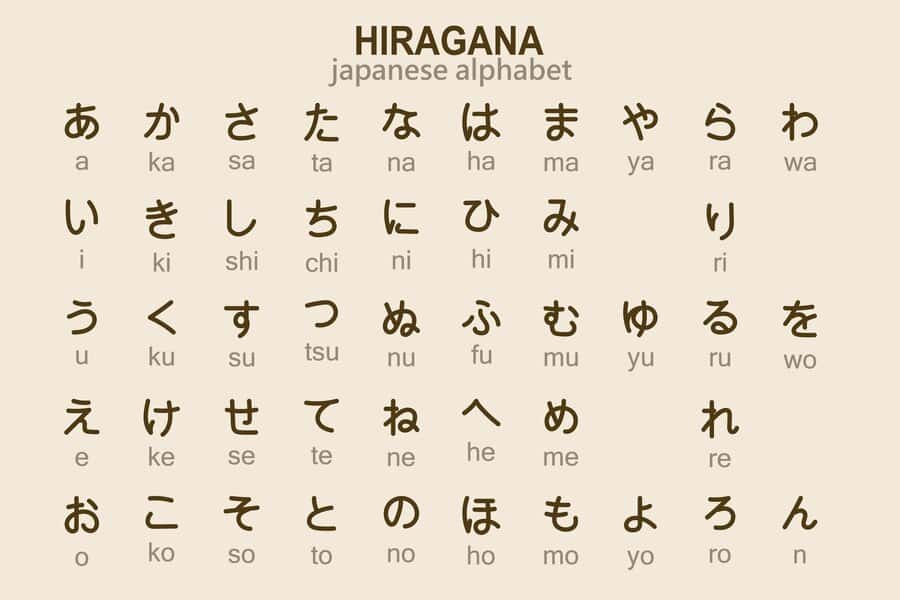
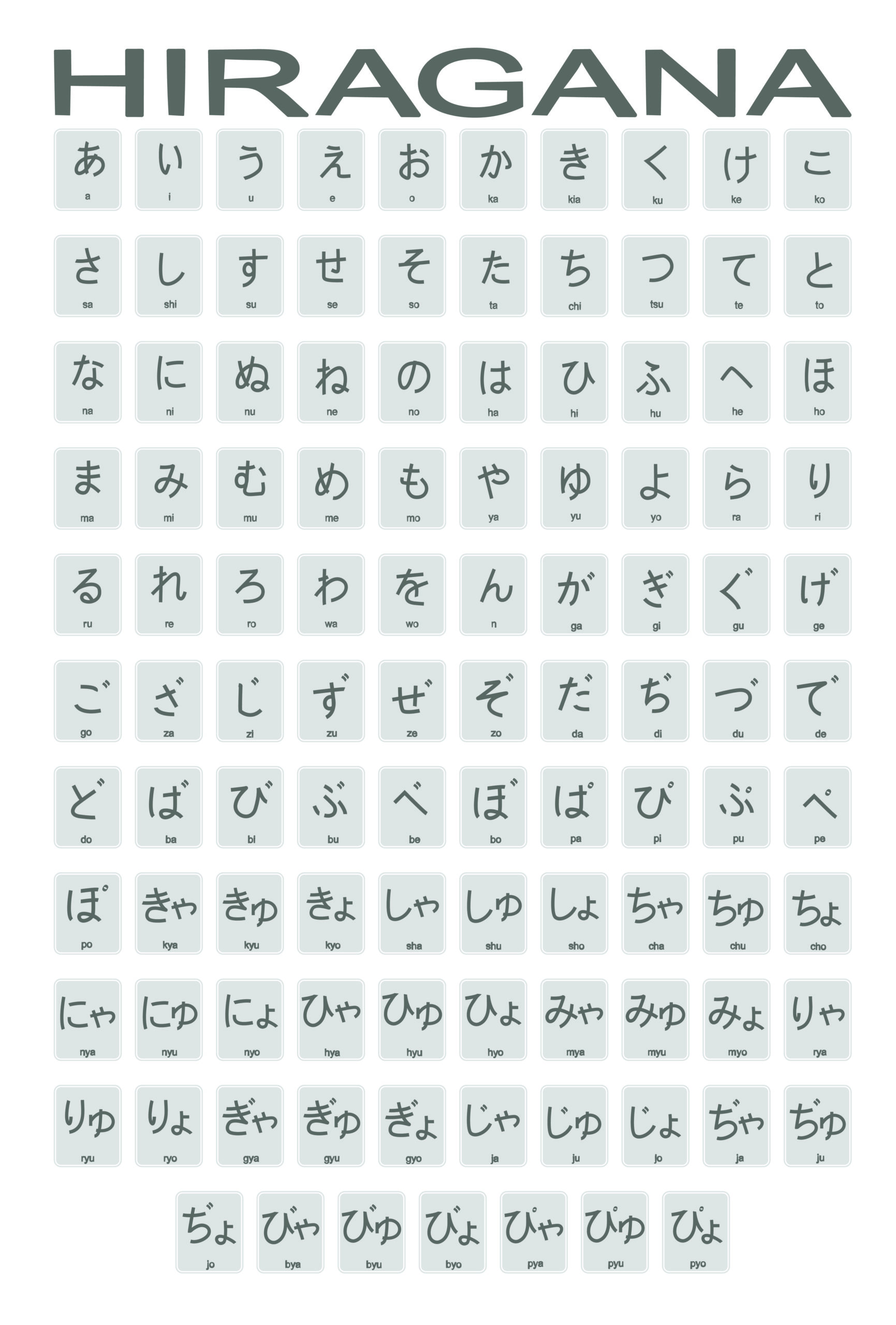
The most immediate technological interface many encounter with Nihongo is translation software. Tools like Google Translate, DeepL, and a myriad of specialized dictionaries have revolutionized access to Japanese content. These platforms analyze input, whether text or speech, identifying kana (hiragana and katakana) and kanji characters, discerning grammatical structures, and attempting to convey meaning across languages. The complexity lies in Nihongo’s agglutinative nature, honorifics (keigo), and context-dependent nuances, which often pose significant challenges for even the most advanced algorithms. However, continuous advancements in neural machine translation (NMT) have led to remarkable improvements, with AI models learning from vast corpora of text to produce increasingly natural and accurate translations. For businesses and individuals engaging with Japanese content, these tools have become indispensable, allowing for rapid assimilation of information, albeit with the understanding that human review remains crucial for critical communications.
Encoding and Digital Representation: UTF-8 and Beyond
For Nihongo to exist in the digital realm, its vast character set must be meticulously encoded. The shift from earlier, more restrictive encodings to comprehensive standards like UTF-8 has been pivotal. UTF-8 (Unicode Transformation Format—8-bit) allows for the representation of all characters in the Unicode standard, including the thousands of kanji, hiragana, and katakana characters. This universal encoding ensures that Japanese text can be consistently displayed and processed across different operating systems, applications, and devices globally. Beyond basic encoding, digital technology underpins Japanese input methods (IMEs). These sophisticated software tools convert phonetic hiragana input into appropriate kanji, often predicting common phrases and offering multiple kanji options. This seamless conversion is critical for the everyday use of Nihongo in computing, email, and web browsing, highlighting a foundational technological layer that enables digital interaction with the language. Font rendering technologies also play a crucial role, ensuring that the intricate strokes of kanji and the delicate curves of kana are displayed clearly and legibly on screens of various resolutions.
AI and Machine Learning: Demystifying Japanese for Global Audiences
Artificial intelligence and machine learning are at the forefront of breaking down the perceived barriers to understanding and interacting with Nihongo. These technologies are not merely translating; they are actively learning and interpreting the intricacies of the language to an unprecedented degree.
Natural Language Processing (NLP) for Japanese
Natural Language Processing (NLP) is a cornerstone of AI’s interaction with Nihongo. Japanese presents unique challenges for NLP due to its lack of spaces between words, its complex verb conjugations, and the interplay of its three writing systems. AI algorithms specifically designed for Japanese NLP must first perform ‘tokenization’ to segment sentences into meaningful units, a task far more complex than in space-delimited languages. Advanced machine learning models are trained on massive datasets of Japanese text and speech to accurately parse grammar, identify named entities, and even infer sentiment. This allows for sophisticated applications such as automated summarization of Japanese documents, advanced search capabilities that understand semantic meaning, and robust content moderation tools capable of sifting through vast amounts of Japanese user-generated content for inappropriate material or trends. These capabilities are vital for businesses operating in the Japanese market, enabling deeper insights into customer feedback and market trends.
AI-Powered Learning Platforms and Tools
For individuals aspiring to learn Nihongo, AI has introduced a new era of personalized and efficient education. AI-powered language learning platforms and apps leverage adaptive algorithms to tailor curricula to individual progress and learning styles. These tools can identify areas where a learner struggles, then provide targeted exercises and repetitions. Examples include platforms that use spaced repetition systems for vocabulary acquisition, chatbots that simulate conversational practice to improve speaking fluency, and intelligent grammar checkers that provide contextual feedback specific to Nihongo’s complex rules. AI-driven pronunciation analysis tools can listen to a learner’s speech and offer precise feedback on pitch accents and phonetics, elements crucial for clear communication in Japanese. This personalized, data-driven approach dramatically enhances the efficacy and engagement of Nihongo acquisition for a global audience.
Software Development and Localization for Japanese Markets
For technology companies aiming to penetrate or serve the Japanese market, understanding Nihongo is paramount. It’s not just about translation; it’s about cultural integration and a deep understanding of user expectations.
UI/UX Considerations for Japanese Users
Effective user interface (UI) and user experience (UX) design for Japanese markets demand specialized considerations. Japanese text, especially kanji, can be dense, requiring careful layout and font choices to maintain readability. The convention of vertical writing (tategaki) in some contexts, though less common in digital interfaces, still influences design thinking. Furthermore, cultural nuances impact everything from color palettes and imagery to navigation patterns and icon choices. A “direct translation” of a UI designed for Western markets often falls flat; true localization involves adapting the entire user journey to resonate with Japanese cultural norms and communication styles. Companies invest in expert Japanese UX researchers and designers to ensure their products are intuitive, aesthetically pleasing, and culturally appropriate for Nihongo speakers, contributing directly to user adoption and brand perception.
Digital Security and Japanese Language Compliance
In the digital sphere, securing Nihongo content and data is a critical concern. Cybersecurity threats, such as phishing and malware, frequently leverage language and cultural contexts to deceive users. For Japanese users, this means that phishing emails are meticulously crafted in Nihongo, often mimicking trusted local brands or government agencies. Tech companies must deploy advanced security protocols that understand and analyze Japanese linguistic patterns to detect and mitigate these threats. Furthermore, compliance with Japanese data privacy regulations, such as the Act on the Protection of Personal Information (APPI), necessitates secure handling and storage of Nihongo user data. This includes ensuring that privacy policies are clearly articulated in Nihongo, data anonymization techniques are robust for Japanese datasets, and security measures protect against breaches involving personally identifiable information (PII) written in Japanese characters.
The Future of Japanese Language Interaction Through Technology
The trajectory of technological innovation promises even more profound transformations in how we interact with Nihongo, moving towards increasingly immersive and seamless experiences.
Voice Assistants and Real-time Interpretation
The proliferation of voice assistants like Siri, Alexa, and Google Assistant has already integrated spoken Nihongo into daily life for many. The continuous refinement of speech recognition and natural language understanding (NLU) for Japanese allows these assistants to accurately process complex queries and commands. Looking ahead, the development of real-time, bidirectional interpretation devices and applications holds immense potential. Imagine smartglasses or earbuds that instantly translate a conversation between a Nihongo speaker and a non-speaker, removing language barriers in business meetings, travel, or international collaborations. This technology, powered by advanced AI and cloud computing, promises to make cross-linguistic communication fluid and effortless, dissolving the historical challenges of international dialogue with Nihongo speakers.
Virtual Reality and Immersive Language Learning
Virtual Reality (VR) and Augmented Reality (AR) are poised to revolutionize Nihongo acquisition. These immersive technologies can create virtual environments that simulate real-world Japanese settings—a bustling Shibuya crossing, a traditional ryokan, or a bustling Izakaya. Learners can interact with virtual native speakers, practice conversational Nihongo in authentic contexts, and experience cultural nuances firsthand without leaving their homes. This level of immersion provides unparalleled opportunities for practical application and cultural understanding, accelerating the learning process far beyond traditional methods. Gamification within VR/AR language platforms can make learning highly engaging, turning the acquisition of Nihongo vocabulary and grammar into an interactive adventure. As VR/AR hardware becomes more accessible and sophisticated, these platforms will increasingly become a cornerstone of future Nihongo education.
aViewFromTheCave is a participant in the Amazon Services LLC Associates Program, an affiliate advertising program designed to provide a means for sites to earn advertising fees by advertising and linking to Amazon.com. Amazon, the Amazon logo, AmazonSupply, and the AmazonSupply logo are trademarks of Amazon.com, Inc. or its affiliates. As an Amazon Associate we earn affiliate commissions from qualifying purchases.