
In the vast tapestry of global gastronomy, certain ingredients transcend their humble origins to become distinctive culinary brands. Israeli couscous, known colloquially as ptitim in its homeland, exemplifies this journey. Far from being just another grain, its emergence, unique characteristics, and strategic positioning have cemented its identity as a recognized and valued product within the international food market. Understanding “what is Israeli couscous” is not merely about its composition; it is an exploration of a carefully cultivated brand identity, its innovative design, and its successful market penetration.
The Genesis of a Culinary Identity
The story of Israeli couscous is intrinsically linked to post-1948 Israel, born out of necessity but evolving into a product with significant brand recognition. Its origins reveal a remarkable example of product development driven by specific market demands and resource constraints.

A Necessity’s Innovation: Crafting a Unique Product
In the early days of the State of Israel, during a period of acute austerity in the 1950s, food shortages were a significant challenge. Rice, a staple in many cuisines, was scarce. David Ben-Gurion, Israel’s first Prime Minister, approached the Osem food company with a request: create a wheat-based substitute for rice that could be mass-produced and distributed. The result was ptitim, small, toasted pasta pellets resembling grains of rice. This innovative solution addressed a critical need, providing an accessible and affordable staple. From a branding perspective, this origin story imbues the product with a narrative of ingenuity and resilience, a powerful emotional connection for its domestic market that later resonated with international consumers seeking authentic experiences. The initial challenge spurred the creation of a distinctive product, laying the groundwork for its unique identity.
Naming Rights: Establishing a Geographic Indicator
While the product is known as ptitim (meaning “flakes” or “crumbs” in Hebrew) in Israel, its international designation as “Israeli couscous” is a fascinating case of geographic branding. Despite being a pasta and not a true couscous (which is typically steamed semolina), the “couscous” descriptor was likely chosen for its familiarity to Western markets, leveraging an existing category while highlighting a key differentiator. The “Israeli” prefix firmly establishes its origin, creating an immediate association with a specific cuisine and culture. This dual approach — associating with a known product type while asserting a unique national origin — effectively positioned it as both familiar and exotic, accessible yet distinctive. This naming strategy was crucial in differentiating it from other pasta types and traditional couscous, giving it a unique market niche.
Differentiating Through Design and Texture
A key aspect of any successful brand is its distinctive product design. For Israeli couscous, its physical form and resulting texture are its most potent differentiators, setting it apart from competitors and contributing significantly to its market appeal.
The Pearl’s Appeal: A Distinctive Form Factor
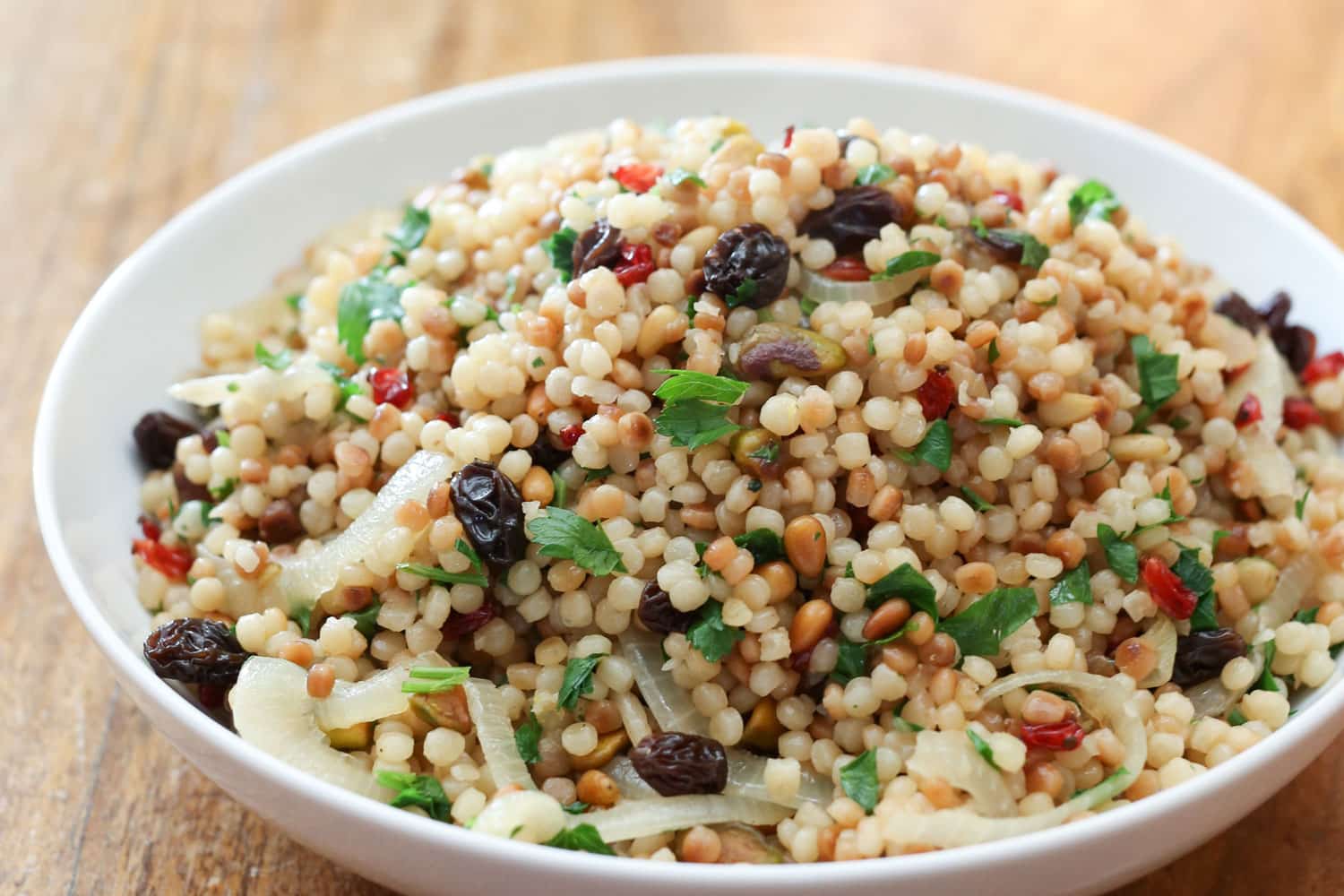
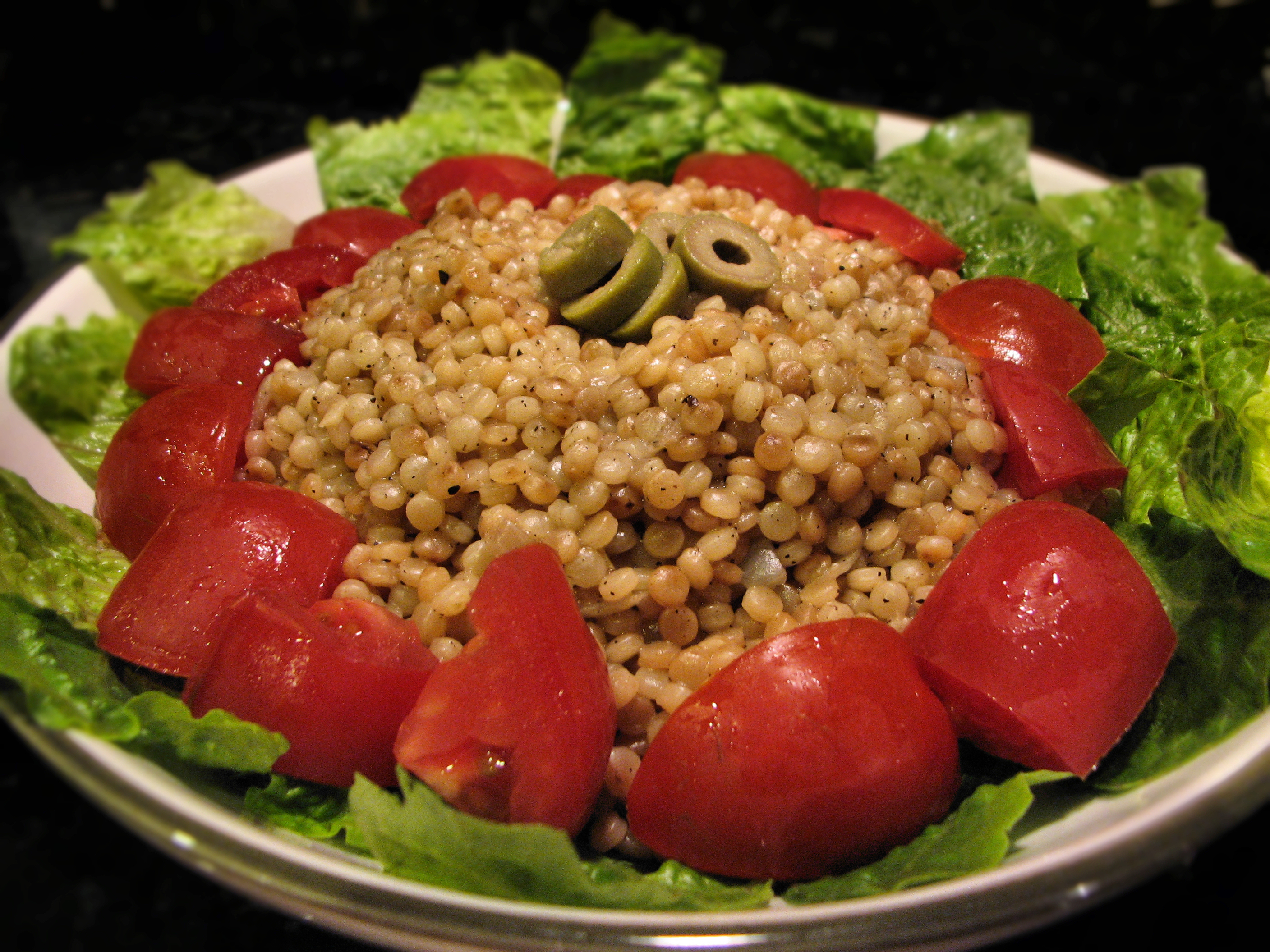
Unlike traditional couscous, which consists of tiny, irregular granules, Israeli couscous is characterized by its uniform, spherical, pearl-like shape. These larger, perfectly round pellets are achieved through a specific extrusion and toasting process. This unique “design” is not merely aesthetic; it fundamentally alters the cooking and eating experience. The toasting process before packaging imparts a subtly nutty flavor, and when cooked, the pearls retain a distinct chewiness or al dente texture, rather than becoming soft and mushy like some smaller pastas. This textural difference is a powerful attribute, providing a satisfying mouthfeel that has been embraced by chefs and home cooks alike. From a branding standpoint, this “pearl” design gives it an instantly recognizable visual identity, making it stand out on shelves and in dishes.
Culinary Versatility: Broadening Market Appeal
The unique texture and mild flavor profile of Israeli couscous contribute to its exceptional culinary versatility, a critical factor in expanding its brand reach. It can absorb flavors beautifully without losing its structural integrity, making it suitable for a wide array of applications:
- Side Dish: It serves as an excellent alternative to rice or pasta, often prepared with herbs, vegetables, or broths.
- Salads: Its firm texture makes it ideal for cold salads, where it holds up well against dressings and other ingredients.
- Stews and Soups: It adds body and substance to liquid-based dishes without disintegrating.
- Main Course: It can be the base for vegetarian or meat-based dishes, absorbing sauces and seasonings.
This versatility allows it to transcend specific culinary traditions, positioning it as a global ingredient. Its adaptability means it can fit into diverse cooking styles, from Mediterranean to Asian fusion, broadening its target market and strengthening its brand as a kitchen essential for adventurous cooks and professional chefs.
Cultivating a Global Brand Presence
From its humble beginnings as a national staple, Israeli couscous has meticulously built a global brand presence, leveraging its unique attributes and the broader appeal of Mediterranean cuisine.
From Local Staple to International Delicacy
The journey from a domestic necessity to an international gourmet ingredient is a testament to effective product positioning and market education. Initially, Israeli couscous was a curiosity outside its homeland. However, as global interest in diverse food cultures grew, particularly in the health-conscious and flavor-rich Mediterranean diet, ptitim found its niche. Its distinct shape and texture, coupled with its origin story, appealed to consumers looking for authentic, yet novel, culinary experiences. This transition required strategic efforts to introduce the product to new markets, often starting with specialty food stores and ethnic markets before penetrating mainstream supermarkets. This gradual expansion allowed for controlled brand building, letting early adopters become advocates.
Marketing the Mediterranean Narrative
The marketing of Israeli couscous benefits significantly from its association with the “Mediterranean narrative.” This narrative, often linked with healthy eating, fresh ingredients, and vibrant flavors, lends a halo effect to the product. Brands featuring Israeli couscous often emphasize its natural ingredients, its suitability for a balanced diet, and its role in authentic Middle Eastern and Mediterranean dishes. This strategic alignment with a broader, popular culinary movement enhances its appeal, allowing it to tap into existing consumer preferences for wholesome and culturally rich foods. The “Israeli” designation not only indicates origin but also subtly connects it to this desirable lifestyle brand, positioning it as a component of a healthy, flavorful culinary experience.
Strategic Positioning in the Gourmet Market
The successful integration of Israeli couscous into gourmet dining and mainstream markets highlights savvy brand positioning that emphasizes authenticity, quality, and versatility.
The Appeal of Authenticity and Origin
In an increasingly globalized food market, consumers often seek products with a clear story and authentic origin. Israeli couscous, with its well-defined genesis in Israel, capitalizes on this desire for authenticity. The “Israeli” in its name acts as a powerful geographical indication, implying a certain quality, tradition, and unique cultural context. This sense of origin differentiates it from generic pasta products, elevating its perceived value. It suggests a connection to a specific food culture, inviting consumers to explore new flavors and traditions, thus building a stronger emotional connection to the brand beyond its basic utility as a carbohydrate. This appeals to the culinary enthusiast eager to experiment with ingredients that tell a story.
Chef Endorsements and Culinary Trends
A significant driver of Israeli couscous’s rise to prominence has been its adoption by high-profile chefs and its inclusion in trending restaurant menus. Chefs are often early adopters of unique ingredients, and their endorsements act as powerful marketing tools, lending credibility and desirability to a product. When Israeli couscous began appearing on fine dining menus as a sophisticated side dish or an integral part of innovative recipes, it signaled its status as a premium ingredient. This exposure in the culinary world translated into increased consumer awareness and demand, pulling the product into the mainstream. Its adaptability to various culinary trends, from farm-to-table movements to plant-based diets, further solidified its place as a relevant and modern ingredient.
Sustaining Brand Value and Recognition
To maintain its market position, the “Israeli couscous” brand continually engages in efforts to educate consumers and protect its unique identity against potential commodification.
Educating the Consumer: Beyond Traditional Couscous
A persistent challenge for the “Israeli couscous” brand is ensuring consumers understand its distinctiveness from traditional couscous. This requires ongoing education to highlight its unique pearl shape, toasted flavor, and chewy texture. Marketing efforts often differentiate it visually and texturally, explaining why it functions differently in recipes. Recipes and serving suggestions play a crucial role, demonstrating its versatility and encouraging experimentation. By clearly articulating its unique selling propositions, the brand reinforces its identity and prevents it from being simply lumped in with other small pasta types or semolina products, thereby sustaining its premium positioning. This clarity ensures consumers appreciate its specific value proposition.
Protecting its Unique Identity
As Israeli couscous gains popularity, there’s an inherent risk of generic imitation or miscategorization. Protecting its unique identity involves subtle but consistent branding efforts that emphasize its specific origin, manufacturing process, and quality. While “Israeli couscous” is a widely accepted term, advocating for the use of its Hebrew name, ptitim, in certain contexts or explaining its history, helps reinforce its authenticity and cultural roots. Ensuring that packaging clearly communicates its distinctive attributes — the pearl shape, the toasted flavor, the al dente texture — is vital. These efforts collectively work to safeguard its brand equity, ensuring that “Israeli couscous” remains synonymous with its specific, high-quality, and culturally rich product, rather than becoming a generic descriptor.
aViewFromTheCave is a participant in the Amazon Services LLC Associates Program, an affiliate advertising program designed to provide a means for sites to earn advertising fees by advertising and linking to Amazon.com. Amazon, the Amazon logo, AmazonSupply, and the AmazonSupply logo are trademarks of Amazon.com, Inc. or its affiliates. As an Amazon Associate we earn affiliate commissions from qualifying purchases.