
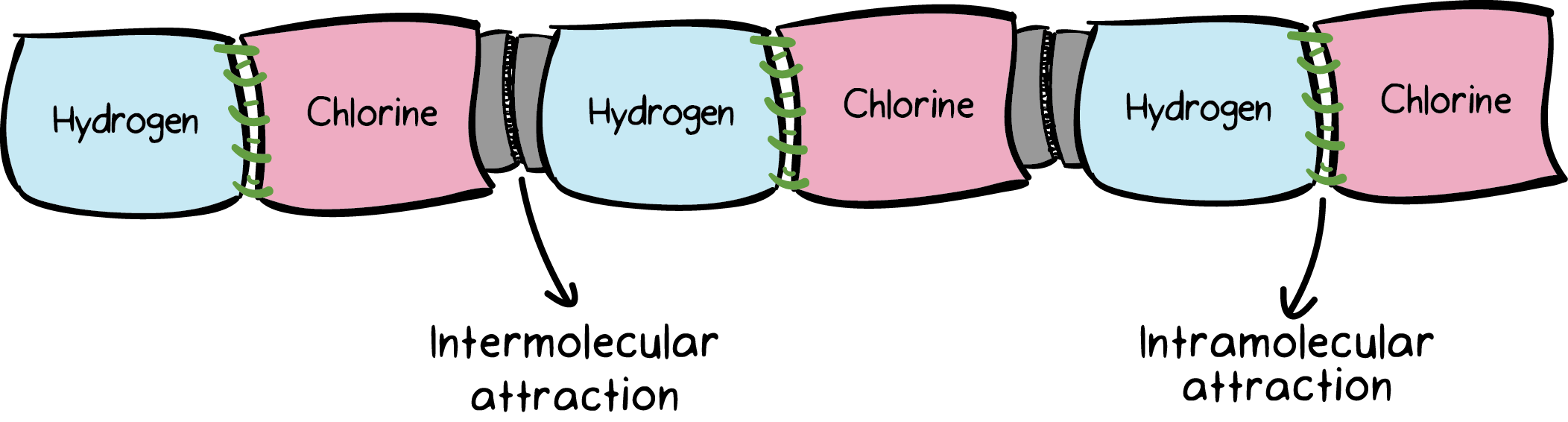
In the relentless pursuit of technological advancement, from the miniaturization of processors to the development of self-healing materials and groundbreaking medical diagnostics, a fundamental understanding of the microscopic world proves indispensable. At the heart of this understanding lie intermolecular forces (IMFs) – the subtle, yet powerful, interactions that occur between molecules. While often overshadowed by the stronger intramolecular bonds (covalent, ionic) that hold atoms together within a molecule, IMFs dictate a vast array of macroscopic properties critical to every gadget, software, and advanced material we interact with daily. Grasping “what is intermolecular” is, therefore, not merely an academic exercise but a gateway to unlocking the next generation of innovation across the tech landscape.
The Fundamental Forces Shaping Our Digital World
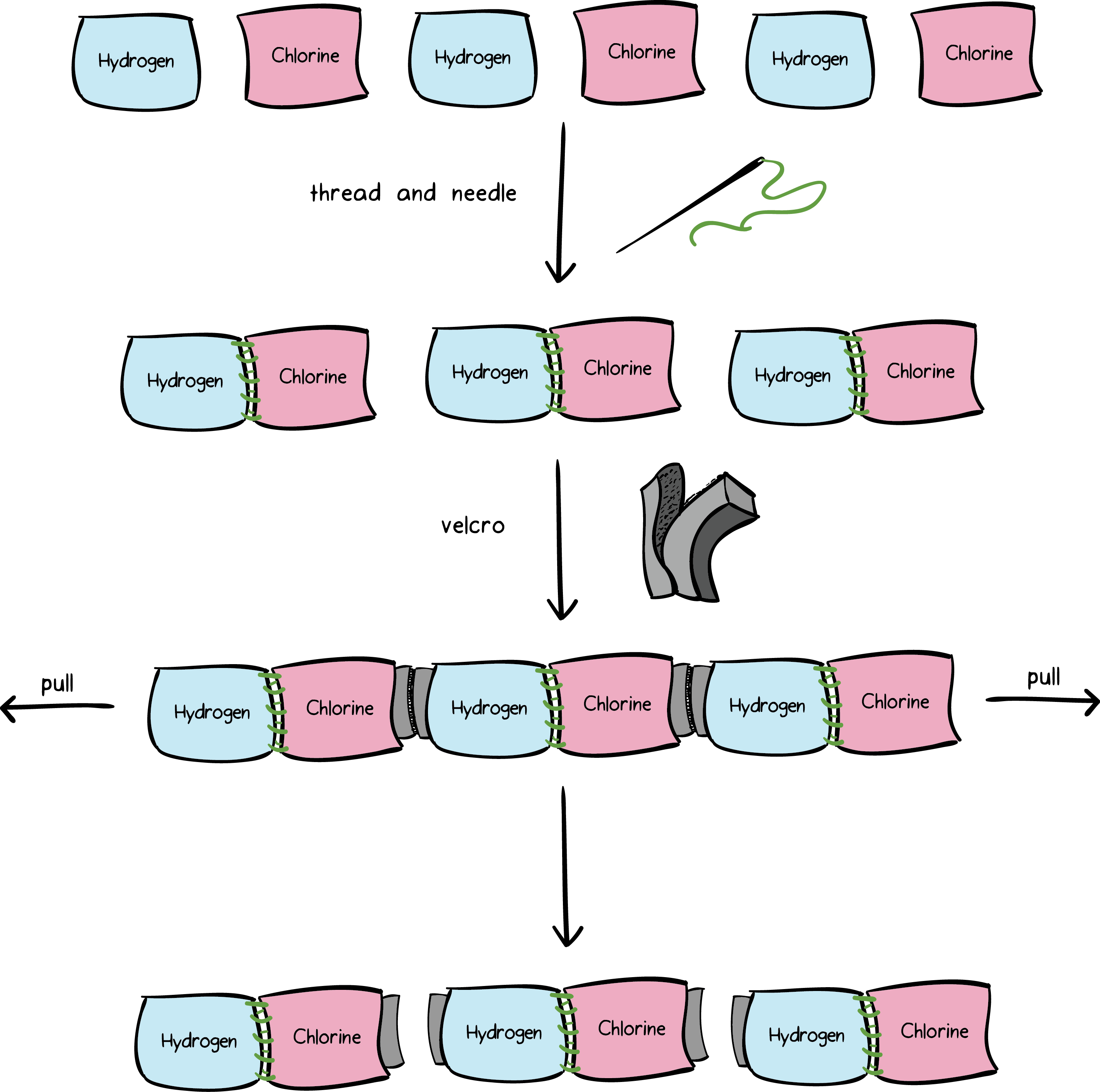
Intermolecular forces are the attractive or repulsive forces that arise between molecules, distinct from the bonds within a molecule. These forces are significantly weaker than covalent or ionic bonds but are cumulatively responsible for properties like a material’s melting point, boiling point, viscosity, solubility, and overall physical state. In the realm of technology, manipulating and exploiting these forces is paramount to designing materials with specific functionalities, creating stable emulsions for displays, developing effective drug delivery systems, or even ensuring the precise deposition of atoms in semiconductor manufacturing.
Van der Waals Forces: The Subtle Attractors
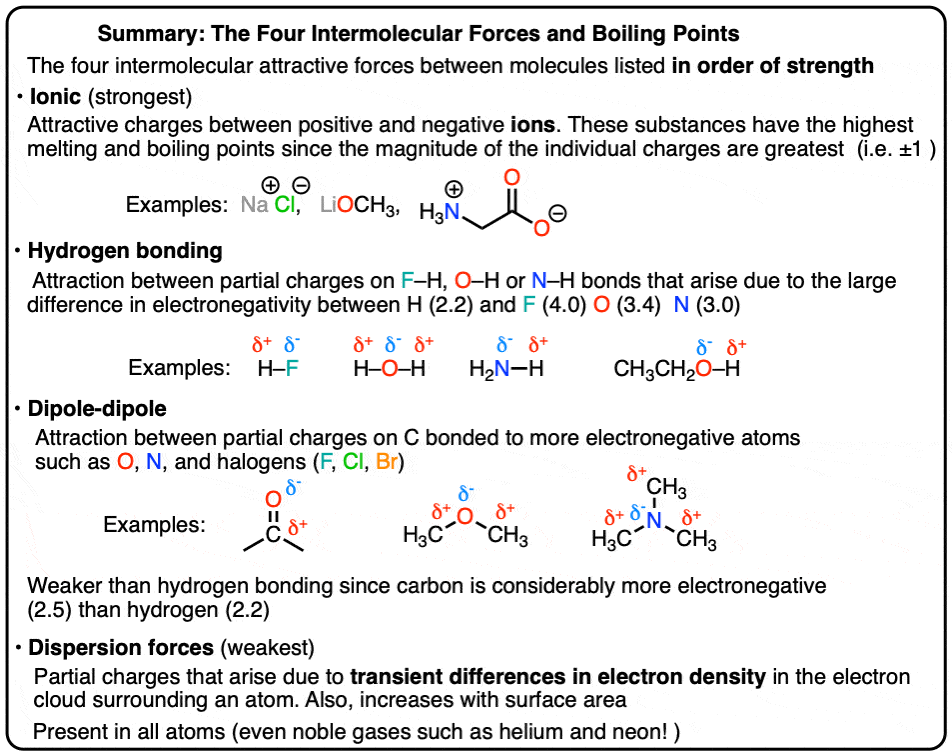
Named after Dutch scientist Johannes Diderik van der Waals, these are a collection of weak, short-range attractive forces that exist between all atoms and molecules. They arise from temporary fluctuations in electron distribution, creating fleeting dipoles that induce complementary dipoles in neighboring molecules. Van der Waals forces include:
- London Dispersion Forces (LDFs): Present in all molecules, LDFs are the weakest type of intermolecular interaction. They arise from instantaneous, temporary dipoles caused by the random movement of electrons. Though individually weak, their cumulative effect in large molecules (like polymers used in gadget casings or protective coatings) can be substantial, influencing material strength and flexibility.
- Dipole-Dipole Forces: These occur between polar molecules that have permanent dipole moments due to uneven electron distribution. The positive end of one molecule is attracted to the negative end of another. These forces are stronger than LDFs and play a role in the solubility of various compounds, critical for solvent selection in manufacturing processes and the formulation of specialized fluids.
Understanding and controlling van der Waals forces allows engineers to fine-tune material properties, such as the adhesion of thin films in microelectronics, the lubrication characteristics of advanced lubricants, or the elasticity of new composite materials used in wearables and aerospace tech.
Hydrogen Bonds: Nature’s Precision Fasteners
Hydrogen bonds represent a particularly strong type of dipole-dipole interaction. They occur when a hydrogen atom covalently bonded to a highly electronegative atom (like oxygen, nitrogen, or fluorine) is attracted to another electronegative atom in an adjacent molecule. This interaction is stronger than other dipole-dipole forces and LDFs, profoundly influencing the properties of water, proteins, and DNA – fundamental components in many bio-inspired technologies.
In tech, hydrogen bonding is critical for:
- Self-Assembly: Directing the precise self-assembly of nanoparticles and molecular structures, which is a cornerstone of nanotechnology and the fabrication of intricate circuits at the nanoscale.
- Biotechnology: Essential for drug-receptor binding, enzyme function, and the structural integrity of biomolecules used in biosensors, diagnostic tools, and therapeutic development.
- Polymer Science: Influencing the strength, flexibility, and permeability of polymeric membranes used in filtration systems, battery separators, and advanced textiles.
Ionic and Covalent Bonds: The Strong Foundations
While IMFs operate between molecules, it’s important to briefly distinguish them from the much stronger intramolecular bonds. Ionic bonds involve the complete transfer of electrons between atoms, forming ions that are held together by electrostatic attraction (e.g., salts used in certain battery electrolytes). Covalent bonds involve the sharing of electrons between atoms (e.g., the silicon-silicon bonds in a semiconductor chip). These strong bonds define the very composition of a molecule, while IMFs dictate how those molecules interact with each other to form bulk materials with specific properties. Understanding both is crucial for a holistic approach to material design and engineering in tech.
Engineering Innovation at the Nanoscale: Leveraging Intermolecular Interactions
The ability to manipulate matter at the atomic and molecular level is transforming numerous industries. Intermolecular forces are the invisible architects behind many of these breakthroughs, enabling precise control over material behavior and function.
Advanced Materials for Electronics
The performance of modern electronics hinges on materials designed with extreme precision. IMFs play a critical role in:
- Semiconductor Manufacturing: The deposition of thin films, etching processes, and the interaction of photoresists all involve carefully controlled intermolecular forces to ensure atomic-level accuracy and prevent defects. Understanding how dopants interact with the silicon lattice, for instance, is fundamentally a question of molecular forces.
- Display Technologies: Liquid crystal displays (LCDs) rely on the precise alignment of liquid crystal molecules, guided by subtle intermolecular interactions with treated surfaces and electric fields. OLEDs, too, depend on specific molecular packing and interactions to achieve high efficiency and vibrant colors.
- Flexible Electronics and Wearables: The development of flexible substrates and stretchable conductors requires polymers whose intermolecular forces lend themselves to extreme mechanical durability without sacrificing electrical performance. Self-healing materials, which can repair minor damage through re-forming intermolecular bonds, are also on the horizon.
Breakthroughs in Drug Delivery and Biotech
In the biomedical tech sector, understanding intermolecular interactions is paramount:
- Targeted Drug Delivery: Designing nanoparticles or liposomes to encapsulate drugs and deliver them specifically to disease sites relies on tuning surface chemistry to interact selectively with biological molecules through IMFs. This minimizes side effects and maximizes therapeutic efficacy.
- Biosensors and Diagnostics: The specificity of biosensors—detecting a particular molecule (e.g., glucose, a pathogen marker) amidst a complex biological sample—is based on highly selective intermolecular recognition events, such as antibody-antigen binding or DNA hybridization.
- Gene Editing and Therapy: Advanced techniques like CRISPR involve molecular machinery that interacts with specific DNA sequences through precise hydrogen bonding and other IMFs, allowing for targeted genetic modifications.
Sustainable Energy Solutions
The global push for sustainable energy relies heavily on innovations in materials science, where IMFs are key:
- Battery Technology: The efficiency and lifespan of batteries are influenced by the intermolecular interactions within electrolytes (how ions move) and at electrode-electrolyte interfaces (how charge transfer occurs). Solid-state batteries, for instance, are designed around solid electrolytes with finely tuned molecular structures.
- Solar Cells: The architecture of organic photovoltaics (OPVs) depends on the molecular stacking and interactions of donor and acceptor materials to efficiently capture light and separate charges. Perovskite solar cells, a rapidly advancing technology, also rely on specific crystal structures governed by intermolecular packing.
- Catalysis: Catalysts speed up chemical reactions by lowering activation energy. Their effectiveness often stems from specific intermolecular interactions with reactants, facilitating the desired chemical transformations in a more energy-efficient manner.
The Digital Security Frontier: Molecular Interactions in Cybersecurity
While seemingly distinct, the principles of intermolecular interactions are increasingly finding applications in bolstering digital security, especially in the physical layers of authentication, anti-counterfeiting, and data integrity.
Biosensors and Authentication
Biometric authentication, a cornerstone of modern digital security, often involves physical interaction between a user and a sensor. Advanced biosensors leverage intermolecular interactions to verify identity:
- Advanced Fingerprint Scanners: Beyond simple image capture, some cutting-edge fingerprint scanners can detect chemical markers (like sweat components) through molecular recognition, adding an extra layer of liveness detection to prevent spoofing.
- Wearable Biometrics: Continuous monitoring of vital signs for authentication or health tracking relies on sensors that detect specific molecular changes in the body, such as glucose levels or specific hormones, through highly selective intermolecular binding.
Anti-Counterfeiting Technologies
Protecting hardware, software licenses, and physical products from counterfeiting often involves embedding molecular-level security features:
- Molecular Tagging: Unique molecular tags, often based on specific fluorescent molecules or nanoparticles, can be incorporated into materials, inks, or packaging. These tags interact with specialized readers via unique intermolecular signatures, verifying authenticity and preventing intellectual property theft.
- Smart Packaging: Packaging that changes color or reveals hidden messages under specific conditions (e.g., temperature, UV light) relies on chromic molecules whose intermolecular structures undergo reversible changes, providing real-time authenticity checks for high-value goods like software media or sensitive hardware.
- Material Fingerprints: Each material, due to its unique molecular composition and arrangement, has a distinct “intermolecular fingerprint.” Advanced scanning technologies can detect these unique patterns, offering an immutable authentication method for critical components in the supply chain.
The Future of Tech: Designing from the Molecular Up
The trajectory of technological innovation clearly points towards a future where design begins at the molecular level. Understanding “what is intermolecular” allows engineers and scientists to move beyond empirical trial-and-error, embracing a predictive and precise approach to material and device development.
The integration of artificial intelligence and machine learning is further accelerating this paradigm shift. AI models can simulate and predict complex intermolecular interactions with unprecedented accuracy, enabling the de novo design of materials with tailor-made properties for specific applications—from super-efficient catalysts and next-generation pharmaceuticals to materials for quantum computing and highly secure data storage. The ability to manipulate these subtle forces between molecules is not just an academic concept; it is the bedrock upon which the most transformative technological advancements of our era are being built, promising a future of unprecedented precision, efficiency, and innovation.
aViewFromTheCave is a participant in the Amazon Services LLC Associates Program, an affiliate advertising program designed to provide a means for sites to earn advertising fees by advertising and linking to Amazon.com. Amazon, the Amazon logo, AmazonSupply, and the AmazonSupply logo are trademarks of Amazon.com, Inc. or its affiliates. As an Amazon Associate we earn affiliate commissions from qualifying purchases.