
In the lexicon of global cuisine, few terms encapsulate a rich cultural tapestry, a culinary tradition, and a potent marketing narrative quite like “huevos.” While a direct translation points to the simple noun “eggs,” to truly understand “what is huevos” within a branding context requires delving deeper than dictionary definitions. It represents a vibrant culinary category, an identifiable product, and a significant cultural touchstone whose identity is consistently leveraged in marketing, corporate strategy, and personal branding across the gastronomic landscape. It is not merely an ingredient; it is a brand in itself, signifying a specific style, heritage, and experience.

The Cultural Brand of Huevos: More Than Just Eggs
The term “huevos,” particularly when encountered in a culinary context, immediately conjures images of Mexican and Latin American breakfast and brunch dishes. This isn’t accidental; it’s the result of centuries of cultural propagation that has solidified a distinct brand identity for these preparations. The “brand” of huevos is steeped in tradition, comfort, and authenticity, making it a powerful draw for consumers seeking genuine culinary experiences.
A Culinary Icon: Tracing Its Roots and Identity
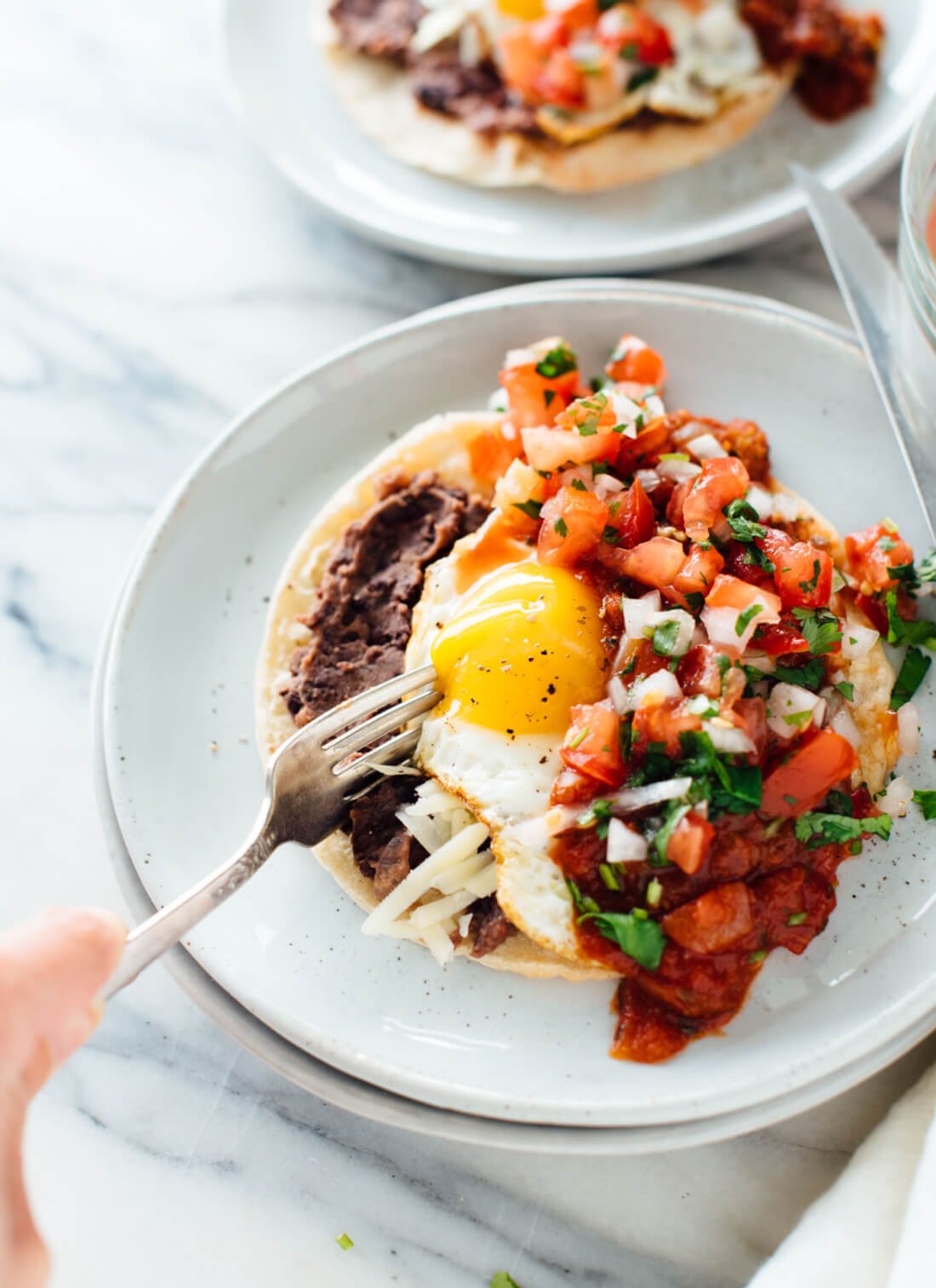
The quintessential “huevos” dish is arguably huevos rancheros, a preparation of fried eggs served on lightly fried or charred tortillas, topped with a warm salsa of tomatoes, chilies, onions, and often accompanied by refried beans and avocado. The brand identity of huevos rancheros is one of rustic charm, hearty sustenance, and a vibrant flavor profile. Its origin on Mexican ranches, serving as a filling breakfast for farm workers, imbues it with a narrative of honest labor and simple, nourishing fare. This historical narrative forms a powerful backbone for its brand, suggesting authenticity and a connection to a storied past.
Beyond huevos rancheros, the “huevos” brand extends to other iconic dishes like huevos divorciados (eggs separated by two different salsas, typically red and green), huevos a la mexicana (scrambled eggs with diced tomatoes, onions, and jalapeños), and various regional interpretations. Each variant, while distinct, shares a common brand DNA rooted in egg-based preparations, typically served with tortillas, beans, and often spicy condiments. This shared core identity allows for brand recognition across diverse offerings, creating a cohesive “huevos” family brand that diners instantly associate with Latin American breakfast culture. The consistent use of specific ingredients and preparation methods reinforces this brand, establishing clear expectations and delivering a predictable, yet delightful, experience.
Regional Brand Variations: Adapting to Local Palates
The inherent adaptability of “huevos” dishes also contributes to its robust brand presence. While the core elements remain, regional variations act as sub-brands, reflecting local ingredients, historical influences, and culinary preferences. For example, huevos motuleños from Yucatán feature eggs over tortillas with black beans, cheese, and ham, all bathed in a rich tomato sauce and often garnished with peas. This regional specialization allows the overarching “huevos” brand to penetrate diverse markets while maintaining local relevance.
These regional sub-brands are crucial for marketing, allowing restaurants and food brands to tap into specific cultural niches. A menu offering “Huevos Oaxaqueños” immediately signals a particular regional authenticity and a unique flavor profile, appealing to consumers looking for specific cultural experiences. This strategic differentiation within the broader “huevos” brand helps maintain its freshness and prevents market saturation, proving that a strong foundational brand can successfully support numerous localized expressions. The ability to adapt while retaining core identity is a hallmark of successful branding, and “huevos” exemplifies this through its varied regional incarnations.
Crafting a Brand Narrative: Marketing “Huevos” in the Modern Age
In today’s competitive culinary landscape, simply serving good food isn’t enough; restaurants and food businesses must effectively brand and market their offerings. “Huevos” dishes, with their inherent cultural richness and distinct identity, offer fertile ground for compelling brand narratives that resonate with diverse audiences.
Authenticity as a Core Brand Value
The primary marketing appeal of “huevos” lies in its perceived authenticity. Consumers are increasingly seeking genuine experiences, and dishes with clear historical and cultural roots, like huevos rancheros, inherently possess this quality. Brands leverage this by emphasizing traditional recipes, sourcing local ingredients, and often incorporating elements of Mexican décor and hospitality into the dining experience. Marketing campaigns frequently highlight “grandma’s recipe” or “time-honored tradition” to underscore this authenticity, positioning the offering not just as food, but as a cultural journey.
This emphasis on authenticity builds trust and loyalty, forming the bedrock of the “huevos” brand. Restaurants, whether independent establishments or larger chains, benefit from positioning their “huevos” offerings as genuine representations of Mexican cuisine. This brand promise of authenticity allows for premium pricing and fosters a strong emotional connection with diners who appreciate the cultural narrative behind their meal.
Visual Branding: The Colors and Presentation of “Huevos”
Beyond taste and tradition, the visual presentation of “huevos” plays a significant role in its branding. The vibrant colors inherent in many “huevos” dishes – the rich red of salsa, the creamy yellow of yolks, the green of cilantro and avocado – are visually arresting and highly photogenic. In the age of social media, visually appealing food is a powerful marketing tool. Restaurants meticulously plate their “huevos” dishes to maximize their aesthetic appeal, understanding that a well-presented dish encourages sharing and organic promotion.
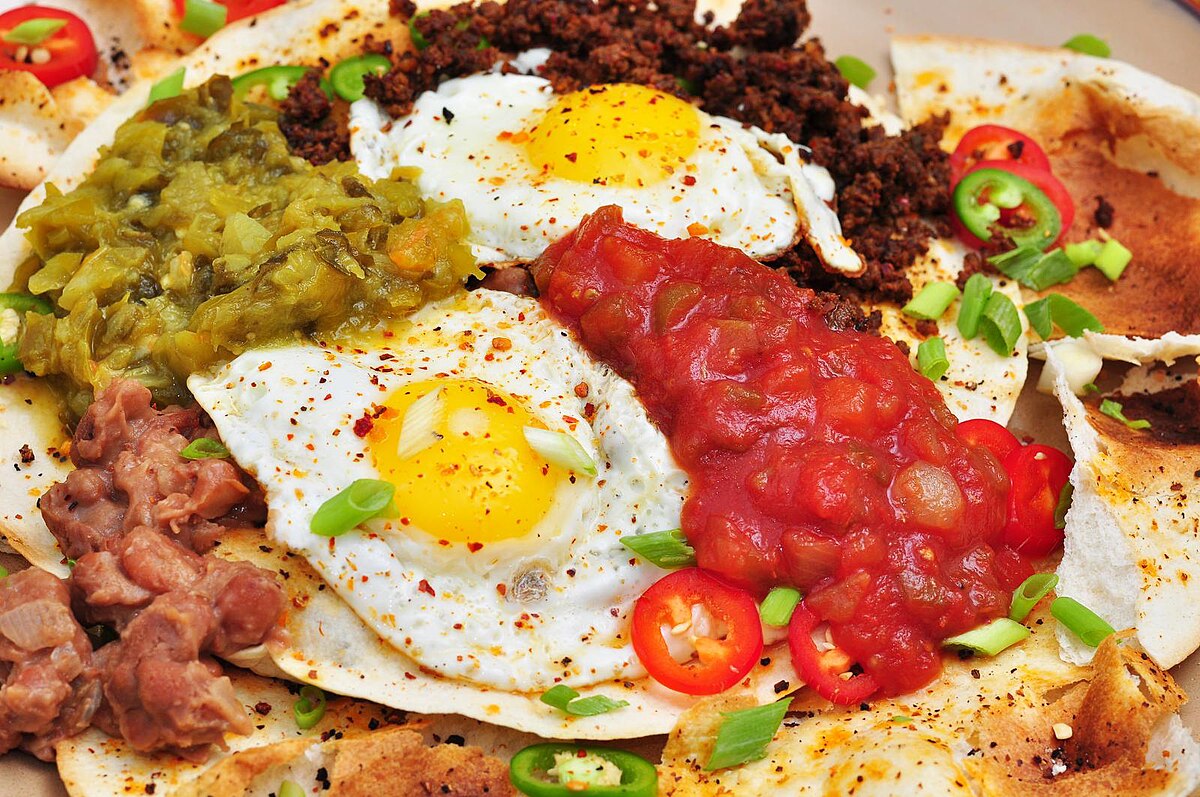
From rustic earthenware to contemporary ceramic plates, the choice of serveware further enhances the brand’s visual identity. The garnishes, whether fresh cheese, thinly sliced radishes, or sprigs of cilantro, are not merely decorative; they are brand signifiers, reinforcing the freshness, quality, and cultural authenticity of the dish. This meticulous visual branding ensures that “huevos” dishes stand out on a menu, in online photos, and on social media feeds, contributing significantly to their recognition and desirability.
From Street Food to Corporate Identity: The Business of Huevos
The inherent appeal and cultural significance of “huevos” have not gone unnoticed by the wider food industry. From independent eateries to large restaurant groups, “huevos” dishes are frequently incorporated into corporate identities and menu strategies, illustrating their commercial viability and broad market appeal.
Leveraging Heritage in Restaurant Branding
For many Mexican restaurants, “huevos” dishes are foundational to their brand identity. They represent a core offering that signals their commitment to traditional Mexican breakfast and brunch. This strategic inclusion helps define the restaurant’s niche and attract a specific demographic seeking these classic morning meals. A restaurant named “The Huevos House” or featuring “Rancho Huevos” as a signature dish immediately communicates its specialization and authentic leanings.
Even non-specialized restaurants, particularly those with a broader Latin American or American diner concept, often include “huevos” on their menus to diversify their offerings and cater to diverse tastes. By doing so, they borrow from the established brand equity of “huevos,” suggesting a wider culinary repertoire and an understanding of popular demand. The presence of a well-executed huevos rancheros can significantly enhance a restaurant’s overall brand perception as a versatile and culturally aware establishment.
Expansion and Standardization: Maintaining Brand Integrity
As food trends evolve, and as successful “huevos” concepts expand, maintaining brand integrity becomes paramount. Larger chains or franchise operations specializing in Mexican breakfast face the challenge of standardizing recipes and preparation methods across multiple locations without diluting the perception of authenticity. This involves rigorous training, consistent ingredient sourcing, and often, clever marketing that emphasizes the “spirit” of tradition even when operational efficiencies are introduced.
For packaged food brands, the challenge is even greater. Developing pre-made salsas or frozen huevos meals requires careful attention to flavor profiles, ingredient quality, and packaging design to ensure they convey the same brand promise of authenticity and taste as freshly prepared dishes. Successful brands in this space invest heavily in research and development to replicate the homemade feel, knowing that their product’s success hinges on delivering a consistent and recognizable “huevos” experience. The ability to scale while preserving the core brand values is a testament to the strength and adaptability of the “huevos” concept as a commercial entity.
Personal Branding Through Huevos: The Chef’s Signature
Beyond corporate and restaurant branding, “huevos” also serves as a canvas for individual culinary artists to build their personal brand. Chefs who master these dishes, or who innovate upon them, often gain recognition and establish their unique culinary identity.
The Master Chef as a Brand Ambassador
A chef renowned for their exceptional huevos rancheros or their unique take on huevos divorciados effectively uses these dishes to build their personal brand. Their skill in preparing these iconic meals becomes a signature, drawing diners to their restaurant or catering service. Culinary competitions, food festivals, and media appearances often feature chefs demonstrating their interpretation of classic “huevos” dishes, further cementing their expertise and personal brand within the industry.
For these chefs, the “huevos” dish is more than just an item on the menu; it’s a reflection of their culinary philosophy, their commitment to heritage, and their creative flair. Their personal brand becomes intertwined with the quality and distinctiveness of their “huevos” offerings, creating a powerful marketing synergy.
Culinary Storytelling and Personal Connection
Chefs and food bloggers frequently use “huevos” as a subject for culinary storytelling, sharing personal anecdotes, family recipes, and cultural insights. This narrative approach allows them to connect with their audience on an emotional level, deepening their personal brand. By sharing the “story” behind their huevos recipe – perhaps passed down through generations or inspired by a journey – they build authenticity and create a compelling reason for followers to engage with their content or visit their establishment.
This personal connection fostered through “huevos” dishes transforms them from mere food items into vehicles for shared experiences and cultural exchange. In essence, “what is huevos” evolves from a simple question about an ingredient into an exploration of a multifaceted brand: a symbol of culinary heritage, a marketable product, and a cornerstone of personal and corporate identity in the vibrant world of food.
aViewFromTheCave is a participant in the Amazon Services LLC Associates Program, an affiliate advertising program designed to provide a means for sites to earn advertising fees by advertising and linking to Amazon.com. Amazon, the Amazon logo, AmazonSupply, and the AmazonSupply logo are trademarks of Amazon.com, Inc. or its affiliates. As an Amazon Associate we earn affiliate commissions from qualifying purchases.