
Home and Community-Based Services (HCBS) represent a fundamental shift in how long-term care is delivered, moving away from traditional institutional settings towards support systems within an individual’s own home and community. While often discussed in terms of quality of life and personal preference, the financial underpinnings and economic implications of HCBS are profound, impacting personal finances, government budgets, and the broader healthcare economy. Understanding “what is HCBS” from a financial perspective reveals a strategic approach to managing long-term care costs, fostering economic stability for families, and creating sustainable healthcare models.
The Financial Imperative Behind Home and Community-Based Services
The conceptualization and expansion of HCBS are largely driven by a clear financial imperative: to provide effective care in a more cost-efficient manner than traditional institutionalization. For decades, nursing homes and other residential facilities were the primary, often sole, option for individuals requiring significant long-term support. However, the escalating costs associated with institutional care became a unsustainable burden on individuals, families, and public coffers, particularly Medicaid, which is the largest payer for long-term care in the United States. HCBS emerged as a viable alternative, offering a pathway to significant cost savings while enhancing the quality of life for recipients.
Shifting from Institutional Care: A Cost-Benefit Analysis
A direct comparison of the per-person, per-day cost of institutional care versus HCBS consistently demonstrates the financial advantages of community-based solutions. Nursing home care, for instance, involves not just direct medical and personal care but also the overhead of maintaining a large facility, round-the-clock staffing, and regulatory compliance. These costs quickly accumulate, often reaching tens of thousands of dollars per month, placing immense strain on personal savings and quickly depleting assets. For many, this necessitates “spending down” their resources to qualify for Medicaid, effectively impoverishing them to receive essential care.
HCBS, conversely, leverages existing housing and community infrastructure. While it covers a wide range of services—from personal care assistance, skilled nursing, and therapy to adult day services, home modifications, and transportation—these supports are often delivered on an as-needed basis, tailored to the individual’s specific requirements. This targeted approach reduces redundant services and the high fixed costs associated with institutional settings. Actuarial studies and state budgets repeatedly highlight that HCBS generally costs 25% to 50% less than comparable institutional care, making it a fiscally responsible choice for governments and an economically beneficial option for individuals. This cost-benefit analysis is a cornerstone of policy decisions advocating for greater HCBS utilization and funding.
Funding Mechanisms: Medicaid, Waivers, and Other Avenues
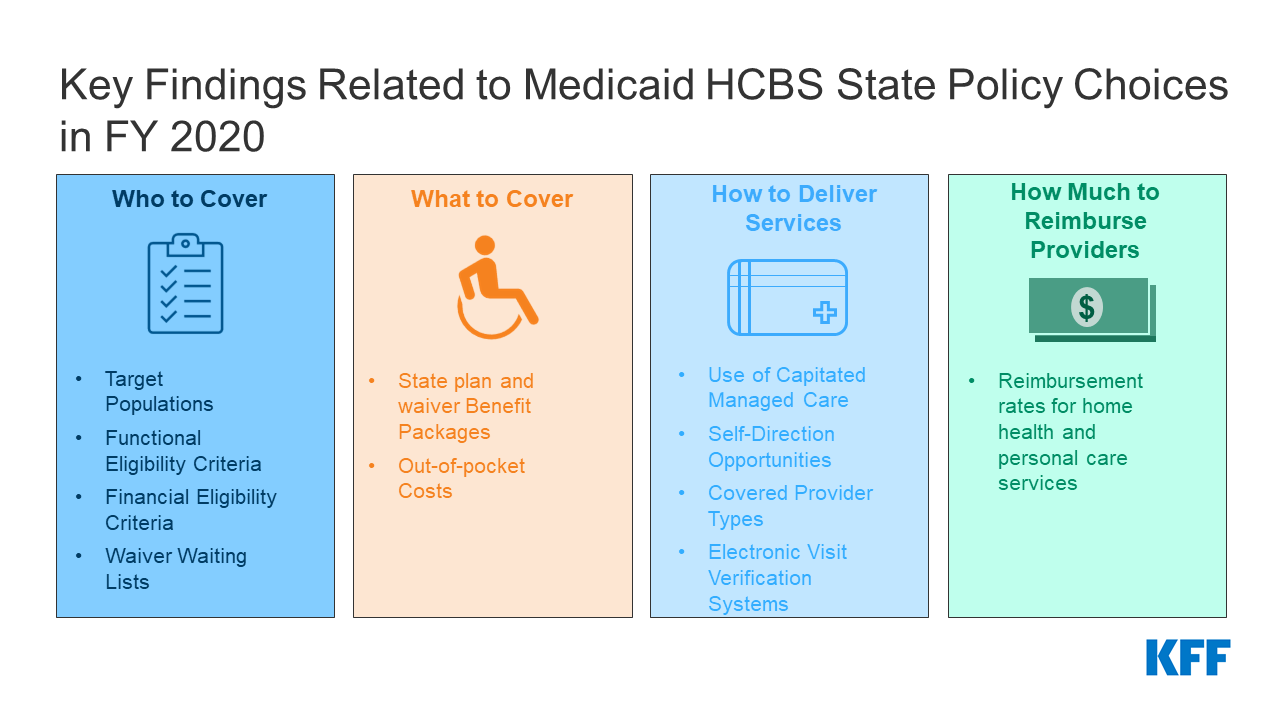
The primary financial engine for HCBS in the U.S. is Medicaid. Recognizing the economic advantages, federal and state governments have increasingly leveraged Medicaid to fund HCBS through various mechanisms. The most prominent are Medicaid Waivers, specifically §1915(c) Home and Community-Based Services Waivers. These waivers allow states to offer a broader range of services than standard Medicaid and target specific populations (e.g., individuals with intellectual disabilities, older adults, those with physical disabilities) who would otherwise require institutional care. Critically, these waivers often have financial eligibility criteria that enable individuals to qualify for services without depleting all their assets, albeit with income and asset limits.
Beyond Medicaid, other funding avenues exist, though they are generally more limited. Some states use state-funded programs to supplement Medicaid or cover populations who don’t meet Medicaid eligibility but still need HCBS. Private long-term care insurance policies can also cover a portion of HCBS costs, though market penetration for these policies remains relatively low. Furthermore, individuals may pay for HCBS out-of-pocket, particularly for services that fall outside government programs or insurance coverage. The complex interplay of these funding mechanisms requires careful financial planning and expert navigation to maximize benefits and minimize personal expenditure.
Economic Advantages for Individuals and Families
For individuals requiring long-term care and their families, HCBS offers significant economic advantages that extend beyond mere cost savings, influencing asset preservation, caregiver support, and overall financial stability. The ability to receive care in a familiar environment not only improves quality of life but also provides tangible financial relief compared to the daunting prospects of institutional care.
Mitigating Out-of-Pocket Expenses and Preserving Assets
One of the most critical financial benefits of HCBS is its potential to mitigate astronomical out-of-pocket expenses. Without HCBS, many individuals needing long-term care would face a rapid depletion of their life savings, including retirement funds, real estate equity, and other assets. This “spend down” process is often emotionally and financially devastating, leaving families with little to no inheritance or financial security for the surviving spouse.
By qualifying for HCBS through Medicaid waivers or other programs, individuals can protect a significant portion of their assets. While there are income and asset limits for eligibility, these are often more generous or structured differently than for institutional Medicaid, allowing individuals to retain their home and some other resources. This means that funds can be preserved for other essential needs, passed on to future generations, or used to support the spouse or dependents who remain at home. The psychological comfort of maintaining financial independence and asset ownership cannot be overstated.
Supporting Caregivers and Maintaining Financial Stability
The financial burden of long-term care often falls heavily on informal caregivers, typically family members. These individuals frequently reduce work hours, decline promotions, or leave the workforce entirely to provide care, leading to substantial lost wages, reduced retirement savings contributions, and diminished career prospects. The economic impact on caregivers is a hidden cost of the traditional care system, contributing to financial instability for entire families.
HCBS programs can provide much-needed respite and support for these informal caregivers. By offering services like adult day care, personal care attendants, or skilled nursing visits, HCBS can alleviate the intensity of caregiving duties, allowing family members to maintain employment, pursue educational opportunities, or simply recharge. Some HCBS programs even offer paid family caregiver options, transforming what was unpaid labor into a recognized, compensated service. This not only acknowledges the value of family care but also provides a direct income stream, contributing to the financial stability of the caregiver and the household, and preventing caregivers from experiencing financial hardship that could lead to their own need for services in the future.
The Broader Economic Impact of HCBS
The financial benefits of HCBS extend beyond the individual and family unit, generating a positive ripple effect throughout local economies and the healthcare system as a whole. Its emphasis on community integration and localized service delivery fosters job growth and reduces systemic strains, presenting a compelling case for its broader economic value.
Job Creation and Local Economic Growth
The delivery of HCBS requires a substantial workforce across various roles: personal care aides, home health nurses, therapists, social workers, case managers, transportation providers, and administrative staff. Unlike large institutional facilities that might be concentrated in specific areas, HCBS jobs are dispersed throughout communities, aligning with where recipients live. This creates a geographically diverse demand for labor, stimulating local economies.
These jobs often provide entry points into the healthcare sector, offering training and career development opportunities. The wages earned by HCBS professionals are then spent within local communities, supporting other businesses and services, from grocery stores to retail outlets. This localized economic activity contributes to a robust and resilient economy. Furthermore, the development of accessible housing, adaptive technologies, and transportation services to support HCBS recipients also drives investment and job creation in related industries.
Reducing Healthcare System Strain and Long-Term Costs
From a macroeconomic perspective, HCBS contributes significantly to reducing the overall strain on the healthcare system and mitigating long-term costs. By keeping individuals healthier and more independent in their homes, HCBS can prevent or delay costly hospitalizations, emergency room visits, and transitions to more intensive (and expensive) institutional care. For example, a home health nurse providing medication management and wound care can prevent an infection that would otherwise lead to a costly hospital stay. Home modifications, such as grab bars or ramps, can prevent falls that result in severe injuries and subsequent medical expenses.
This preventative and supportive approach helps to “bend the cost curve” of long-term care, making the system more sustainable in the long run. By allowing individuals to age in place or manage chronic conditions effectively at home, HCBS optimizes resource allocation within the healthcare budget. It frees up institutional beds for those who truly require that level of intensive care, ensuring that the most expensive resources are utilized appropriately and efficiently. This holistic approach benefits taxpayers, insurance providers, and the overall economic health of the nation.
Navigating the Financial Landscape of HCBS
Accessing HCBS involves navigating a complex financial landscape, requiring careful consideration of eligibility criteria, potential out-of-pocket costs, and the nuances of various funding programs. Effective financial planning is crucial to leverage the economic benefits of HCBS fully.
Eligibility Requirements and Financial Planning Considerations
The primary hurdle for many seeking HCBS is meeting the specific eligibility requirements, which typically include both a medical necessity component and financial criteria. For Medicaid-funded HCBS waivers, income and asset limits are critical. These limits vary by state and by waiver program, often requiring careful planning to ensure an individual qualifies without completely exhausting their resources. Strategies like establishing specific trusts (e.g., Miller Trusts, Special Needs Trusts), transferring assets within look-back periods, or utilizing spend-down provisions can be vital components of an elder law attorney’s advice.
For families, this means proactive financial planning is paramount. Understanding the intricacies of Medicaid planning, exploring the feasibility of private long-term care insurance, and budgeting for potential out-of-pocket expenses for uncovered services are essential steps. Consulting with financial advisors specializing in long-term care and elder law attorneys can help families understand their options, structure assets appropriately, and prepare for the financial realities of seeking HCBS.
The Future of HCBS Funding and Sustainability
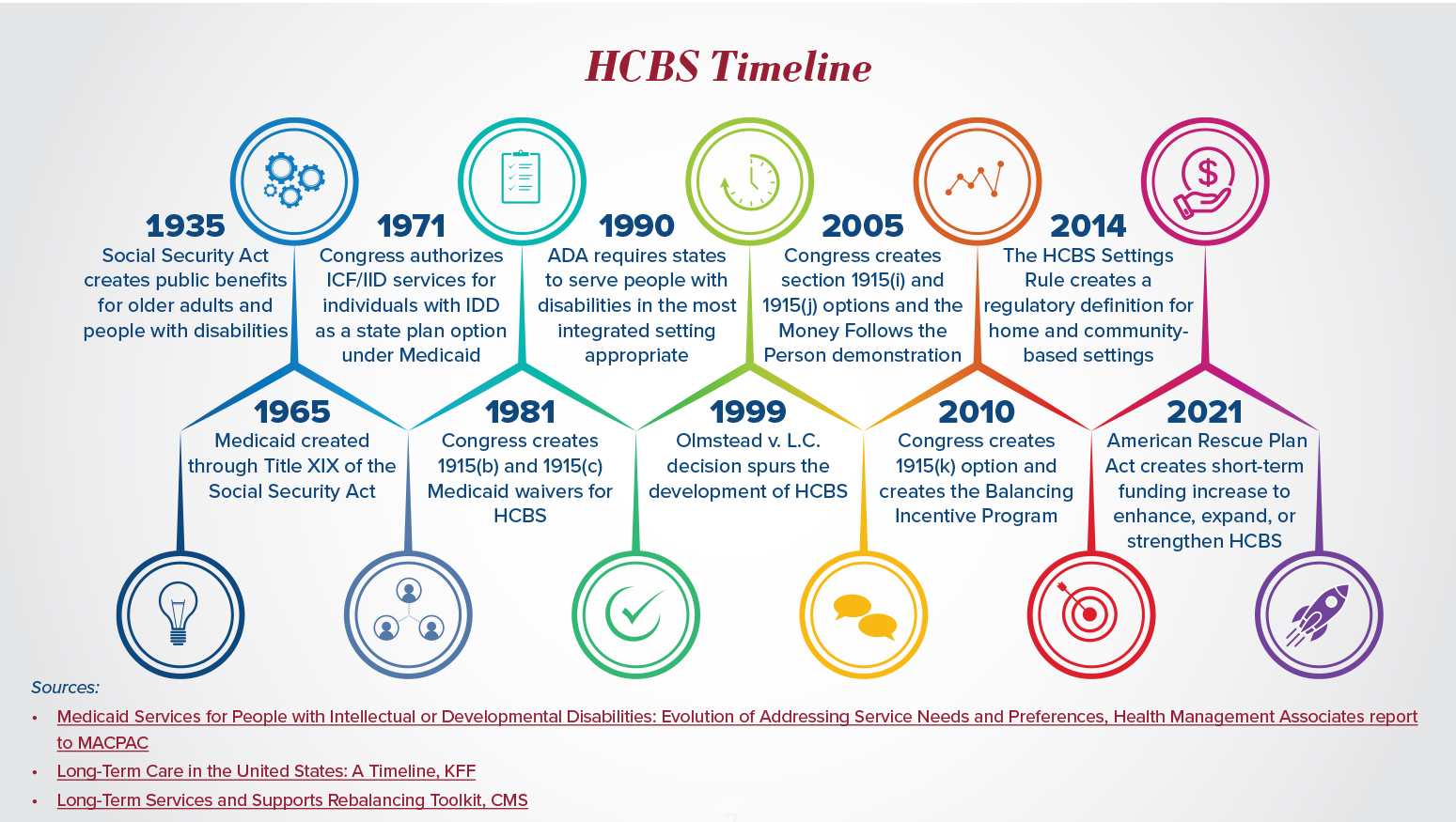
The growing recognition of HCBS’s financial and social benefits has led to increased advocacy and policy efforts aimed at expanding its reach and ensuring its long-term sustainability. Federal initiatives, such as the American Rescue Plan Act, have provided significant enhanced funding for states to strengthen and expand HCBS programs. There is a continuous push for federal legislation that would permanently increase the federal medical assistance percentage (FMAP) for HCBS, further incentivizing states to invest in community-based care.
Discussions around future funding models often include exploring innovative financing mechanisms, integrating HCBS more deeply with managed care organizations, and potentially developing broader social insurance programs for long-term care. The goal is to create a more robust, equitable, and financially stable system that prioritizes community-based care, reduces reliance on expensive institutional settings, and empowers individuals to live with dignity and independence while managing their financial well-being. The financial benefits of HCBS are not just a current advantage but a critical component of sustainable healthcare and economic policy for the future.
aViewFromTheCave is a participant in the Amazon Services LLC Associates Program, an affiliate advertising program designed to provide a means for sites to earn advertising fees by advertising and linking to Amazon.com. Amazon, the Amazon logo, AmazonSupply, and the AmazonSupply logo are trademarks of Amazon.com, Inc. or its affiliates. As an Amazon Associate we earn affiliate commissions from qualifying purchases.