
In the vast and complex world of finance, the term “oil” carries multiple connotations, each defining “good” by a different set of financial metrics and market dynamics. From the crude flowing beneath the earth’s surface to the refined products powering industries and households, understanding what constitutes “good oil” is crucial for investors, businesses, and consumers alike. It’s not a singular definition but a spectrum, reflecting value, utility, and market performance within the overarching money landscape.
The Diverse Financial Facets of Oil Quality
Defining “good oil” demands a multifaceted approach, considering its various forms and applications within the global economy. Each type of oil presents unique financial characteristics, market drivers, and implications for different stakeholders.
Crude Oil as a Global Commodity
At its core, “good oil” often refers to crude oil—the unrefined petroleum extracted from the ground. For investors and energy companies, the “goodness” of crude oil is primarily determined by its grade and benchmark pricing. Light sweet crude, like West Texas Intermediate (WTI) and Brent Crude, is generally considered “good” due to its lower sulfur content and API gravity, making it easier and cheaper to refine into high-demand products like gasoline and diesel. This translates to higher market prices and better profitability for producers and refiners. Conversely, heavy sour crude, while abundant, requires more complex and costly refining processes, often leading to lower per-barrel values.
The financial “goodness” also extends to extraction costs and geopolitical stability. Oil extracted from easily accessible, politically stable regions is inherently “better” from a financial risk perspective than oil from conflict zones or areas with high operational expenses. Production volume, infrastructure, and transportation logistics further influence its marketability and profitability.
Refined Products: Value in Utility
Beyond crude, “good oil” refers to the refined products that fuel our modern world. Gasoline, diesel, jet fuel, heating oil, and lubricants each have their own market niches and financial value propositions. Here, “good” is defined by performance, efficiency, and meeting specific industrial or consumer needs at a competitive price.
For example, a “good” gasoline might be one that offers optimal mileage and engine performance while adhering to environmental regulations. For businesses, choosing a “good” industrial lubricant could mean reduced machinery wear, lower maintenance costs, and extended equipment lifespan, directly impacting operational budgets and long-term asset value. The financial assessment includes not just the purchase price but also the total cost of ownership, including efficiency gains, longevity, and regulatory compliance.
Edible Oils: Health, Market & Supply Chains
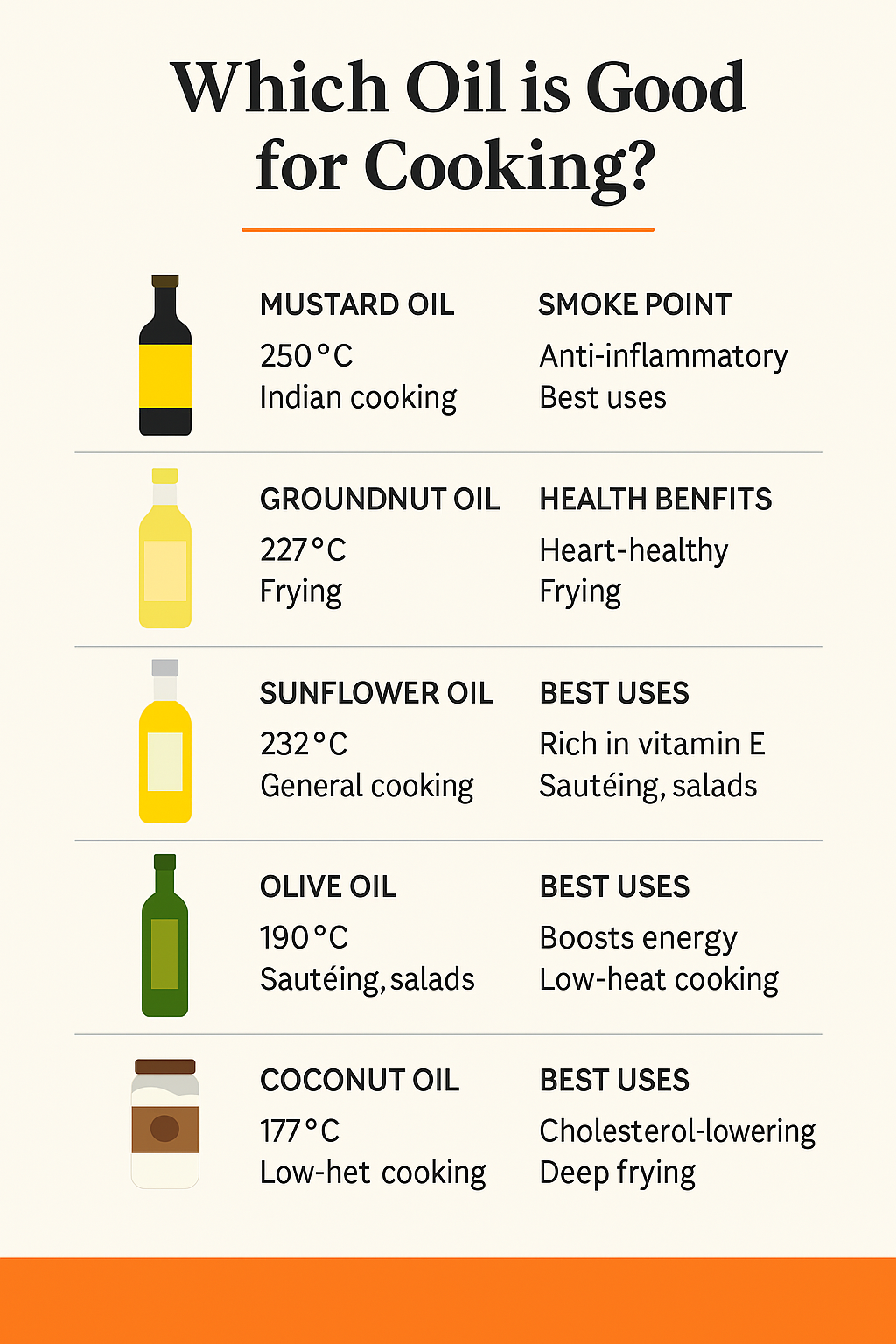
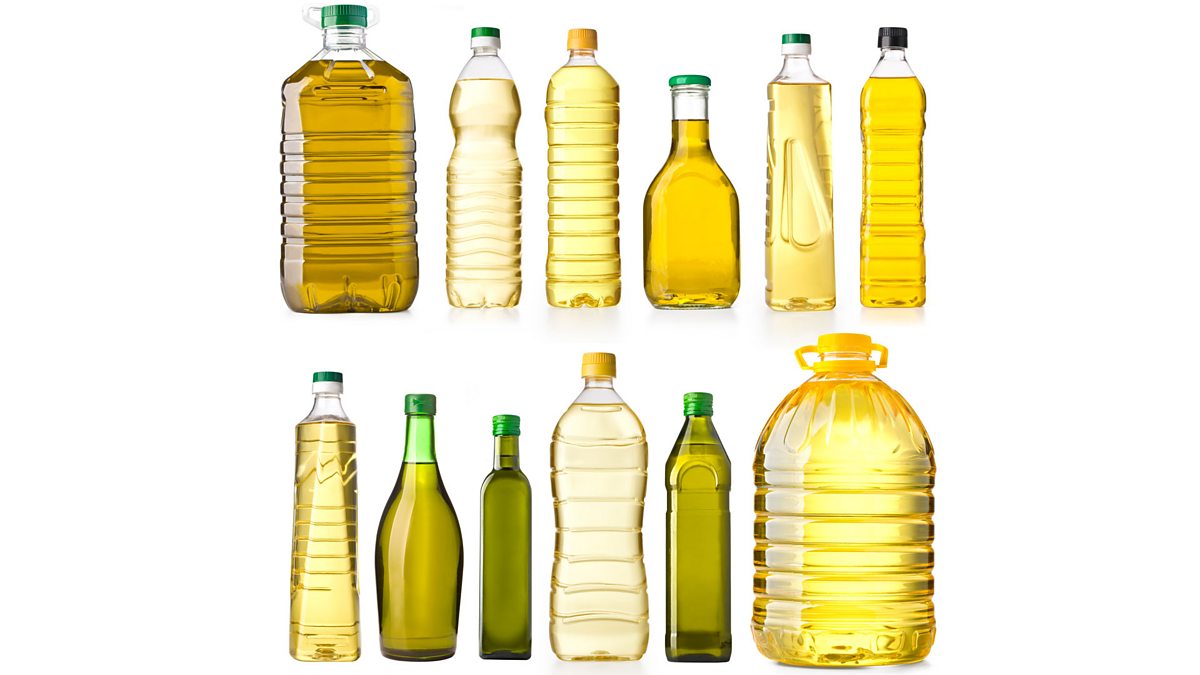
When considering “oil” in the context of consumer goods and agricultural commodities, edible oils like olive oil, palm oil, soybean oil, and sunflower oil come into play. Here, “good” often intertwines consumer health benefits with market price points and supply chain reliability. From a financial perspective, a “good” edible oil product is one that balances perceived quality and health attributes with affordability, driving consumer demand and consistent sales volumes for producers and retailers.
The financial evaluation of edible oils also involves commodity market trends, geopolitical influences on agricultural output, and the resilience of supply chains. Price volatility due to weather events, trade policies, or shifts in consumer preferences directly impacts profitability for farmers, processors, and food manufacturers. For consumers, a “good” edible oil offers nutritional value at a price that fits household budgets, often influencing purchasing decisions between premium and value brands.
Investing in Oil: Beyond the Barrel
For investors, “good oil” is less about its chemical composition and more about its potential for financial returns and its role in a diversified portfolio. Understanding the various avenues for investing in oil and its derivatives is key.
Understanding Benchmarks and Grades
Successful oil investment starts with understanding the benchmarks: WTI and Brent. These are not just names but critical pricing references. Investing in “good oil” implies strategically allocating capital to companies or funds exposed to these benchmark crudes, or to specific grades that offer arbitrage opportunities. Factors like API gravity (how heavy or light it is) and sulfur content (how sweet or sour) directly impact refining costs and, thus, the market price. Investors analyze these attributes to predict future demand and pricing dynamics for various refined products.
Geopolitical and Economic Factors
The “goodness” of an oil investment is heavily influenced by external macroeconomic and geopolitical forces. Supply disruptions from political instability, changes in OPEC+ production quotas, or shifts in global demand (e.g., economic slowdowns, growth in emerging markets) can drastically alter oil prices. A “good” oil investment strategy accounts for these volatilities, perhaps through hedging, diversification across different energy sub-sectors, or by focusing on companies with strong balance sheets capable of weathering price swings. Investors constantly assess how global events translate into opportunities or risks within the oil market.
Derivatives and Direct Investment
Investors can gain exposure to “good oil” through various financial instruments. Direct investment in exploration and production companies (E&P) offers leverage to rising oil prices but comes with operational risks. Midstream companies (transportation and storage) provide more stable cash flows. Downstream companies (refining and marketing) are often profitable when crude prices are low.
Derivatives, such as futures contracts, options, and exchange-traded funds (ETFs) or exchange-traded notes (ETNs) linked to oil prices, allow for speculative plays or hedging against energy costs. A “good” approach uses these tools strategically, balancing risk and reward based on market outlook and personal financial goals. For instance, an airline might use futures to lock in jet fuel prices, making a “good” financial decision to stabilize operating costs.
The Role of Oil in Business Finance
For businesses, “good oil” translates directly into operational efficiency, cost management, and strategic resilience. Its impact spans from the factory floor to the boardroom.
Energy Costs and Operational Efficiency
Many industries rely heavily on oil and its derivatives as primary energy sources or raw materials. For manufacturing, transportation, and agriculture sectors, the cost of oil directly impacts the bottom line. “Good oil” in this context refers to securing stable, cost-effective energy supplies that support efficient operations. Businesses engage in strategies like bulk purchasing, long-term contracts, and exploring alternative energy sources to mitigate price volatility. Optimizing fuel consumption and machinery lubrication are practical applications of understanding “good oil” to improve financial performance. The financial gain comes from reduced energy expenditure and improved asset utilization.
Supply Chain Resilience and Price Volatility
Managing exposure to oil price volatility is a critical aspect of business finance. A “good” business strategy includes robust supply chain management that accounts for potential disruptions in oil supply or drastic price swings. This might involve diversifying suppliers, maintaining strategic reserves, or implementing financial hedging strategies using derivatives to fix or cap future energy costs. For example, a shipping company that locks in fuel prices through futures contracts is making a financially “good” decision, ensuring predictable operational costs even if spot prices surge. This foresight contributes to financial stability and competitive advantage.
Sustainability and Transition Risks
In an era of increasing environmental awareness and regulatory pressure, “good oil” for businesses also involves navigating the transition to a lower-carbon economy. This means assessing the financial risks associated with stranded assets (oil reserves that cannot be economically extracted due to policy changes), carbon taxes, and the shifting investment landscape towards renewable energy. Companies that proactively invest in carbon capture technologies, diversify into renewables, or improve energy efficiency are making financially “good” long-term strategic decisions, mitigating future regulatory and market risks while potentially unlocking new revenue streams.
Personal Finance and Consumer Choices
At the individual level, “what is good oil” impacts daily spending, long-term asset maintenance, and health investments. Financial decisions around oil are pervasive, from the gas pump to the grocery store.
Fueling Vehicles: Performance vs. Cost
For vehicle owners, the concept of “good oil” primarily revolves around fuel and motor oil. Choosing the right gasoline often involves balancing octane ratings with cost. While premium fuels might offer marginal performance benefits for some engines, for many, regular unleaded provides the “good” financial choice, offering adequate performance at a lower price per gallon. Similarly, selecting a “good” motor oil—one that meets manufacturer specifications—is crucial for engine longevity and avoiding costly repairs, making it a sound financial investment in vehicle maintenance rather than opting for cheaper, unsuitable alternatives. The decision is a cost-benefit analysis of immediate expense versus long-term asset protection.
Culinary Oils: Health and Budgetary Impact
In the kitchen, “good oil” for cooking often involves a balance between perceived health benefits, culinary use, and budget. While extra virgin olive oil might be considered “good” for its health attributes and flavor profile, it’s often more expensive. For high-heat cooking or general use, more affordable alternatives like canola or vegetable oil might be a “good” financial choice, providing functionality without excessive cost. Consumers make daily decisions based on unit price, expected consumption, and how different oils fit into their overall food budget. Understanding the cost-effectiveness and versatility of various edible oils is key to “good” personal finance within grocery spending.

Lubricants and Home Maintenance
Beyond vehicles, various lubricants and oils are essential for home maintenance. From lubricating door hinges and garden tools to maintaining small engines, choosing the “good oil” for the specific task ensures equipment longevity and prevents premature replacements. A small investment in the correct type of lubricant can save significantly on repair or replacement costs for household items and machinery. This aspect of “good oil” underscores preventative maintenance as a cornerstone of financially prudent personal asset management.
aViewFromTheCave is a participant in the Amazon Services LLC Associates Program, an affiliate advertising program designed to provide a means for sites to earn advertising fees by advertising and linking to Amazon.com. Amazon, the Amazon logo, AmazonSupply, and the AmazonSupply logo are trademarks of Amazon.com, Inc. or its affiliates. As an Amazon Associate we earn affiliate commissions from qualifying purchases.