
Glucagon-like peptide-1 (GLP-1) represents a fascinating frontier in biotechnology and pharmaceutical engineering. Far from a simple compound, GLP-1, whether in its natural endogenous form or as the basis for modern therapeutic agents, is a marvel of biological design and scientific ingenuity. Understanding its composition means delving into intricate molecular structures, sophisticated synthesis techniques, and the cutting-edge technological advancements that transform basic biological insights into life-changing medical tools.
The Molecular Blueprint: Natural GLP-1
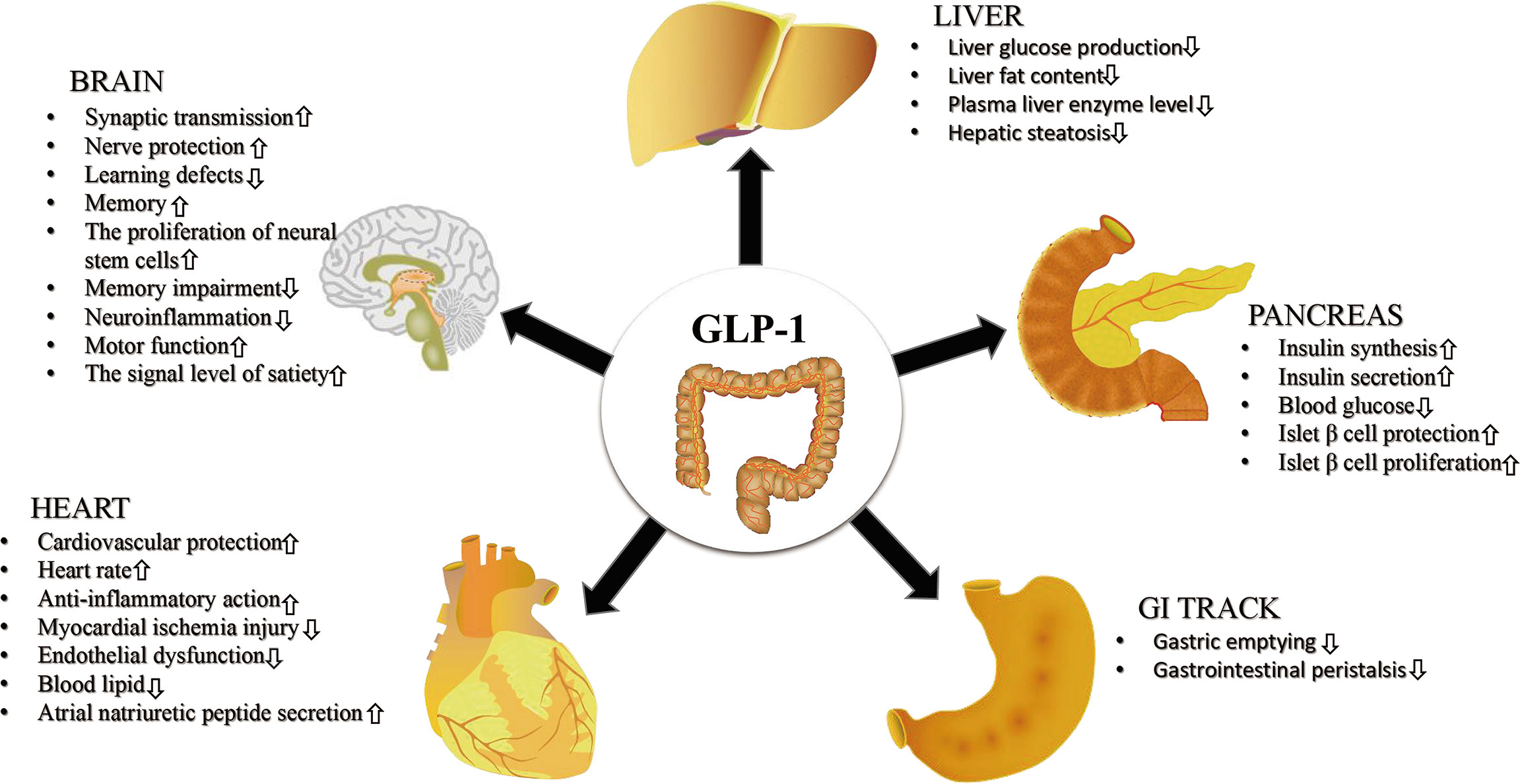
At its core, natural GLP-1 is a peptide hormone, a small protein fragment, synthesized and released primarily by L-cells in the intestine in response to nutrient intake. Its existence is a testament to the body’s exquisite internal regulatory systems, acting as a crucial component of the incretin effect, which stimulates insulin secretion in a glucose-dependent manner.

Amino Acid Sequence: The Fundamental Building Blocks
Like all proteins and peptides, GLP-1 is made of a specific sequence of amino acids linked together by peptide bonds. The physiologically active forms of human GLP-1 are GLP-1(7-37) and GLP-1(7-36)amide, both derived from the larger proglucagon molecule through a process called post-translational modification. These forms are typically 30 or 31 amino acids long. The precise arrangement of these amino acids dictates GLP-1’s three-dimensional structure, its ability to bind to specific receptors (the GLP-1 receptor), and ultimately, its biological function. For instance, key amino acid residues are critical for receptor binding affinity and activation. This fundamental molecular structure is the starting point for all GLP-1-based therapeutic technologies.
The Challenge of Biological Instability
Natural GLP-1, despite its vital role, has a remarkably short half-life in the bloodstream—mere minutes. This rapid degradation is primarily due to the ubiquitous enzyme dipeptidyl peptidase-4 (DPP-4), which cleaves off two amino acids from the N-terminus of the peptide, rendering it inactive. This inherent instability presents a significant technical hurdle for direct therapeutic application, necessitating advanced biotechnological solutions to develop stable, long-acting analogues.
Engineering GLP-1 Agonists: Biotech Innovation in Drug Design
The advent of GLP-1 receptor agonists (GLP-1 RAs) as pharmaceutical agents marks a profound achievement in biopharmaceutical engineering. These drugs are not merely isolated natural GLP-1; rather, they are scientifically crafted molecules designed to overcome the limitations of the native peptide while retaining or enhancing its beneficial effects. The “making” of these drugs involves sophisticated molecular biology, protein engineering, and advanced chemical synthesis.
Enhancing Stability and Efficacy Through Molecular Modification
The primary objective in engineering GLP-1 RAs is to extend their half-life and improve their pharmacokinetic profile. This is achieved through several innovative biotechnological strategies:
- Amino Acid Substitutions: Subtle changes in the amino acid sequence can make the peptide more resistant to DPP-4 degradation without compromising its ability to bind and activate the GLP-1 receptor. For example, replacing a critical alanine residue at position 8 with a different amino acid can significantly enhance stability.
- Fatty Acid Acylation: A common and highly effective strategy involves attaching a fatty acid chain to the GLP-1 analogue. This fatty acid acts as a “carrier,” enabling the molecule to bind reversibly to albumin in the bloodstream. This binding not only protects the peptide from enzymatic degradation but also slows its renal clearance, dramatically extending its circulating half-life from minutes to hours or even days and weeks. Liraglutide and semaglutide are prime examples of this technology.
- Fusion with Fc Region of Immunoglobulin G (IgG): Another approach involves fusing the GLP-1 peptide to the Fc portion of an immunoglobulin G antibody. The Fc region naturally has a long half-life in the body due to its interaction with the neonatal Fc receptor (FcRn), which protects it from lysosomal degradation. This fusion technology effectively “piggybacks” the GLP-1 analogue onto a stable biological scaffold, extending its duration of action. Exenatide extended-release utilizes this principle.
Recombinant DNA Technology and Peptide Synthesis
The actual production of these complex GLP-1 RAs relies heavily on advanced biotechnology. For longer, more complex peptide analogues or those involving fusion proteins, recombinant DNA technology is often employed. This involves inserting the gene encoding the desired GLP-1 analogue into a host organism (e.g., E. coli or yeast) or mammalian cell lines, which then produce the protein in large quantities. The process requires precise genetic engineering, optimized fermentation or cell culture conditions, and rigorous purification techniques. For shorter, synthetically modified peptides, solid-phase peptide synthesis (SPPS) or solution-phase synthesis methods are utilized, involving a stepwise assembly of amino acids onto a solid resin or in solution, followed by purification and cleavage. These processes are highly technical, requiring stringent quality control and specialized chemical engineering expertise.
Beyond the Peptide: Delivery Systems and Formulation Technologies
The “making” of GLP-1 therapeutics extends beyond the active pharmaceutical ingredient (API) itself to the sophisticated delivery systems and formulation technologies that ensure effective administration and optimal patient outcomes. This area represents another critical facet of pharmaceutical technology.
Sustained-Release Mechanisms for Injectable Formulations

Given the need for long-acting effects, particularly for once-weekly or even once-monthly administration, injectable GLP-1 RAs often incorporate advanced sustained-release technologies. These can include:
- Microsphere Technology: For drugs like exenatide extended-release, the GLP-1 analogue is encapsulated within biodegradable polymer microspheres (e.g., poly(lactic-co-glycolic acid) or PLGA). Upon injection, these microspheres slowly degrade, releasing the drug steadily over an extended period. This requires precise control over polymer composition, particle size, and drug loading during manufacturing.
- Solution-Based Formulations: Newer, highly stable GLP-1 RAs like semaglutide are engineered to have such a long intrinsic half-life (due to strong albumin binding) that they can be formulated as simple, stable solutions for once-weekly injection, bypassing the need for complex microsphere systems. However, even these require careful formulation science to ensure stability, solubility, and appropriate pH.
Oral Formulations: A Breakthrough in Pharmaceutical Technology
The development of an orally administered GLP-1 RA, such as oral semaglutide, represents a significant technological leap. Peptides are typically degraded by stomach acid and digestive enzymes, and poorly absorbed across the intestinal wall. Overcoming these barriers required groundbreaking formulation science:
- Absorption Enhancers: Oral semaglutide is co-formulated with an absorption enhancer, specifically sodium N-(8-[2-hydroxybenzoyl]amino)caprylate (SNAC). SNAC temporarily increases the local pH in the stomach, protecting the peptide from enzymatic degradation, and enhances its permeability across the gastric mucosa, allowing for sufficient absorption. This precise delivery system is a triumph of pharmaceutical engineering, enabling a peptide to bypass its natural biological barriers and be effectively delivered through a pill.
The Role of Advanced Analytical Tech in GLP-1 Development
The discovery, development, and manufacturing of GLP-1 therapeutics are underpinned by an array of cutting-edge analytical technologies. These tools are indispensable for characterizing molecular structures, assessing purity, monitoring stability, and ensuring the safety and efficacy of these complex biological drugs.
Mass Spectrometry and Chromatography
Techniques such as liquid chromatography-mass spectrometry (LC-MS) are critical for precise molecular weight determination, sequence verification, and the identification of impurities or degradation products. High-performance liquid chromatography (HPLC) is used extensively for purity analysis and quantification of the active ingredient and related substances. These sophisticated analytical platforms allow scientists to meticulously characterize GLP-1 analogues at every stage of their development and production, ensuring consistency and quality.
Computational Drug Design and AI in Discovery
Modern GLP-1 RA development is increasingly leveraging computational methods and artificial intelligence. In silico modeling can predict the binding affinity of novel peptide sequences to the GLP-1 receptor, guide amino acid substitutions for improved stability, and optimize pharmacokinetic properties. AI algorithms can analyze vast datasets of molecular structures and biological activities to identify promising lead compounds, accelerating the drug discovery process and reducing the need for extensive experimental screening. This integration of computational power with biochemical expertise represents the vanguard of pharmaceutical technology.
Future Directions: Next-Generation GLP-1 Therapies
The “making” of GLP-1-based therapies is a continuously evolving field, driven by ongoing technological innovation. The future promises even more sophisticated biotechnological tools designed to enhance efficacy, improve convenience, and address a broader range of metabolic conditions.
Dual and Triple Agonists
Beyond targeting solely the GLP-1 receptor, next-generation drugs are engineered to simultaneously activate multiple receptors involved in metabolic regulation, such as glucagon-like peptide-1 (GLP-1), glucose-dependent insulinotropic polypeptide (GIP), and glucagon receptors. These “multi-agonists” like tirzepatide (a dual GLP-1/GIP agonist) are designed to harness synergistic pathways, potentially leading to even greater improvements in glycemic control and weight reduction. Developing these complex molecules requires intricate understanding of receptor pharmacology and advanced protein engineering techniques to ensure balanced activation profiles.
Oral Formulations and Gene Therapies
The success of oral semaglutide paves the way for further research into orally available peptide therapeutics. Future efforts may focus on even more potent oral delivery systems or alternative routes of administration. Furthermore, the distant horizon includes gene therapies aimed at modifying the body’s own production or regulation of GLP-1, representing a potentially transformative, albeit complex, technological leap.
In essence, what GLP-1 is “made of” encompasses not just its inherent biological structure but also the advanced biotechnological processes, chemical engineering, and computational intelligence that allow scientists to transform this natural hormone into powerful and precise therapeutic agents. It is a testament to the continuous evolution of pharmaceutical technology in addressing significant health challenges.
aViewFromTheCave is a participant in the Amazon Services LLC Associates Program, an affiliate advertising program designed to provide a means for sites to earn advertising fees by advertising and linking to Amazon.com. Amazon, the Amazon logo, AmazonSupply, and the AmazonSupply logo are trademarks of Amazon.com, Inc. or its affiliates. As an Amazon Associate we earn affiliate commissions from qualifying purchases.