
In the intricate world of finance and business, understanding the core mechanisms that drive economic activity is paramount. One such fundamental concept, often overlooked yet profoundly impactful, is externality economics. An externality, in essence, is a cost or benefit incurred by a third party who is not directly involved in a transaction or activity. These uncompensated side effects can significantly distort market outcomes, leading to inefficiencies and presenting both risks and opportunities for businesses, investors, and individuals managing their personal finances. Grasping externalities allows for a more nuanced assessment of value, risk, and the broader financial landscape.
Defining Externalities: Unseen Costs and Benefits
At its heart, an externality represents a divergence between private costs or benefits and social costs or benefits. When an economic agent (a consumer or producer) engages in an activity, and that activity imposes costs or benefits on a third party without financial compensation, an externality exists. These hidden influences mean that the market price of a good or service does not fully reflect its true social cost or benefit, leading to either overproduction or underproduction from a societal perspective. This phenomenon is a classic example of market failure, where the free market mechanism alone does not allocate resources efficiently.
Positive Externalities: Societal Gains
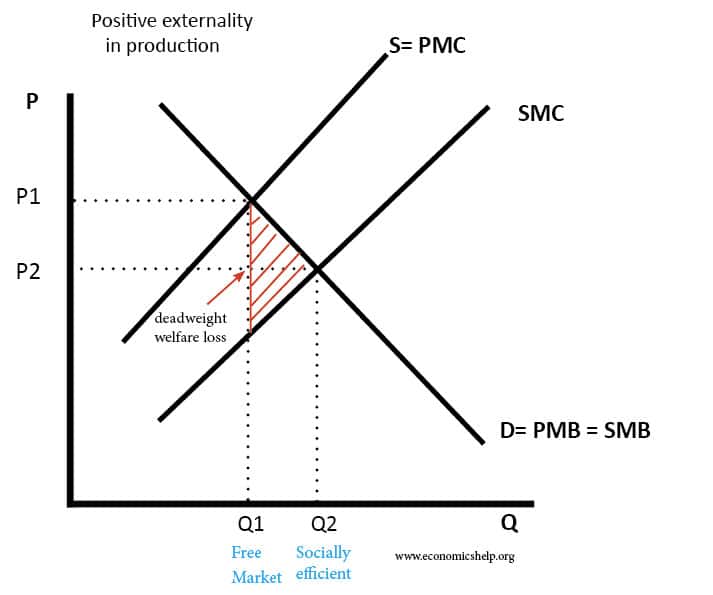
Positive externalities occur when an activity confers benefits on individuals or groups not directly involved in the transaction, and these beneficiaries do not pay for those benefits. From a financial standpoint, identifying and fostering positive externalities can lead to long-term economic growth and value creation, though the immediate returns might not be fully captured by the initial actors.
For instance, consider education. An individual pursuing higher education primarily benefits themselves through increased earning potential. However, a more educated populace also contributes to a more innovative, productive, and civically engaged society, leading to economic growth, lower crime rates, and improved public health – benefits that extend far beyond the individual student. Similarly, research and development (R&D) in new technologies often creates spillovers; an innovation by one company might be adapted and built upon by others, boosting overall industry productivity and creating new markets. For an investor, understanding positive externalities can highlight industries or companies that, despite not capturing all the value themselves, are catalysts for broader economic advancement, potentially signaling long-term market trends.
Negative Externalities: Hidden Harms
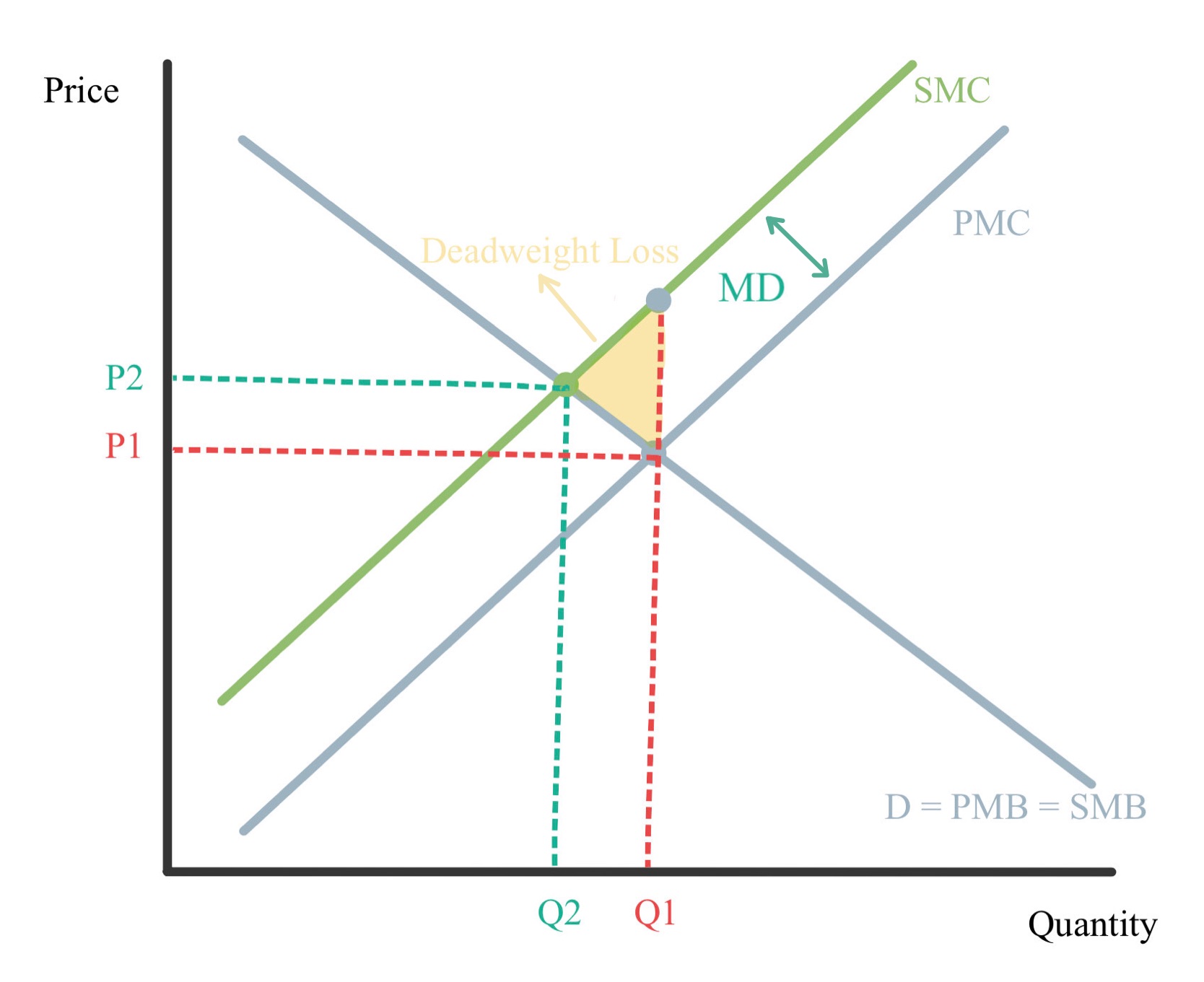
Conversely, negative externalities arise when an activity imposes costs on third parties who are not compensated for those costs. These are often the most visible and concerning type of externality, leading to significant societal problems and posing substantial financial risks for businesses and investors.
Pollution is the quintessential example. A manufacturing plant that discharges waste into a river reduces the water quality for downstream communities, impacting fishing industries, tourism, and public health. The plant’s production costs do not reflect these environmental damages; thus, the price of its goods is artificially low from a societal perspective, leading to overproduction. Traffic congestion from increased private car usage, noise pollution from airports or construction, and the health costs associated with smoking are other common examples. From a business finance perspective, negative externalities can lead to regulatory fines, legal liabilities, reputational damage, and boycotts, all of which directly impact the bottom line and shareholder value. Identifying companies with significant unaddressed negative externalities is crucial for risk management in investment portfolios.
Externalities in Business Finance and Operations
For businesses, understanding externalities is not merely an academic exercise; it directly impacts financial performance, strategic planning, and risk management. Companies operate within a complex ecosystem where their decisions have ripple effects that can either enhance or erode value.
Impact on Profitability and Risk Assessment
Businesses that generate significant negative externalities often face increasing scrutiny from regulators, environmental groups, and the public. This can translate into tangible financial costs:
- Regulatory Penalties: Governments often impose taxes (e.g., carbon taxes), fines, or require costly pollution control technologies to mitigate negative externalities. These directly increase operating expenses.
- Legal Liabilities: Lawsuits from affected third parties (e.g., communities impacted by pollution) can result in massive legal fees, compensation payouts, and damage to brand reputation.
- Operational Constraints: New regulations might force changes in production processes, supply chains, or product design, leading to increased capital expenditure or reduced operational efficiency.
- Reputational Damage: Negative publicity surrounding externalities can lead to consumer boycotts, difficulty in attracting talent, and diminished brand loyalty, all impacting sales and profitability.
Conversely, businesses that generate positive externalities, or actively mitigate negative ones, can build stronger brands, attract ethical investors, and potentially access new markets or subsidies. For example, a company investing in sustainable packaging not only reduces its environmental footprint but may also appeal to environmentally conscious consumers, boosting sales and brand equity. From a business finance perspective, accurately assessing and accounting for potential externality costs and benefits is vital for robust financial forecasting and risk assessment.
Corporate Social Responsibility and Externalities
The rise of Corporate Social Responsibility (CSR) and Environmental, Social, and Governance (ESG) frameworks is largely a direct response to the economic and social impacts of externalities. Companies are increasingly expected to internalize externalities—meaning to incorporate the social and environmental costs or benefits of their activities into their private cost-benefit calculations. This isn’t just about altruism; it’s about long-term financial sustainability.
A firm that responsibly manages its waste, invests in community development, or adopts fair labor practices is effectively mitigating potential negative externalities and generating positive ones. This proactive approach can lead to several financial advantages: improved access to capital from ESG-focused investors, enhanced brand reputation, better employee retention, reduced regulatory risk, and even innovation that creates new, more sustainable product lines. For business finance professionals, integrating externality analysis into strategic decision-making becomes critical for long-term value creation and managing stakeholder expectations.
Investing with an Eye on Externalities
For investors, understanding externalities offers a powerful lens through which to evaluate the true risk and long-term potential of companies and industries. Traditional financial analysis often focuses on internal financials, but externalities reveal crucial external factors that can profoundly impact future returns.
ESG Investing as a Response
ESG investing has emerged as a mainstream approach that explicitly considers externalities. Investors using ESG criteria seek to identify companies that perform well on environmental (e.g., carbon footprint, resource management), social (e.g., labor practices, community relations), and governance (e.g., board diversity, executive compensation) metrics. This is a direct attempt to account for the financial implications of externalities.
Companies with poor environmental records face higher risks of fines, litigation, and operational disruptions. Those with poor social records might suffer from boycotts, labor unrest, and reputational damage. By screening for these factors, ESG investors aim to mitigate risk and identify financially resilient companies that are better positioned for long-term success in an increasingly regulated and socially conscious world. Fund managers and financial advisors now routinely incorporate ESG factors into their recommendations, recognizing that ignored externalities can become material financial risks.
Identifying Long-Term Value and Risk
An investor keen on identifying sustainable value must look beyond immediate profits. A company generating high profits today by extensively polluting or exploiting labor might face significant future costs as regulations tighten, public opinion shifts, or legal challenges arise. These are “unpriced risks” that externality economics helps to illuminate.
Conversely, a company that invests heavily in R&D, sustainable practices, or employee welfare might appear to have lower short-term profits but is building a stronger foundation for future growth and resilience. These investments generate positive externalities (e.g., skilled workforce, cleaner environment, technological advancement) that, while not fully reflected in the company’s immediate financials, contribute to broader economic health and can lead to long-term competitive advantages. Investors who incorporate externality analysis into their due diligence can make more informed decisions, potentially avoiding financially vulnerable companies and identifying those poised for sustainable growth.
Government Intervention and Market Solutions
Given that externalities lead to market failures, governments often intervene to correct these imbalances. However, market-based solutions also exist, offering alternative ways to internalize costs and benefits.
Regulatory Frameworks and Taxes
Governments employ various tools to address externalities:
- Regulation: Setting limits on pollution, mandating safety standards, or requiring specific technologies are direct regulatory approaches. While effective, they can be inflexible and costly to enforce.
- Pigouvian Taxes: Named after economist Arthur Pigou, these are taxes levied on activities that generate negative externalities. A carbon tax, for example, makes polluters pay for the social cost of their emissions, theoretically leading them to reduce pollution to an economically efficient level. This revenue can then be used to fund public goods or reduce other taxes.
- Subsidies: To encourage activities with positive externalities (e.g., vaccinations, education, renewable energy), governments may offer subsidies to reduce the private cost, thereby increasing production or consumption to a socially optimal level.
- Cap-and-Trade Systems: For pollution, governments can set an overall limit (cap) on emissions and issue tradable permits. Companies that reduce emissions below their cap can sell their excess permits, creating a financial incentive for efficiency. This market-based approach often leads to cost-effective pollution reduction.
For businesses, these interventions represent both compliance costs and potential market opportunities. For individuals, understanding these policies can shed light on why certain goods are taxed or subsidized, influencing personal financial decisions and public goods provision.
Property Rights and Coase Theorem
Beyond government intervention, economists like Ronald Coase proposed that under certain conditions, private parties could solve externality problems themselves without government intervention. The Coase Theorem suggests that if property rights are clearly defined and transaction costs are low, affected parties can negotiate and bargain to reach an efficient outcome, regardless of who initially holds the property rights.
For example, if a factory pollutes a river and property rights to clean water are clearly assigned to the downstream community, the community could negotiate with the factory. Either the factory pays the community for the right to pollute, or the community pays the factory to reduce pollution. The optimal outcome—where the social cost is minimized—can theoretically be reached through private bargaining. While the theorem has limitations in real-world scenarios (high transaction costs, numerous parties), it highlights the importance of well-defined legal frameworks and property rights in facilitating market-based solutions to externality issues.
Personal Finance and Everyday Economic Choices
Externalities are not just abstract concepts for large corporations or governments; they permeate everyday life and influence personal financial decisions. As consumers, our choices have ripple effects. For instance, opting for public transport over a private car reduces traffic congestion and air pollution (positive externalities for others). Choosing locally sourced products can reduce transportation-related emissions and support local economies.
Understanding externalities can empower individuals to make more informed choices that align with their values and contribute to broader societal well-being. From an online income or side hustle perspective, recognizing unmet societal needs due to negative externalities can even inspire new business ventures. For example, a side hustle focused on sustainable waste management or creating educational content could tap into demands driven by a desire to mitigate negative externalities or enhance positive ones. Ultimately, a comprehensive understanding of externality economics enriches our comprehension of financial markets, business ethics, and our individual roles within the broader economic system.
aViewFromTheCave is a participant in the Amazon Services LLC Associates Program, an affiliate advertising program designed to provide a means for sites to earn advertising fees by advertising and linking to Amazon.com. Amazon, the Amazon logo, AmazonSupply, and the AmazonSupply logo are trademarks of Amazon.com, Inc. or its affiliates. As an Amazon Associate we earn affiliate commissions from qualifying purchases.