
Evenity, known generically as romosozumab, represents a significant advancement in the treatment of osteoporosis, specifically for postmenopausal women at high risk of fracture. While its primary identity is as a medical breakthrough, understanding “what Evenity is” in today’s healthcare landscape necessitates a deep dive into its multifaceted financial and economic dimensions. From the colossal investments in its research and development to its pricing, market access, and impact on healthcare budgets and personal finances, Evenity serves as a compelling case study for the intricate economics of modern pharmaceuticals.
The Economics of Pharmaceutical Innovation: From Lab to Market
The journey of any novel drug like Evenity from concept to patient is an extraordinary feat of scientific endeavor, but it is equally an immense financial undertaking. Developing a new pharmaceutical involves staggering costs, extensive timelines, and significant risks.
The R&D Investment Curve
Before Evenity could ever reach a patient, years, often decades, of meticulous research and development were required. This process typically begins with basic scientific research to understand disease mechanisms, followed by drug discovery—identifying potential compounds that could modulate these mechanisms. For a biologic like Evenity, which is a monoclonal antibody, this involves complex biotechnological processes. Each stage incurs substantial costs:
- Pre-clinical research: Laboratory and animal studies to assess safety and efficacy. This can cost millions and often results in many failed candidates.
- Clinical trials: Human trials are the most expensive phase, divided into three or four phases. Phase 1 evaluates safety in a small group, Phase 2 assesses efficacy and side effects in a larger group, and Phase 3 involves thousands of patients to confirm efficacy, monitor side effects, and compare with standard treatments. These trials involve extensive monitoring, data collection, and regulatory compliance.
- Regulatory approval: The rigorous process of submitting data to regulatory bodies like the FDA in the U.S. or EMA in Europe, requiring comprehensive documentation and review, also adds to the cost and timeline.
The average cost to bring a new drug to market is often estimated in the billions of dollars, factoring in the numerous failures for every successful drug. This substantial upfront investment underpins the eventual pricing strategies for innovative medicines like Evenity.
Patent Protection and Market Exclusivity
To incentivize pharmaceutical companies to undertake such enormous financial risks and R&D expenditures, intellectual property rights, primarily patents, are crucial. Upon approval, Evenity benefits from patent protection and market exclusivity periods. These mechanisms grant the manufacturer (Amgen/UCB) the sole right to market the drug for a specific period, typically around 20 years from the patent filing date, though effective market exclusivity is often shorter due to development time. This exclusivity is fundamental to allowing companies to recoup their investment and generate profits, which can then be reinvested into further research. Without this protection, the financial incentive for developing complex, high-cost innovations like Evenity would be severely diminished.
Pricing Strategies and Market Access for Evenity
The price of a pharmaceutical product is a complex interplay of various factors, reflecting not only the cost of development but also its perceived value, market dynamics, and the specific healthcare system it enters.
Value-Based Pricing and Therapeutic Benefit
Evenity’s pricing strategy likely incorporates a value-based approach. This means its price is, in part, determined by the clinical value it offers compared to existing treatments. Evenity’s unique dual mechanism of action—increasing bone formation and decreasing bone resorption—positions it as a potentially more effective option for patients with severe osteoporosis and high fracture risk. The economic value ascribed to preventing debilitating fractures, improving quality of life, and potentially reducing long-term healthcare costs associated with fractures (hospitalizations, rehabilitation, chronic pain) plays a significant role in justifying its price point. However, quantifying this value is challenging and often leads to debate between manufacturers, payers, and patient advocacy groups.
Navigating Insurance Coverage and Formularies
For patients to access Evenity, it must be covered by health insurance plans. This involves intricate negotiations between the manufacturer and various payers (private insurance companies, Medicare, Medicaid, national health systems). These negotiations often involve:
- Formulary placement: Whether Evenity is included on an insurer’s list of covered drugs, and at what tier (which determines patient out-of-pocket costs).
- Rebates and discounts: Manufacturers frequently offer rebates to payers in exchange for favorable formulary placement.
- Prior authorization and step therapy: Insurers often implement mechanisms like prior authorization (requiring a doctor to justify the prescription) or step therapy (requiring patients to try less expensive drugs first) to manage costs and ensure appropriate use.
The success of these market access strategies directly impacts Evenity’s sales volume and the financial burden placed on patients.
Evenity’s Impact on Healthcare Systems and Budgets

High-cost specialty drugs like Evenity have a substantial impact on national healthcare expenditures and the financial sustainability of healthcare systems globally.
Budget Impact Analysis and Healthcare Spending
Healthcare policymakers and payers conduct budget impact analyses to understand how the introduction of a new drug like Evenity will affect overall healthcare spending. While Evenity can prevent costly fractures, its acquisition cost per patient is high. This creates a tension between the immediate budgetary impact of the drug’s price and the potential long-term savings from averted fractures and improved patient outcomes. Health systems must balance the imperative to provide cutting-edge treatments with the need to manage finite resources responsibly. The overall financial burden of osteoporosis, including direct medical costs and indirect costs from lost productivity, further contextualizes the economic role of treatments that aim to mitigate this burden.
Provider Reimbursement and Administration Costs
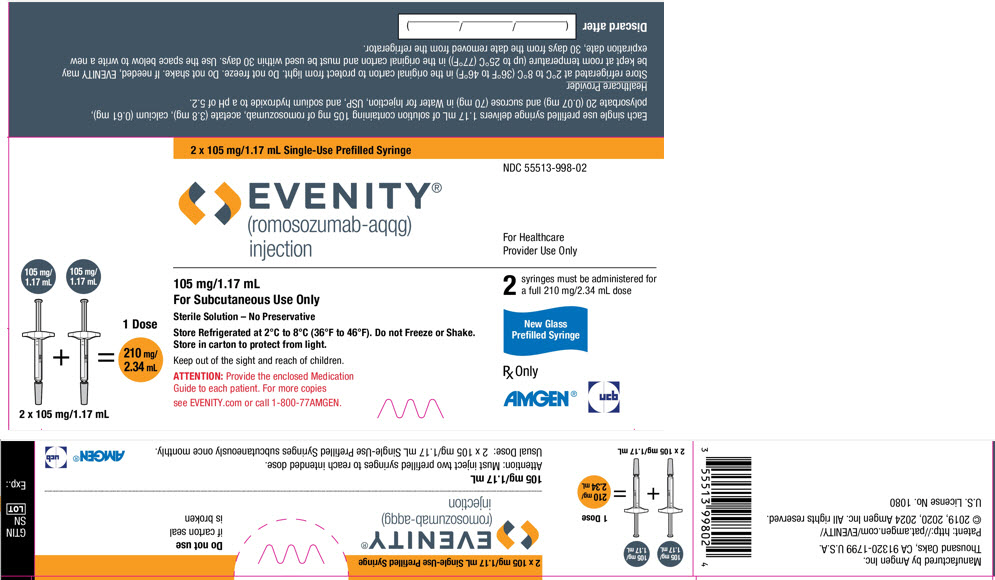
For healthcare providers, administering Evenity—which is given as two subcutaneous injections once a month for 12 months—involves costs beyond the drug itself. These include staff time for preparation and administration, facility costs, and potential costs for managing side effects. Providers are reimbursed for these services by insurers, but the complexity of coding, billing, and fluctuating reimbursement rates can create financial challenges for clinics and hospitals. Understanding the full cost of care, encompassing the drug, administration, and associated services, is vital for both providers and payers.
Personal Financial Considerations for Patients
For the individual patient, accessing a high-cost medication like Evenity can present significant personal financial challenges, despite insurance coverage.
Out-of-Pocket Costs and Financial Burden
Even with insurance, patients may face substantial out-of-pocket costs, including deductibles, co-pays, and co-insurance. For a drug like Evenity, which can have a list price in the thousands of dollars per dose, these patient responsibilities can quickly accumulate, creating a significant financial burden. The cumulative cost over the 12-month treatment period can be prohibitive for many, leading to adherence issues or even foregone treatment. This highlights the critical intersection of healthcare economics and personal finance, where medical necessity meets individual affordability.
Patient Assistance Programs and Financial Tools
Recognizing the potential financial barriers, pharmaceutical manufacturers and non-profit organizations often offer patient assistance programs (PAPs). These programs can help eligible patients with financial needs by providing free or discounted medication, co-pay assistance, or guidance on navigating insurance claims. For patients considering Evenity, exploring these financial tools is a crucial step in managing the cost of treatment. Understanding eligibility criteria and application processes for such programs can significantly alleviate personal financial stress and improve access to essential medication.
Investment Landscape and Shareholder Value
From the perspective of business finance and investing, Evenity represents a valuable asset for its manufacturers, Amgen and UCB.
Market Potential and Revenue Generation
Evenity targets a specific, high-risk patient population within the broader osteoporosis market. Its novel mechanism of action and efficacy profile position it as a significant revenue generator. Investors scrutinize sales forecasts, market penetration rates, and competitive dynamics to assess Evenity’s contribution to the companies’ top lines. Successful market adoption directly translates to increased revenue, strengthening the financial health of the pharmaceutical firms and potentially driving shareholder value.

Strategic Portfolio Management and Future Investments
For large pharmaceutical companies, a drug like Evenity is part of a broader portfolio. Its success helps fund further research into new drugs, support existing product lines, and maintain a competitive edge. Decisions about pricing, marketing, and market expansion for Evenity are strategic, aimed at maximizing its lifetime value while balancing ethical considerations and regulatory pressures. The financial performance of drugs like Evenity influences stock valuations, investor confidence, and the ability of these companies to attract capital for future innovation.
In conclusion, “what Evenity is” extends far beyond its scientific formulation. It is a powerful illustration of the intricate financial ecosystem that underpins modern medicine. From billions in R&D investment and complex pricing negotiations to its impact on national healthcare budgets and individual patient finances, Evenity embodies the economic realities and challenges inherent in bringing life-changing pharmaceutical innovations to those who need them most.
aViewFromTheCave is a participant in the Amazon Services LLC Associates Program, an affiliate advertising program designed to provide a means for sites to earn advertising fees by advertising and linking to Amazon.com. Amazon, the Amazon logo, AmazonSupply, and the AmazonSupply logo are trademarks of Amazon.com, Inc. or its affiliates. As an Amazon Associate we earn affiliate commissions from qualifying purchases.