
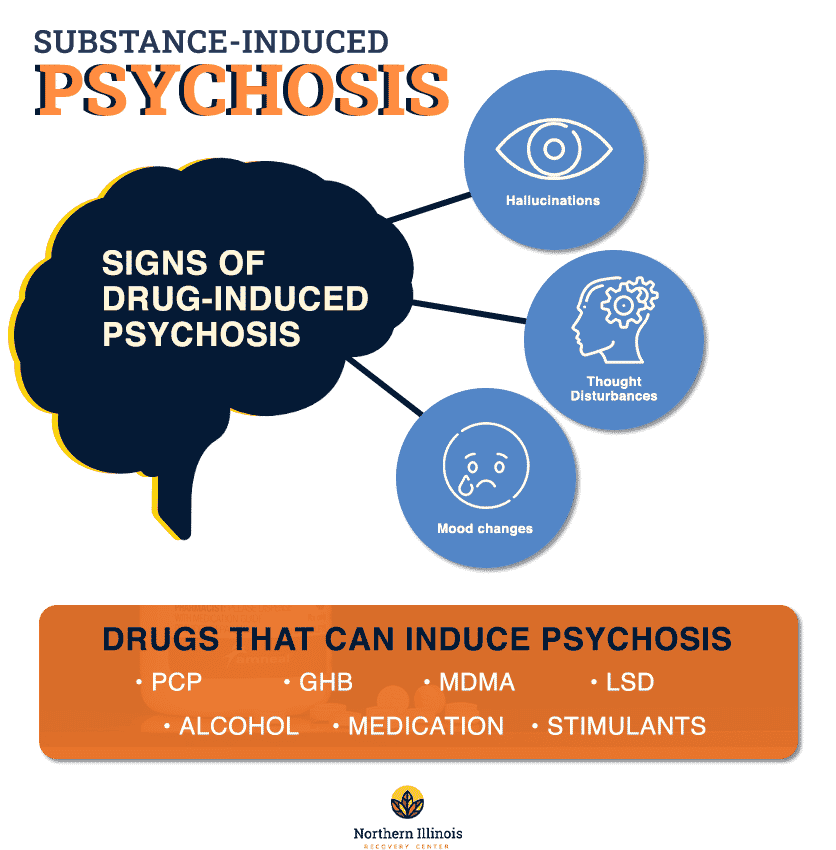
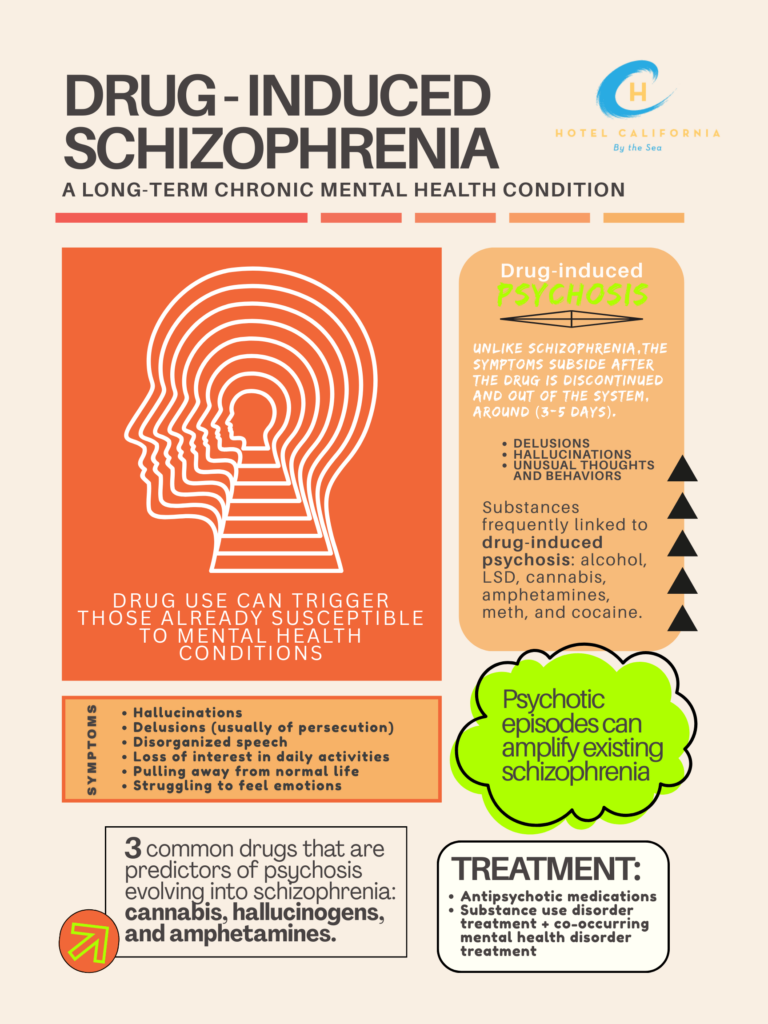
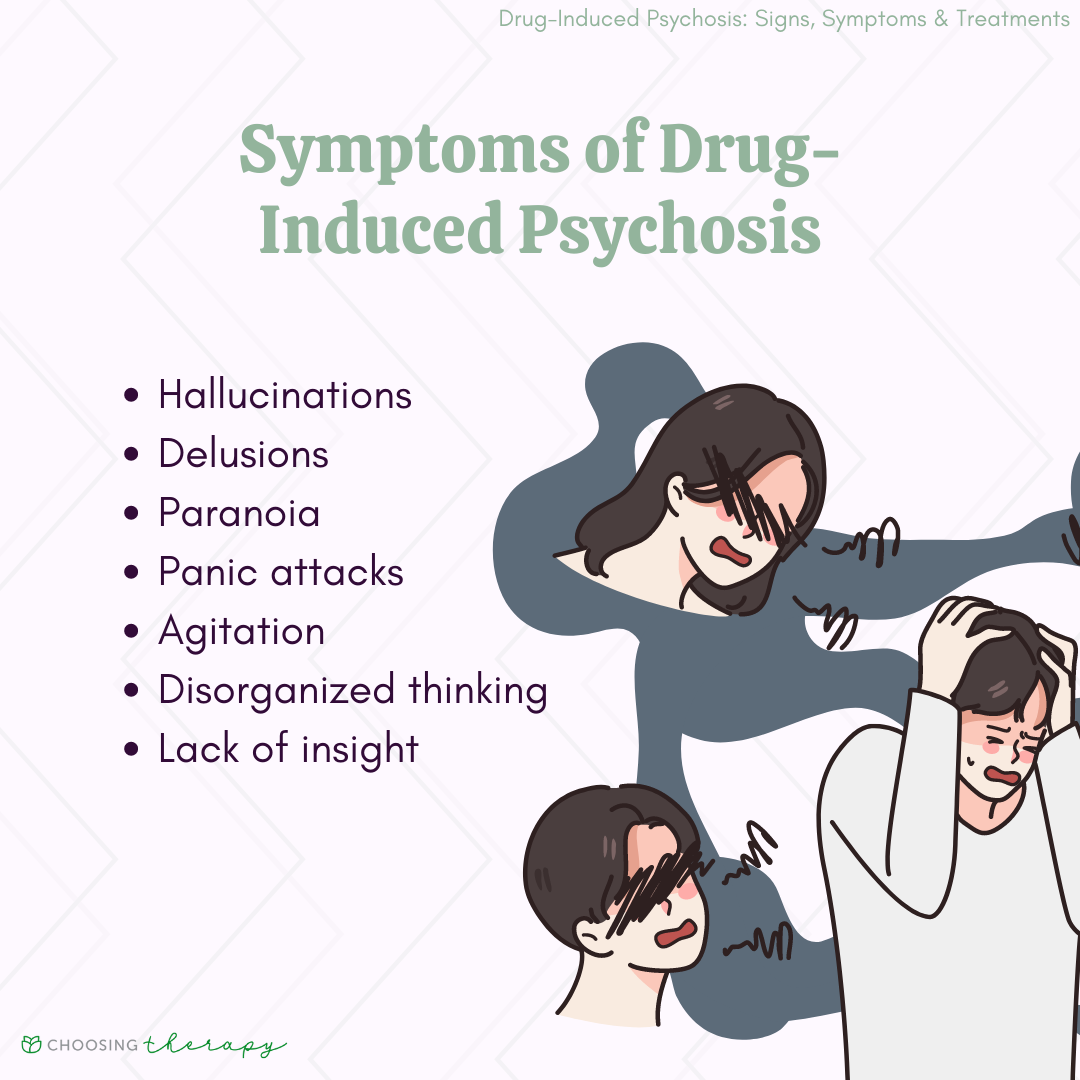
Drug-induced psychosis represents a severe mental health crisis, characterized by a sudden onset of psychotic symptoms such as hallucinations, delusions, and disorganized thought patterns, directly attributable to the use or withdrawal of psychoactive substances. While the immediate focus during such an episode is understandably on medical stabilization and psychiatric care, the long-term ramifications extend far beyond the clinical picture, imposing a profound and often devastating financial burden on individuals, families, and broader healthcare systems. Understanding drug-induced psychosis through a financial lens reveals a complex web of direct treatment costs, indirect economic losses, and the critical need for robust financial planning and support structures to mitigate its far-reaching monetary consequences. This article delves into the financial implications, challenges, and strategies associated with navigating the economic landscape of drug-induced psychosis, highlighting how this medical condition becomes a significant fiscal challenge.
The Economic Burden of Drug-Induced Psychosis
The onset of drug-induced psychosis triggers a cascade of financial challenges that can quickly deplete savings, disrupt income, and create substantial debt. The economic burden is multifaceted, encompassing both explicit, direct costs related to treatment and subtle, indirect costs stemming from lost productivity and altered life trajectories.
Direct Treatment Costs
The most immediate financial impact comes from the necessity of acute medical and psychiatric intervention. Emergency services are often the first point of contact, leading to considerable ambulance fees and emergency room charges. Following stabilization, inpatient hospitalization, frequently in specialized psychiatric units, becomes essential. These stays are often prolonged, ranging from days to weeks, incurring daily rates that can quickly accumulate into tens of thousands of dollars.
Medication costs also contribute significantly to direct expenses. Antipsychotic medications, often prescribed to manage symptoms during and after an acute episode, can be expensive, particularly for newer formulations or if multiple medications are required. Ongoing outpatient therapy, including psychotherapy and follow-up psychiatric appointments, represents a continuous expenditure, vital for relapse prevention and long-term recovery but consistently adding to the financial strain. Specialized rehabilitation programs, whether inpatient or outpatient, designed to address both the substance use disorder and the psychotic symptoms, also carry substantial fees. These programs, while crucial for comprehensive recovery, often fall outside standard insurance coverage or require significant co-pays and deductibles.
Indirect Economic Burden
Beyond the direct costs of medical care, drug-induced psychosis imposes a hefty indirect economic burden. One of the most significant is the loss of income due to inability to work. An individual experiencing psychosis may be unable to maintain employment, leading to job loss or significant periods of unemployment. For those who are primary earners, this can plunge a household into financial instability, impacting mortgage payments, rent, and basic living expenses.
Caregiver burden also presents a substantial indirect cost. Family members, often parents or spouses, may need to take time off from their own jobs to care for the affected individual, resulting in their own lost wages or career stagnation. The emotional and physical toll on caregivers is immense, but the financial strain from reduced household income and increased care-related expenses (transportation, special needs) cannot be overstated.
Furthermore, legal fees can arise from various complications, such as involuntary commitment proceedings, guardianship applications, or even minor legal infractions that may occur during a psychotic episode. These unforeseen legal expenses add another layer to the already complex financial picture. The stigma associated with mental illness and substance use can also indirectly affect economic opportunities, making it harder for individuals to re-enter the workforce even after recovery, thereby perpetuating financial hardship.
Navigating Financial Support Systems
For individuals and families grappling with the financial fallout of drug-induced psychosis, understanding and accessing available financial support systems is paramount. These resources, though often complex to navigate, can provide a crucial lifeline.
Health Insurance Coverage for Mental Health
The extent of health insurance coverage for mental health and substance use disorders varies significantly. While the Mental Health Parity and Addiction Equity Act (MHPAEA) aims to ensure that coverage for mental health and substance use disorder treatment is no more restrictive than for medical/surgical care, navigating specific policy details remains challenging. Families must meticulously review their insurance plans to understand deductibles, co-payments, out-of-pocket maximums, and coverage limits for inpatient stays, outpatient therapy, and prescription medications. Prior authorizations for treatment, network restrictions, and appeals processes can be arduous, requiring significant time and advocacy. Understanding the difference between in-network and out-of-network providers is also critical, as out-of-network care typically results in much higher personal costs. Strategic communication with insurance providers and healthcare billing departments is essential to maximize coverage and challenge unjustified denials.
Government Assistance and Disability Benefits
For individuals whose ability to work is severely compromised by drug-induced psychosis, government assistance programs can provide vital financial relief. Social Security Disability Insurance (SSDI) and Supplemental Security Income (SSI) offer monthly financial benefits and often qualify individuals for Medicare or Medicaid, respectively. Applying for these programs is a lengthy and complex process, requiring detailed medical documentation and often legal assistance to navigate. State-specific programs, such as temporary disability benefits or general assistance programs, may also be available, providing short-term financial support. Eligibility criteria vary, and understanding the requirements for each program is crucial for a successful application. These benefits, while not fully replacing previous income, can provide a foundational safety net for basic living expenses and healthcare access.
Charitable Organizations and Non-Profits
A network of charitable organizations and non-profits often provides financial aid, advocacy, and support services for individuals and families affected by mental illness and substance use disorders. Organizations such as the National Alliance on Mental Illness (NAMI) or the Substance Abuse and Mental Health Services Administration (SAMHSA) offer resources, information on treatment options, and sometimes direct financial assistance or referrals to local programs that do. Pharmaceutical assistance programs, offered by drug manufacturers, can help reduce the cost of expensive medications. Local community mental health centers, often partially funded by state and federal grants, may offer sliding-scale fees for therapy and psychiatric services, making care more affordable for those with limited income. Exploring these avenues can uncover critical support that complements insurance and government benefits.
Long-Term Financial Planning and Risk Management
Addressing drug-induced psychosis requires not only immediate crisis management but also a robust long-term financial strategy to mitigate ongoing risks and ensure stability. The chronic nature of some cases, or the risk of relapse, necessitates proactive planning.
Impact on Employment and Earning Potential
The long-term impact on an individual’s employment and earning potential is often profound. Extended periods away from work can lead to skills depreciation, loss of professional networks, and difficulty re-entering the job market. Even upon recovery, the stigma associated with a history of psychosis can pose barriers to employment. Vocational rehabilitation programs, designed to help individuals redevelop work-related skills and find suitable employment, are invaluable. Financially, families may need to adjust their budgets to account for a reduced household income for an extended period, requiring a re-evaluation of financial goals and spending habits. Diversifying income streams, if possible, or planning for a slower career progression may become necessary.
Estate Planning and Guardianship Considerations
In severe or chronic cases of drug-induced psychosis, where an individual’s capacity to manage their own finances or make sound decisions is compromised, estate planning and guardianship considerations become critical. Establishing powers of attorney for financial and healthcare decisions can ensure that a trusted individual can manage assets and make medical choices. In more extreme situations, legal guardianship may be necessary, a process that involves court intervention and can incur significant legal fees. These proactive legal measures safeguard the individual’s assets and ensure their ongoing care is managed effectively, preventing financial exploitation or neglect.
Building a Financial Safety Net
For families, building a robust financial safety net is paramount. This includes establishing an emergency fund sufficient to cover at least 6-12 months of living expenses, which can be crucial during periods of job loss or increased medical expenses. Long-term savings for potential ongoing care, including assisted living or specialized residential treatment if needed, should also be considered. Investment portfolios may need to be re-evaluated to prioritize stability and liquidity, providing accessible funds in times of crisis. Understanding the tax implications of medical expenses and potential deductions can also help optimize financial resources.
Proactive Financial Strategies for Families
Beyond reacting to crises, families benefit immensely from proactive financial strategies tailored to the potential challenges posed by drug-induced psychosis. Early intervention, informed budgeting, and professional guidance are key.
Budgeting for Ongoing Care
Creating a detailed budget that accounts for both anticipated and potential ongoing medical and therapeutic expenses is essential. This includes allocating funds for medication refills, regular therapy sessions, psychiatric consultations, and potential emergency care. Families should also factor in indirect costs such as transportation to appointments, specialized dietary needs, or modifications to the home environment if necessary. Regular review and adjustment of this budget are crucial as needs evolve. Exploring cost-saving measures, such as generic medications, university-affiliated clinics offering reduced-cost services, or support groups, can help manage expenses.
Seeking Professional Financial Advice
Navigating the complex financial landscape associated with a severe mental health condition can be overwhelming. Engaging a financial planner specializing in healthcare crises or special needs planning can provide invaluable guidance. These professionals can help optimize insurance claims, explore investment strategies that align with long-term care needs, assist with disability applications, and provide advice on estate planning. They can also help families understand the financial impact of different treatment options and build a resilient financial plan for the future. Their expertise can provide clarity and peace of mind during an emotionally challenging time.
The Importance of Early Intervention
From a financial perspective, early intervention in cases of drug-induced psychosis is not just medically beneficial but also economically prudent. Addressing substance use and psychotic symptoms promptly can prevent chronic conditions, reduce the likelihood of repeated hospitalizations, minimize income loss, and mitigate the need for long-term, expensive care. The sooner effective treatment is initiated, the greater the chance of full recovery and the lower the overall financial burden on individuals and families. Investing in early screening, education, and accessible treatment options ultimately serves as a powerful financial preventative measure, protecting human capital and family stability.
aViewFromTheCave is a participant in the Amazon Services LLC Associates Program, an affiliate advertising program designed to provide a means for sites to earn advertising fees by advertising and linking to Amazon.com. Amazon, the Amazon logo, AmazonSupply, and the AmazonSupply logo are trademarks of Amazon.com, Inc. or its affiliates. As an Amazon Associate we earn affiliate commissions from qualifying purchases.