
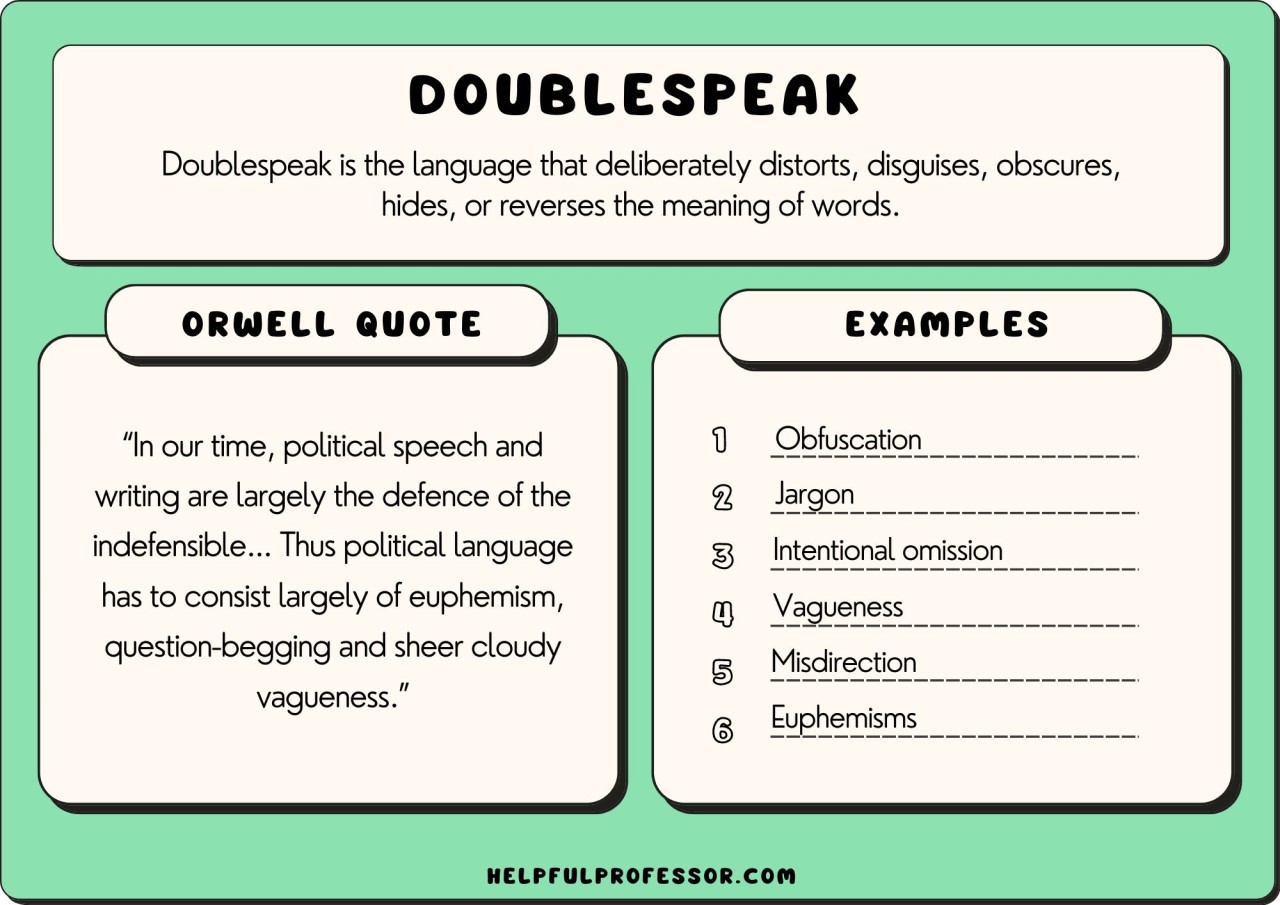
In the intricate landscape of brand communication, language serves as the primary conduit for conveying identity, values, and messages. However, not all language aims for clarity and truth. Doublespeak, a term coined to describe language that deliberately obscures, distorts, or reverses meaning, is a pervasive phenomenon in brand strategy and marketing. It’s the art of speaking in a way that appears to communicate but actually avoids saying anything direct or truthful, often employing euphemisms, jargon, inflated language, or convoluted syntax to mislead or confuse an audience. For brands, understanding doublespeak is crucial, not only to avoid its pitfalls but also to recognize its strategic — albeit often ethically questionable — deployment within corporate identity and marketing efforts.
Doublespeak as a Tool in Brand Communication
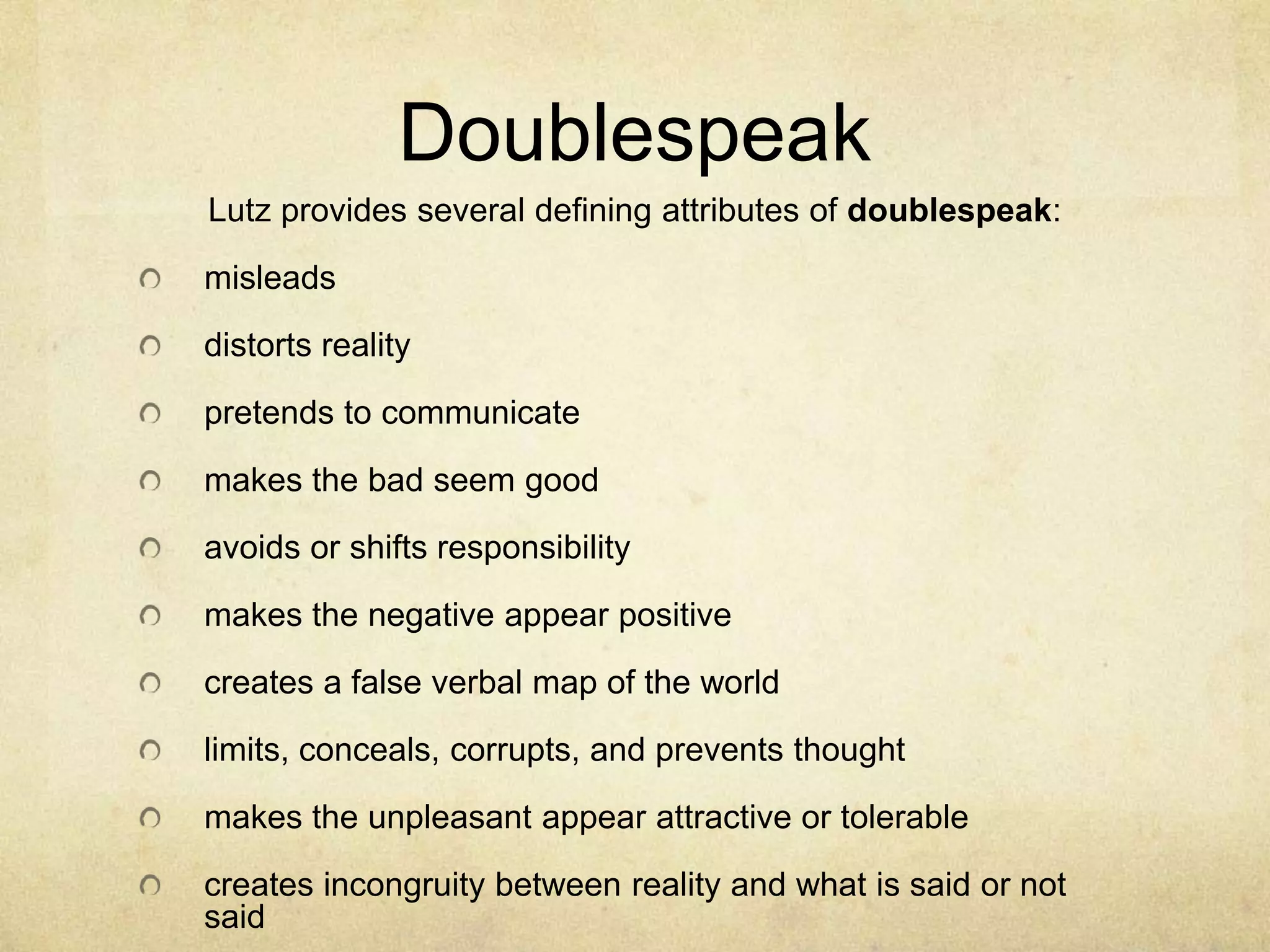
Doublespeak is not merely imprecise language; it is strategically ambiguous. Brands sometimes leverage it, consciously or unconsciously, to manage perception, mitigate negative news, or differentiate themselves in a competitive market. It manifests in various forms, each designed to serve a specific communication objective, often at the expense of transparency.
Euphemism as a Brand Shield
Euphemisms are perhaps the most common form of doublespeak in branding. They replace harsh or unpleasant realities with milder, more palatable terms. A company facing layoffs might announce “workforce optimization,” “resource reallocation,” or “right-sizing initiatives.” A product recall due to a defect might be described as a “voluntary product enhancement program” or a “customer satisfaction improvement measure.” The intent is to soften the blow, deflect blame, or create a more positive narrative around an otherwise negative event. While euphemisms can temper language for sensitive situations, their misuse can be perceived as an attempt to hide the truth, damaging a brand’s integrity over time.
Jargon as a Barrier to Transparency
Industry-specific jargon, while necessary for internal communication among experts, often becomes doublespeak when used externally to obscure simplicity or inflate importance. Tech brands, for instance, might use terms like “synergistic ecosystem integrations” instead of “linking our products,” or describe a simple software update as a “transformative architectural overhaul leveraging proprietary AI-driven algorithms.” Financial institutions frequently employ complex terminology in product descriptions or terms and conditions, making it challenging for the average consumer to fully grasp what they are signing up for. This specialized language can create an illusion of expertise and sophistication while simultaneously alienating or confusing the very audience it aims to attract, often serving to mask limitations or potential drawbacks.
Inflated Language and Vague Promises
Another prevalent form of doublespeak involves the use of inflated or hyperbolic language that sounds impressive but conveys little substantive meaning. Marketing copy often employs this, promising “next-generation solutions for unparalleled performance,” “revolutionary platforms for holistic empowerment,” or “cutting-edge innovation driving sustainable transformation.” These phrases are deliberately vague, designed to evoke positive feelings and aspirations without committing to specific, measurable outcomes. While aspirational language has its place in brand storytelling, when it consistently lacks substance or specific details, it descends into doublespeak. Such language can create an initial buzz but ultimately leads to consumer skepticism when the promised transformative experience fails to materialize, eroding trust in the brand’s core identity.
Why Brands Employ Doublespeak
The strategic deployment of doublespeak in brand strategy is often driven by a desire to control narratives, manage public relations, and navigate complex business challenges. It’s a mechanism for perception management, often chosen over direct, unvarnished communication.
Managing Public Perception and Crisis
During times of crisis, a brand’s reputation hangs precariously. Doublespeak can be a knee-jerk reaction to protect corporate identity and brand equity. When faced with negative press, product failures, or ethical lapses, brands might resort to euphemisms or vague statements to minimize damage. Describing a data breach as an “unauthorized access event” or a failure to meet regulatory standards as “non-compliance variance” aims to downplay the severity and shift focus away from accountability. While it might offer a temporary shield, this approach often backfires, leading to accusations of evasiveness and further damaging public trust.
Softening Unpopular Decisions
Corporate decisions that are likely to be met with public disapproval, such as price increases, service reductions, or controversial policy changes, are frequently presented using doublespeak. A price hike might be framed as a “value adjustment” or “investment in enhanced service delivery.” Reducing product features could be termed “streamlining for efficiency” or “optimizing user experience.” The goal is to make the decision seem inevitable, beneficial, or at least less objectionable than it truly is. This tactic seeks to mitigate consumer backlash and maintain a positive brand image, but often at the cost of genuine communication.
Differentiating in a Crowded Market
In highly competitive industries, brands are constantly seeking ways to stand out. Some resort to inflated language and nebulous promises as a differentiation strategy. They attempt to paint their offerings as uniquely innovative or superior using buzzwords and abstract concepts, rather than focusing on tangible benefits or demonstrable value. This can create a superficial sense of distinction that, while perhaps attracting initial attention, ultimately fails to build lasting customer loyalty if the underlying product or service doesn’t deliver on the grandiose claims. The continuous escalation of such language across an industry can also lead to an overall erosion of credibility, as consumers become desensitized to marketing hyperbole.
The Impact on Corporate Identity and Trust
While doublespeak might offer short-term tactical advantages, its long-term effects on a brand’s corporate identity and public trust are overwhelmingly negative. Authenticity and transparency are cornerstones of strong branding, and doublespeak directly undermines both.
Erosion of Credibility
A brand built on doublespeak quickly loses its credibility. When consumers consistently encounter misleading or evasive language, they begin to question the brand’s honesty and integrity. This erosion of trust can be incredibly difficult to repair, as it strikes at the very core of a brand’s promise. A brand that is perceived as deceptive or untrustworthy will struggle to retain customers, attract new ones, or even command a premium for its products and services. The perceived value of the brand diminishes significantly, regardless of the quality of its offerings.
Consumer Skepticism and Backlash
Modern consumers are increasingly sophisticated and skeptical. They are adept at recognizing doublespeak and often react with cynicism or outright anger. Social media platforms amplify consumer voices, allowing for rapid dissemination of frustration and criticism when a brand is perceived as being disingenuous. What might have once been a quietly accepted euphemism can now spark widespread backlash, leading to public relations nightmares, boycotts, and significant damage to brand reputation. The age of transparency demands that brands speak plainly and honestly, or face the consequences of an informed and vocal public.
Internal Culture and Employee Morale
The impact of doublespeak isn’t confined to external perceptions; it also profoundly affects internal corporate identity and employee morale. When a company consistently communicates internally using evasive language or expects its employees to parrot such language externally, it fosters a culture of dishonesty and distrust. Employees may become disillusioned, feeling that their work is not valued transparently or that they are being asked to compromise their own integrity. This can lead to decreased productivity, higher employee turnover, and a fractured internal brand, ultimately weakening the organization from within. A strong corporate identity is built on shared values and clear communication, both of which are jeopardized by the pervasive use of doublespeak.
Cultivating Authenticity: A Brand’s Antidote to Doublespeak
In an era where authenticity reigns supreme, brands have a powerful opportunity to distinguish themselves by rejecting doublespeak in favor of clear, honest communication. This commitment to transparency can become a core pillar of their brand strategy, fostering deep trust and loyalty.
The Power of Clarity and Authenticity
Authentic brands speak plainly. They acknowledge challenges, celebrate successes without exaggeration, and communicate their values with sincerity. This doesn’t mean always sharing every internal detail, but rather ensuring that all external communication is grounded in truth and reflects a genuine understanding of their audience’s needs and concerns. Brands that prioritize clarity build stronger, more resilient relationships with their customers, investors, and employees. This commitment to authenticity enhances personal branding for leaders and strengthens the overall corporate identity, making the brand more relatable and human.
Building a Transparent Brand Voice
Developing a transparent brand voice requires conscious effort and strategic planning. It involves training marketing teams, public relations personnel, and even product developers to communicate in a straightforward manner, avoiding jargon, hyperbole, and euphemisms that obscure meaning. This means:
- Plain Language Policies: Adopting guidelines that mandate clear, concise, and accessible language across all brand touchpoints, from website copy to legal disclaimers.
- Honest Disclosure: Being upfront about product limitations, challenges faced, or unpopular decisions, framing them in an honest context rather than attempting to hide or sugarcoat them.
- Consistency: Ensuring that the transparent voice is consistent across all platforms and communications, reinforcing the brand’s commitment to honesty.
By consistently embodying a transparent voice, a brand demonstrates respect for its audience, fostering a deeper sense of connection and trust that is invaluable in the long run.
Tools for Detection and Decoding
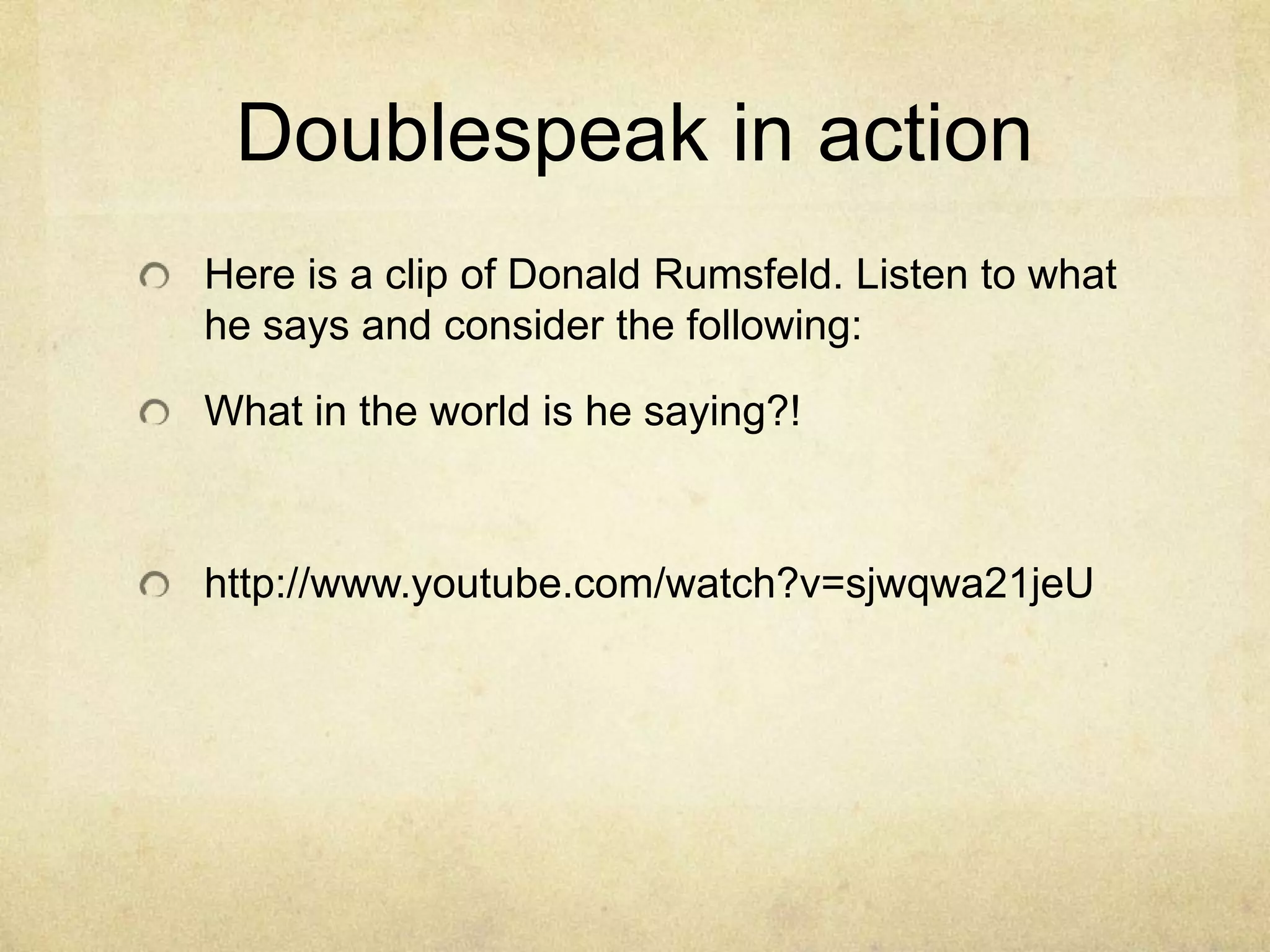
For consumers and business partners, developing a critical ear for doublespeak is an essential skill. Learning to identify evasive phrases, vague promises, and overly technical jargon allows individuals to decode the true meaning behind brand messages. Asking clarifying questions, seeking out third-party reviews, and comparing brand claims against actual performance are crucial steps. For brands themselves, regularly auditing communications for instances of doublespeak and seeking external feedback can help identify blind spots and ensure that their messaging aligns with their desired transparent corporate identity.
In conclusion, while doublespeak might appear to offer a convenient solution for navigating complex communication challenges in brand strategy, its ultimate impact is detrimental. It erodes trust, fosters skepticism, and damages the very corporate identity it purports to protect. Brands that prioritize honesty, clarity, and authenticity in their communication not only build stronger relationships but also establish a more enduring and respected presence in the marketplace. The true power of a brand lies not in its ability to manipulate language, but in its commitment to speaking the truth.
aViewFromTheCave is a participant in the Amazon Services LLC Associates Program, an affiliate advertising program designed to provide a means for sites to earn advertising fees by advertising and linking to Amazon.com. Amazon, the Amazon logo, AmazonSupply, and the AmazonSupply logo are trademarks of Amazon.com, Inc. or its affiliates. As an Amazon Associate we earn affiliate commissions from qualifying purchases.