
The Depo shot, formally known as Depo-Provera, is a widely recognized form of birth control administered via injection. While its primary function is contraception, understanding the Depo shot from a purely financial lens reveals a complex interplay of direct costs, insurance considerations, comparative expenditures, and long-term economic impacts that are crucial for sound personal finance planning. For individuals and families budgeting for healthcare, the financial implications of choosing this method warrant careful scrutiny, extending beyond the immediate price tag to encompass broader economic factors and potential future expenses.
Understanding the Direct Costs of the Depo Shot
The immediate financial outlay for the Depo shot is often the first consideration for individuals exploring this contraceptive option. These direct costs can vary significantly based on numerous factors, including the healthcare provider, geographical location, and whether the service includes an office visit alongside the injection.
Per-Dose Cost Breakdown
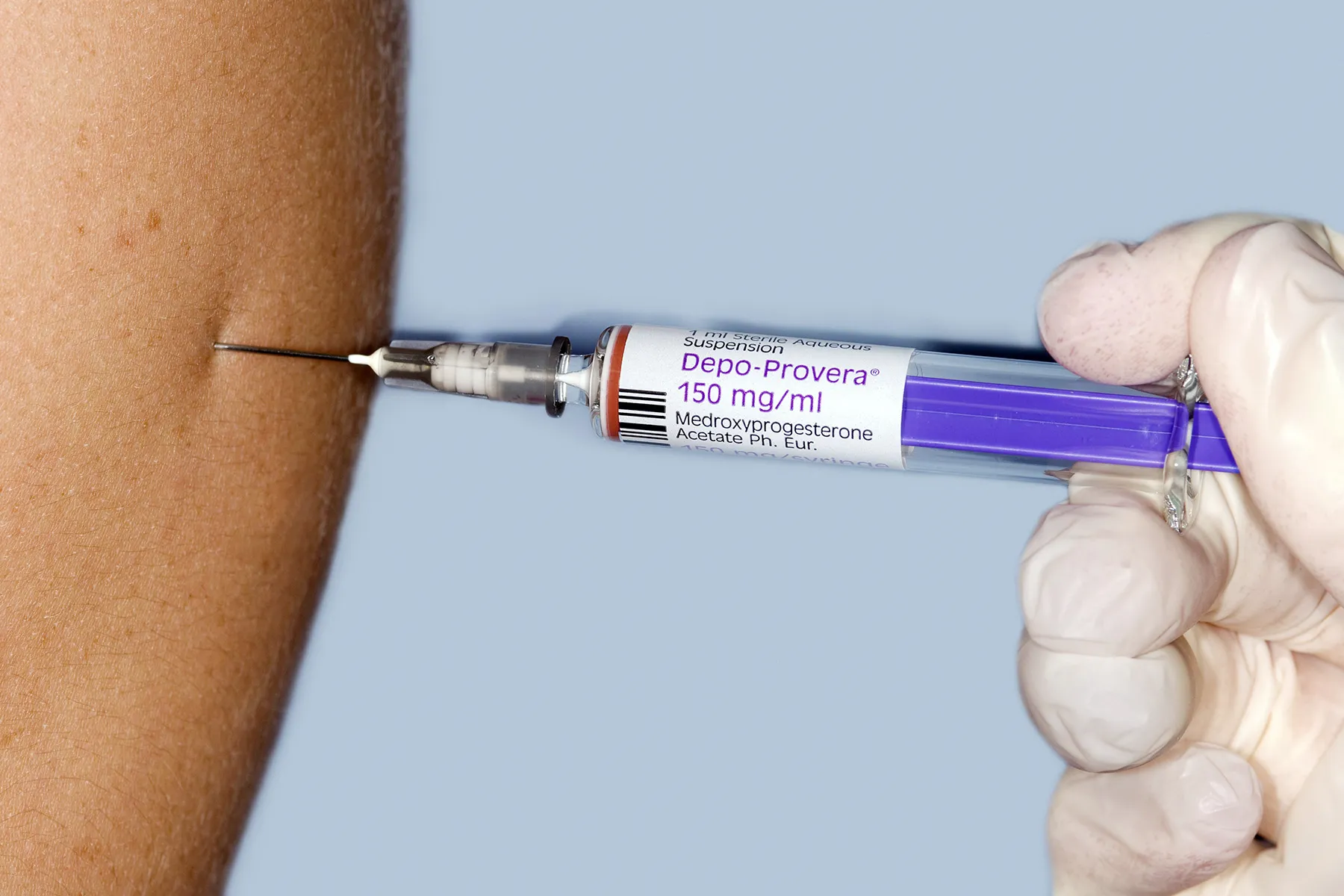
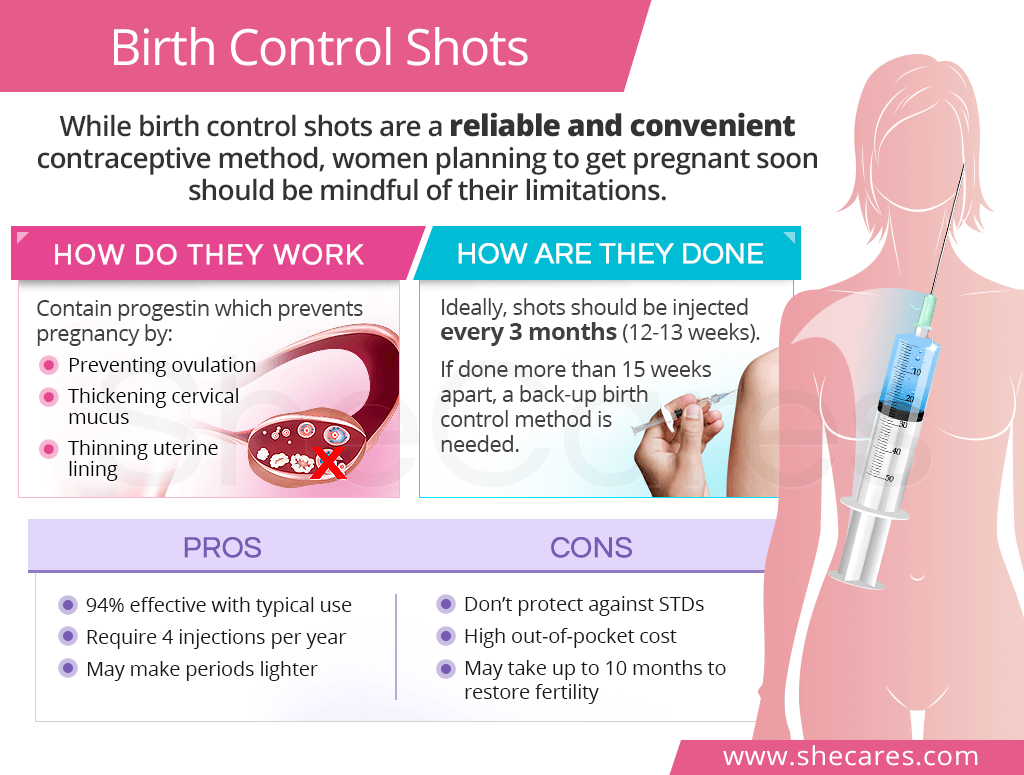
Typically, a single dose of the Depo shot needs to be administered every three months (approximately 12-13 weeks). The cash price for a single shot without insurance can range from roughly $75 to $150, sometimes even higher depending on the clinic or pharmacy. This price usually covers the medication itself and the administration fee. Some providers may separate these charges, billing for the drug and the injection service independently. It’s also important to note that certain pharmacies or health centers may offer a lower price point if purchased directly, while others might bundle it into a more comprehensive office visit fee. Understanding the itemized bill is essential to discern the true cost of each dose.
Annual Financial Commitment
When considering the Depo shot as a long-term birth control method, the annual financial commitment becomes a critical calculation. Given that four injections are required per year, the total cash outlay without insurance can range from $300 to $600 annually, potentially more. This annual sum needs to be factored into a personal budget, much like any recurring expense. For many, this quarterly expenditure might feel more manageable than a large upfront cost, such as that for an IUD, but it still represents a significant recurring line item. This consistent financial obligation necessitates proactive budgeting and financial planning to ensure sustained access to the chosen contraceptive method without financial strain.
Insurance Coverage and Payment Mechanisms
For most individuals with health insurance, the direct cash price of the Depo shot is often mitigated or entirely covered. However, navigating insurance benefits, understanding co-pays, and exploring financial assistance programs are vital steps in optimizing the financial aspect of this contraceptive choice.
Navigating Health Insurance Benefits
Under the Affordable Care Act (ACA) in the United States, most private health insurance plans are required to cover preventive services, including contraception, without co-pay or deductibles. This often extends to the Depo shot, meaning many individuals can receive the injection at no out-of-pocket cost. However, specifics can vary. Some plans might only cover generic versions, or they might have specific requirements for where the injection can be administered (e.g., in-network provider). It is crucial for individuals to contact their insurance provider directly to confirm coverage details, understand any potential out-of-pocket costs, and verify in-network providers to avoid unexpected bills. Even if the shot itself is covered, an associated office visit fee or facility charge might still apply, depending on the plan’s structure and the nature of the visit.
Government Programs and Financial Aid
For individuals without private insurance or those with high deductibles, government programs and non-profit organizations can be invaluable resources. Medicaid, for example, typically covers family planning services, including the Depo shot, with little to no out-of-pocket cost for eligible recipients. State-specific programs, often funded through Title X of the Public Health Service Act, also provide low-cost or free contraceptive services, including the Depo shot, to individuals who meet certain income criteria. Organizations like Planned Parenthood frequently offer a sliding fee scale based on income, ensuring access to contraception regardless of ability to pay. Exploring these avenues can significantly reduce or eliminate the financial burden of the Depo shot, making it an accessible option for a broader range of income levels.
HSA/FSA Eligibility and Utilization
Health Savings Accounts (HSAs) and Flexible Spending Accounts (FSAs) are tax-advantaged accounts that allow individuals to save and spend money on qualified medical expenses. The Depo shot, its administration, and any associated office visits are generally considered qualified medical expenses and thus eligible for payment using HSA or FSA funds. Utilizing these accounts can offer a financial benefit by allowing individuals to pay for their contraception with pre-tax dollars, effectively reducing the overall cost. For those with high-deductible health plans who are eligible for HSAs, funding this account specifically for recurring healthcare costs like the Depo shot can be a strategic financial move to manage out-of-pocket expenses more efficiently.
Comparative Financial Analysis with Other Contraceptive Methods
When making a financial decision about contraception, it’s not enough to look at the cost of one method in isolation. A comprehensive financial strategy involves comparing the Depo shot’s costs against those of other available birth control options over both short and long terms. This comparison highlights varying initial outlays, recurring expenses, and potential cost efficiencies.
Short-Term vs. Long-Term Cost-Effectiveness

The Depo shot’s cost structure is characterized by recurring quarterly payments. In the short term (e.g., one year), its annual cost might be comparable to, or even lower than, daily oral contraceptive pills if insurance coverage for pills is less comprehensive or involves higher co-pays. However, over a longer period, such as five or ten years, the cumulative cost of quarterly injections can add up significantly.
In contrast, methods like IUDs (intrauterine devices) or contraceptive implants, while having a higher initial upfront cost (often several hundred to over a thousand dollars without insurance), offer long-term contraception for 3 to 10 years with no further recurring costs after insertion. When spread over their effective lifespan, the annual equivalent cost of an IUD or implant can often be significantly lower than the annual cost of the Depo shot, particularly if insurance coverage is consistent across all methods. For example, a $1,000 IUD lasting five years equates to an average of $200 per year, which could be less than the out-of-pocket annual cost of the Depo shot.
IUDs, Implants, Pills: A Cost Comparison
- Oral Contraceptive Pills: Daily pills typically range from $0 (with good insurance) to $50 per month without insurance for generics, totaling $0 to $600 annually. Over five years, this could be $0 to $3,000.
- Contraceptive Implant (e.g., Nexplanon): Insertion cost ranges from $0 (with insurance) to $800-$1,300 without insurance. It lasts for up to three years. The average annual cost over its lifespan could be $0 to around $430.
- IUDs (Hormonal or Copper): Insertion costs range from $0 (with insurance) to $500-$1,300 without insurance. They last for 3 to 10 years. The average annual cost over its lifespan could be $0 to around $260.
- Depo Shot: As established, $0 (with insurance) to $300-$600 annually without insurance. Over five years, this could be $0 to $3,000.
This comparison highlights that for long-term contraception, methods with higher upfront costs but extended lifespans (like IUDs and implants) can be more cost-effective in the long run, assuming consistent insurance coverage. For individuals with limited upfront capital or those unsure about their long-term contraceptive needs, the quarterly payment structure of the Depo shot might appear more financially flexible in the short term, despite potentially higher cumulative costs.
Hidden Financial Implications and Long-Term Considerations
Beyond the direct costs and insurance coverage, the Depo shot carries potential hidden financial implications and long-term economic considerations that prudent financial planners must acknowledge. These include potential medical expenses arising from side effects, impacts on family planning budgets, and the significant financial benefit of preventing unintended pregnancies.
Potential Medical Costs from Side Effects
One of the more well-documented side effects of the Depo shot is a potential decrease in bone mineral density, particularly with prolonged use. While this effect is often reversible after discontinuing the shot, for some individuals, it could contribute to an increased risk of osteoporosis later in life. Should severe bone density issues arise, the financial implications could be substantial, involving costs for diagnostic tests (e.g., DEXA scans), medications, specialist consultations, and potentially treatments for fractures. These are indirect costs that, while not guaranteed, represent a potential long-term financial risk that should be weighed, especially for individuals with other risk factors for bone health issues. Other less common but serious side effects could also lead to additional medical expenditures.
Impact on Family Planning and Related Expenses
The Depo shot can also impact family planning timelines. While generally reversible, it can take several months, or even up to a year or more, for fertility to return after discontinuing the injections. For individuals planning to conceive, this delay can have financial repercussions. For instance, an extended period of trying to conceive might influence career decisions, income stability, or the timing of other major life purchases. Conversely, for those who wish to delay childbearing for financial readiness, the Depo shot provides a reliable means to achieve this, allowing them to accumulate savings, establish careers, and prepare financially for parenthood. The ability to control family size and timing directly translates into more predictable budgeting for future expenses related to children, education, and housing.
The Financial Benefit of Effective Contraception
Perhaps the most significant financial benefit of the Depo shot, like any effective contraceptive, is the prevention of unintended pregnancies. The costs associated with an unintended pregnancy and childbirth, followed by raising a child to adulthood, are monumental. Childbirth expenses alone can range from a few thousand dollars for a vaginal birth to tens of thousands for a C-section without comprehensive insurance. Raising a child from birth to age 18 can cost upwards of $300,000, excluding college expenses. By reliably preventing unintended pregnancies, the Depo shot offers profound financial security and autonomy, allowing individuals to align their reproductive choices with their financial goals and capabilities. This long-term financial safeguarding against potentially overwhelming expenses is a core value proposition of any effective birth control method.
Budgeting for Reproductive Healthcare
Integrating the costs of the Depo shot into a personal finance strategy requires proactive planning and a clear understanding of one’s financial landscape. This involves not only setting aside funds but also actively seeking the most cost-effective avenues for healthcare.
Integrating Contraceptive Costs into Personal Finance
Whether the Depo shot is covered by insurance or paid out-of-pocket, it should be explicitly accounted for in a personal budget. For those with insurance, understanding co-pays or potential office visit fees means setting aside a modest quarterly amount. For those without insurance, the full cash price dictates a more substantial quarterly allocation. Creating a dedicated savings category for healthcare expenses, or specifically for contraception, can prevent financial strain when the payment is due. This disciplined approach ensures that healthcare choices are sustainable and do not derail broader financial goals, such as saving for a home, retirement, or debt repayment.
Seeking Cost-Effective Healthcare Solutions
To minimize the financial burden of the Depo shot, individuals should actively seek the most cost-effective healthcare solutions. This might involve comparing prices between different clinics or pharmacies, especially if paying cash. Utilizing community health centers, public health departments, or family planning clinics (like Planned Parenthood) often results in lower costs due to their mission-driven pricing and access to government funding. Asking about generic versions of the drug (though Depo-Provera is typically branded, generic equivalents might exist or be preferred by some insurance plans) or patient assistance programs from pharmaceutical companies can also yield savings. Engaging in open dialogue with healthcare providers about cost concerns can also lead to referrals to more affordable options or discussions about alternative, potentially more cost-effective, birth control methods that align with both medical and financial needs.
aViewFromTheCave is a participant in the Amazon Services LLC Associates Program, an affiliate advertising program designed to provide a means for sites to earn advertising fees by advertising and linking to Amazon.com. Amazon, the Amazon logo, AmazonSupply, and the AmazonSupply logo are trademarks of Amazon.com, Inc. or its affiliates. As an Amazon Associate we earn affiliate commissions from qualifying purchases.