
Customer support, at its core, is the provision of service to customers before, during, and after a purchase. However, to confine its definition solely to problem-solving or technical assistance is to overlook its profound strategic importance in the modern business landscape. Far from being a mere cost center or a reactive function, customer support is a dynamic, integral component of brand building, corporate identity, and sophisticated marketing strategy. It represents a brand’s promise in action, a tangible manifestation of its values, and a crucial touchpoint that shapes customer perception and loyalty.
The Foundational Role of Customer Support in Brand Building
A brand is more than just a logo, a name, or a product; it is the sum of all experiences a customer has with a company. In this comprehensive view, customer support emerges not as an afterthought but as a cornerstone of brand identity. It’s where a brand’s stated values are tested and proven, or disproven, in real-time interactions.
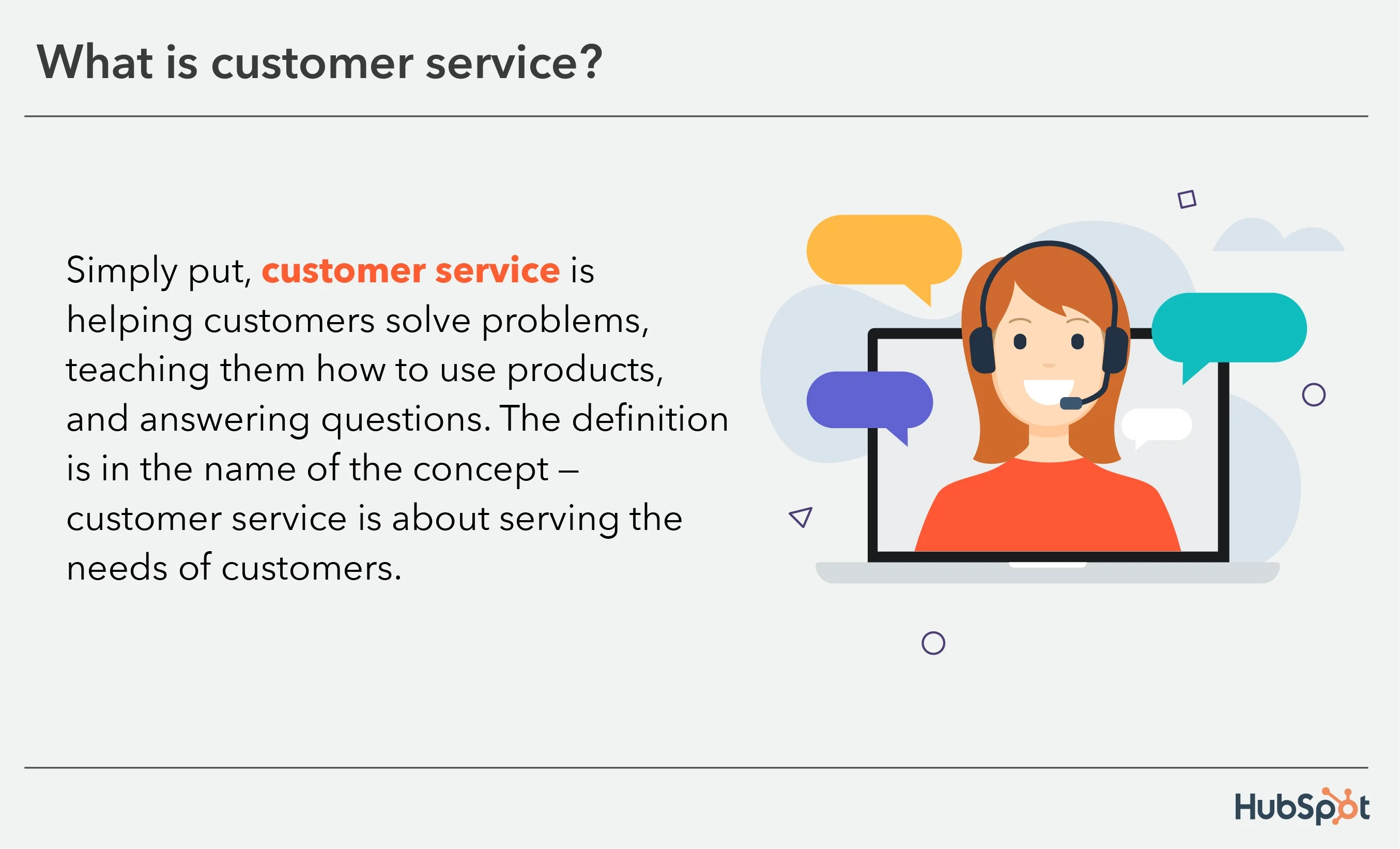
Defining Customer Support Beyond Problem-Solving
While addressing queries and resolving issues remain central to its function, modern customer support extends far beyond these reactive measures. It encompasses proactive engagement, personalized communication, and the cultivation of an ongoing relationship with the customer. It’s about empowering customers, anticipating their needs, and providing an experience that resonates with the brand’s overall promise. For a luxury brand, support might mean concierge-level service; for a tech innovator, it might involve intuitive self-service portals and community forums. The definition adapts, but its strategic purpose—to reinforce and elevate the brand—remains constant. Excellent customer support aims to create positive emotional responses, fostering trust, satisfaction, and a sense of being valued. This emotional connection is invaluable for solidifying brand affinity, transforming transactional interactions into relational experiences.
Customer Support as a Brand Touchpoint
Every interaction a customer has with a company is a touchpoint that contributes to their overall perception of the brand. From the moment they first encounter an advertisement to the post-purchase follow-up, each experience shapes their understanding of what the brand stands for. Customer support interactions are particularly potent touchpoints because they often occur when a customer is most engaged—either seeking information, expressing dissatisfaction, or requiring assistance. These moments are opportunities to demonstrate empathy, competence, and a commitment to customer well-being. A seamless, efficient, and friendly support experience can transform a potentially negative situation into a positive brand reinforcement. Conversely, a poor support interaction can quickly erode trust, damage reputation, and undermine years of marketing efforts, regardless of the quality of the product or service itself. Therefore, viewing customer support as a critical component of the brand journey, rather than an isolated function, is essential for shaping a cohesive and positive corporate identity.
Customer Support as a Strategic Marketing Asset
In an increasingly competitive marketplace, products and services can often be replicated. What remains unique and difficult to imitate is the customer experience, largely driven by the quality of customer support. This makes customer support a potent, often underestimated, marketing asset that directly influences brand perception, loyalty, and organic growth.
Word-of-Mouth Marketing and Reputation Management
Satisfied customers are powerful advocates. When customers receive exceptional support, they are more likely to share their positive experiences with others, generating invaluable word-of-mouth marketing. In the age of social media and online reviews, these personal endorsements carry immense weight, often outweighing traditional advertising. A single positive review or social media shout-out can influence numerous potential customers, building brand credibility and expanding reach organically. Conversely, poor support can lead to negative reviews, viral complaints, and reputational damage that spreads rapidly and can be incredibly difficult to mitigate. Effective customer support thus becomes a proactive form of reputation management, safeguarding the brand’s image and ensuring that the narrative surrounding the company is predominantly positive. It’s about creating brand champions who not only return for future purchases but also actively promote the brand within their networks.
Cultivating Brand Loyalty and Advocacy
Beyond acquiring new customers, the long-term success of any brand hinges on its ability to retain existing ones and foster their loyalty. Exceptional customer support plays a pivotal role in this process. When customers feel heard, valued, and supported, they develop a stronger emotional connection to the brand, making them less susceptible to competitors’ overtures. Loyalty isn’t just about repeat purchases; it’s about advocating for the brand, defending it against criticism, and eagerly embracing new offerings. A brand that consistently delivers outstanding support cultivates a community of loyalists who become an extended sales force, providing testimonials, sharing content, and contributing to a vibrant brand ecosystem. This advocacy is the ultimate testament to a strong brand strategy, where customer service transcends its traditional role to become a driving force for sustainable growth and market leadership.

Crafting a Distinctive Brand Through Service Excellence
Service excellence in customer support is not merely about efficiency; it’s about intentional design. It’s an opportunity to infuse the brand’s personality, values, and unique selling propositions into every interaction, thereby differentiating the brand in a crowded market.
Aligning Support with Brand Values and Voice
For customer support to effectively reinforce brand identity, it must be deeply aligned with the brand’s core values and voice. A brand that prides itself on innovation should offer cutting-edge support solutions, perhaps through AI-driven self-service or highly specialized technical assistance. A brand emphasizing warmth and community might prioritize empathetic, personal interactions across all channels. The language used by support agents, the tone of emails, the speed of response, and the overall problem-solving approach should all echo the brand’s established personality. This consistency creates a seamless brand experience, ensuring that whether a customer is browsing the website, viewing an advertisement, or speaking with a support representative, they encounter the same authentic brand identity. This alignment builds trust and predictability, crucial elements for a strong corporate identity.
Personalization and Emotional Connection
In an era of mass communication, personalization stands out as a powerful differentiator. Tailoring support interactions to individual customer histories, preferences, and needs demonstrates that the brand sees them as unique individuals, not just transaction numbers. This can involve using their name, recalling previous interactions, or offering solutions specifically relevant to their past purchases. Beyond mere customization, fostering an emotional connection is paramount. Empathy, active listening, and a genuine desire to help can turn a routine support call into a memorable positive experience. When support agents are empowered to go beyond scripts, to truly connect with customers on a human level, it builds a powerful emotional bond with the brand. This emotional resonance is a hallmark of strong brands, leading to deeper engagement and unwavering loyalty that no competitor can easily replicate.
The Power of Proactive and Omnichannel Support
Exceptional customer support is increasingly proactive and omnichannel. Proactive support involves anticipating customer needs and problems before they arise, offering solutions or information ahead of time. This could mean sending tracking updates, providing maintenance tips, or offering tutorials relevant to recent purchases. Such foresight not only reduces inbound queries but also signals to customers that the brand genuinely cares about their experience, further cementing positive brand perception.
Omnichannel support ensures a consistent and seamless experience across all communication channels—be it phone, email, chat, social media, or self-service portals. Customers expect to switch between channels without losing context, pick up conversations where they left off, and receive the same level of service regardless of the medium. A truly omnichannel strategy reflects a brand’s commitment to accessibility and customer convenience, creating a unified and effortless journey that reinforces a professional and customer-centric corporate identity. This unified approach demonstrates organizational cohesion and a clear focus on the customer, which translates directly into a stronger, more reliable brand image.
Measuring the Impact: From CX to Brand Equity
The strategic investment in customer support should not be seen as an intangible good; its impact on brand equity and overall business success can and should be measured. Quantifying the value of superior customer experience (CX) derived from excellent support is vital for demonstrating its contribution to the brand’s long-term health and financial performance.
Key Metrics for Brand-Centric Support
While traditional metrics like average handling time or first-contact resolution are important for operational efficiency, a brand-centric approach to support requires evaluating metrics that directly reflect customer perception and loyalty. Key performance indicators (KPIs) such as Customer Satisfaction (CSAT), Net Promoter Score (NPS), and Customer Effort Score (CES) are crucial. CSAT directly measures satisfaction with a specific interaction, offering immediate feedback on service quality. NPS gauges a customer’s willingness to recommend the brand, a powerful indicator of loyalty and potential for word-of-mouth marketing. CES assesses how much effort a customer had to exert to resolve an issue, with lower effort scores often correlating with higher loyalty. Tracking these metrics over time provides insights into how support initiatives are impacting the brand’s reputation and customer relationships. Furthermore, analyzing customer feedback, sentiments expressed in interactions, and online reviews offers qualitative data that enriches the quantitative understanding of brand perception.

Long-Term Brand Value and Competitive Advantage
Ultimately, superior customer support contributes significantly to long-term brand value and creates a formidable competitive advantage. Brands known for their exceptional service command premium pricing, enjoy higher customer retention rates, and experience greater market share. This is because a reputation for outstanding support builds a moat around the brand, making it difficult for competitors to lure customers away based solely on price or features. The accumulated positive experiences contribute to brand equity—the intangible asset that represents the value a brand adds to its products or services. High brand equity translates into stronger market position, increased resilience during economic downturns, and greater flexibility for future product expansions or diversification. By strategically viewing and executing customer support as a core component of its brand strategy, a company not only addresses immediate customer needs but also systematically invests in its most valuable asset: its brand.
aViewFromTheCave is a participant in the Amazon Services LLC Associates Program, an affiliate advertising program designed to provide a means for sites to earn advertising fees by advertising and linking to Amazon.com. Amazon, the Amazon logo, AmazonSupply, and the AmazonSupply logo are trademarks of Amazon.com, Inc. or its affiliates. As an Amazon Associate we earn affiliate commissions from qualifying purchases.