
In the vernacular of brand strategy, the term “curdling” offers a potent metaphor for the insidious process through which a brand’s once cohesive identity, strong reputation, or effective market appeal begins to break down, separate, and turn unpalatable to its audience. Much like milk that sours and solidifies into an undesirable state, a brand can undergo a similar transformation, losing its fluidity, appeal, and ultimately, its value. This phenomenon is not merely a transient dip in performance but a fundamental deterioration that can have lasting, detrimental effects on corporate identity, market perception, and financial health. Understanding “curdling” in this context is crucial for brand custodians to identify warning signs, mitigate risks, and steer their brands towards enduring vitality.

The Metaphor of Curdling in Brand Strategy
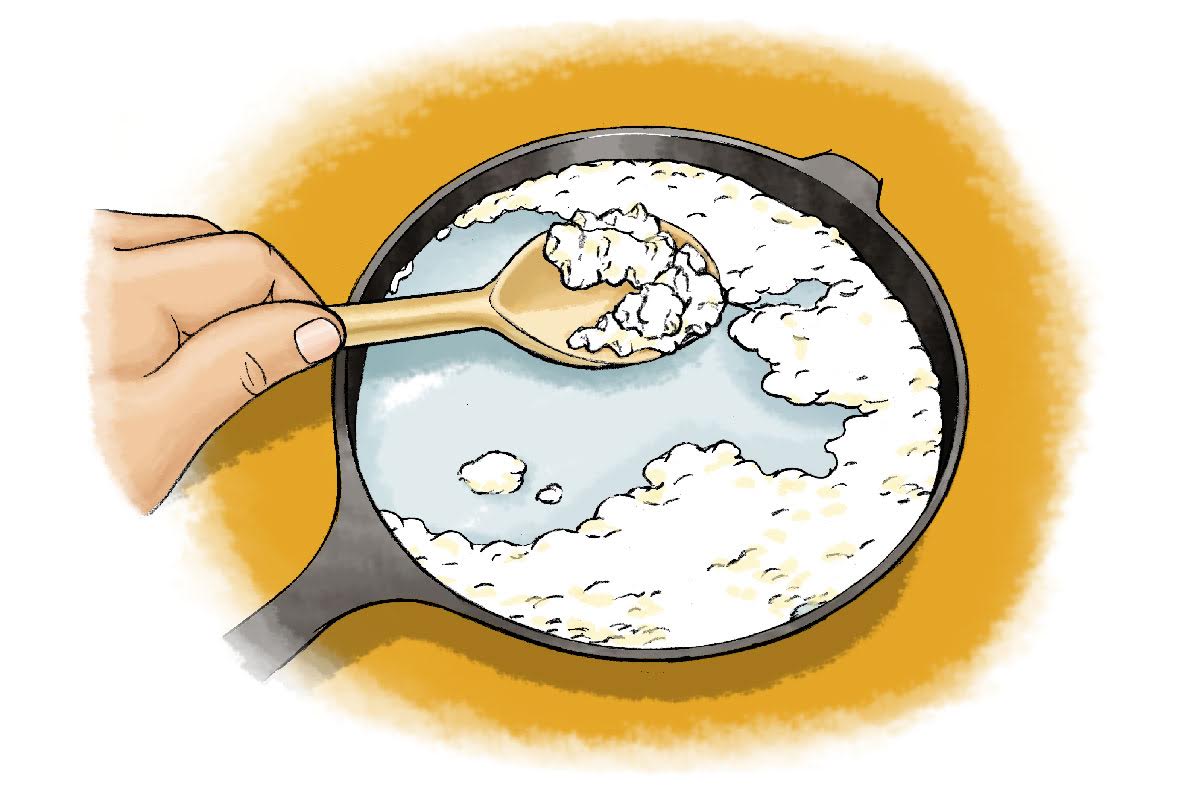
The traditional understanding of curdling involves a chemical reaction, often in dairy products, where proteins coagulate, causing a liquid to solidify or separate. Applied to branding, this physical process beautifully illustrates how a brand’s essential elements – its values, messaging, customer experience, and public perception – can similarly undergo a destructive transformation.
Beyond the Kitchen: A Brand’s Sour Turn
For a brand, a “sour turn” signifies a shift from positive or neutral sentiment to negative. This isn’t just a temporary setback; it implies a deep-seated issue that causes its core essence to degrade. Initially, a brand might be perceived as fresh, trustworthy, and appealing. However, external pressures, internal missteps, or a combination thereof can introduce “enzymes” that accelerate its degradation. This souring often manifests as a loss of trust, a disconnect with target audiences, or a general feeling of unease or antipathy towards the brand. The once clear and inviting brand narrative becomes muddled, confusing, or even off-putting, leading consumers to seek alternatives that offer the perceived freshness and quality they once associated with the curdling brand.
When Cohesion Breaks Down: Identity Fragmentation
A strong brand is built on cohesion – a consistent voice, a unified visual identity, a clear set of values, and a reliable promise delivered consistently across all touchpoints. Curdling, in this sense, represents the fragmentation of this cohesion. When a brand’s internal messaging conflicts with its external communication, or when its actions contradict its stated values, its identity begins to separate. Different departments might operate in silos, presenting disparate versions of the brand to the market. Marketing campaigns might lack a central theme, pulling the brand in multiple directions. This fragmentation leads to confusion among consumers, weakening brand recognition and loyalty. The unified entity that once inspired confidence now appears fractured, unreliable, and ultimately less credible. The sum of its parts no longer forms a compelling whole, but rather a disjointed collection that fails to resonate.
Catalysts for Brand Curdling: Identifying the Triggers
Several factors can act as catalysts, accelerating the curdling process within a brand. Recognizing these triggers is the first step towards prevention and remediation.
Misaligned Messaging and Inconsistent Voice
One of the most common causes of brand curdling is a lack of consistency in communication. When a brand speaks with multiple voices or sends conflicting messages, it creates dissonance. This can stem from a poorly defined brand strategy, insufficient internal communication, or an inability to adapt the brand’s core message cohesively across diverse platforms and campaigns. The result is a confused audience that struggles to understand what the brand stands for, leading to skepticism and disengagement.
Ethical Lapses and Trust Erosion
Brand trust is a fragile asset, built over years and shattered in moments. Ethical missteps, whether perceived or actual, can rapidly curdle public sentiment. Data breaches, exploitative labor practices, environmental negligence, or misleading advertising are examples of actions that can fundamentally erode consumer trust. Once trust is compromised, it’s exceedingly difficult to regain, as the brand’s integrity is questioned, and its promises are viewed with suspicion. This often leads to widespread negative sentiment and boycotts, irreversibly damaging brand equity.
Poor Product/Service Execution and Customer Experience
A brand’s promise is only as strong as its delivery. Consistent failures in product quality or service delivery can quickly turn customer satisfaction into frustration and resentment. Whether it’s buggy software, unreliable products, or unresponsive customer support, a persistent gap between expectation and reality will curdle the customer relationship. Word-of-mouth becomes negative, reviews plummet, and the brand’s reputation for reliability dissolves, turning once loyal customers into vocal detractors.
External Shocks and Crisis Mismanagement
Beyond internal shortcomings, external events can also trigger rapid brand curdling. Economic downturns, natural disasters, industry-wide scandals, or rapid technological shifts can all present significant challenges. A brand’s ability (or inability) to respond effectively to these crises dictates whether it navigates the storm or succumbs to it. Mismanagement of a crisis, characterized by slow responses, lack of transparency, or tone-deaf communication, can amplify negative perceptions and accelerate the brand’s deterioration in the public eye.
Symptoms and Impact: Recognizing a Curdling Brand
The signs of a curdling brand are often subtle at first but become increasingly evident as the process accelerates. Timely recognition is critical.
Declining Brand Equity and Customer Loyalty
Perhaps the most quantifiable symptom of brand curdling is a measurable decline in brand equity. This includes reduced market share, decreased brand recall, and a drop in customer loyalty metrics. Consumers might switch to competitors, exhibit less willingness to pay a premium for the brand, or simply become indifferent. This erosion of equity directly impacts revenue and long-term business viability.
Negative Sentiment and Public Scrutiny
As a brand curdles, it attracts negative sentiment. This manifests in social media backlash, critical news coverage, poor online reviews, and a general cynicism among the public. The brand becomes a frequent target of criticism, and its perceived flaws are amplified. This constant scrutiny can create a toxic environment, making it difficult for the brand to attract new customers or even retain existing ones.
Internal Disarray and Loss of Purpose
The impact of brand curdling isn’t limited to external perception; it also seeps into the organization itself. Employees may become demoralized, losing faith in the company’s mission and leadership. High employee turnover, a decline in productivity, and a general sense of internal disarray can follow. When the brand’s purpose becomes muddled externally, it often reflects an internal loss of direction, further exacerbating the problem.
Preventing the Spoil: Strategies for Brand Resilience
While brand curdling can be a formidable challenge, proactive strategies can build resilience and mitigate risks.
Cultivating Authenticity and Transparency
In an age of skepticism, authenticity and transparency are paramount. Brands must consistently demonstrate genuine values, be open about their operations, and admit mistakes when they occur. Building a culture of honesty and integrity helps fortify trust, making the brand more resistant to external shocks and internal missteps. This means walking the talk, ensuring that promises made are promises kept, and engaging in genuine dialogue with stakeholders.
Proactive Reputation Management and Crisis Preparedness
Developing a robust reputation management strategy is essential. This includes continuous monitoring of brand mentions across all channels, engaging constructively with feedback, and having a predefined crisis communication plan. Being prepared for the worst – with clear protocols, designated spokespersons, and pre-approved messaging – can significantly minimize the damage caused by unexpected events, preventing a rapid curdling of public perception.
Consistent Brand Storytelling and Engagement
Maintaining a consistent brand narrative across all platforms and touchpoints is vital to prevent fragmentation. This requires a clear brand strategy, strong brand guidelines, and ongoing training for all employees who interact with the public. Engaging actively with the community, fostering dialogue, and celebrating brand advocates can also reinforce positive sentiment and create a resilient emotional connection with the audience.
Fostering a Culture of Accountability
Internal accountability is critical. Leaders must model ethical behavior, and processes must be in place to address shortcomings promptly and decisively. When employees understand their role in upholding the brand’s integrity and are empowered to address issues, the brand becomes more adaptable and less prone to the internal inconsistencies that lead to curdling.
Reviving a Curdled Brand: A Path to Renewal
For brands already deep in the throes of curdling, revival is possible, but it requires a strategic, painstaking effort akin to a complete overhaul.
Re-evaluation and Strategic Pivoting
The first step is a thorough audit of the brand’s current state, identifying the precise catalysts and extent of the curdling. This often necessitates a strategic pivot, which might involve repositioning the brand, redefining its core values, or even targeting a new audience. This strategic re-evaluation must be grounded in market research and a deep understanding of evolving consumer needs and perceptions.
Rebuilding Trust Through Action
Mere apologies are insufficient for a curdled brand. Revival demands tangible actions that demonstrate a genuine commitment to change. This could involve significant investments in product quality, overhauling customer service processes, implementing new ethical guidelines, or launching community initiatives. Each action must be transparent, measurable, and clearly communicated to stakeholders, serving as concrete evidence of the brand’s renewed dedication.

Engaging Stakeholders in the Renewal Process
Successful brand renewal isn’t a top-down mandate; it’s a collective effort. Engaging employees, loyal customers, partners, and even critics in the renewal process can foster a sense of shared ownership and accelerate healing. Soliciting feedback, incorporating suggestions, and celebrating small victories together can help rebuild community and emotional connections, slowly transforming a curdled brand back into one that is perceived as fresh, trustworthy, and vital.
aViewFromTheCave is a participant in the Amazon Services LLC Associates Program, an affiliate advertising program designed to provide a means for sites to earn advertising fees by advertising and linking to Amazon.com. Amazon, the Amazon logo, AmazonSupply, and the AmazonSupply logo are trademarks of Amazon.com, Inc. or its affiliates. As an Amazon Associate we earn affiliate commissions from qualifying purchases.