
Coquito, often dubbed Puerto Rican eggnog, is far more than a simple holiday beverage; it represents a powerful cultural brand, meticulously crafted over generations through tradition, shared experience, and distinct sensory markers. Understanding “what coquito is” requires an exploration not just of its ingredients, but of its deeply ingrained identity, its market positioning within the festive season, and how its very essence serves as a masterclass in brand building through heritage.
The Cultural Brand Identity of Coquito
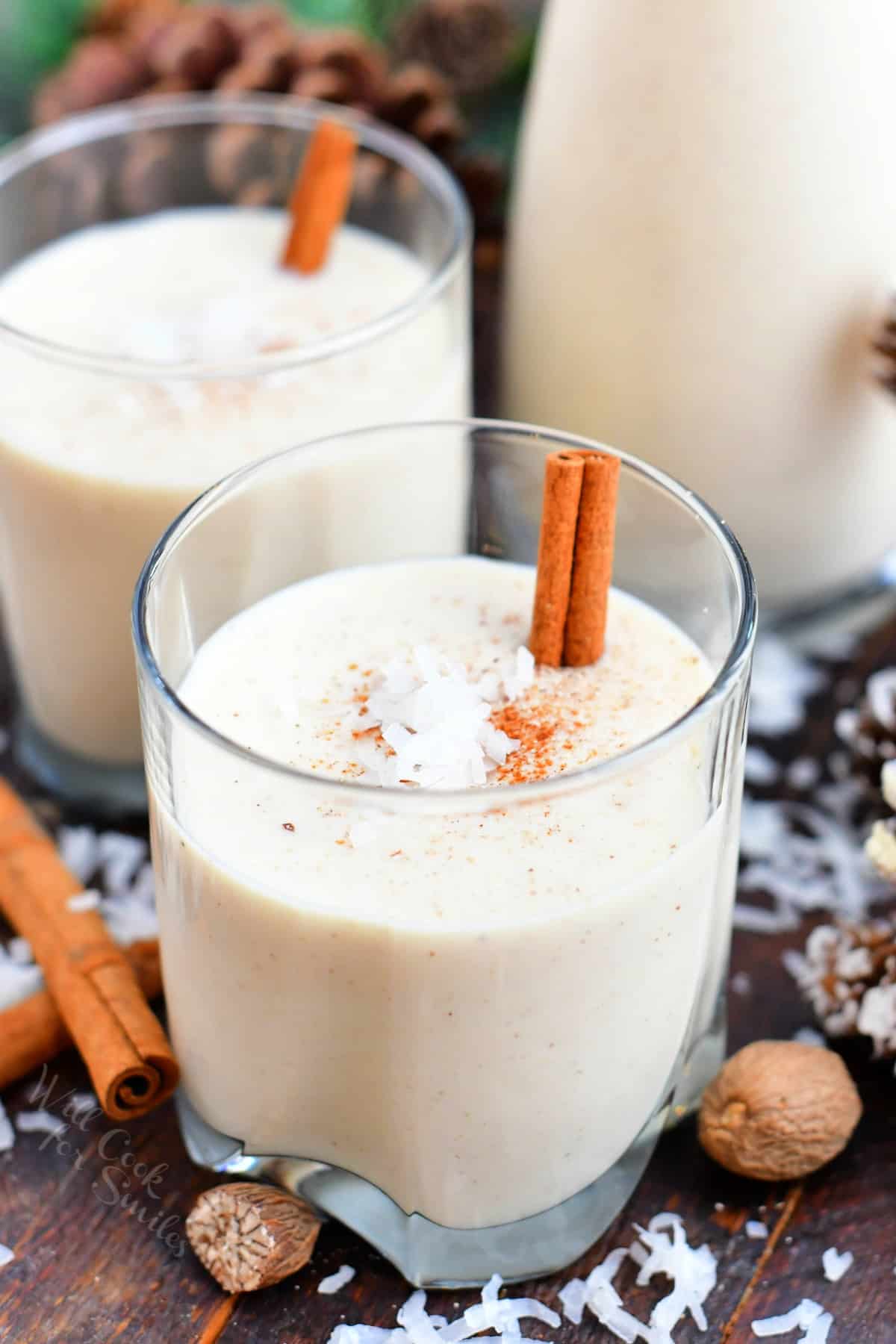
At its heart, coquito is a creamy, rich, and often alcoholic drink traditionally served during the Christmas holidays in Puerto Rico and among its diaspora. However, its true definition extends beyond a recipe, encompassing a unique brand identity built on heritage, sensory appeal, and visual presentation.
Heritage and Tradition as Core Brand Pillars
The most potent element of coquito’s brand is its unwavering connection to heritage and tradition. Unlike many commercially developed brands that invest heavily in advertising campaigns, coquito’s brand equity is accumulated through generations of familial recipes, shared customs, and the annual ritual of its preparation and consumption. This cultural anchoring provides an intrinsic authenticity that no marketing budget could replicate. Each family often boasts its own “signature” coquito, a testament to personal branding within a collective identity. This intergenerational transfer of knowledge and recipes imbues the drink with stories, memories, and emotional resonance, making it an irreplaceable part of the holiday brand experience. The expectation of coquito’s presence signals the start of the festive season, acting as a potent brand cue that triggers anticipation and nostalgia. This deep-seated emotional connection fosters unparalleled brand loyalty, where consumers aren’t just buying a product, but participating in a cherished tradition.
Sensory Branding: Flavor, Aroma, and Texture
Coquito’s brand experience is overwhelmingly sensory, a testament to the power of taste, aroma, and texture in forging a memorable identity. Its core flavor profile is defined by a luxurious blend of coconut milk, cream of coconut, condensed milk, and evaporated milk, creating a rich, sweet, and tropical base. Spices like cinnamon, nutmeg, and cloves introduce a warm, festive aroma that instantly evokes the holiday spirit. Some variations include ginger, star anise, or vanilla, each subtle alteration adding a unique dimension to the overall brand personality. The texture is equally crucial to its brand identity: thick, velvety, and smooth, often achieved through careful blending and chilling. The mouthfeel is a critical component of its premium perception. When consumers anticipate coquito, they anticipate this specific combination of sweet, spiced, and creamy sensations. This consistent sensory profile across diverse family recipes highlights how a product’s inherent characteristics can become its most powerful branding tools, creating an indelible mark on the consumer’s palate and memory.
Visual Identity and Presentation
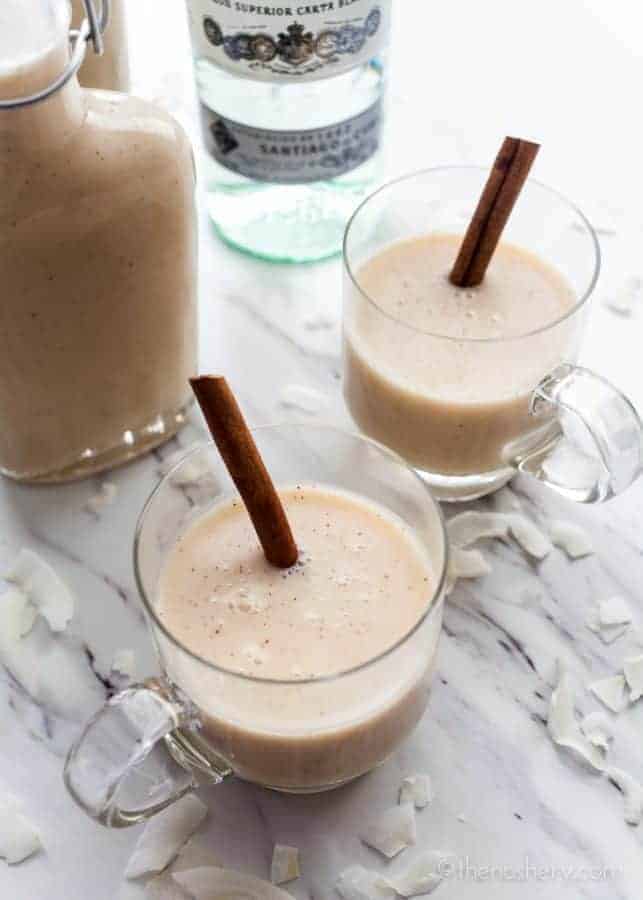
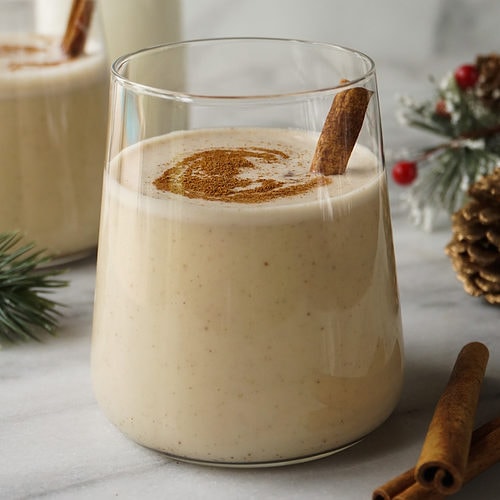
While not possessing a unified corporate logo, coquito has a distinct and recognizable visual identity, largely shaped by its traditional presentation. It is almost invariably served chilled in ornate glass bottles, often repurposed rum bottles, or decorative carafes, suggesting elegance and homemade care. The opaque, creamy white to off-white hue immediately communicates its rich, dairy-based nature, while a dusting of cinnamon on top adds a final, appealing touch that cues its spiced profile. This visual cue acts as an informal “packaging design,” signaling both its festive purpose and its artisanal origins. The act of sharing these beautifully presented bottles as gifts among friends and family further reinforces its brand as a token of love and celebration. Even without a formal branding guide, the collective agreement on its aesthetic presentation ensures a consistent visual brand experience, reinforcing its status as a cherished holiday staple.
Coquito’s Market Positioning and Niche
Coquito occupies a unique and powerful niche within the beverage market, driven by its seasonal exclusivity, artisanal appeal, and the tension between traditional craftsmanship and commercial potential.
Seasonal Exclusivity and Demand Generation
One of coquito’s most strategic market positioning elements is its strict seasonal exclusivity. Primarily associated with the Christmas and New Year holidays, this limited availability cultivates anticipation and drives intense demand during a specific window. This scarcity marketing strategy, while perhaps unintentional in its origins, is highly effective. Consumers eagerly await the season, knowing that coquito is a fleeting pleasure, amplifying its perceived value and desirability. This seasonal branding transforms the drink from a mere beverage into an event, a cherished tradition that punctuates the calendar. For individuals and small-scale producers, this model ensures that marketing efforts are concentrated and highly effective during peak demand, without the pressure of year-round production or competition. It’s a prime example of how strategic timing can dramatically enhance a product’s brand resonance and market impact.
Artisanal Craftsmanship vs. Commercialization
The brand of coquito largely thrives on its artisanal craftsmanship. The perception of it being homemade, prepared with care and a secret family recipe, is central to its appeal. This artisanal identity positions it as a premium product, often superior to mass-produced alternatives. Consumers seek out coquito from trusted family sources or small, local producers who embody this commitment to tradition and quality. However, the growing popularity of coquito has also attracted commercial interest, leading to bottled versions available in liquor stores and supermarkets. These commercial brands face the challenge of replicating the “homemade” authenticity while scaling production. Success often hinges on their ability to communicate traditional values, ingredient quality, and a story that resonates with the heritage-driven consumer. The most successful commercial brands often partner with or emulate small-batch methods, attempting to bridge the gap between convenience and cherished authenticity, thereby navigating the complex balance between maintaining artisanal credibility and achieving broader market reach.
Leveraging Coquito’s Brand for Small Businesses
For entrepreneurs and small businesses, coquito presents a compelling opportunity to leverage a culturally rich brand. Its inherent strengths—authenticity, tradition, and emotional connection—offer a robust foundation for building a successful venture.
Authenticity and Storytelling
The most valuable asset for any small business entering the coquito market is authenticity. Consumers are not just buying a drink; they are buying into a story, a tradition, and a piece of cultural heritage. Businesses can effectively leverage coquito’s brand by emphasizing the origins of their recipe, perhaps sharing a family history, or detailing the traditional methods used in preparation. Storytelling becomes a powerful marketing tool, connecting directly with consumers’ desire for genuine experiences and products with a soul. This narrative should highlight the dedication to quality ingredients, the absence of artificial additives, and the passion behind each batch. By positioning their product as an extension of a valued tradition, small businesses can command a premium and build a loyal customer base founded on trust and shared cultural appreciation, rather than competing solely on price.
Customization and Differentiation
While authenticity is key, differentiation within the coquito market allows small businesses to carve out unique niches. This can be achieved through thoughtful customization. Offering a range of flavors beyond the traditional—such as chocolate, pistachio, coffee, or even vegan versions—can attract new segments of the market while retaining the core brand identity. Packaging design can also serve as a powerful differentiator. While maintaining the traditional elegance, businesses can invest in unique bottle shapes, custom labels, or branding elements that tell their specific story. Limited-edition flavors or specialized gift sets can create exclusive offerings that appeal to collectors or those seeking unique presents. The key is to innovate in ways that enhance the coquito experience without diluting its essential brand character, finding a balance between tradition and modern consumer preferences.
Digital Presence and Community Engagement
In today’s market, a strong digital presence is crucial for leveraging the coquito brand. Social media platforms like Instagram, Facebook, and TikTok are ideal for showcasing the visual appeal of coquito, sharing behind-the-scenes glimpses of the preparation process, and engaging directly with customers. High-quality photography and video content that emphasize the drink’s rich texture, festive presentation, and the joy it brings can be incredibly effective. Engaging with the online community through polls, recipe sharing (of non-competitive recipes), or virtual tasting events can foster a sense of belonging and brand loyalty. Utilizing local online marketplaces or offering direct-to-consumer shipping (where legal) can expand reach beyond immediate geographical boundaries. Furthermore, collaborating with local influencers or food bloggers can amplify brand visibility and credibility, tapping into existing networks of enthusiastic foodies and cultural advocates.
The Future of the Coquito Brand
The coquito brand stands at an interesting juncture, balancing its deep-rooted traditions with opportunities for innovation and broader market acceptance. Its future lies in navigating these dynamics while preserving its core identity.
Innovation while Preserving Core Identity
For the coquito brand to evolve and expand, innovation is inevitable, but it must be carefully managed to avoid alienating its traditional base. This means exploring new flavors, packaging, or serving suggestions that complement rather than contradict its established identity. For instance, creating ready-to-serve coquito cocktails or non-alcoholic versions can broaden its appeal to different demographics and consumption occasions. Innovations in sustainable sourcing of ingredients or eco-friendly packaging could also enhance the brand’s modern relevance. The challenge lies in introducing these novelties in a way that pays homage to its origins, perhaps by emphasizing premium ingredients, artisanal methods, or a narrative that connects the new product back to its heritage. The goal is to innovate within the brand’s established framework, ensuring that new offerings feel like natural extensions rather than departures.
Expanding Reach and Maintaining Exclusivity
Expanding coquito’s market reach beyond its traditional holiday season and geographical boundaries presents both an opportunity and a risk. While year-round availability might generate more consistent revenue, it could dilute the very seasonal exclusivity that contributes to its unique brand appeal and intense demand. A more strategic approach might involve “micro-seasonal” branding—introducing coquito for other specific celebrations or cultural events, or developing spin-off products that carry the essence of coquito but are designed for different times of the year (e.g., coconut-based liqueurs or creamy dessert toppings). For broader geographic reach, educational marketing that introduces coquito to new audiences while respectfully explaining its cultural significance will be crucial. The goal is to grow the brand’s footprint while meticulously preserving its perceived specialness and cultural integrity, ensuring it remains an authentic, cherished embodiment of Puerto Rican heritage rather than just another commercial beverage.
aViewFromTheCave is a participant in the Amazon Services LLC Associates Program, an affiliate advertising program designed to provide a means for sites to earn advertising fees by advertising and linking to Amazon.com. Amazon, the Amazon logo, AmazonSupply, and the AmazonSupply logo are trademarks of Amazon.com, Inc. or its affiliates. As an Amazon Associate we earn affiliate commissions from qualifying purchases.