
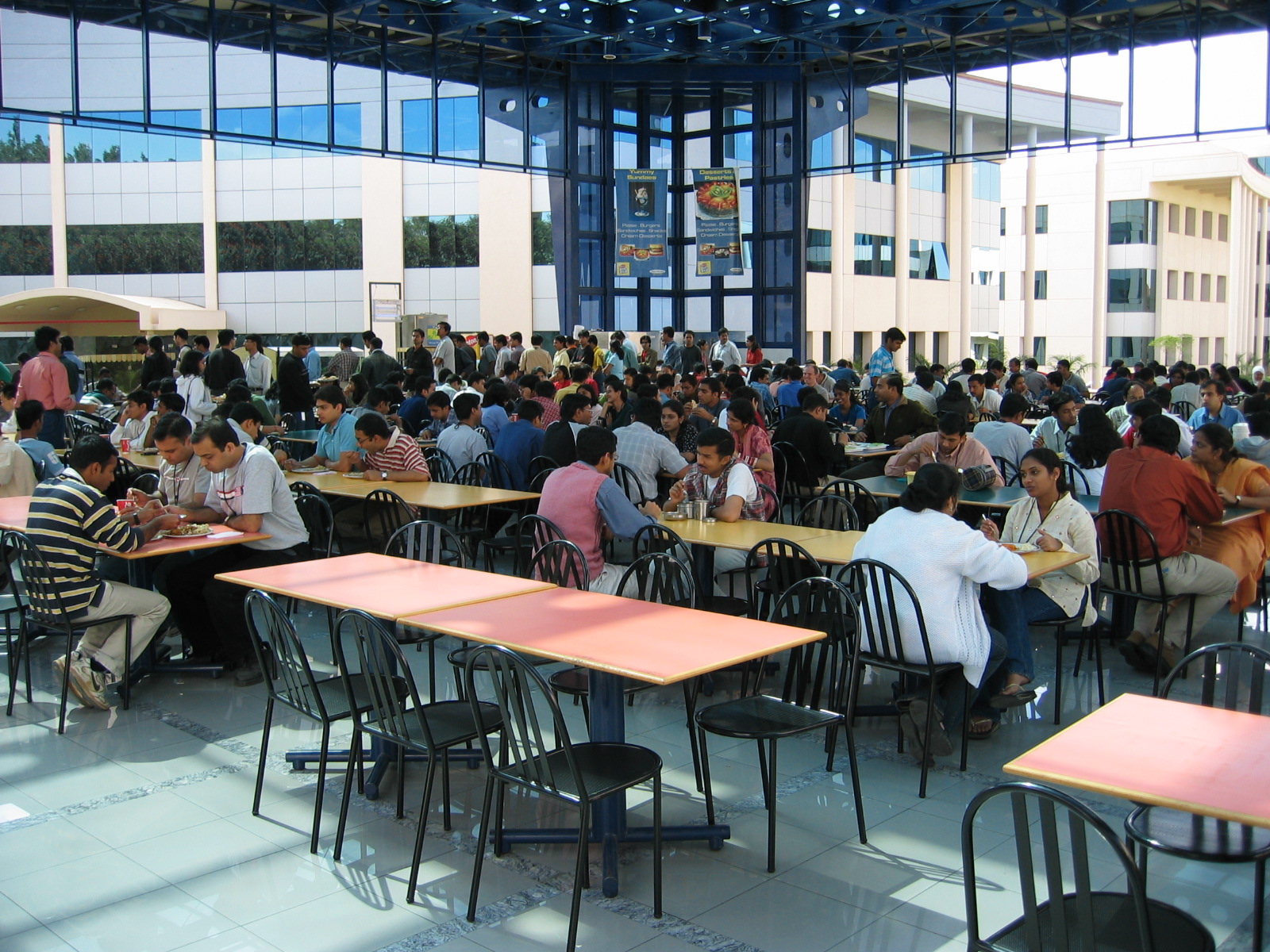
A canteen, at its core, is an establishment within a larger institution—be it a corporation, school, military base, hospital, or public facility—dedicated to providing food and beverages to its members or patrons. While its most immediate purpose is to offer convenience and sustenance, its existence and operational dynamics are profoundly shaped by financial considerations, making it a pivotal subject within business finance, operational budgeting, and even personal finance for its users. Understanding a canteen extends beyond its menu to encompass the economic rationale for its establishment, its various financial models, and its often-underestimated impact on an organization’s bottom line and an individual’s financial well-being.

The Financial Foundations of Canteen Operations
The decision to operate a canteen is rarely a simple logistical one; it invariably involves a complex interplay of financial calculations, strategic objectives, and welfare considerations. For businesses and institutions, a canteen represents a significant financial undertaking, requiring upfront investment and ongoing operational expenditure.
Understanding Canteen Business Models
Canteens operate under diverse business models, each carrying distinct financial implications for the host organization.
- Self-Operated (In-House) Model: In this model, the organization directly manages all aspects of the canteen, from staffing and procurement to menu planning and financial accounting. While this offers maximum control over quality, service, and brand alignment, it also entails full financial responsibility. The organization bears all direct costs, including salaries, raw material purchases, equipment maintenance, and utilities. Financial success in this model hinges on rigorous budgeting, efficient resource allocation, and a deep understanding of food service economics. The initial capital outlay for kitchen infrastructure, dining space, and inventory can be substantial, making it a long-term financial commitment that requires careful justification.
- Outsourced (Contracted) Model: Many organizations opt to contract with third-party food service providers. In this scenario, an external company assumes responsibility for the canteen’s operation, often in exchange for a management fee or a revenue-sharing agreement. This model shifts much of the operational and financial risk away from the host organization, potentially reducing administrative burden and capital expenditure. The financial terms of such contracts can vary widely: some are purely fee-based, others involve the contractor taking revenue directly, and some include subsidies from the host organization to ensure affordable pricing for employees. The financial decision here involves evaluating the cost-effectiveness of the contract versus the perceived benefits of outsourcing expertise and risk.
- Hybrid Models: A combination of the above may also exist, where certain aspects are managed in-house (e.g., space and utilities) while core food service operations are outsourced. This allows organizations to balance control with operational efficiency and cost management. Each hybrid approach is custom-tailored, with financial terms negotiated to meet specific organizational objectives and budget constraints.
Cost Structures and Budgeting in Canteen Management
Regardless of the operational model, a canteen’s financial health is determined by its ability to manage a complex array of costs against potential revenues or allocated budgets. Key cost components include:
- Food and Beverage Costs: This is often the largest variable cost, directly impacted by menu choices, ingredient prices, portion sizes, and waste management. Strategic procurement, bulk purchasing, and supplier negotiations are critical for cost control.
- Labor Costs: Wages, benefits, and training for chefs, servers, and support staff represent another substantial expense, particularly in self-operated models. Even in outsourced models, labor costs are factored into the contractor’s fees.
- Overhead Costs: These encompass rent (or allocated space costs), utilities (electricity, water, gas), equipment maintenance, insurance, cleaning supplies, and administrative expenses.
- Capital Expenditure: Initial investment in kitchen equipment, dining furniture, point-of-sale (POS) systems, and facility renovations can be significant. Depreciation of these assets is a long-term financial consideration.
- Marketing and Promotions: While less common for internal canteens, some might invest in promoting healthy options or special events, adding to the operational budget.
Effective budgeting is paramount. Organizations must project revenues (if applicable) and meticulously track expenditures to ensure the canteen operates within its financial parameters, whether it aims for profitability, cost recovery, or subsidized service as an employee benefit.
Canteens as an Investment: Returns on Employee Welfare
Viewing a canteen solely as a cost center overlooks its strategic value as an investment in human capital. From a business finance perspective, a well-managed canteen can yield significant returns through enhanced employee welfare, productivity gains, and improved talent management.
Enhancing Productivity and Reducing Absenteeism
Providing convenient, affordable, and nutritious meal options directly impacts employee well-being and, consequently, their work performance. Employees who have easy access to quality food save time typically spent traveling off-site for meals. This saved time often translates into more focused work hours, reduced stress, and less disruption to the workday. Furthermore, access to balanced meals can contribute to better health outcomes, potentially reducing sick days and improving overall energy levels. From a financial standpoint, even marginal improvements in productivity and reductions in absenteeism can translate into substantial economic benefits for the organization, far outweighing the operational costs of the canteen.
Employee Benefits and Financial Value Proposition
For employees, an on-site canteen often represents a tangible financial perk. Subsidized meals or competitively priced options can significantly reduce daily food expenses, effectively boosting their disposable income. This direct financial benefit, coupled with the convenience, contributes to higher job satisfaction. For organizations, offering such a benefit can be a cost-effective component of a comprehensive compensation package, contributing to a positive work environment without a direct increase in salary. The value proposition extends beyond mere food; it’s about providing a valuable service that supports employees’ financial and physical health.
Talent Attraction and Retention: An Economic Advantage
In today’s competitive labor market, companies are constantly seeking ways to attract and retain top talent. A well-regarded on-site canteen can be a significant differentiator, especially when combined with other employee welfare initiatives. It signals that the employer cares about its employees’ well-being, fostering a sense of community and belonging. The financial implication here is substantial: reducing employee turnover lowers recruitment costs, training expenses, and the productivity losses associated with vacant positions. A canteen, therefore, acts as an indirect financial lever, strengthening the employer brand and contributing to a more stable and engaged workforce, which is a powerful economic advantage.

Managing Canteen Finances: Strategies for Sustainability
Achieving financial sustainability in canteen operations requires a combination of astute management, strategic planning, and continuous optimization. This involves careful attention to pricing, supply chain, and data utilization.
Pricing Strategies and Revenue Generation
The pricing model for canteen offerings is a critical financial decision.
- Subsidized Pricing: Many corporate or institutional canteens offer meals at prices below their actual cost, with the organization absorbing the difference. This strategy prioritizes employee welfare and engagement over direct profitability, treating the subsidy as an investment. The financial justification lies in the indirect returns mentioned above (productivity, retention).
- Cost-Recovery Pricing: The goal here is to set prices that cover the direct operational costs, without necessarily generating a profit. This minimizes the financial outlay for the organization while still providing affordable options for users.
- Market-Rate Pricing: In some settings, especially public or revenue-generating canteens, prices might be set to compete with external eateries, aiming for profitability. This model requires a strong focus on quality, variety, and customer experience to attract and retain patrons.
Beyond basic meal sales, canteens can explore additional revenue streams such as catering services for internal events, grab-and-go options, or even operating during extended hours to serve different shifts. Each revenue stream requires its own financial analysis and contributes to the canteen’s overall financial viability.
Supply Chain Optimization and Cost Control
Efficient supply chain management is fundamental to controlling food and beverage costs. This includes:
- Vendor Management: Negotiating favorable contracts with suppliers, exploring bulk purchasing discounts, and fostering long-term relationships can lead to significant savings. Regular review of supplier performance and pricing is essential.
- Inventory Management: Implementing robust inventory control systems minimizes waste, reduces spoilage, and prevents overstocking. Technologies like inventory tracking software can provide real-time data to optimize ordering.
- Menu Engineering: Analyzing menu item popularity and profitability can help rationalize offerings, focusing on high-margin, popular dishes while phasing out low-performing ones. This can also involve using seasonal ingredients to leverage lower costs and higher quality.
- Waste Reduction: Implementing strategies to minimize food waste, from careful portion control to composting initiatives, directly impacts the bottom line and aligns with broader sustainability goals.
Leveraging Data for Financial Decision-Making
Modern canteen management increasingly relies on data analytics to drive financial decisions. Point-of-sale (POS) systems capture transaction data, providing insights into peak hours, popular items, average spend per customer, and inventory turnover. This data can be used to:
- Optimize Staffing: Adjusting labor schedules based on demand patterns to avoid overstaffing during slow periods.
- Refine Menu Offerings: Identifying best-selling items and those that underperform to adjust procurement and menu planning.
- Forecast Demand: More accurately predicting food consumption to reduce waste and ensure ingredient availability.
- Evaluate Promotional Effectiveness: Measuring the financial impact of special offers or healthy eating campaigns.
By transforming raw data into actionable financial insights, canteen managers can make informed choices that enhance efficiency, control costs, and maximize the canteen’s financial contribution, whether through direct revenue or indirect benefits.
Financial Implications for Users and Organizations
The financial impact of a canteen extends to both the individuals who use its services and the organizations that provide them, touching upon personal budgeting and corporate financial oversight.
Personal Finance Benefits for Employees
For employees, a canteen can be a significant aid in personal finance management. The convenience of not having to bring lunch from home or eat out daily can lead to considerable savings over time. If the canteen offers subsidized pricing, the financial benefit is even more pronounced. This reduces daily expenditures, allowing individuals to allocate more of their income towards savings, investments, or other personal financial goals. Beyond direct monetary savings, the availability of healthy, affordable meals can also contribute to long-term health, potentially reducing future healthcare expenses.
Organizational Financial Oversight and Compliance
From an organizational standpoint, a canteen falls under the broader umbrella of business finance. It requires dedicated budget allocation, rigorous financial reporting, and adherence to various financial regulations, including tax laws (e.g., how subsidies are treated), health and safety standards, and potentially labor laws specific to food service operations. The financial oversight involves regularly auditing canteen operations, evaluating its return on investment (both direct and indirect), and ensuring that it aligns with the organization’s overall financial strategy and corporate social responsibility goals. Ultimately, a canteen, while serving a fundamental need, is a complex financial entity that demands careful planning, diligent management, and continuous evaluation to ensure its long-term viability and maximize its value to all stakeholders.
aViewFromTheCave is a participant in the Amazon Services LLC Associates Program, an affiliate advertising program designed to provide a means for sites to earn advertising fees by advertising and linking to Amazon.com. Amazon, the Amazon logo, AmazonSupply, and the AmazonSupply logo are trademarks of Amazon.com, Inc. or its affiliates. As an Amazon Associate we earn affiliate commissions from qualifying purchases.