
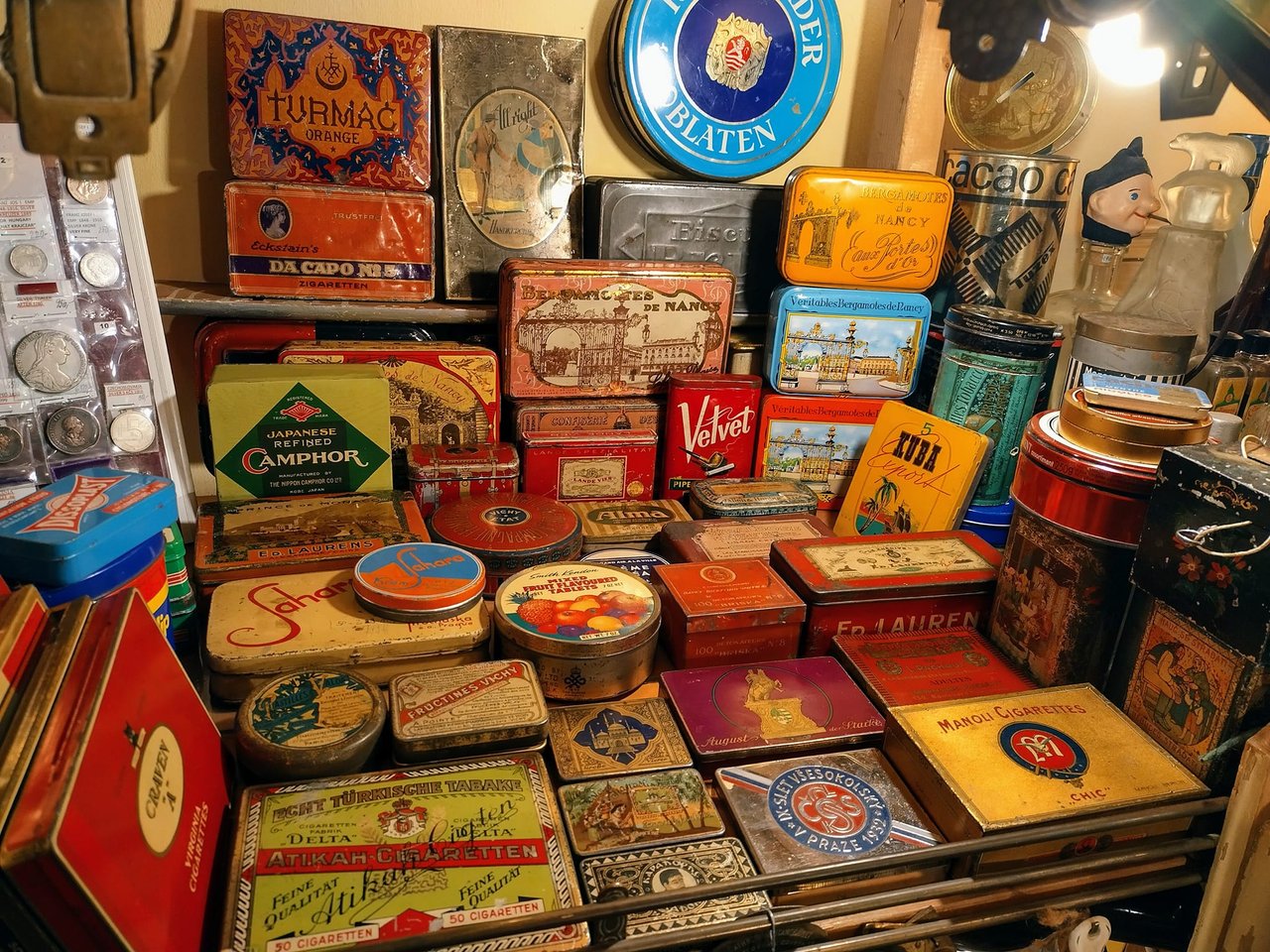
Bric-a-brac refers to a collection of miscellaneous small articles, typically ornamental and of no great value. While often perceived as mere clutter or decorative elements, a closer examination reveals that bric-a-brac holds significant implications within personal finance, investment strategies, online income generation, and small business operations. Understanding what constitutes bric-a-brac, how to value it, and its potential for financial impact is crucial for individuals looking to manage their assets, generate income, or streamline their financial footprint.
Defining Bric-a-Brac in the Context of Personal Assets
The term “bric-a-brac” historically emerged to describe an eclectic assortment of curiosities or decorative items. From a financial perspective, it encompasses items that, individually, might have modest monetary value but collectively can represent either an untapped asset or a hidden liability.

Beyond Simple Clutter: A Financial Perspective
For many, bric-a-brac signifies domestic clutter, yet its financial ramifications extend far beyond simple tidiness. From an asset management standpoint, bric-a-brac represents a category of tangible personal property. While not typically considered high-value investments like real estate or stocks, these items can:
- Hold latent resale value: Individually small, but in volume or through strategic selling, can generate considerable income.
- Incur storage costs: Occupying valuable space, especially if external storage solutions are utilized.
- Complicate estate planning: Valuing and distributing numerous small items can be a time-consuming and costly endeavor during estate settlement.
- Influence budgeting: The casual acquisition of bric-a-brac can lead to incremental, unchecked spending that impacts overall financial health.
Understanding bric-a-brac as a financial category encourages a more intentional approach to consumption and decluttering. It shifts the perception from “just stuff” to potentially convertible assets or expenses to be managed.
Differentiating from Collectibles and Antiques
A critical distinction must be made between bric-a-brac and true collectibles or antiques, as this significantly impacts their financial valuation and potential.
- Antiques: Typically defined as objects of considerable age (often 100 years or more) that hold historical, aesthetic, or monetary value. Their value often increases over time due to rarity, craftsmanship, and historical significance. Examples include specific furniture pieces, fine art, or rare books.
- Collectibles: Items gathered by enthusiasts for their perceived value, rarity, or personal interest. While not necessarily old, their value can appreciate based on market demand, condition, and limited supply. Examples include comic books, certain action figures, or limited-edition memorabilia.
Bric-a-brac, in contrast, generally lacks the rarity, age, or specific market demand that drives the significant value of antiques and true collectibles. A common ceramic figurine might be bric-a-brac, while a specific, authenticated Hummel figurine could be a collectible. The financial implication is that while antiques and collectibles are often considered investments or valuable assets, bric-a-brac’s individual financial return is usually minimal, relying more on volume or careful aggregation for profitable resale. This distinction is paramount when assessing assets for insurance, sale, or inheritance.
Bric-a-Brac as a Source of Online Income and Side Hustles
The proliferation of online marketplaces has revolutionized the potential for turning bric-a-brac into a viable source of income. What was once relegated to garage sales or donation bins can now be systematically monetized, forming the basis of profitable side hustles or even small businesses.
Sourcing Strategies: Thrifting for Profit
The first step in leveraging bric-a-brac for income is effective sourcing. This involves identifying items with resale potential at a low acquisition cost. Key sourcing locations include:
- Thrift Stores and Charity Shops: These are primary hunting grounds for low-cost items. Success here requires a keen eye for quality, brand recognition, and understanding of current market trends.
- Garage Sales and Estate Sales: Often offer bulk deals or unique finds. Arriving early and negotiating can yield significant savings. Estate sales, in particular, can uncover forgotten treasures from an entire household.
- Flea Markets and Swap Meets: Provide diverse inventory, though prices might be slightly higher than thrift stores. Bartering skills are valuable here.
- Online Freebies/Local Listings: Websites like Craigslist “free” sections, Facebook Marketplace, and local online forums can offer items for free or minimal cost, drastically improving profit margins.
- Personal Decluttering: Starting with one’s own home is an excellent, zero-cost sourcing strategy, converting existing “clutter” into capital.
Successful sourcing requires patience, research into what sells well, and a disciplined approach to evaluating an item’s potential net profit after considering selling fees and shipping.
Platforms for Resale: Maximizing Value
Once sourced, the right platform is crucial for maximizing the sale price and reaching the appropriate buyers.
- eBay: Ideal for a wide range of bric-a-brac, offering access to a global audience. Effective use of keywords, clear photography, and competitive pricing are essential. Sellers must factor in listing fees, final value fees, and shipping costs.
- Etsy: Best suited for unique, vintage, handmade, or aesthetically pleasing bric-a-brac. It caters to a buyer base looking for distinctive decor or craft supplies. Strong visual presentation is key.
- Facebook Marketplace/Local Buy & Sell Groups: Excellent for larger items or those that are difficult/expensive to ship, appealing to local buyers for pickup. Generally lower fees, if any.
- Mercari/Poshmark: User-friendly apps for selling smaller items, often clothing, accessories, or home goods. Simpler listing processes but higher commission rates.
- Specialized Forums/Websites: For niche bric-a-brac (e.g., specific collectible plate patterns, certain types of glassware), dedicated forums or auction sites might yield higher prices from enthusiasts.
Choosing the right platform depends on the item’s nature, target audience, and the seller’s comfort with various fee structures and shipping logistics.
Valuation and Pricing: The Art of the Deal
Accurate valuation and strategic pricing are paramount to profitability. Overpricing leads to stagnant inventory, while underpricing sacrifices potential income.
- Market Research: Before listing, search for comparable items (“comps”) that have recently sold on platforms like eBay (using “sold listings” filter), Etsy, or specialized auction sites. This provides a realistic baseline.
- Condition Assessment: Be honest about an item’s condition. Flaws should be disclosed and factored into pricing. Mint condition items command higher prices.
- Brand and Maker Identification: Researching manufacturers, designers, or specific lines can uncover hidden value. Sometimes a common-looking item from a renowned maker can fetch a premium.
- Shipping Costs: For online sales, accurately calculating and factoring in shipping costs (material, postage, insurance) is crucial. Offering free shipping with the cost built into the item price can attract buyers.
- Profit Margins: Always calculate your potential profit margin (Sale Price – Acquisition Cost – Platform Fees – Shipping Costs). Aim for a margin that makes the effort worthwhile. Don’t be afraid to test different price points, and be prepared to negotiate, especially for local sales.
Mastering these aspects transforms casual selling into a robust financial strategy, demonstrating how bric-a-brac can become a consistent revenue stream.

Managing Bric-a-Brac in Personal Finance and Budgeting
The accumulation and disposition of bric-a-brac have direct implications for personal financial health, affecting everything from budgeting to estate planning. Proactive management can unlock hidden value and reduce financial burdens.
Decluttering for Financial Gain: Less is More
Decluttering is often viewed as a chore, but it can be a highly effective financial strategy. Systematically going through one’s bric-a-brac can reveal items with resale value, translating directly into cash.
- Inventory and Assess: Create an inventory of items. Categorize them into “sell,” “donate,” or “discard.” Be realistic about what has actual market value versus sentimental value.
- The “One Year” Rule: If an item hasn’t been used, displayed, or genuinely appreciated in over a year, it’s a strong candidate for sale or donation.
- Cost of Holding: Consider the implicit “cost” of keeping unused items: the space they occupy, the effort to clean and maintain them, and the opportunity cost of not converting them into cash. Freeing up space can lead to a more organized and financially efficient home environment.
- Tax Deductions: Donating items to registered charities can provide tax deductions, offering another form of financial benefit from decluttering. Keeping detailed records of donated items and their fair market value is essential.
Embracing a minimalist mindset with bric-a-brac can significantly impact financial well-being, reducing expenses and boosting available funds.
The Cost of Accumulation: Hidden Expenses
The seemingly innocuous habit of acquiring bric-a-brac can lead to a variety of hidden financial costs over time.
- Storage Costs: For those who run out of space, external storage units become an expensive necessity. Monthly fees for storage can quickly outweigh the value of the items being stored.
- Insurance Premiums: While individual bric-a-brac items may not warrant specific insurance, a large collection could increase the overall value of personal property, potentially influencing homeowner’s or renter’s insurance premiums.
- Opportunity Cost: Money spent on acquiring low-value bric-a-brac could instead be invested, saved, or used to pay down debt, yielding a much higher financial return.
- Maintenance and Cleaning: Dusting, polishing, and generally maintaining a large collection of decorative items takes time and resources, which could be allocated elsewhere.
Understanding these hidden costs encourages more mindful purchasing decisions and a regular review of one’s possessions to prevent unnecessary financial drains.
Inheritance and Estate Planning: Valuing Sentimental Items
Bric-a-brac can become a complex element in estate planning, particularly when sentimental value outweighs monetary worth.
- Appraisal Challenges: Unlike high-value assets, appraising numerous small items can be impractical and costly, potentially consuming a significant portion of the estate’s resources.
- Distribution Disputes: Sentimental attachments can lead to family disputes over specific items, even if their monetary value is negligible. Clear instructions in a will or living trust regarding the distribution of specific items can mitigate this.
- Liquidation Strategies: Executors often face the challenge of liquidating unwanted bric-a-brac efficiently. This might involve estate sales, consignments, or donations, each with its own financial implications regarding fees and potential returns.
- Digital Inventory: Creating a digital inventory with photos and notes on desired recipients for specific items can streamline the process for heirs and prevent misunderstandings.
Proactive planning for bric-a-brac within an estate context can save beneficiaries time, stress, and financial burden.
Bric-a-Brac’s Role in Small Business Finance
For entrepreneurs in resale, antiques, or decor, bric-a-brac isn’t just a category of items; it’s inventory, capital, and the foundation of their business model. Effective financial management of bric-a-brac is crucial for profitability and sustainability.
Inventory Management for Resellers
Small businesses dealing in bric-a-brac, such as vintage shops, online resellers, or antique dealers, rely heavily on efficient inventory management.
- Acquisition Cost Tracking: Meticulously tracking the cost of each item is fundamental for calculating profit margins. This includes purchase price, transportation, and any cleaning or repair expenses.
- Inventory Turnover: Monitoring how quickly bric-a-brac moves from acquisition to sale is critical. Slow-moving inventory ties up capital and occupies valuable storage space, impacting cash flow.
- Valuation and Depreciation: Unlike new goods, bric-a-brac’s value can fluctuate. Businesses must continuously re-evaluate inventory based on market trends and demand. While some items might appreciate, many hold steady or even depreciate if trends change.
- Storage and Insurance: Businesses require secure and organized storage solutions, often incurring significant rental costs. Insurance for inventory against damage or theft is a necessary business expense.
- Loss Prevention: Tracking inventory helps identify discrepancies, reducing losses from theft or misplacement.
Robust inventory management systems are essential for maximizing profitability and ensuring the smooth operation of a bric-a-brac focused business.
Capitalizing on Niche Markets
While general bric-a-brac might have low individual value, businesses can find significant success by focusing on niche markets.
- Targeted Sourcing: Instead of buying everything, a business can specialize in specific eras (e.g., Mid-Century Modern), types of items (e.g., vintage kitchenware, specific pottery brands), or aesthetics (e.g., cottagecore decor). This allows for more efficient sourcing.
- Expertise Development: Specialization allows business owners to become experts in their niche, enabling them to identify truly valuable pieces among general bric-a-brac and accurately price items for a discerning clientele.
- Community Engagement: Niche businesses can cultivate a loyal customer base through social media, specialized online groups, and direct communication, fostering repeat business and word-of-mouth marketing.
- Premium Pricing: Expertise and a curated selection allow businesses to command higher prices for well-sourced and presented niche items, moving beyond the “low value” perception of general bric-a-brac.
This strategic focus transforms the handling of miscellaneous items into a specialized, profitable venture.
Operational Costs and Profit Margins
Operating a business centered around bric-a-brac involves managing various operational costs that directly impact profit margins.
- Labor Costs: Time spent sourcing, cleaning, photographing, listing, packing, and shipping items is a significant labor cost, whether it’s the owner’s time or employee wages.
- Platform Fees and Commissions: As discussed, online marketplaces charge various fees (listing, final value, payment processing) that eat into revenue. Businesses must factor these in meticulously.
- Shipping and Packaging: Costs for boxes, bubble wrap, tape, and postage can quickly add up, especially for fragile or unusually shaped items. Negotiating bulk rates with carriers can help.
- Marketing and Photography: Professional photography, social media marketing, and website maintenance are essential for attracting buyers and present quality.
- Rent and Utilities: For brick-and-mortar stores or dedicated workshop spaces, rent, utilities, and insurance are fixed costs that must be covered by sales.
Careful budgeting, continuous cost analysis, and efficient operational practices are vital for maintaining healthy profit margins and ensuring the financial viability of a bric-a-brac business. By understanding these financial levers, businesses can strategically navigate the unique challenges and opportunities presented by this diverse category of goods.
aViewFromTheCave is a participant in the Amazon Services LLC Associates Program, an affiliate advertising program designed to provide a means for sites to earn advertising fees by advertising and linking to Amazon.com. Amazon, the Amazon logo, AmazonSupply, and the AmazonSupply logo are trademarks of Amazon.com, Inc. or its affiliates. As an Amazon Associate we earn affiliate commissions from qualifying purchases.