
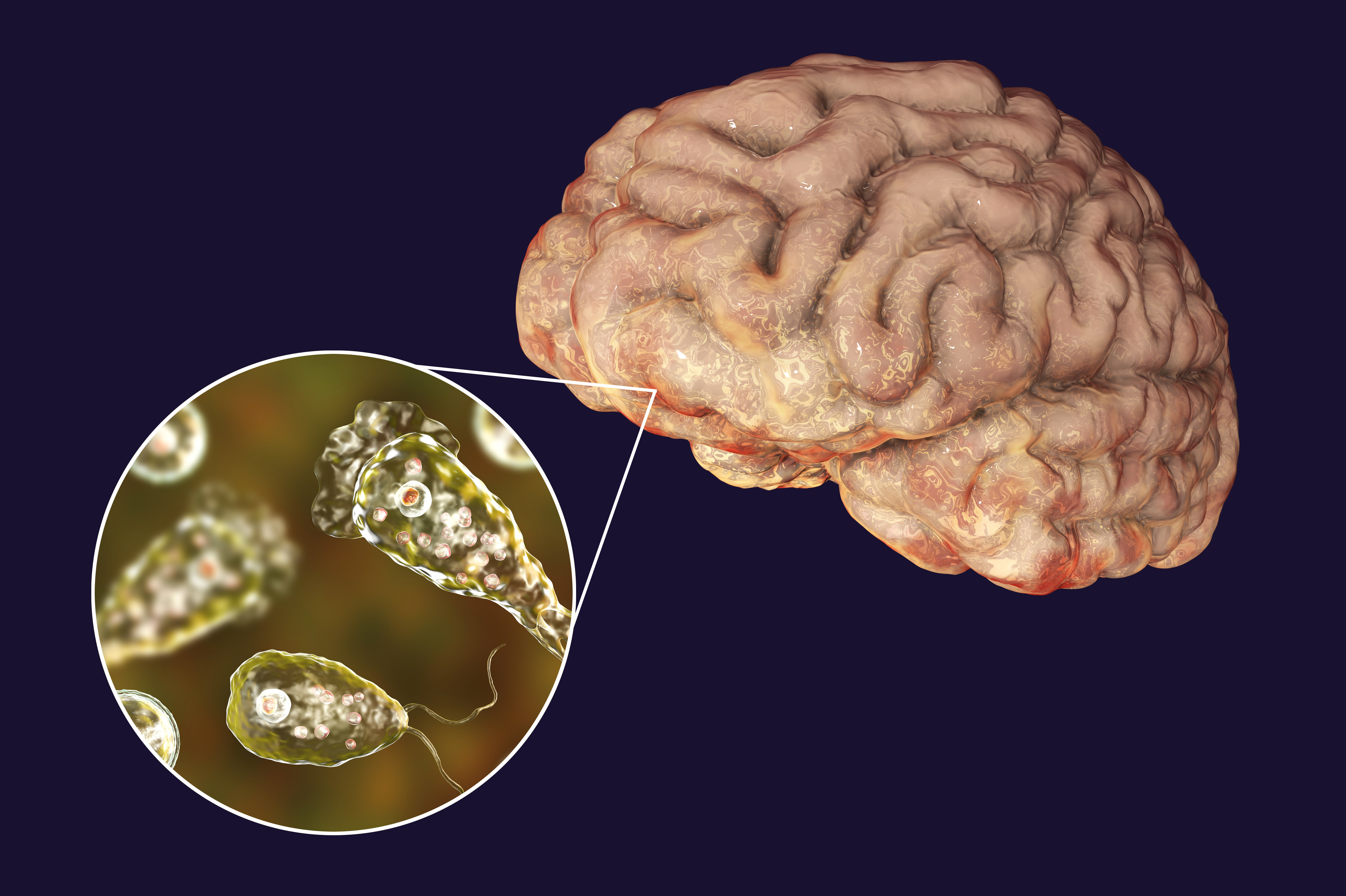
The term “brain amoeba” primarily refers to primary amebic meningoencephalitis (PAM), a devastating and almost universally fatal infection of the brain and its surrounding membranes, caused by the microscopic amoeba Naegleria fowleri. While rare, the disease carries an almost 100% mortality rate, and its sudden onset and rapid progression have profound financial implications for affected families, healthcare systems, and public health initiatives. Beyond the immediate medical tragedy, the economic ripple effects – from the direct costs of emergency medical intervention to the indirect costs of lost productivity and long-term research needs – underscore a significant financial burden that extends far beyond its epidemiological rarity. Understanding this condition through a financial lens reveals critical aspects of healthcare funding, personal finance preparedness, and the economics of rare disease management.
The Staggering Financial Burden of a Rare, Fatal Illness
Even though Naegleria fowleri infections are statistically uncommon, each case represents a catastrophic event with far-reaching financial consequences. Analyzing these costs helps in understanding the broader economic landscape of public health and individual financial planning.
Understanding Naegleria Fowleri: A Brief Contextual Overview
Naegleria fowleri is typically found in warm freshwater bodies such as lakes, rivers, and hot springs. Infection usually occurs when contaminated water enters the body through the nose, often during recreational activities like swimming or diving. The amoeba then travels up the olfactory nerve to the brain, causing severe inflammation and destruction of brain tissue. Symptoms appear rapidly, within 1 to 9 days, and can include severe headache, fever, nausea, vomiting, stiff neck, and eventually seizures, hallucinations, and coma. The disease progresses quickly, usually leading to death within 5 days of symptom onset. While medically devastating, it’s crucial for financial planners and policymakers to understand that even rare diseases like PAM exert considerable economic pressure. The medical costs, though concentrated, are astronomical, and the public health response, though infrequent, requires significant infrastructure and funding readiness.
Direct Medical Costs: Emergency Intervention and Intensive Care
The immediate financial impact of a PAM diagnosis is overwhelming. Due to its rapid progression, patients require immediate and aggressive medical intervention, often involving specialized neurointensive care. This includes prolonged stays in intensive care units (ICUs), mechanical ventilation, advanced neurological monitoring, and the administration of experimental or off-label antifungal and antiparasitic drugs. These drugs, such as miltefosine, are often expensive, and their effectiveness is limited, especially given the typical late stage of diagnosis. Daily ICU costs alone can range from several thousand to tens of thousands of dollars, quickly escalating the total hospital bill into the hundreds of thousands, if not millions, of dollars for even a few days of care. These expenses are often incurred under emergency conditions, leaving little room for comparative shopping or pre-authorization, further complicating financial navigation for families already in crisis. The vast majority of these costs are borne in what are ultimately futile attempts to save a life, highlighting a significant financial investment in an almost universally fatal outcome.
Indirect Financial Consequences: Lost Income and Psychological Costs
Beyond direct medical bills, the indirect financial consequences are substantial. For affected individuals, PAM is almost invariably fatal, meaning the financial impact shifts to the family. This includes immediate funeral expenses, which can be considerable, as well as the immediate and long-term loss of income from the deceased individual. The economic impact is particularly severe if the individual was a primary earner or contributed significantly to household income. For surviving family members, the emotional toll of such a rapid and tragic loss often translates into lost workdays, reduced productivity, and potentially the need for long-term psychological support, none of which are typically covered by standard insurance or easily quantified in financial models. Parents or guardians may need extensive time off work to be at the patient’s bedside during the rapid progression of the disease, and subsequently to grieve and manage the aftermath, creating significant financial strain on the household’s remaining income streams.
Economic Implications for Healthcare Systems and Public Health Infrastructures
Rare diseases like PAM, despite their low incidence, pose unique financial challenges to public health systems, demanding resources for readiness, surveillance, and prevention.
Strain on Emergency Services and Specialized Diagnostic Capabilities
While PAM cases are rare, each incident places a disproportionate strain on local healthcare systems. Emergency departments must be equipped to recognize the vague initial symptoms, which often mimic bacterial meningitis, and initiate appropriate diagnostic protocols. Rapid diagnosis is crucial, yet specialized testing for Naegleria fowleri is not available in every hospital, often requiring samples to be sent to state health labs or the Centers for Disease Control and Prevention (CDC). The logistical and financial burden of maintaining this diagnostic readiness, including specialized personnel, training, and equipment, falls on public health budgets. Each false alarm or delayed diagnosis represents not only a medical risk but also an inefficient use of scarce healthcare resources. Investing in centralized, rapid diagnostic facilities and widespread training is a considerable expense, but one deemed necessary given the severity of the disease.
Public Health Surveillance and Prevention Spending
Preventing PAM involves public awareness campaigns, water quality monitoring, and advisories for recreational water users. These initiatives, though vital, require consistent funding from public health agencies. Educating communities about safe swimming practices, the risks associated with nasal irrigation using untreated tap water, and the importance of avoiding warm freshwater in high-risk areas necessitates ongoing financial commitment. Public health departments fund the collection and analysis of environmental samples, track potential exposure sites, and disseminate information. While the cost of a single public awareness campaign might seem small, the cumulative spending on surveillance, epidemiological investigation of cases, and proactive community engagement represents a significant, yet often unseen, investment in public health and safety, justified by the devastating nature of even a single preventable death.
Cost-Benefit Analysis of Prevention vs. Treatment Investment

Given the near 100% fatality rate and the high cost of emergency care for PAM, a robust economic argument can be made for prioritizing prevention strategies. Investing in public education, water quality testing, and the development of point-of-use water treatment solutions (e.g., for neti pots) likely yields a higher return on investment than pouring resources into treating an almost incurable condition. Policymakers face the complex task of allocating limited public health funds across myriad diseases. For rare but severe conditions like PAM, the economic analysis often steers towards preventative measures. The cost of preventing a single case—through education or water advisories—pales in comparison to the multi-faceted financial devastation wrought by an infection that requires millions in medical care and results in a tragic loss of life and future economic productivity.
Financial Incentives and Challenges in Orphan Drug Development
The rarity of Naegleria fowleri infections positions it within the category of “orphan diseases,” presenting unique financial hurdles for research and development into effective treatments.
The Funding Gap for Rare and Neglected Diseases
Naegleria fowleri infections fall under the umbrella of “orphan diseases” or “neglected diseases” due to their rarity. Pharmaceutical companies often face a disincentive to invest heavily in research and development for drugs targeting such conditions because the potential market is small, making it difficult to recoup R&D costs and generate profit. This “funding gap” means that effective treatments for PAM remain elusive, contributing to the high mortality rate. Governments and non-profit organizations often step in to provide grants, tax incentives, or priority review vouchers to encourage pharmaceutical innovation for orphan drugs, recognizing the public health imperative even if the commercial viability is low. Without such financial incentives, progress on treatments for such devastating rare conditions would likely stall indefinitely.
The Economic Value of a Cure or Effective Treatment
Despite the small market size, the economic value of an effective treatment for PAM would be immense. Beyond saving lives, a cure would drastically reduce the direct healthcare costs associated with futile intensive care, alleviate the profound indirect costs borne by families, and mitigate the public health spending on crisis response. Economically, the development of an effective treatment could be viewed as a long-term investment, preventing future financial drains associated with the disease. This perspective sometimes motivates public-private partnerships or philanthropic endeavors, recognizing the broader societal benefit that transcends immediate commercial returns. The potential for a rapid, low-cost intervention far outweighs the current financial sinkhole represented by managing an almost untreatable condition.
Crowdfunding and Alternative Funding Models for Research
In the absence of robust pharmaceutical investment, some research into PAM treatments is supported by alternative funding models, including philanthropic donations, grants from patient advocacy groups, and even crowdfunding initiatives. While these methods can provide critical seed money, they are often insufficient to fund the extensive and expensive clinical trials required to bring a new drug to market. The reliance on such varied and often precarious funding streams highlights the systemic financial challenges in addressing diseases that affect only a handful of individuals each year but carry catastrophic consequences. For families of victims, contributing to such efforts is often the only way to feel they are making a difference, despite the overwhelming financial and emotional toll they have already endured.
Navigating Financial Preparedness for Catastrophic Illnesses
The tragic suddenness and severity of PAM underscore the critical importance of robust personal financial planning and understanding insurance mechanisms to mitigate the devastating financial fallout of unexpected, catastrophic health events.
Understanding Healthcare Insurance Coverage and Limitations
For families confronting a rare, catastrophic illness like PAM, navigating healthcare insurance becomes a critical financial hurdle. While comprehensive health insurance plans may cover a significant portion of hospital stays and medical procedures, high deductibles, co-pays, and out-of-pocket maximums can still leave families with substantial financial liabilities, especially given the rapid escalation of costs in ICU settings. Experimental treatments, often the only recourse for PAM, might not be fully covered, leading to further financial strain. Understanding policy limitations and benefits before a crisis hits is paramount, though rarely done for such rare conditions. It’s crucial to review “catastrophic illness” clauses and understand how out-of-network emergency care is handled, as specialized facilities might be required.
The Role of Emergency Funds and Critical Illness Policies
The unpredictable and often rapid onset of illnesses like PAM underscores the importance of robust personal financial planning. An emergency fund, typically covering 3-6 months of living expenses, can provide a vital buffer against immediate income disruption and unexpected medical bills. For those seeking additional protection against the financial fallout of severe diseases, critical illness insurance policies offer a lump-sum payment upon diagnosis of specific conditions, which can be used to cover medical expenses, lost income, or other financial needs. While specific coverage for Naegleria fowleri might not be explicitly listed, broader catastrophic illness clauses or life insurance policies become relevant in such dire scenarios, providing a financial safety net when standard health insurance may fall short of covering all direct and indirect costs.

Government Assistance and Charitable Support Pathways
In the wake of a PAM diagnosis and the subsequent financial hardship, families may need to explore avenues of government assistance, such as Medicaid (if eligible), or programs designed to help with medical debt. Additionally, charitable organizations and patient advocacy groups dedicated to rare diseases can provide financial aid, emotional support, and guidance on navigating complex healthcare systems. While these resources offer crucial lifelines, they are often limited and may not fully offset the profound financial impact of a disease as devastating and rapidly fatal as brain amoeba. Proactive engagement with financial advisors and insurance professionals can help individuals and families build a resilient financial framework to withstand unexpected health crises, however rare, and understand potential pathways for assistance in times of extreme need.
aViewFromTheCave is a participant in the Amazon Services LLC Associates Program, an affiliate advertising program designed to provide a means for sites to earn advertising fees by advertising and linking to Amazon.com. Amazon, the Amazon logo, AmazonSupply, and the AmazonSupply logo are trademarks of Amazon.com, Inc. or its affiliates. As an Amazon Associate we earn affiliate commissions from qualifying purchases.