
Beyond Liquid: The Brand as Definitive Identity
The seemingly simple question, “what is beverage,” transcends a mere description of liquid composition. In the contemporary marketplace, a beverage is not solely defined by its ingredients, taste profile, or physical properties, but profoundly by its brand. It is the brand that elevates a simple thirst-quencher to an experience, a statement, or a lifestyle choice, thereby shaping its very identity in the minds of consumers and the broader commercial landscape. Understanding “what is beverage” thus requires an exploration of the strategic branding decisions that imbue these liquids with meaning, purpose, and market distinctiveness.
The Essence of a Beverage in the Market
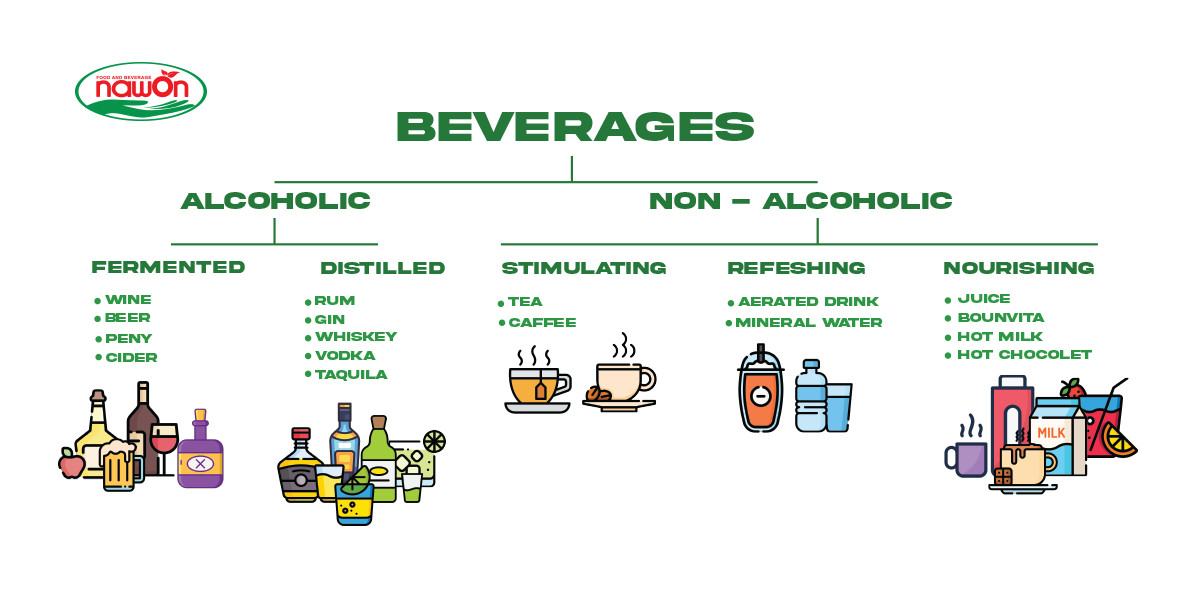
At its most fundamental, a beverage is a drink, typically designed for human consumption, whether for hydration, nourishment, pleasure, or social ritual. However, in the competitive global economy, this raw definition is insufficient. A beverage’s market essence is its unique selling proposition, its emotional resonance, and its perceived value, all meticulously constructed through branding. Consider water: while essential, its brand incarnations range from functional hydration to premium, mineral-rich health elixirs. The brand differentiates a generic liquid from a specific product that commands loyalty and specific pricing. It’s the story, the promise, and the visual identity that transforms H2O into Fiji, Evian, or Smartwater, each appealing to distinct consumer segments with unique aspirations and perceived needs. This transformation from a generic commodity to a branded entity is central to defining what a beverage truly is in a commercial context.
From Commodity to Crafted Experience
Many beverages originate as commodities—raw ingredients like coffee beans, tea leaves, or simple water. The branding process is what meticulously crafts these basic components into a complete experience. This crafting involves every touchpoint: the formulation of unique flavors, the ergonomic and aesthetic design of packaging, the strategic naming, and the pervasive marketing messages. For instance, coffee, as a commodity, is simply roasted beans. Yet, Starbucks transforms it into a “third place” experience, defined by artisanal preparation, customizable options, and a specific ambiance. Similarly, craft beers are not just fermented grains; they are expressions of a brewer’s philosophy, local ingredients, and unique flavor profiles, packaged in distinctive labels that tell a story. This deliberate crafting of a holistic experience, rather than just delivering a liquid, is a cornerstone of how branding redefines “what is beverage.” It shifts the focus from intrinsic properties to extrinsic attributes that resonate deeply with consumer desires for authenticity, quality, and connection.
Crafting Perception: How Branding Shapes “Beverage”
The perception of a beverage is not accidental; it is engineered. Branding serves as the primary tool for this engineering, influencing everything from perceived taste and quality to social status and emotional associations. Through consistent messaging and strategic design, brands dictate how consumers interpret and interact with a beverage, fundamentally altering its definition in their minds.
Visual Identity and Package Design
The visual identity and package design are often the first, and sometimes most lasting, impression a beverage makes. The shape of a bottle, the colors on a can, the typeface on a label—all contribute to a beverage’s perceived identity before a single drop is consumed. A sleek, minimalist design might signal premium quality and sophistication, while vibrant, playful graphics could suggest energy and fun. Think of Coca-Cola’s iconic contour bottle and classic red-and-white logo; these elements are inseparable from the “Coca-Cola experience” and instantly communicate its brand heritage and universal appeal. Conversely, the elegant simplicity of a high-end wine bottle speaks volumes about its supposed vintage and craftsmanship. These visual cues are critical in defining “what is beverage” for the consumer, often influencing purchasing decisions more than the ingredient list itself. They create an immediate narrative and set expectations for the product inside.
Storytelling and Emotional Connection
Beyond aesthetics, branding imbues beverages with narrative and emotional depth. Effective storytelling connects a beverage to cultural moments, personal aspirations, or shared values, creating a bond that transcends mere product features. A brand might tell a story of heritage and tradition, emphasizing generations of craftsmanship (e.g., Scotch whisky brands), or one of innovation and future-forward thinking (e.g., energy drinks promoting peak performance). The narrative around sustainable sourcing or ethical production can also define a beverage, appealing to consumers’ desire for conscious consumption. By associating a beverage with feelings of nostalgia, excitement, comfort, or belonging, brands elevate it beyond a functional item to an emotional touchstone. This emotional resonance is a powerful component of “what is beverage,” making it a vehicle for self-expression, social interaction, and personal identity.
Positioning and Target Audience
A key aspect of branding beverages involves strategic positioning and the identification of a precise target audience. “What is beverage” becomes highly contextual based on who it is for and what role it is intended to play. Is it a health drink for fitness enthusiasts, a sophisticated mixer for cocktail aficionados, or a playful soda for children? Each positioning dictates the brand’s tone, distribution channels, and marketing strategy. A high-energy sports drink is positioned for performance and recovery, distinct from a calming herbal tea marketed for relaxation and wellness. This differentiation is crucial in a crowded market. By carving out a distinct niche and speaking directly to the needs and desires of a specific demographic, brands define their beverages’ purpose and place in the market. This strategic alignment ensures that the beverage is not just consumed, but understood and valued by its intended audience for its specific benefits and brand promise.
The Strategic Layers of Beverage Branding
The success of a beverage is fundamentally linked to the strategic depth of its branding efforts. These strategies involve complex decisions about how the brand is structured, how it innovates, and how it fosters lasting loyalty. These layers combine to create a resilient and impactful definition of “what is beverage” in the long term.
Brand Architecture in the Beverage Industry
Brand architecture is vital in the beverage sector, especially for companies with diverse product portfolios. This involves organizing and structuring various brands and sub-brands to maximize clarity, minimize cannibalization, and leverage equity. A strong master brand (e.g., PepsiCo, Nestlé) might endorse several distinct beverage brands (Pepsi, Mountain Dew, Gatorade), each with its own identity and target market. This house of brands approach allows for diverse offerings without diluting the core identity of any single product. Conversely, some companies might employ a branded house strategy, where the parent brand is prominent across all offerings (e.g., Red Bull with its various extensions like Red Bull Sugarfree). The choice of brand architecture significantly impacts how “what is beverage” is perceived across a company’s entire range, guiding consumer expectations and market positioning for each product.
Innovation and Adaptation through Branding
The beverage market is dynamic, constantly evolving with new consumer trends, health consciousness, and technological advancements. Branding plays a crucial role in enabling innovation and adaptation. A strong brand allows for the introduction of new flavors, product lines (e.g., from sugary drinks to zero-sugar variants), or even entirely new beverage categories (e.g., plant-based milks, adaptogenic drinks) while maintaining consumer trust and recognition. Brands must skillfully adapt their messaging and product offerings to remain relevant. For example, brands that once focused solely on sugary sodas have diversified into sparkling water, ready-to-drink coffee, or functional beverages to meet changing demands for healthier options. This strategic agility, guided by a flexible yet consistent brand identity, ensures that “what is beverage” remains a living, evolving concept in the marketplace, capable of meeting future consumer needs.
Building Loyalty and Cultural Significance
Ultimately, effective beverage branding aims to cultivate deep consumer loyalty and, ideally, achieve cultural significance. Loyalty is built through consistent quality, reliable delivery of the brand promise, and ongoing engagement with the target audience. Brands achieve cultural significance when they transcend their product utility to become intertwined with societal rituals, celebrations, or daily routines. Think of Champagne at celebrations, or a specific brand of cola associated with friendship and sharing. These beverages are not just drinks; they are symbols. They define “what is beverage” not only as a product but as a meaningful artifact within a culture, holding a place in collective memory and individual habits. This level of integration into daily life creates an enduring definition that is incredibly valuable and difficult for competitors to replicate.
Measuring the Brand’s Impact on “Beverage” Value
The brand’s role in defining “what is beverage” is not merely conceptual; it has tangible economic implications. The strength of a beverage brand directly translates into market share, consumer preference, and overall financial valuation, underscoring that the brand itself is a significant part of the product’s inherent value.
Market Share and Consumer Preference
A strong brand profoundly influences market share and consumer preference. In categories where product differentiation based solely on ingredients might be minimal (e.g., bottled water, basic soda), branding becomes the primary driver of choice. Consumers often gravitate towards familiar, trusted, or aspirational brands, even when functionally similar alternatives exist. A well-established beverage brand can command premium pricing, sustain sales even during economic downturns, and resist competitive pressures more effectively. The brand’s ability to define its beverage as superior, more authentic, healthier, or more fashionable directly translates into a larger slice of the market pie and a higher likelihood of being chosen over unbranded or lesser-known alternatives.

Brand Equity and Financial Valuation
The ultimate measure of a brand’s impact on “what is beverage” is its brand equity and its contribution to the financial valuation of the company. Brand equity encompasses the intangible value a brand adds to a product. It includes factors like brand awareness, perceived quality, brand associations, and brand loyalty. For beverage companies, strong brand equity can represent billions in valuation, far exceeding the value of their physical assets or raw ingredients. Investors and analysts recognize that a well-defined and beloved beverage brand is a powerful asset that generates future revenue, commands pricing power, and fosters resilience. Thus, “what is beverage” in a financial sense is inseparable from its brand equity, which serves as a testament to the strategic efforts poured into shaping its identity, perception, and lasting appeal. The brand doesn’t just describe the beverage; it is a significant portion of its worth.
aViewFromTheCave is a participant in the Amazon Services LLC Associates Program, an affiliate advertising program designed to provide a means for sites to earn advertising fees by advertising and linking to Amazon.com. Amazon, the Amazon logo, AmazonSupply, and the AmazonSupply logo are trademarks of Amazon.com, Inc. or its affiliates. As an Amazon Associate we earn affiliate commissions from qualifying purchases.