
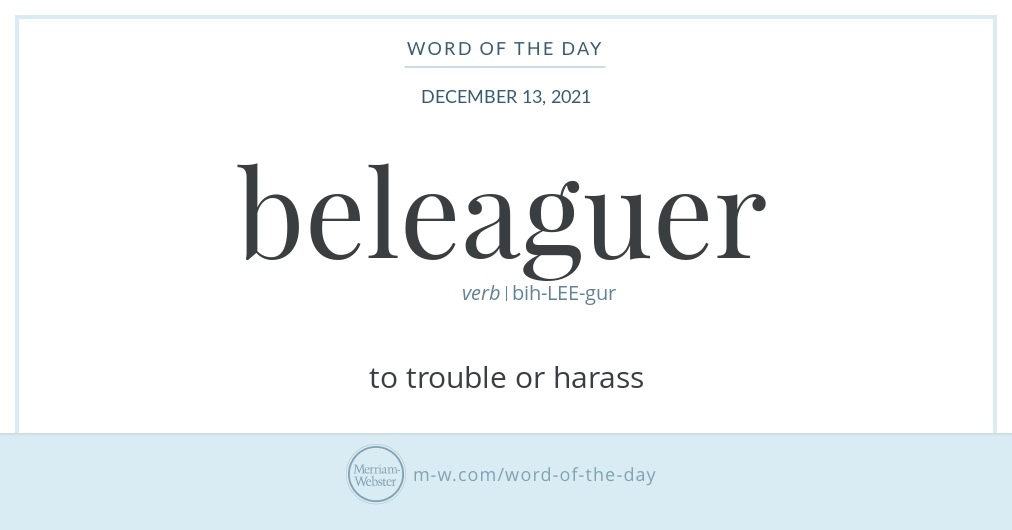
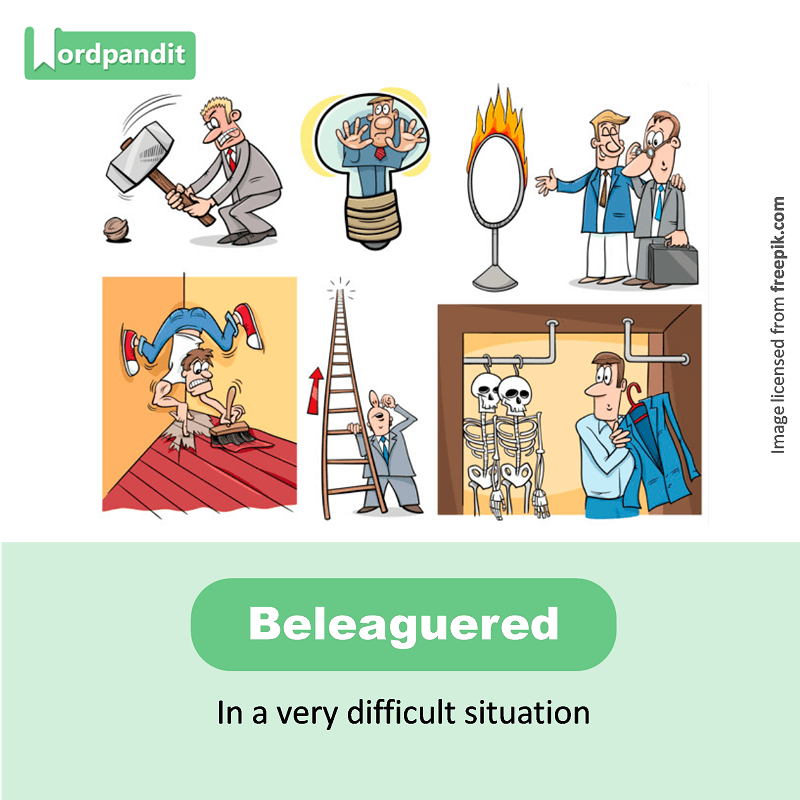
The term “beleaguered” often conjures images of an entity under siege, relentlessly attacked or surrounded by difficulties. In the lexicon of brand strategy, a “beleaguered brand” carries a profound and nuanced meaning, signifying a brand that is experiencing severe and persistent challenges, facing intense pressure from multiple directions, and struggling to maintain its market position, reputation, or even its fundamental identity. It’s more than just a bad quarter; it’s a sustained state of duress that threatens the brand’s very existence or its long-term viability. Understanding what constitutes a beleaguered brand is crucial for businesses aiming for resilience and for strategists tasked with steering an enterprise through turbulent times.
Defining “Beleaguered” in a Brand Context
At its core, “beleaguered” refers to being surrounded by difficulties or opposition. When applied to a brand, this means that an organization’s distinct identity, promise, and market perception are under significant, often multifaceted, assault. This state can manifest in various ways, from a relentless barrage of negative media attention to a sustained decline in market share, or even an internal crisis that erodes employee morale and trust in leadership. It’s a situation where the brand’s ability to operate effectively, resonate with its audience, and deliver on its value proposition is severely compromised.
Beyond the Dictionary: Brand-Specific Nuances
While the dictionary definition provides a starting point, its application to brands adds layers of complexity. A brand isn’t just a product or service; it’s a living entity defined by its story, values, customer relationships, and market standing. Therefore, when a brand is beleaguered, it’s not merely facing operational hurdles but often a crisis of identity, trust, and relevance.
- Reputational Erosion: This is perhaps the most visible sign. A beleaguered brand suffers from a severely tarnished public image, often due to scandals, ethical lapses, product failures, or mishandled crises. The negative perception becomes pervasive, overshadowing any positive attributes.
- Market Share Contraction: Sustained periods of losing ground to competitors, failing to attract new customers, or struggling to retain existing ones indicate a deep-seated problem that the brand is unable to overcome with its current strategies.
- Declining Brand Equity: This encompasses the overall value stakeholders perceive in the brand. When beleaguered, brand equity – the intangible value derived from consumer perception – suffers dramatically, leading to reduced pricing power, customer loyalty, and potential for growth.
- Internal Turmoil: A brand’s struggles are often reflected internally. High employee turnover, low morale, internal conflicts, and a loss of faith in leadership are strong indicators that the organization behind the brand is under significant strain, further exacerbating external challenges.
Common Symptoms of a Beleaguered Brand
Identifying a beleaguered brand involves recognizing a cluster of persistent negative indicators, rather than isolated incidents. These symptoms often create a vicious cycle, where one negative aspect feeds into another, making recovery increasingly difficult without strategic intervention.
- Persistent Negative Media Coverage: Beyond a single critical report, a beleaguered brand often finds itself the subject of ongoing negative news cycles, investigative pieces, and public scrutiny that chip away at its credibility.
- Social Media Backlash: A constant stream of critical comments, viral complaints, and organized online opposition can quickly amplify problems and make it difficult for the brand to control its narrative.
- Significant Drop in Customer Trust and Loyalty: Customers defecting to competitors, reduced repeat purchases, and a general cynicism towards the brand’s promises are clear signs of eroding trust.
- Financial Underperformance: Plunging sales, decreased profitability, a falling stock price (for public companies), and difficulty securing investments often accompany the non-financial symptoms, as brand health directly impacts financial viability.
- Legal or Regulatory Challenges: Being embroiled in multiple lawsuits, facing significant fines, or dealing with adverse regulatory actions further drains resources and public confidence.
The Anatomy of Brand Duress: How Brands Become Beleaguered
The path to becoming a beleaguered brand is rarely simple, often involving a confluence of factors, both internal and external, that overwhelm an organization’s capacity to respond effectively. Understanding these pathways is crucial for prevention and strategic planning.
External Pressures: Market Shifts and Competitor Actions
The external environment poses constant threats that can challenge even well-established brands.
- Disruptive Innovation: New technologies or business models can quickly render existing products or services obsolete, leaving slow-to-adapt brands struggling for relevance. Think of traditional photography brands facing digital cameras or Blockbuster’s struggle against Netflix.
- Aggressive Competition: Fierce rivalry, innovative marketing campaigns from competitors, or price wars can erode market share and push a brand to the brink.
- Economic Downturns: Recessions or economic instability can drastically reduce consumer spending, impacting brands that rely on discretionary purchases or premium pricing.
- Shifting Consumer Values: Evolving societal expectations around sustainability, ethical sourcing, data privacy, or social justice can catch brands off guard if they fail to adapt their practices and messaging. Brands that are perceived as out-of-touch or exploitative can quickly become targets of public ire.
Internal Challenges: Leadership Failures and Operational Glitches
While external forces are powerful, many brands become beleaguered due to issues originating within the organization itself.
- Leadership Missteps and Ethical Lapses: Scandals involving top executives, poor strategic decisions, or a failure to uphold corporate values can severely damage a brand’s reputation and internal cohesion.
- Product or Service Failures: Consistent quality control issues, product recalls, or a failure to innovate can lead to a loss of customer trust and market credibility.
- Poor Customer Service: A sustained inability to meet customer expectations, resolve complaints effectively, or provide satisfactory support can drive customers away and generate significant negative word-of-mouth.
- Organizational Culture Problems: A toxic work environment, internal power struggles, or a lack of clear vision can lead to inefficiency, high employee turnover, and ultimately impact external brand perception as disgruntled employees vent frustrations publicly.
Reputational Crises: Negative PR and Social Media Backlash
The speed and reach of modern communication channels mean that reputation can be built and destroyed at an unprecedented pace.
- PR Disasters: A poorly handled public relations crisis, an ill-conceived advertising campaign, or an insensitive statement can quickly spiral out of control, causing widespread outrage.
- Social Media Amplification: In today’s hyper-connected world, a single misstep can go viral, leading to boycotts, organized protests, and a relentless barrage of criticism across social platforms, making it incredibly difficult for brands to manage their narrative.
The Tangible and Intangible Costs of a Beleaguered Brand
The consequences of being a beleaguered brand extend far beyond mere inconvenience. They impact every facet of the business, from its financial health to its internal culture, often with long-lasting repercussions.
Erosion of Trust and Customer Loyalty
Perhaps the most damaging cost is the loss of consumer trust. Trust is the bedrock of any successful brand-customer relationship. When a brand is beleaguered, that trust is shattered.
- Customer Defection: Loyal customers, who once advocated for the brand, begin to seek alternatives, leading to a direct decline in sales and market share.
- Diminished Word-of-Mouth: Negative experiences are amplified, and the positive recommendations that once fueled growth disappear, replaced by warnings and criticisms.
- Difficulty in Attracting New Customers: Prospective customers, influenced by the brand’s negative reputation, are less likely to give it a chance, making growth strategies ineffective.
Financial Ramifications: Sales, Stock Price, and Investment
The intangible costs quickly translate into very tangible financial losses.
- Decreased Revenue: Fewer customers, reduced purchasing frequency, and often the necessity for aggressive discounting to move inventory directly impact the top line.
- Reduced Profitability: Operational costs remain, but revenue declines, squeezing profit margins. Brands may also incur significant costs in crisis management, legal fees, and marketing efforts to repair damage.
- Stock Market Volatility: For public companies, a beleaguered status almost invariably leads to a plummeting stock price, reflecting investor apprehension and a loss of confidence in future earnings.
- Difficulty in Securing Funding: Investors, banks, and partners become wary of associating with a struggling brand, making it difficult to secure the capital needed for recovery or growth.
Talent Drain and Organizational Morale
The impact of a beleaguered brand is not limited to external stakeholders; it profoundly affects the internal fabric of the organization.
- High Employee Turnover: Employees, disheartened by negative publicity, loss of pride in their work, or uncertainty about the company’s future, often seek opportunities elsewhere, leading to a loss of institutional knowledge and increased recruitment costs.
- Low Morale and Productivity: A beleaguered environment fosters stress, anxiety, and a sense of hopelessness among remaining staff, leading to decreased productivity, creativity, and innovation.
- Difficulty in Attracting Top Talent: Just as customers are deterred, high-caliber professionals are less likely to join a brand with a tarnished reputation, further weakening the organization’s ability to innovate and recover.
Strategies for Brand Resilience and Recovery
While becoming beleaguered is a perilous state, it is not always a death sentence. Brands can recover and even emerge stronger, but it requires strategic, decisive, and often transformative action.
Proactive Reputation Management
Prevention is always better than cure. Brands must actively monitor their public perception and build strong foundations.
- Robust Crisis Communication Plans: Having a clear, actionable plan for managing potential crises, including designated spokespersons, communication channels, and key messaging, is paramount.
- Ethical Governance and Transparency: Operating with integrity, adhering to strong ethical standards, and being transparent with stakeholders build a reservoir of goodwill that can withstand minor shocks.
- Consistent Brand Storytelling: Regularly communicating the brand’s values, mission, and positive contributions helps to reinforce its identity and counter potential negativity.
Authentic Communication and Transparency
Once a crisis hits, honest and open communication is non-negotiable.
- Acknowledge and Apologize: Brands must swiftly and sincerely acknowledge the problem and apologize for any wrongdoing or negative impact. Evasion or defensiveness only exacerbates the situation.
- Be Transparent About Solutions: Communicate clearly what steps are being taken to address the issue, providing regular updates on progress. This demonstrates accountability and a commitment to rectification.
- Engage with Critics: Rather than ignoring or blocking negative feedback, actively engage with critics, listen to their concerns, and demonstrate a willingness to learn and improve.
Rebuilding Trust Through Action
Words alone are not enough. Recovery hinges on tangible actions that demonstrate a fundamental shift in behavior or approach.
- Implement Corrective Measures: Whether it’s product recalls, systemic changes in operational procedures, or overhauling leadership, the brand must show it’s committed to fixing the root causes of its problems.
- Invest in Customer Care: Ramping up customer service, offering restitution, or providing enhanced support can go a long way in winning back disgruntled customers.
- Reinforce Brand Values Through Deeds: Demonstrate commitment to stated values through charitable initiatives, sustainable practices, or community engagement, proving the brand is more than just profit-driven.
Innovation and Adaptation
A beleaguered brand often needs to redefine itself or its offerings to regain relevance.
- Product or Service Reinvention: Launching innovative products or services that address previous shortcomings or new market needs can signal a fresh start.
- Market Reorientation: Shifting focus to new market segments or adapting business models can open new avenues for growth and allow the brand to shed its negative past associations.
- Strategic Rebranding: In extreme cases, a complete rebranding – including a new name, logo, and identity – might be necessary to dissociate from a tarnished past and signal a genuine transformation.
The Opportunity in Adversity: Emerging Stronger
While the experience of being a beleaguered brand is arduous, it can paradoxically serve as a crucible for profound growth and transformation. Adversity, when handled effectively, can force an organization to confront its weaknesses, redefine its purpose, and ultimately emerge with a stronger, more resilient brand identity.
Learning from Challenges
Brands that successfully navigate a beleaguered period often gain invaluable insights into their operations, culture, and customer base. They learn to be more vigilant, more responsive, and more deeply connected to their stakeholders. The painful lessons from crises can inform future strategies, leading to more robust systems and ethical practices.

Reinventing Brand Identity
A period of intense pressure can also be an opportunity for a brand to shed outdated perceptions and embrace a renewed identity. By demonstrating resilience, integrity, and a genuine commitment to improvement, a brand can rewrite its narrative, transforming public perception from one of struggle to one of triumph and renewed purpose. This reinvention can solidify a brand’s place in the market for decades to come, proving that even from the depths of being beleaguered, a powerful comeback is possible.
aViewFromTheCave is a participant in the Amazon Services LLC Associates Program, an affiliate advertising program designed to provide a means for sites to earn advertising fees by advertising and linking to Amazon.com. Amazon, the Amazon logo, AmazonSupply, and the AmazonSupply logo are trademarks of Amazon.com, Inc. or its affiliates. As an Amazon Associate we earn affiliate commissions from qualifying purchases.