
Batten’s disease, a rare and devastating neurodegenerative disorder, presents profound challenges extending far beyond the medical realm. While its primary impact is on the health and well-being of affected individuals, its diagnosis and progression unleash an immense financial and economic burden on families, healthcare systems, and society at large. Understanding “what is Batten’s disease” fundamentally requires an appreciation for the intricate web of costs associated with managing a lifelong, progressive condition with limited therapeutic options and significant care demands. This article delves into the monetary dimensions of Batten’s disease, exploring the direct medical expenditures, the indirect economic strain on families, and the critical financial strategies necessary for resilience.

The Devastating Nature of Batten’s Disease and its Clinical Costs
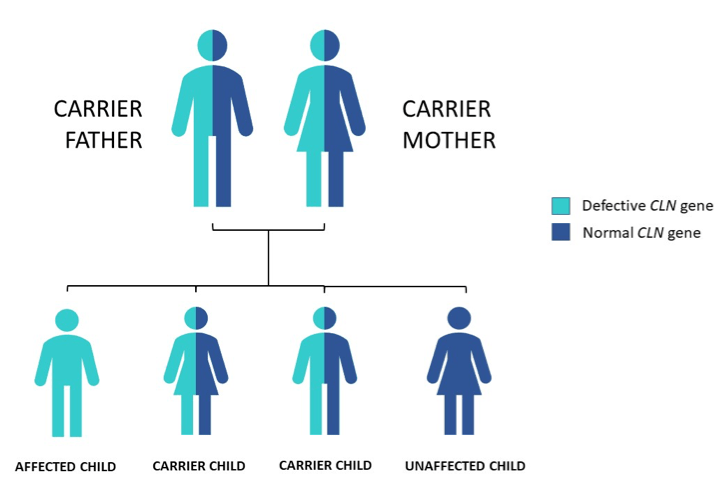
Batten’s disease, also known as Neuronal Ceroid Lipofuscinoses (NCLs), represents a group of inherited, fatal disorders that affect the nervous system. Characterized by the accumulation of fatty substances called lipopigments in the brain and other tissues, these diseases lead to progressive neurological decline. Depending on the specific genetic mutation and age of onset, symptoms can include vision loss, seizures, motor skill deterioration, cognitive impairment, and a shortened life expectancy. The various forms, such as CLN1, CLN2, CLN3, and CLN6 disease, each present unique clinical courses but share a common thread of relentless progression.
The Escalating Burden of Medical Care
From the moment of suspicion to end-of-life care, the financial costs of managing Batten’s disease are staggering. The initial diagnostic phase itself can be costly, involving a battery of neurological assessments, imaging studies (MRI/CT scans), electrophysiology tests, and definitive genetic testing – often requiring multiple specialists across different institutions. As the disease progresses, medical care becomes increasingly intensive and specialized:
- Medication Management: Patients require a complex regimen of pharmaceuticals to manage symptoms such as seizures, sleep disturbances, spasticity, and pain. Polypharmacy is common, leading to significant monthly prescription costs.
- Therapeutic Interventions: For specific forms like CLN2 disease, enzyme replacement therapy (ERT) has emerged as a treatment option. While life-changing for some, these therapies are incredibly expensive, often costing hundreds of thousands of dollars annually, placing immense pressure on healthcare budgets and insurance providers. Emerging gene therapies for other NCL forms are anticipated to carry similar or even higher price tags, reflecting the high investment in rare disease research and development.
- Specialized Equipment: As mobility and independent function decline, families face costs for durable medical equipment (DME), including specialized wheelchairs, adaptive seating, feeding tubes, communication devices, and respiratory support equipment. Home modifications for accessibility, such as ramps, stairlifts, and accessible bathrooms, represent substantial one-time expenditures.
- Ongoing Medical Appointments and Hospitalizations: Frequent visits to neurologists, ophthalmologists, physical therapists, occupational therapists, speech therapists, and nutritionists are essential. Acute care hospitalizations for seizure clusters, infections, or respiratory complications are common, each incurring significant facility and professional fees.
- Home Health and Respite Care: As the disease advances, around-the-clock care may become necessary. While some families provide this themselves, the need for professional home health aides, skilled nursing, or respite care can lead to substantial hourly costs, often not fully covered by insurance. For those requiring institutional care, specialized facilities can be prohibitively expensive.
Economic Strain on Families and Caregivers
Beyond direct medical bills, the indirect economic consequences for families affected by Batten’s disease are profound, often leading to financial distress and long-term instability. The disease doesn’t just impact the patient; it fundamentally reshapes the entire family’s financial landscape.
Direct Financial Outlays
Families frequently face a multitude of out-of-pocket expenses that chip away at their financial resources:
- Loss of Income: One of the most significant impacts is the reduction or complete loss of income for primary caregivers. Often, a parent must leave their job or reduce working hours to provide full-time care, sacrificing career progression, retirement savings, and future earning potential. This “caregiver penalty” disproportionately affects women and can have generational consequences.
- Travel and Accommodation: Attending specialist appointments often requires travel to distant medical centers, incurring costs for transportation, accommodation, and meals. These logistical challenges add financial and emotional strain.
- Uncovered Therapies and Services: While essential, some specialized therapies, adaptive equipment, or alternative interventions may not be fully covered by insurance, leaving families to bear the full cost.
- Legal and Financial Planning: Engaging legal professionals for estate planning, establishing special needs trusts, and navigating government benefits adds another layer of financial commitment.
Indirect Costs and Quality of Life
The economic impact also manifests in less tangible, yet equally damaging, ways:
- Emotional and Psychological Toll: The immense stress, grief, and burnout experienced by caregivers can lead to mental health challenges requiring therapy, which in itself is a cost. The family’s overall quality of life diminishes as financial resources are stretched and time for personal pursuits or leisure evaporates.
- Impact on Siblings: Healthy siblings may face reduced parental attention, emotional distress, and potential educational or extracurricular limitations due to the family’s financial constraints and the demands of caring for their sick sibling.
- Reduced Savings and Increased Debt: Families often deplete savings, take on significant debt, or even face bankruptcy as they try to cover the extensive costs associated with Batten’s disease care. This can compromise their long-term financial security and ability to plan for the future.
Navigating the Financial Landscape: Insurance, Assistance, and Philanthropy
For families confronting Batten’s disease, understanding and strategically navigating the complex financial landscape is paramount. A multi-pronged approach involving health insurance, government programs, non-profit support, and community philanthropy becomes essential for survival.
The Role of Health Insurance
Health insurance is the primary financial lifeline, yet it often presents its own set of challenges. While the Affordable Care Act (ACA) has eliminated lifetime caps and mandated coverage for pre-existing conditions, families still grapple with high deductibles, co-pays, and out-of-pocket maximums that can run into tens of thousands of dollars annually. Denials for specific treatments, equipment, or therapies are common for rare diseases, necessitating time-consuming appeals processes and advocacy. Understanding policy limits, network restrictions, and the appeals process is crucial for maximizing coverage.
Government and Non-Profit Support
Various governmental and philanthropic programs provide critical financial assistance:
- Government Programs:
- Medicaid/CHIP: For low-income families, Medicaid can provide comprehensive coverage. Children’s Health Insurance Program (CHIP) supports families who earn too much for Medicaid but cannot afford private insurance.
- Medicare: Patients with long-term disabilities, regardless of age, may eventually qualify for Medicare after a waiting period, typically 24 months after receiving Social Security Disability Insurance (SSDI).
- Social Security Disability Insurance (SSDI) & Supplemental Security Income (SSI): SSDI provides benefits based on a parent’s work history, while SSI is a needs-based program for individuals with disabilities regardless of work history. These benefits are critical for providing a baseline income and often serve as a gateway to Medicaid or Medicare.
- State-Specific Programs: Many states offer programs for children with special healthcare needs, providing financial aid for medical care, equipment, and sometimes even respite services.
- Non-Profit Organizations: Disease-specific foundations, such as the Batten Disease Support and Research Association (BDSRA) and the Batten Disease Alliance, are invaluable resources. They often provide direct financial assistance through grants, help with medical expenses, fund research, and offer advocacy and navigation support. Pharmaceutical companies also frequently offer patient assistance programs to help cover the costs of expensive therapies.
The Power of Philanthropy and Fundraising
Community fundraising efforts, often initiated by affected families, play a vital role in bridging financial gaps. Online crowdfunding platforms, local charity events, and direct appeals can generate significant funds for medical care, adaptive equipment, and necessary home modifications. These efforts not only provide immediate financial relief but also raise awareness for the disease, potentially stimulating broader philanthropic and research investments. Philanthropic foundations also contribute substantially to rare disease research, aiming to discover new treatments and cures, which ultimately have profound long-term economic benefits by reducing lifelong care costs.
The Economic Imperative for Research and Development
Investing in research and development for Batten’s disease carries a significant economic imperative. While the upfront costs of drug discovery and clinical trials are substantial, the long-term economic benefits of effective treatments and cures far outweigh the initial investment.
Investing in Cures: A Long-Term Economic Gain
Rare diseases like Batten’s disease are often termed “orphan diseases” because their small patient populations traditionally made them less attractive for pharmaceutical investment. However, legislative incentives, such as the Orphan Drug Act, have stimulated research. Developing treatments, though costly (often hundreds of millions to billions of dollars per drug), offers immense societal value. A successful therapy or cure for Batten’s disease would:
- Reduce Lifelong Care Costs: Prevent or significantly slow the progression of symptoms, dramatically lowering the need for expensive medical interventions, specialized equipment, and intensive long-term care.
- Improve Quality of Life: Enhance the patient’s ability to participate in daily activities, potentially reducing caregiver burden and allowing family members to maintain employment and contribute to the economy.
- Generate Economic Returns: A healthy, productive individual contributes to the economy through work, taxes, and consumption, rather than being a perpetual recipient of healthcare and social services.
The Economic Argument for Early Diagnosis
Early diagnosis, especially with the advent of newborn screening programs for some NCL forms, presents a compelling economic advantage. Identifying the disease before severe symptoms manifest allows for prompt initiation of available therapies, potentially slowing disease progression and preserving cognitive and motor functions. This proactive approach can defer or lessen the severity of costly complications, reduce the need for extensive medical interventions later in life, and enable families to plan financially more effectively. The economic benefits of early intervention extend beyond direct healthcare savings, encompassing improved family stability and a better long-term outlook for the affected individual.
Strategic Financial Planning for Families Affected by Batten’s Disease
Given the overwhelming financial implications, strategic financial planning is indispensable for families navigating life with Batten’s disease. Proactive measures can help secure the financial future of the affected individual and mitigate the severe economic strain on the family.
Estate Planning and Special Needs Trusts
Crucial for families with a child affected by Batten’s disease is establishing comprehensive estate planning. A Special Needs Trust (SNT) is a vital tool. This legal arrangement allows assets to be held for the benefit of the individual with Batten’s disease without jeopardizing their eligibility for crucial government benefits such as SSI and Medicaid. Without an SNT, any inheritance or significant personal assets could disqualify them from these programs, leaving them without essential financial support. Guardianship considerations, establishing a clear power of attorney, and drafting a will are also fundamental components of a robust estate plan.

Maximizing Benefits and Resources
Families should proactively research and apply for all available federal, state, and local assistance programs as soon as possible. This includes not only medical aid but also educational support, vocational rehabilitation services, and housing assistance if applicable. Consulting with financial advisors specializing in special needs planning can provide invaluable guidance, helping families understand complex eligibility rules, maximize benefits, and create a sustainable financial roadmap. Networking with other affected families, often through patient advocacy groups, can also provide a rich source of practical advice, shared experiences, and information on lesser-known resources, fostering a collective resilience in the face of Batten’s disease’s profound economic challenges.
aViewFromTheCave is a participant in the Amazon Services LLC Associates Program, an affiliate advertising program designed to provide a means for sites to earn advertising fees by advertising and linking to Amazon.com. Amazon, the Amazon logo, AmazonSupply, and the AmazonSupply logo are trademarks of Amazon.com, Inc. or its affiliates. As an Amazon Associate we earn affiliate commissions from qualifying purchases.