
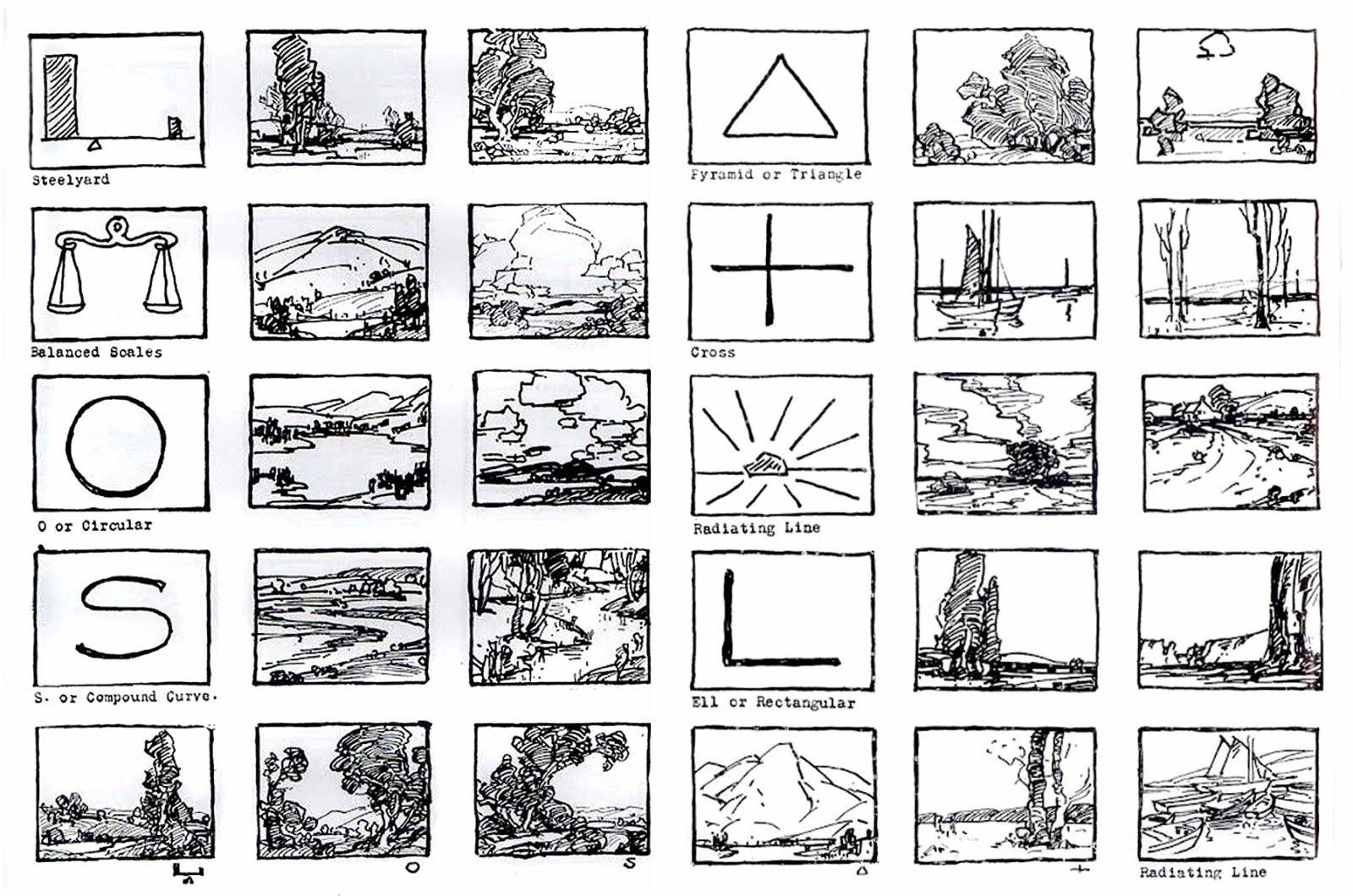
Artistic composition, often perceived as a concept exclusive to fine art, is, in reality, a fundamental bedrock of effective brand design and communication. Far from being a mere aesthetic consideration, it is the strategic arrangement of elements within a visual space to create a coherent, impactful, and communicative message. For brands, mastering composition means meticulously orchestrating visual components – be it text, images, shapes, or colors – to guide the viewer’s eye, evoke specific emotions, and ultimately reinforce brand identity and objectives. It’s the silent language that transforms disparate elements into a unified, persuasive brand narrative, influencing perception, recognition, and engagement across all touchpoints.
The Foundational Role of Composition in Brand Visuals
In the competitive landscape of modern business, a brand’s visual identity is often its first and most lasting impression. Here, composition transcends mere beauty; it becomes a critical tool for strategic communication. A well-composed visual asset, whether a logo, an advertisement, or a website layout, does more than just look good – it works hard to achieve specific branding goals.
Beyond Aesthetics: Composition as a Communication Tool
Composition dictates how quickly and effectively a brand’s message is absorbed. It’s about creating order out of potential chaos, ensuring that the most important information stands out and that secondary details support the primary message without distraction. For a brand, this means ensuring that a customer can instantly grasp what is being offered, what the brand stands for, and why they should care. Poor composition, conversely, can lead to confusion, misinterpretation, and a diluted brand message, diminishing credibility and memorability. It’s the difference between a meticulously arranged retail display that invites exploration and a cluttered shelf that overwhelms.
The Psychology of Visual Arrangement
The human brain is hardwired to seek patterns and meaning. Composition leverages this innate psychological tendency, using principles like balance, contrast, and hierarchy to direct attention and influence perception. A brand employing strong compositional principles can subconsciously guide viewers to a call-to-action, evoke a feeling of trustworthiness through balanced layouts, or generate excitement with dynamic, asymmetrical designs. Understanding these psychological underpinnings allows brands to craft visuals that resonate deeply, fostering connection and driving desired behaviors, whether that’s clicking a link, making a purchase, or simply remembering a logo.
Key Principles of Composition in Brand Design
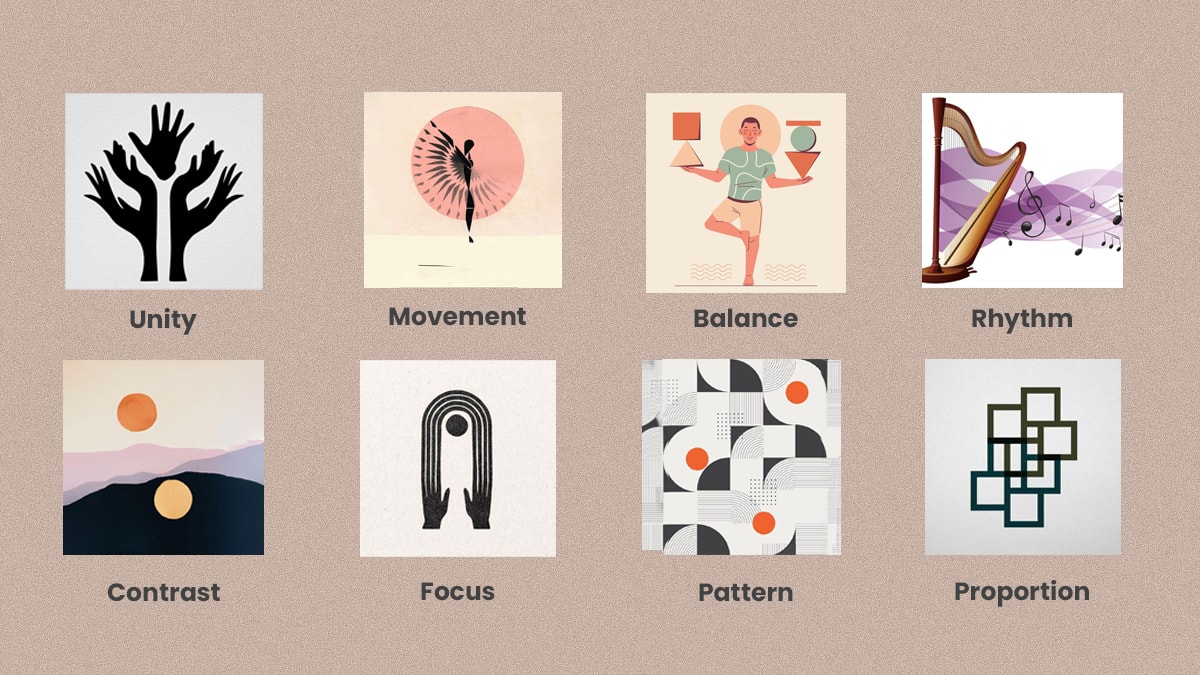
While the specific execution varies, several core compositional principles are universally applicable and profoundly impactful in brand design. Applying these principles strategically ensures that every visual piece contributes to a cohesive and compelling brand story.
Balance and Symmetry: Creating Stability and Trust
Balance refers to the distribution of visual weight within a design. Symmetrical balance creates a sense of order, formality, and stability, often associated with luxury, tradition, or professionalism. Think of the balanced layouts of financial institutions or high-end fashion brands, which convey trustworthiness and reliability. Asymmetrical balance, while less formal, can be more dynamic and engaging, using different sized or weighted elements to achieve equilibrium. This approach is often favored by brands wanting to project innovation, creativity, or a more contemporary feel, maintaining visual interest while still feeling grounded.
Hierarchy and Focal Point: Guiding the Consumer’s Eye
Hierarchy is perhaps the most crucial compositional principle for branding, as it dictates the order in which elements are viewed. It ensures that the most vital information — a brand name, a product benefit, a call to action — immediately captures attention. Designers use size, color, contrast, and placement to establish a clear focal point, then organize supporting elements around it in descending order of importance. This prevents information overload and ensures that a brand’s key message is communicated swiftly and effectively, guiding the viewer through a logical visual path.
Rhythm and Repetition: Building Brand Cohesion
Rhythm in composition is created by the recurring use of elements, such as shapes, lines, or colors, to create a sense of movement or flow. Repetition is a powerful tool for building brand recognition and cohesion. Consistent use of specific visual motifs, color palettes, or typographic styles across all brand assets creates a predictable and familiar experience for the consumer. This consistent rhythm reinforces the brand’s identity, making it instantly recognizable and memorable, whether seen on a website, a social media post, or product packaging.
Contrast and Variety: Capturing Attention
Contrast involves using differences in visual elements to create emphasis and interest. This can be contrast in color (light vs. dark, complementary hues), size (large vs. small), shape (organic vs. geometric), or texture. In branding, strategic contrast helps elements stand out, creating a focal point and preventing designs from becoming monotonous. Variety, while related to contrast, speaks to the inclusion of different elements to keep the design engaging without sacrificing unity. Too little variety can make a brand feel stale; too much can make it feel disjointed. The key is to find a harmonious balance that captures attention and maintains interest.
Proximity and Unity: Grouping Related Elements
Proximity is the principle that elements placed close together are perceived as being related. In brand design, this is used to group information logically, making it easier for the viewer to digest complex data or multiple pieces of content. For example, a product description, its price, and an “Add to Cart” button are typically grouped together. Unity, the overarching goal of good composition, refers to how all the individual elements of a design work together to form a cohesive whole. A unified brand identity feels complete, polished, and professional, reinforcing trust and professionalism.
Negative Space: Enhancing Clarity and Sophistication
Often overlooked, negative space (or white space) is the empty area around and between design elements. It is not merely “blank space” but an active component of composition, shaping the forms of positive space and providing visual breathing room. Strategic use of negative space can enhance clarity, reduce clutter, and draw attention to key elements. Brands that utilize ample negative space often project an image of sophistication, minimalism, and premium quality, allowing their message or product to stand out with understated elegance.
Applying Compositional Principles Across Brand Touchpoints
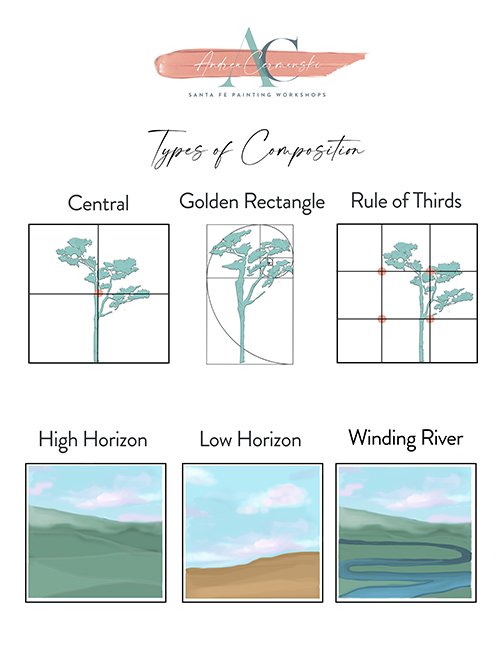
The power of artistic composition in branding is its versatility, impacting every visual interaction a consumer has with a brand.
Logo Design and Brand Marks
A brand’s logo is perhaps the most concentrated example of compositional power. Every curve, line, and space is meticulously chosen to convey a brand’s essence. Compositional principles ensure the logo is balanced, legible, memorable, and scalable. A well-composed logo effectively communicates the brand’s personality—be it dynamic and modern through asymmetry, or traditional and reliable through symmetry—and remains impactful whether it’s on a billboard or a business card.
Website and UI/UX Design
On a website, composition dictates user flow and information hierarchy. Clear navigation, well-organized content blocks, and strategically placed calls-to-action are all products of effective composition. Designers use grid systems, proximity, and visual hierarchy to ensure an intuitive user experience (UX) and an appealing user interface (UI), guiding visitors through the site in a logical manner that leads to conversion or engagement. The arrangement of elements directly impacts readability, discoverability, and overall satisfaction.
Marketing Collateral and Advertising
From brochures and flyers to digital ads and social media graphics, composition is paramount in marketing. It determines how an ad captures attention, highlights key benefits, and directs the viewer’s eye towards the desired action. Contrast is used to make headlines pop, while proximity groups product features with their corresponding visuals. A strategically composed advertisement cuts through the noise, delivering a clear, concise, and compelling message that resonates with the target audience.
Product Packaging and Retail Display
Product packaging is a brand’s silent salesperson, and composition plays a crucial role in its appeal. The arrangement of text, imagery, and branding elements on a package must attract attention on a crowded shelf, communicate benefits quickly, and reflect the product’s value. Similarly, retail displays leverage composition to create inviting visual stories, arranging products and signage in ways that encourage browsing, exploration, and purchase, often using balance, rhythm, and focal points to create an engaging shopping experience.
Composition as a Strategic Branding Tool
Beyond individual design pieces, composition serves as a powerful strategic tool for building a cohesive, distinctive, and successful brand.
Differentiating Through Distinctive Visuals
In a saturated marketplace, distinctive visual identity is a key differentiator. Brands that consciously apply unique compositional styles can stand out from competitors. Whether it’s an unconventional use of negative space, a consistent dynamic asymmetry, or a signature grid structure, compositional choices contribute significantly to a brand’s unique visual language, making it instantly recognizable and memorable. This differentiation is not just about looking different, but about communicating a distinct brand personality and promise.
Enhancing Brand Storytelling
Every brand has a story, and composition is a powerful narrative device. The way elements are arranged can evoke a sense of heritage, innovation, playfulness, or seriousness. A linear composition might suggest progress, while a circular one might imply community or completeness. By understanding how different compositional approaches contribute to emotional resonance, brands can craft visuals that deepen their narrative, making their story more impactful and relatable to their audience.
Driving Engagement and Conversion
Ultimately, the strategic application of artistic composition in branding aims to drive business results. A well-composed landing page can increase conversion rates by making the call-to-action unmissable. A thoughtfully designed social media post can boost engagement by presenting information in an easily digestible and visually appealing format. By guiding the viewer’s attention, establishing clear priorities, and evoking appropriate emotions, composition directly influences user behavior, leading to higher engagement, better recall, and ultimately, increased conversions.
Cultivating a Composed Brand Aesthetic
For any brand, cultivating a sophisticated and effective visual aesthetic requires intentionality and an understanding of compositional principles.
Auditing Your Visual Brand for Compositional Strength
Brands should regularly audit their visual assets across all platforms. This involves scrutinizing logos, websites, marketing materials, and social media content for compositional consistency and effectiveness. Are the key messages clear? Is the visual hierarchy consistent? Are there elements that distract or confuse? Identifying weaknesses allows for targeted improvements that strengthen the overall brand presentation. This audit helps ensure that all visual touchpoints are working harmoniously to convey the intended brand message and identity.
Investing in Professional Design Expertise
While the principles of composition can be understood by anyone, their masterful application often requires the expertise of seasoned design professionals. Graphic designers, UX/UI designers, and brand strategists are trained to wield these principles to create impactful and effective visual solutions. Investing in professional design ensures that a brand’s visual identity is not only aesthetically pleasing but also strategically sound, leveraging the power of artistic composition to achieve specific business objectives and build a lasting, resonant brand presence.
aViewFromTheCave is a participant in the Amazon Services LLC Associates Program, an affiliate advertising program designed to provide a means for sites to earn advertising fees by advertising and linking to Amazon.com. Amazon, the Amazon logo, AmazonSupply, and the AmazonSupply logo are trademarks of Amazon.com, Inc. or its affiliates. As an Amazon Associate we earn affiliate commissions from qualifying purchases.