
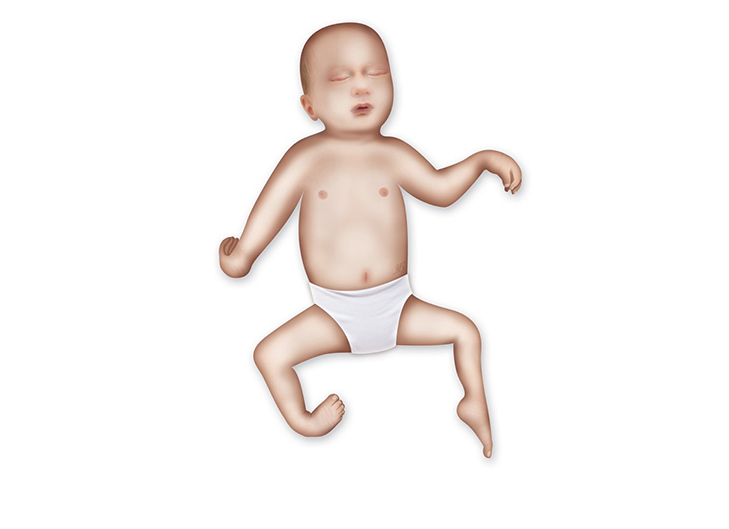
In an era defined by rapid technological advancement, our understanding and management of complex conditions are increasingly intertwined with innovative digital and engineering solutions. The questions surrounding conditions like arthrogryposis—a term broadly encompassing conditions characterized by multiple joint contractures present at birth—are no longer solely medical but also profoundly technological. From early detection to long-term management and enhancing quality of life, technology is reshaping the landscape for individuals navigating these challenges. This exploration delves into the technological dimensions that define, diagnose, treat, and support those affected, illustrating how tech trends, software, AI tools, apps, and specialized gadgets are becoming indispensable.
Advancements in Diagnostic Technologies
The initial step in addressing any condition is accurate and timely diagnosis. For conditions involving congenital anomalies like arthrogryposis, technological breakthroughs in diagnostic imaging and genetic analysis are critical. These advancements not only facilitate earlier intervention but also contribute to a deeper understanding of the underlying causes, paving the way for more targeted research and treatments.
Genetic Sequencing and Bioinformatics
The intricate etiology of arthrogryposis often involves genetic factors, making advanced genetic sequencing technologies paramount. Next-generation sequencing (NGS) platforms, including whole-exome and whole-genome sequencing, have revolutionized the ability to identify specific gene mutations associated with various forms of the condition. Bioinformatics, a field that merges biology with computer science, plays a crucial role in processing and interpreting the vast amounts of data generated by these sequencing efforts. Algorithms and specialized software tools are employed to map genetic variations, identify pathogenic mutations, and correlate genotype with phenotype. This computational approach helps clinicians and researchers sift through complex genomic data to pinpoint markers that might explain the condition, guiding prognosis and family counseling. The speed and decreasing cost of these technologies mean that genetic diagnosis is becoming more accessible, enabling earlier intervention and personalized care pathways based on an individual’s unique genetic profile.
Advanced Imaging Techniques
Beyond genetic insights, sophisticated imaging technologies provide invaluable non-invasive diagnostic capabilities. High-resolution prenatal ultrasound, often enhanced with 3D and 4D imaging capabilities, can detect joint contractures and reduced fetal movement in utero, allowing for early identification and prenatal counseling. Postnatally, technologies like magnetic resonance imaging (MRI) and computed tomography (CT) scans offer detailed visualizations of joint structures, muscle architecture, and neural pathways. Advanced software for image processing and reconstruction allows clinicians to create precise 3D models of affected limbs, aiding in surgical planning and monitoring the progression of contractures. These digital tools provide a level of detail previously unattainable, offering crucial information for tailoring physical therapy regimens, considering surgical interventions, and evaluating their effectiveness over time.
Innovative Therapeutic and Assistive Devices
Once diagnosed, managing the physical manifestations of arthrogryposis heavily relies on a suite of therapeutic and assistive technologies designed to improve mobility, strengthen muscles, and facilitate daily activities. These range from high-tech robotics to personalized orthotics, all aimed at enhancing functional independence.
Robotics and Exoskeletons
Robotics are transforming rehabilitation and assistive care. For individuals with limited joint mobility, robotic devices offer precise, repetitive movements essential for maintaining range of motion and strengthening muscles. Exoskeletons, both stationary and wearable, provide external support and power to limbs, enabling assisted walking, standing, and various motor tasks that might otherwise be impossible. These sophisticated gadgets integrate sensors, motors, and control algorithms to adapt to user intent and provide tailored assistance. For instance, specific robotic gait trainers can help children and adults learn or re-learn walking patterns, while powered upper-limb exoskeletons can assist with reaching and grasping. The data collected by these devices can also be analyzed by therapists to track progress, adjust therapy parameters, and provide objective feedback on performance.
Smart Prosthetics and Orthotics
The design and functionality of prosthetics and orthotics have dramatically advanced through digital fabrication and smart material science. Custom-made orthotics, braces, and splints are crucial for positioning joints, preventing further contractures, and supporting weak muscles. Computer-aided design (CAD) and computer-aided manufacturing (CAM) are routinely used to create highly customized devices that fit precisely and comfortably, optimizing their therapeutic effect. 3D printing technology further personalizes this process, allowing for rapid prototyping and production of complex geometries, often at lower costs. “Smart” prosthetics, equipped with sensors, microprocessors, and advanced materials, can mimic natural limb movements more closely, offer greater dexterity, and even provide haptic feedback. These advancements transform what were once purely mechanical aids into integrated technological solutions that enhance both physical function and user experience.
Virtual Reality for Rehabilitation
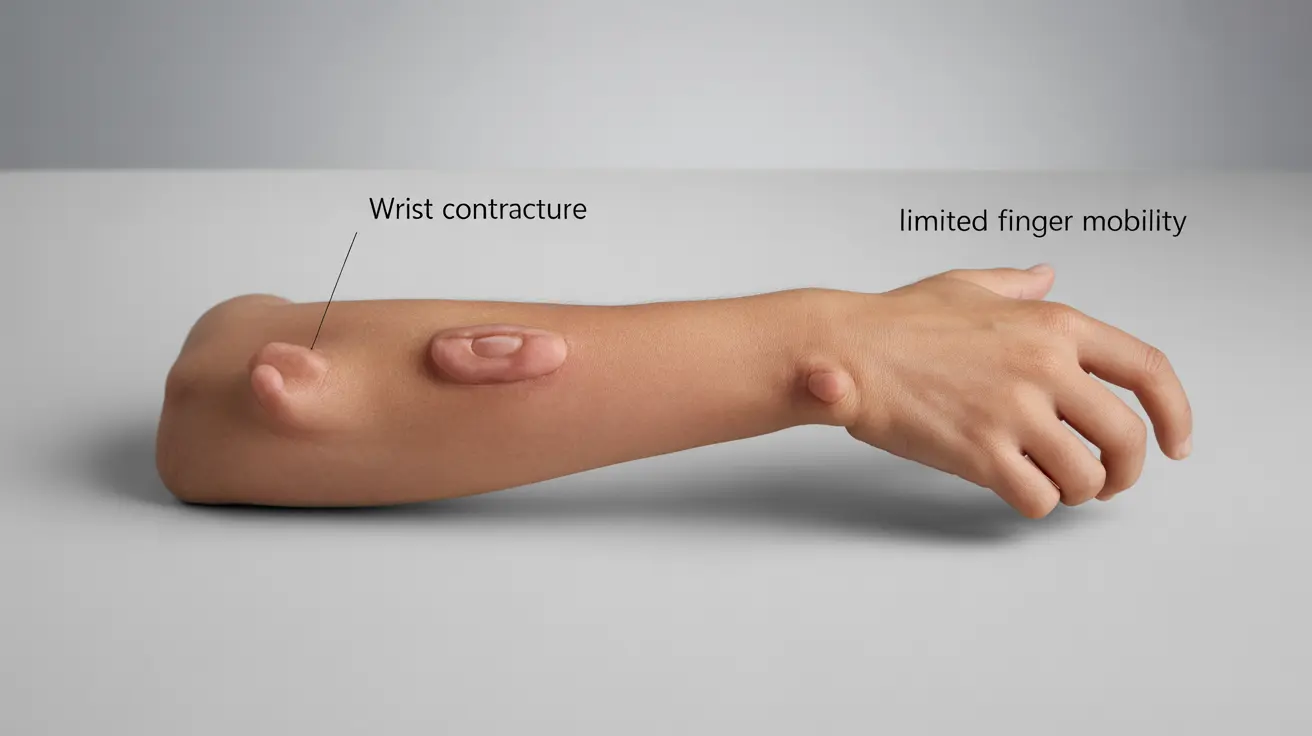
Virtual reality (VR) and augmented reality (AR) are emerging as powerful tools in rehabilitation. VR environments can create engaging and immersive therapy sessions, motivating individuals to perform exercises that might otherwise be monotonous. For instance, a child might engage in a game that requires specific arm movements, subtly working on range of motion and strength without realizing they are undergoing therapy. This gamified approach enhances adherence to treatment plans. AR can overlay digital information onto the real world, providing real-time feedback on posture or movement during exercises. These digital tools offer a safe, controlled, and adaptable environment for practicing motor skills, improving coordination, and managing pain, making rehabilitation more effective and enjoyable.
AI and Data Science in Personalized Care
Artificial intelligence (AI) and data science are catalyzing a paradigm shift towards highly personalized and predictive healthcare. For a heterogeneous condition like arthrogryposis, where individual presentations vary widely, AI’s ability to process complex data sets offers unprecedented opportunities for tailored interventions.
Predictive Analytics for Early Intervention
AI algorithms can analyze vast datasets, including genetic information, imaging results, and clinical histories, to identify patterns and predict outcomes. In the context of arthrogryposis, predictive analytics can assist in identifying individuals at higher risk for certain complications or those who may respond better to specific therapeutic approaches. By integrating machine learning models, healthcare providers can gain insights into the likely progression of contractures, potential surgical needs, or the efficacy of early physical therapy. This proactive approach enables clinicians to design more effective early intervention strategies, potentially mitigating the severity of the condition and improving long-term functional outcomes. The ability to forecast individual needs allows for resource allocation and intervention planning that is both timely and precise.
Machine Learning in Treatment Protocol Optimization
Optimizing treatment protocols is another area where AI excels. Machine learning models can analyze the success rates of various physical therapy exercises, surgical techniques, or combinations of interventions based on patient demographics, genetic profiles, and response data. By identifying correlations and optimal pathways, AI can help clinicians choose the most effective treatment plan for an individual patient, moving beyond generalized protocols to truly personalized medicine. For instance, an AI system might recommend a specific sequence of stretching exercises combined with a particular type of orthotic, based on the patient’s unique joint involvement and muscle strength. This data-driven approach fosters continuous improvement in care delivery, ensuring that treatments are not only evidence-based but also tailored to the individual’s evolving needs.
Digital Platforms and Telemedicine for Support
Beyond direct medical intervention, digital platforms and telemedicine are expanding access to care, information, and community support, proving invaluable for individuals and families managing complex conditions in their daily lives.
Tele-rehabilitation and Remote Monitoring
Geographical barriers and mobility challenges can make consistent in-person therapy difficult. Telemedicine and tele-rehabilitation platforms overcome these hurdles by allowing patients to receive therapy remotely. Through video conferencing software and specialized apps, physical and occupational therapists can guide exercises, assess progress, and adjust treatment plans from a distance. Remote monitoring devices, often integrated with wearables, can track adherence to exercise regimens, range of motion improvements, and activity levels, transmitting this data securely to healthcare providers. This continuous feedback loop ensures ongoing engagement and allows for timely adjustments, enhancing the effectiveness of home-based rehabilitation programs. This digital access to care is particularly beneficial for rural populations or those with significant transportation challenges, ensuring continuity of vital therapeutic services.

Community and Information Platforms
The digital realm also offers crucial social and informational support. Online communities, forums, and social media groups provide platforms for individuals with arthrogryposis and their families to connect, share experiences, and exchange advice. These peer-to-peer networks offer invaluable emotional support and practical tips that complement formal medical care. Beyond community, dedicated apps and websites serve as centralized repositories of reliable information on the condition, treatment options, assistive technologies, and available resources. These platforms empower individuals and caregivers with knowledge, helping them make informed decisions and navigate complex healthcare systems. The development of user-friendly interfaces and robust search functionalities ensures that vital information is accessible, fostering self-advocacy and a sense of empowerment within the community.
The integration of technology into every aspect of understanding and managing conditions like arthrogryposis underscores a broader trend towards personalized, accessible, and data-driven healthcare. From advanced diagnostics that reveal genetic secrets to robotic aids that restore movement and digital platforms that connect communities, technology is not just an adjunct; it is central to enhancing the lives of those affected. As innovation continues, the promise of even more sophisticated and integrated solutions holds immense potential for the future.
aViewFromTheCave is a participant in the Amazon Services LLC Associates Program, an affiliate advertising program designed to provide a means for sites to earn advertising fees by advertising and linking to Amazon.com. Amazon, the Amazon logo, AmazonSupply, and the AmazonSupply logo are trademarks of Amazon.com, Inc. or its affiliates. As an Amazon Associate we earn affiliate commissions from qualifying purchases.