
The term “arabesque” evokes a sense of intricate beauty, flowing lines, and timeless patterns. Originating primarily from Islamic art, the arabesque is a form of artistic decoration consisting of rhythmic linear patterns of scrolling and interlacing foliage, tendrils, or plain lines, often combined with other elements like calligraphy or geometric motifs. Far from being merely a historical curiosity, the underlying principles and aesthetic power of the arabesque offer profound strategic value in contemporary branding, corporate identity, and marketing design. In an increasingly visually-driven world, understanding and judiciously applying the essence of arabesque can help brands forge a distinctive, memorable, and deeply resonant visual language.

The Historical Roots and Aesthetic Principles of Arabesque
To harness the power of arabesque in branding, one must first appreciate its origins and the fundamental aesthetic principles that define it. These principles are not just decorative; they are deeply philosophical and mathematically precise, yielding designs that are inherently harmonious and captivating.
Origins and Evolution
The arabesque developed extensively in Islamic art and architecture, largely due to the aniconic tradition that discouraged the depiction of living beings. This led artists to explore abstract and non-representational forms, resulting in the sophisticated intertwining of geometric patterns, floral motifs (known as islimi), and calligraphy. Over centuries, the arabesque spread beyond the Islamic world, influencing European art forms from the Renaissance onwards, appearing in textiles, illuminated manuscripts, architectural ornaments, and decorative arts. Its adaptability and universal aesthetic appeal allowed it to transcend cultural boundaries, evolving while retaining its core characteristics of intricate beauty and organic flow.
Key Characteristics: Flow, Repetition, and Symbolism
At its core, arabesque is characterized by a continuous, flowing line that creates a sense of infinite movement and repetition. This is not mere monotony; rather, it is a rhythmic repetition that generates a complex interplay of positive and negative space, leading the eye on a journey without a definitive start or end point.
- Flow and Continuity: The lines are fluid, often curvilinear, creating an organic sense of growth and natural movement. This innate dynamism gives arabesque designs a living quality, despite their abstract nature.
- Repetition and Rhythm: The patterns often repeat, either identically or with subtle variations, establishing a rhythm that is both soothing and engaging. This repetition creates a sense of order and completeness, contributing to the design’s overall harmony.
- Symmetry and Balance: While often asymmetrical in its overall composition, individual elements and the underlying structure of arabesque frequently employ symmetry, reflecting a deep appreciation for mathematical precision and balance. This balance contributes to the visual stability and elegance of the design.
- Symbolism of Infinity and Unity: The continuous, interwoven nature of arabesque patterns often symbolizes infinity, the interconnectedness of existence, and the underlying unity of the universe. For brands, this can subtly convey a sense of timelessness, endurance, and holistic integration.
- Non-Representational Beauty: By abstracting from nature rather than imitating it directly, arabesque creates a beauty that is universal and transcends specific literal interpretations, allowing for broad appeal.
These characteristics collectively make arabesque a compelling source of inspiration for visual communication, offering a rich vocabulary of form and meaning for brand builders.
Arabesque as a Foundation for Brand Identity and Design
The intricate elegance and sophisticated patterns of arabesque offer a unique toolkit for crafting distinctive brand identities. Rather than simply applying historical motifs, brands can extract the principles of arabesque to build a visual language that is both unique and deeply resonant.
Crafting a Unique Visual Language
A strong brand identity hinges on a unique visual language that communicates core values and distinguishes a brand from its competitors. Arabesque principles provide a fertile ground for developing such a language. By focusing on flowing lines, intricate yet ordered patterns, and a sense of continuous motion, brands can create designs that convey sophistication, heritage, and artistic merit without resorting to literal or cliché imagery.
For instance, a brand aiming for a luxury positioning might draw on the elegance of arabesque patterns to suggest artisanal craftsmanship, attention to detail, and a rich legacy. A wellness brand could leverage the organic flow and natural motifs to evoke a sense of tranquility, harmony, and connection to nature. The non-representational quality of arabesque allows for abstract expression, enabling brands to communicate complex emotions and values through pure form and aesthetic experience, rather than explicit imagery. This approach fosters a deeper, more subliminal connection with the audience.
Logo Design and Emblematic Applications
The logo is the cornerstone of a brand’s visual identity, serving as its most direct and frequently encountered symbol. Arabesque elements can be integrated into logo design in various powerful ways:
- Abstract Mark: A logo can be an abstract arabesque motif, simplified to its essential curves and interconnections. This creates a highly distinctive mark that is memorable and often conveys a sense of elegance, fluidity, or complexity contained within simplicity. Think of designs where initial letters are stylized with arabesque-like flourishes or where a brand icon is built upon interwoven lines.
- Emblematic Badges: For brands wishing to project heritage, quality, or a premium status, an arabesque-inspired emblem can be incredibly effective. These often incorporate a central element within a decorative frame of continuous patterns, reminiscent of historical crests or seals but with a modern, artistic flair. This approach lends itself well to luxury fashion, high-end hospitality, or artisanal product brands.
- Pattern Integration: While not the primary logo, an arabesque pattern can be developed as a secondary branding element used consistently across all touchpoints. This pattern, perhaps derived from a core logo element, can then be used subtly in backgrounds, textures, or borders, reinforcing the brand’s visual identity and creating a rich, immersive experience without overwhelming the primary message.
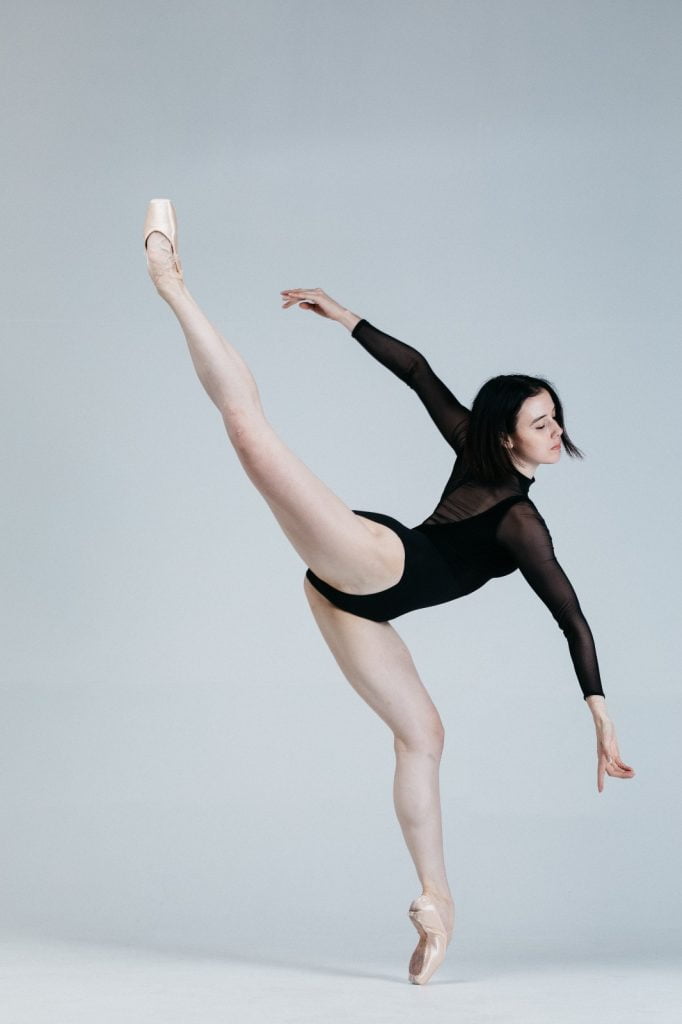
The key is to adapt the intricacy and flow of arabesque to fit contemporary design sensibilities, ensuring the logo remains clear, scalable, and impactful across various mediums.
Leveraging Arabesque in Modern Marketing and User Experience
Beyond static identity elements, the dynamic potential of arabesque can be applied strategically across various marketing channels and user experience touchpoints, enhancing engagement and brand recall.
Web Design and Digital Touchpoints
In the digital realm, where visual clutter is common, arabesque principles can offer a refreshing approach to design, providing depth and elegance.
- Backgrounds and Textures: Subtle arabesque patterns can be used for website backgrounds, bringing a sophisticated texture and visual interest without distracting from content. These can be static or subtly animated, adding a dynamic, yet unobtrusive, layer to the user interface.
- UI Elements and Micro-interactions: Flourishes and interwoven lines inspired by arabesque can be incorporated into UI elements such as dividers, borders, icons, or loading animations. These small touches elevate the user experience, providing aesthetic pleasure and reinforcing brand identity in an engaging manner. For example, a delicate arabesque animation might play during a page transition, offering a moment of beauty that enhances the perceived quality of the digital product.
- Responsive Design: While intricate, arabesque patterns can be designed to be responsive, simplifying or adapting their complexity gracefully across different screen sizes. This ensures that the brand’s aesthetic integrity is maintained, whether viewed on a large monitor or a mobile device. The underlying mathematical structure of arabesque lends itself well to modular and scalable design systems.
By integrating arabesque thoughtfully into digital experiences, brands can create a more immersive, elegant, and memorable online presence that stands out in a crowded digital landscape.
Packaging, Merchandising, and Physical Branding
The tactile and visual impact of arabesque truly shines in physical branding applications, from product packaging to retail environments.
- Premium Packaging: For luxury goods, cosmetics, gourmet foods, or high-end apparel, arabesque patterns on packaging instantly convey exclusivity, craftsmanship, and a premium feel. The intricate details suggest that the product within is also crafted with care and precision, elevating its perceived value. Gold foil, embossing, or debossing can further enhance the tactile and visual richness of arabesque-inspired designs on packaging.
- Merchandise and Collateral: From business cards and stationery to product labels and promotional merchandise, consistent application of arabesque motifs reinforces brand identity. A subtly patterned scarf, an engraved notebook, or branded textiles featuring arabesque designs can serve as powerful extensions of the brand, creating collectible items that deepen customer loyalty.
- Retail Environments and Interiors: In physical spaces, arabesque can inform architectural details, wall coverings, flooring patterns, or even furniture design. A hotel lobby, a high-end boutique, or a restaurant can use arabesque-inspired elements to create an atmosphere of opulence, cultural richness, and sophisticated comfort, offering an immersive brand experience that is both memorable and distinctive.
The sensory experience created by arabesque in physical manifestations helps to build a holistic brand image that resonates deeply with consumers.
The Strategic Value of Arabesque in Brand Storytelling
Beyond aesthetics, arabesque offers a powerful narrative tool, enabling brands to tell compelling stories about their heritage, values, and global appeal.
Communicating Heritage and Sophistication
Brands seeking to establish a sense of heritage, tradition, or timelessness can strategically deploy arabesque elements to communicate these values. The historical depth of arabesque patterns inherently connects a brand to a lineage of artistry and craftsmanship, suggesting quality that has withstood the test of time. This is particularly valuable for brands that emphasize legacy, artisanal production, or a classic approach.
The intricate nature of arabesque also speaks volumes about sophistication and meticulous attention to detail. It suggests a brand that values beauty, precision, and a refined aesthetic sensibility. This can be a significant differentiator in markets where products are often mass-produced or lack a distinctive visual narrative. By associating with arabesque, a brand can implicitly communicate that it caters to an audience with discerning taste and an appreciation for elegance.
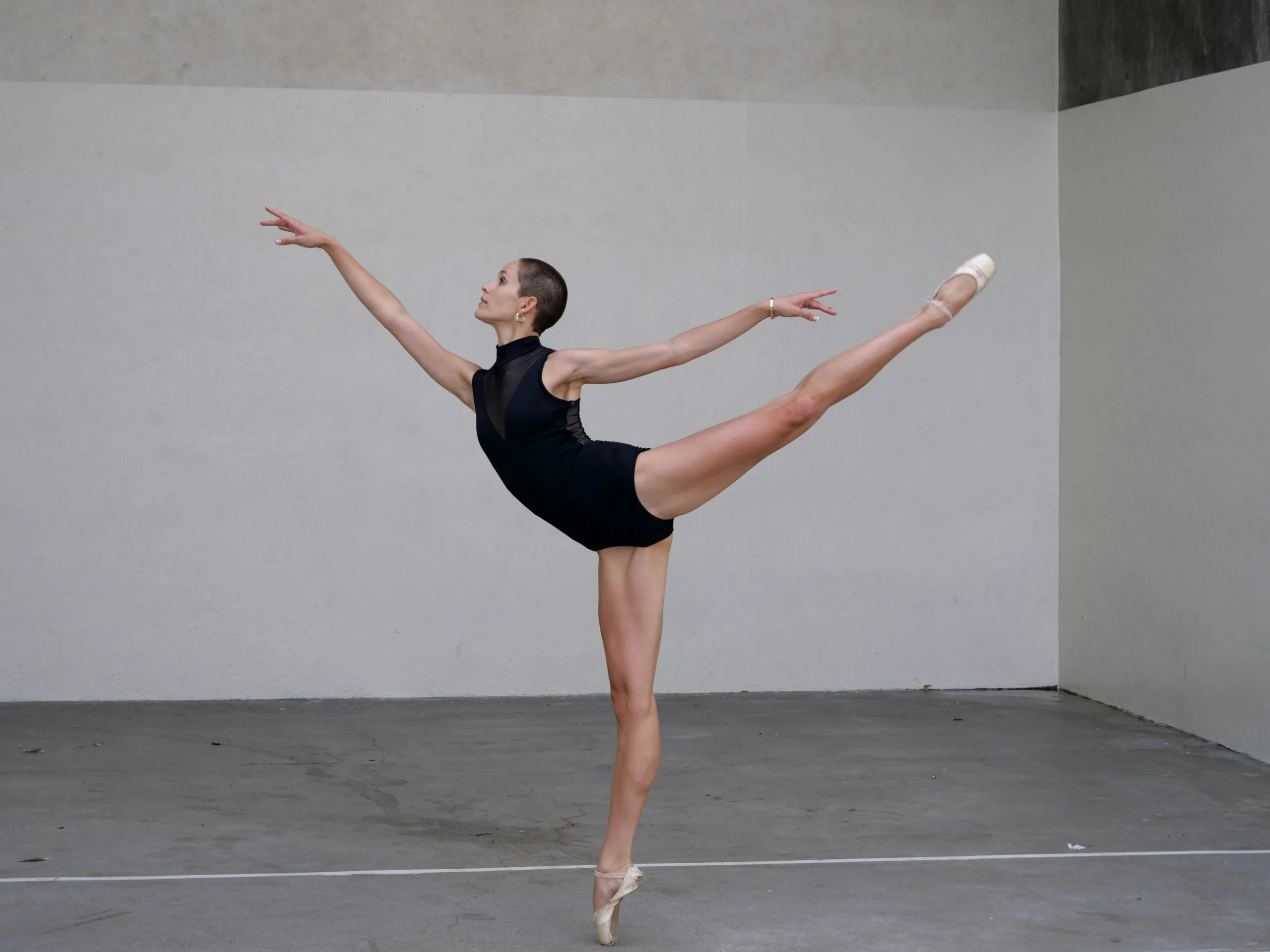
Cultural Resonance and Global Appeal
While deeply rooted in Islamic art, the universal principles of harmony, balance, and rhythm found in arabesque designs contribute to its broad cultural resonance. Its non-representational nature allows it to be appreciated across diverse cultural backgrounds without being overtly tied to a specific religious or national identity. Instead, it speaks a universal language of aesthetic beauty.
For brands with global aspirations, incorporating arabesque-inspired elements can offer a way to project an image that is both culturally rich and universally appealing. It can signal an openness to diverse aesthetics, a sophisticated understanding of global art history, and an ability to create beauty that transcends specific cultural niches. This strategic choice can attract a global audience, fostering a sense of shared appreciation for beauty and artistry, and positioning the brand as one with a worldly, refined perspective. The elegance and mathematical perfection inherent in arabesque patterns translate seamlessly across borders, making it an invaluable asset for brands aiming for international recognition and respect.
aViewFromTheCave is a participant in the Amazon Services LLC Associates Program, an affiliate advertising program designed to provide a means for sites to earn advertising fees by advertising and linking to Amazon.com. Amazon, the Amazon logo, AmazonSupply, and the AmazonSupply logo are trademarks of Amazon.com, Inc. or its affiliates. As an Amazon Associate we earn affiliate commissions from qualifying purchases.