
The Activated Partial Thromboplastin Time (APTT) test stands as a cornerstone in medical diagnostics, particularly within the realm of hematology. While its primary function is to assess the intrinsic and common pathways of blood coagulation—a critical biological process—understanding the “what” of an APTT test in the modern era invariably involves dissecting the sophisticated technological infrastructure that enables its precision, efficiency, and widespread application. Far from a simple manual procedure of yesteryear, the APTT test today is a testament to advancements in laboratory automation, data science, and digital security, placing it firmly within the domain of cutting-edge medical technology.

The Technological Foundation of Coagulation Analysis
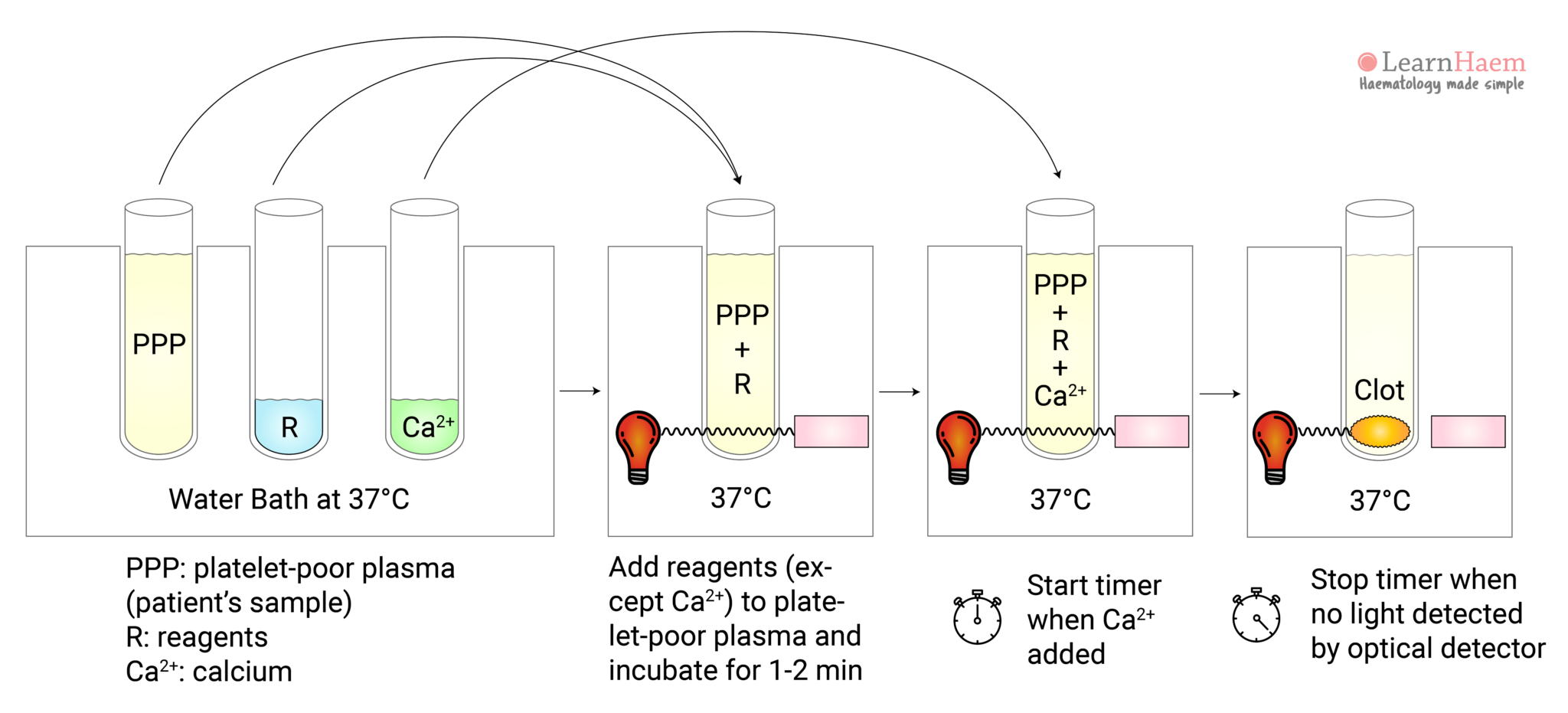
At its core, the APTT test measures the time it takes for a blood sample to clot after specific reagents are added. This process, while seemingly straightforward, relies on a complex interplay of biochemical reactions and precise timing mechanisms orchestrated by advanced laboratory instrumentation. The technological evolution of this test has transformed it from a manual, operator-dependent assay into a highly automated, standardized procedure.
Automated Coagulometers
Modern laboratories utilize fully automated coagulometers, which are sophisticated analytical instruments designed for high-throughput testing. These machines perform several critical functions with minimal human intervention:
- Sample Handling and Preparation: Robotics and automated pipetting systems accurately dispense patient plasma and reagents into reaction cuvettes, eliminating manual errors and ensuring consistent volumes.
- Temperature Control: Precise temperature regulation (typically 37°C) is crucial for optimal enzyme activity within the coagulation cascade. Coagulometers maintain this temperature with high fidelity, ensuring reproducible reaction kinetics.
- Reagent Management: These systems store various reagents (e.g., activators like kaolin or silica, phospholipids, and calcium chloride) under controlled conditions and dispense them accurately according to predefined protocols. Integrated barcode readers ensure correct reagent identification and expiry tracking.
- Clot Detection Mechanisms: The most critical technological aspect is the method of clot detection. Modern coagulometers employ several techniques:
- Optical Detection: This involves monitoring changes in light transmission through the sample. As a clot forms, the turbidity of the plasma increases, reducing light transmission. Photodetectors measure this change, and the time taken for a significant change indicates clot formation.
- Mechanical Detection (Electromechanical): A small steel ball is introduced into the sample, and its movement is monitored magnetically or electromagnetically. When a clot forms, the ball’s movement slows or stops, triggering the detection of the clotting time.
- Chromogenic and Immunological Assays: While not exclusively for APTT, these technologies are often integrated into coagulation analyzers for other related tests, using specific substrates or antibodies to quantify coagulation factors, offering higher specificity.
The integration of these technologies ensures that the APTT test delivers accurate and reliable results, which are vital for diagnosing bleeding disorders, monitoring anticoagulant therapy, and assessing liver function.
Automation and Digitalization in Modern Laboratories
The efficiency and reliability of APTT testing are significantly enhanced by the pervasive adoption of automation and digitalization throughout the laboratory workflow. Beyond the individual test analyzers, entire laboratory systems are now interconnected, creating a seamless flow of information and processes.
Laboratory Information Systems (LIS)
The backbone of modern diagnostic labs is the Laboratory Information System (LIS). This software infrastructure manages every aspect of the testing process, from order entry to result reporting. For APTT tests, the LIS performs several key functions:
- Order Management: Physicians’ test orders are entered into the LIS, often integrated with Electronic Health Records (EHR) systems, reducing manual transcription errors.
- Sample Tracking: Barcode technology is utilized to label and track patient samples from collection to archiving. Automated analyzers interface directly with the LIS, ensuring that the correct test is performed on the correct sample.
- Quality Control (QC): The LIS manages and monitors internal and external quality control programs for APTT assays. It flags out-of-range QC results, preventing the release of unreliable patient data and ensuring instrument calibration and reagent integrity.
- Result Management and Archiving: Once an APTT result is generated by the coagulometer, it is electronically transmitted to the LIS, where it is validated, stored, and made available for review by laboratory professionals and ultimately, the ordering clinician. This digital archiving ensures easy retrieval for future reference and trend analysis.
Interfacing and Robotics
The physical connection between instruments and the LIS, known as interfacing, allows for real-time data exchange. Furthermore, sophisticated robotic systems are increasingly used for pre-analytical and post-analytical phases of testing, such as sample sorting, capping/decapping, and storage. These systems reduce manual handling, improve turnaround times, and minimize exposure risks for laboratory personnel, significantly impacting the overall efficiency and safety of APTT testing.
Leveraging AI and Data Analytics for Enhanced Diagnostics

The vast amount of data generated by APTT tests and related coagulation panels presents a fertile ground for the application of artificial intelligence (AI) and advanced data analytics. These technologies are beginning to revolutionize how test results are interpreted, how conditions are diagnosed, and how patient care pathways are optimized.
AI in Result Interpretation and Validation
While APTT results typically fall within established reference ranges, certain patterns or deviations can be subtle yet indicative of underlying conditions. AI algorithms, particularly machine learning models, can be trained on extensive datasets of APTT results alongside other clinical parameters and confirmed diagnoses. These models can:
- Flag Anomalous Results: Identify unusual APTT values or patterns that might warrant further investigation, even if they are technically within a broad “normal” range.
- Aid in Differential Diagnosis: Suggest potential causes for abnormal APTT results by correlating them with patient history, other lab tests, and clinical symptoms, assisting clinicians in narrowing down diagnostic possibilities (e.g., differentiating between specific factor deficiencies or the presence of inhibitors).
- Automate Technical Validation: For routine cases, AI can help validate results against a set of predefined rules and historical patient data, reducing the burden on laboratory technologists and accelerating result release.
Predictive Analytics in Coagulation Disorders
Beyond immediate diagnosis, AI and data analytics can contribute to predictive medicine related to coagulation. For patients on anticoagulant therapy (e.g., heparin, which prolongs APTT), AI models can analyze trends in APTT values to predict the likelihood of complications like bleeding or thrombosis, allowing for proactive adjustment of treatment regimens. In the context of critical care, real-time analysis of coagulation parameters can help predict the onset of disseminated intravascular coagulation (DIC) or other life-threatening coagulopathies.
Ensuring Digital Security in Medical Diagnostics
With the increasing digitalization of APTT testing and patient data, digital security has become an paramount concern. Protecting sensitive patient health information (PHI) and ensuring the integrity of diagnostic results are critical responsibilities for healthcare providers and technology developers alike.
Data Protection and Compliance
Laboratories and healthcare IT systems handling APTT results must adhere to stringent regulatory frameworks such as HIPAA in the United States, GDPR in Europe, and similar data protection laws globally. This requires:
- Robust Encryption: All patient data, including APTT results, must be encrypted both in transit (when being transmitted between systems) and at rest (when stored on servers or in databases).
- Access Controls: Strict access control mechanisms ensure that only authorized personnel can view or modify patient data. Role-based access, multi-factor authentication, and regular auditing of access logs are standard practices.
- Secure Infrastructure: Laboratory networks, servers, and cloud-based services must be protected with firewalls, intrusion detection systems, and regular vulnerability assessments to guard against cyber threats.
System Integrity and Resilience
Beyond data confidentiality, ensuring the integrity and availability of APTT testing systems is crucial for patient care. Cyberattacks that disrupt LIS functionality or compromise instrument software could have severe consequences. Measures include:
- Redundancy and Backup: Implementing redundant systems and regular data backups ensures that services can quickly be restored in the event of a system failure or cyberattack.
- Software Updates and Patch Management: Regular updates and security patches for LIS, instrument software, and operating systems are essential to protect against known vulnerabilities.
- Disaster Recovery Planning: Comprehensive disaster recovery plans outline procedures for responding to and recovering from various disruptions, including cyber incidents, to minimize downtime and ensure continuous diagnostic capabilities.
Future Trends in Coagulation Technology
The technological trajectory for APTT and coagulation testing continues towards greater precision, automation, and integration.
- Point-of-Care (POC) Testing: While traditionally a lab-based test, efforts are ongoing to develop reliable POC APTT devices for use in critical care settings, operating rooms, or even remote clinics, bringing rapid results closer to the patient. These devices leverage miniaturization and microfluidics.
- Lab-on-a-Chip Technologies: Advanced microfluidic platforms are being explored to perform multiple coagulation assays from a single, minute blood sample, offering faster results, reduced reagent consumption, and enhanced analytical capabilities.
- Integration with Wearables and Remote Monitoring: While not directly for APTT, the broader field of coagulation management may see integration with wearable technologies that monitor related physiological parameters, feeding data into AI systems for personalized risk assessment.
- Blockchain for Data Security: Emerging technologies like blockchain are being explored to create immutable and secure records of diagnostic results, enhancing data integrity and patient privacy across healthcare networks.
In conclusion, “what is APTT test” in the contemporary context is as much about the intricate dance of blood proteins as it is about the sophisticated technological orchestration behind its execution. From automated analyzers to AI-driven insights and robust digital security frameworks, technology has not merely improved the APTT test but has fundamentally redefined its capabilities and its role in modern medicine.
aViewFromTheCave is a participant in the Amazon Services LLC Associates Program, an affiliate advertising program designed to provide a means for sites to earn advertising fees by advertising and linking to Amazon.com. Amazon, the Amazon logo, AmazonSupply, and the AmazonSupply logo are trademarks of Amazon.com, Inc. or its affiliates. As an Amazon Associate we earn affiliate commissions from qualifying purchases.