
The landscape of diabetes management has been profoundly shaped by continuous innovation in medical technology. Among the most significant advancements is the development of tubeless insulin pump systems, with the Omnipod standing as a prominent example. Far more than just a device, the Omnipod represents a paradigm shift in how individuals with insulin-dependent diabetes manage their condition, offering a blend of discretion, convenience, and sophisticated technology. It embodies the move towards integrated, user-centric healthcare solutions, leveraging miniaturization and smart systems to improve daily life.
The Core Technology Behind Omnipod
At its heart, the Omnipod system is an insulin management platform designed to automate and simplify insulin delivery for individuals requiring multiple daily injections. Its innovation lies in its tubeless design, which distinguishes it from traditional tethered insulin pumps. This fundamental difference is not merely aesthetic but translates into significant practical advantages for users, offering greater freedom and flexibility in their daily routines.
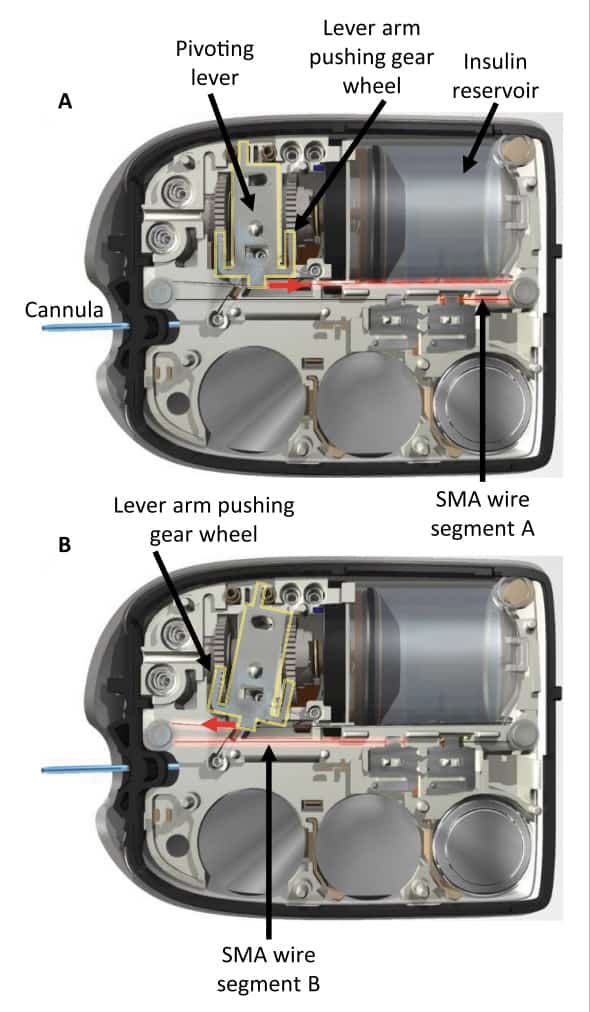
A Tubeless Revolution in Insulin Delivery
The traditional insulin pump, while effective, often involves a catheter and tubing that connects the pump, typically worn on a belt or in a pocket, to an infusion site on the body. This tether can be cumbersome, prone to tangling, and sometimes limit physical activity. The Omnipod system eliminates this tether entirely. Instead, it utilizes a small, lightweight, and waterproof “Pod” that adheres directly to the skin. This Pod contains the insulin reservoir, the cannula for insulin delivery, and the pumping mechanism, all integrated into a single, compact unit. This tubeless design not only enhances user comfort and discretion but also reduces the potential for dislodgement and simplifies daily activities like bathing, swimming, and exercising.
Components: The Pod and the PDM
The Omnipod system primarily consists of two key technological components: the disposable Pod and the Personal Diabetes Manager (PDM).
The Pod is the core technological marvel. Approximately the size of a small key fob, it is designed to be worn directly on the body for up to three days, delivering insulin continuously at programmed rates. Each Pod contains a sterile, soft cannula that automatically inserts under the skin with the push of a button, minimizing user discomfort. Inside, a tiny pump mechanism precisely delivers basal insulin in minute increments and bolus doses as needed. The Pod also houses a communication module, allowing it to wirelessly receive instructions from the PDM. Its waterproof rating allows for typical daily activities without removal, significantly improving quality of life.
The Personal Diabetes Manager (PDM) acts as the command center for the system. Historically, this has been a dedicated handheld device, resembling a smartphone. It features a color screen and an intuitive interface through which users program their insulin delivery settings, administer bolus doses for meals or corrections, and review their insulin delivery history. The PDM communicates wirelessly with the Pod, sending instructions and receiving status updates. Beyond basic programming, PDMs often include a built-in blood glucose meter, further consolidating diabetes management tools into a single device. Modern iterations of the PDM, particularly with systems like Omnipod 5, have evolved to integrate with smartphone apps, offering even greater convenience and a familiar user experience.
How Omnipod Works: A User’s Perspective
From a user’s standpoint, the Omnipod system is designed for straightforward application and intuitive management, streamlining what can often be a complex daily regimen. The process begins with the activation and application of a new Pod, followed by ongoing interaction with the PDM to manage insulin delivery.
Application and Activation
Starting a new Pod is a simple, guided process. The user fills the Pod with insulin using a syringe, then removes the adhesive backing and applies the Pod to a suitable site on the body (e.g., abdomen, upper arm, thigh, lower back). Once applied, the PDM wirelessly connects to the new Pod. Upon activation, the Pod automatically inserts the soft cannula just beneath the skin, a sensation often described as a slight pinch, followed by confirmation that the Pod is ready for insulin delivery. This automated insertion mechanism eliminates the need for manual cannula insertion, which can be a source of anxiety or discomfort for many users. The entire setup and activation process typically takes only a few minutes, after which the user can immediately resume their activities without interruption.
Automated Insulin Delivery and Continuous Glucose Monitoring Integration
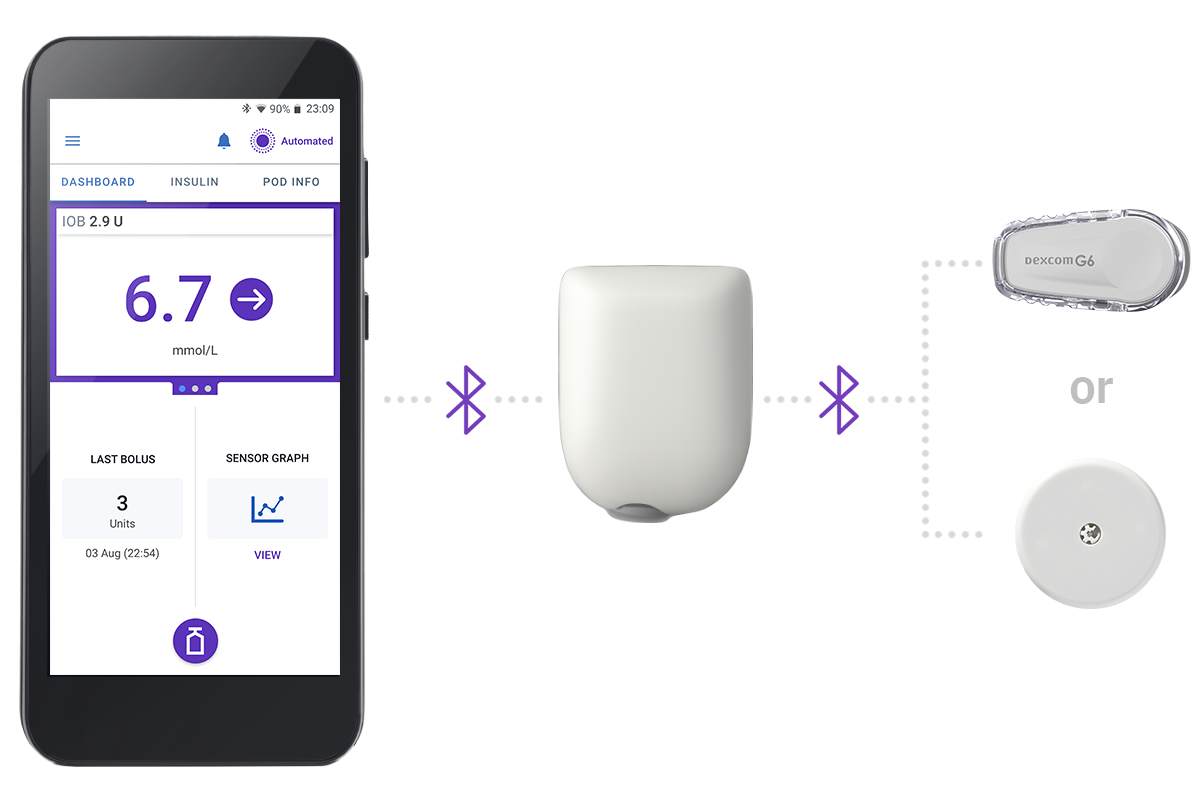
One of the most significant technological leaps in the Omnipod system is its evolution towards Automated Insulin Delivery (AID). Earlier versions of Omnipod offered basal-bolus therapy, where the user manually adjusted basal rates and administered boluses via the PDM. However, with systems like the Omnipod 5, the technology moves into a semi-closed-loop system.
The Omnipod 5 system seamlessly integrates with compatible Continuous Glucose Monitoring (CGM) devices. This integration allows the Pod to receive real-time glucose readings every few minutes directly from the CGM. Utilizing an advanced algorithm, the system then automatically adjusts insulin delivery—increasing, decreasing, or even suspending it—to help keep glucose levels within a target range. This proactive adjustment happens without user intervention, 24 hours a day. When a user eats, they still “bolus” for their meals, but the system continuously works in the background to fine-tune basal insulin, responding to trends and potential highs or lows. This intelligent automation significantly reduces the cognitive burden of diabetes management, aiming to minimize time spent in hyperglycemia and hypoglycemia. The PDM serves as the interface for setting personalized targets, reviewing glucose trends, and confirming manual boluses, providing transparency and control over the automated process.
Key Technological Advantages and Innovations
The Omnipod system’s design and functionality offer several distinct technological advantages that contribute to its appeal and effectiveness in modern diabetes management. These advantages extend beyond mere convenience, impacting the precision of care and the overall user experience.
Discretion and Freedom
The tubeless, wearable design is perhaps its most lauded technological advantage. By eliminating tubes and wires, the Omnipod system is discreet and less noticeable under clothing, enhancing self-confidence and reducing the stigma sometimes associated with visible medical devices. Furthermore, the freedom it affords is considerable. Users are no longer tethered to a pump that needs to be detached for sports, showering, or intimate moments. This inherent flexibility encourages a more active and uninhibited lifestyle, removing barriers that traditional pumps might impose. The waterproof nature of the Pod also means continuous insulin delivery during water-based activities, a significant improvement over devices that need to be disconnected.
Precision and Personalization
Technologically, the Omnipod ensures highly precise insulin delivery. Its internal pump mechanism is engineered to dispense insulin in micro-units, allowing for fine-tuning of basal rates and accurate bolus doses. This precision is critical for maintaining stable glucose levels and preventing dangerous fluctuations. Beyond raw precision, the system offers extensive personalization options. Through the PDM, users can program multiple basal profiles for different times of day or activities, set carbohydrate ratios, insulin sensitivity factors, and target glucose levels. This level of customization allows the system to be tailored to an individual’s unique physiological needs and lifestyle, adapting to variables such like exercise, stress, or illness.
Evolution to AID Systems (e.g., Omnipod 5)
The most recent and impactful innovation is the transition to advanced AID (Automated Insulin Delivery) systems, epitomized by the Omnipod 5. This evolution moves the device from a merely programmable pump to an intelligent, adaptive system. The integration of a sophisticated algorithm directly within the Pod, combined with continuous glucose data from a CGM, marks a significant leap. This algorithm learns from the user’s glucose patterns and proactively adjusts insulin delivery, acting as a “smart assistant” for blood sugar management. This closed-loop (or hybrid closed-loop) technology aims to reduce the variability in glucose levels, lower HbA1c, and decrease the incidence of hypoglycemia, all while reducing the mental burden on the user. This represents a frontier in medical device technology, bringing AI and machine learning directly into daily health management.
The Future of Tubeless Insulin Pumps
The trajectory of tubeless insulin pump technology, spearheaded by systems like Omnipod, is firmly oriented towards greater automation, connectivity, and intelligence. The advancements seen today are merely stepping stones to a more seamless and personalized future for diabetes care.
Enhancements in AI and Machine Learning
Future iterations of tubeless pumps are expected to leverage even more sophisticated artificial intelligence and machine learning algorithms. These algorithms will not only learn individual glucose responses but also potentially predict future glucose excursions with higher accuracy by analyzing patterns over longer periods, incorporating more physiological data, and perhaps even integrating lifestyle inputs like sleep patterns or stress levels. This could lead to truly predictive and preventative insulin adjustments, further minimizing hyperglycemia and hypoglycemia and optimizing time in range with minimal user input. The goal is to move towards fully automated systems that require less intervention, allowing users to live with greater freedom and less worry.

Connectivity and Ecosystem Integration
The trend towards greater connectivity will undoubtedly continue, transforming the Omnipod system from a standalone device into an integral part of a broader digital health ecosystem. This means deeper integration with smartphones, smartwatches, and other wearable health trackers, allowing for remote monitoring by caregivers, easier data sharing with healthcare providers, and more intuitive user interfaces. Imagine an insulin pump that communicates with your activity tracker to anticipate insulin needs based on your planned workout, or one that intelligently adjusts based on data from a smart scale or nutrition tracking app. Furthermore, the development of secure, cloud-based data platforms will enable better data analysis for both individuals and clinicians, potentially informing therapy adjustments and contributing to research, ultimately leading to more personalized and effective diabetes management strategies.
aViewFromTheCave is a participant in the Amazon Services LLC Associates Program, an affiliate advertising program designed to provide a means for sites to earn advertising fees by advertising and linking to Amazon.com. Amazon, the Amazon logo, AmazonSupply, and the AmazonSupply logo are trademarks of Amazon.com, Inc. or its affiliates. As an Amazon Associate we earn affiliate commissions from qualifying purchases.