
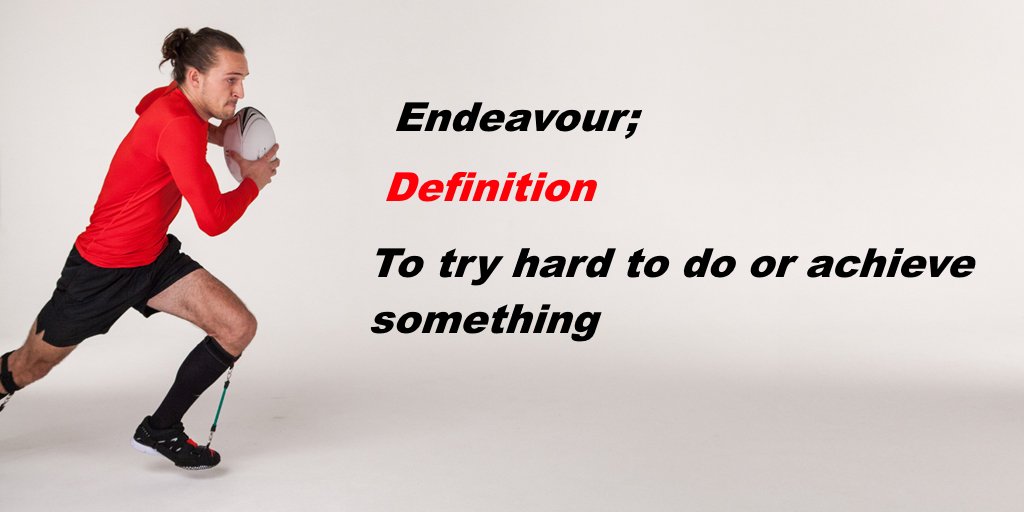
In the dynamic landscape of modern commerce, the term “endeavour” often transcends its dictionary definition of a simple attempt or effort. Within the realm of brand strategy and corporate identity, an endeavour signifies a distinct, often ambitious, and meticulously planned strategic initiative undertaken by an organization to achieve a significant long-term objective. It is more than a routine project; it is a purpose-driven journey designed to shape a brand’s future, redefine its market position, or cement its legacy. These undertakings are characterized by their strategic importance, the substantial commitment of resources they demand, and their potential to profoundly impact how a brand is perceived internally and externally. Understanding what constitutes a true brand endeavour is crucial for businesses aiming to evolve, innovate, and maintain relevance in competitive markets.

Defining the Strategic Endeavour in Business
A strategic endeavour, in the context of branding, is not merely a task or a series of operations; it is a holistic, forward-looking commitment to achieve a transformative outcome. It differs from day-to-day operations or smaller tactical projects in its scope, ambition, and the fundamental changes it seeks to instigate.
Beyond Daily Operations: The Purpose-Driven Initiative
Unlike the ongoing activities that sustain a business, an endeavour is typically time-bound, though its ripple effects are long-lasting. It addresses a specific challenge or seizes a significant opportunity that requires a concentrated, multi-faceted approach. For instance, while marketing campaigns are ongoing, a rebranding initiative is an endeavour. While customer service is continuous, a complete overhaul of the customer experience platform is an endeavour. These are initiatives that go beyond maintaining the status quo; they aim to significantly alter a brand’s trajectory, enhance its value proposition, or deepen its connection with stakeholders. They are born from a strategic vision and driven by a clear, often aspirational, purpose.
Key Characteristics of a Brand Endeavour
Several characteristics distinguish an endeavour from other business activities:
- Strategic Intent: Every endeavour is underpinned by a clear strategic objective directly linked to the brand’s overarching mission and vision. It’s not about doing things better, but about doing different things or transforming existing ones to achieve a higher strategic goal.
- Significant Resource Commitment: Endeavours typically require substantial investments of time, capital, human resources, and intellectual property. The scale of these commitments reflects the importance and potential impact of the undertaking.
- Transformative Potential: The ultimate goal of an endeavour is often to create significant change—whether in market perception, operational capabilities, product offerings, or organizational culture—leading to a new state for the brand.
- Risk and Uncertainty: Due to their ambitious nature and often venturing into uncharted territory, endeavours inherently carry a higher degree of risk and uncertainty compared to routine operations.
- Cross-Functional Collaboration: Successful endeavours rarely reside within a single department. They necessitate robust collaboration across various functions—marketing, product development, finance, HR, legal, and executive leadership—to ensure alignment and integrated execution.
- Long-Term Orientation: While an endeavour may have a defined start and end, its strategic impact is measured over the long term, contributing to sustained brand growth, resilience, and competitive advantage.
The Role of Endeavours in Brand Building and Evolution
Brand endeavours are the engines of evolution. They are the means by which brands not only maintain their relevance but actively shape their identity, deepen their market penetration, and solidify their position in the minds of consumers and competitors alike.
Crafting Brand Identity Through Ambitious Projects
A brand’s identity is not static; it is continually shaped by its actions, innovations, and the stories it tells. Strategic endeavours serve as concrete manifestations of a brand’s values, vision, and capabilities. For example, a luxury brand undertaking an endeavour to source all its materials sustainably is not just improving its supply chain; it is making a powerful statement about its commitment to ethical practices, thereby enriching its brand identity and appealing to a segment of conscientious consumers. Similarly, a technology company launching a groundbreaking new platform is reinforcing its identity as an innovator and leader in its field. These ambitious projects create tangible proof points that reinforce the brand narrative.
Driving Innovation and Market Differentiation
In saturated markets, differentiation is paramount. Endeavours often focus on innovation, whether it’s through developing disruptive products, pioneering new service models, or exploring novel ways to engage with customers. These initiatives allow a brand to carve out a unique niche, demonstrate leadership, and distinguish itself from competitors. A brand that consistently embarks on successful innovation endeavours signals to the market that it is forward-thinking, adaptable, and a trendsetter, rather than a follower. This proactivity can lead to first-mover advantages, patents, and a strong competitive moat built on unique offerings.
Fostering Internal Culture and External Perception
The impact of an endeavour extends beyond market outcomes to the internal fabric of an organization. Undertaking a significant strategic project can unify employees, instill a sense of shared purpose, and invigorate corporate culture. When teams collaborate on a common, ambitious goal, it fosters camaraderie, encourages problem-solving, and reinforces the company’s values. Externally, how a brand approaches and executes its endeavours shapes public perception. Successful endeavours build trust, enhance reputation, and attract talent and investment. Conversely, poorly executed or failed endeavours can damage brand equity and erode stakeholder confidence, underscoring the critical importance of meticulous planning and execution.
Types of Endeavours: From Product Launches to Rebranding Initiatives
The scope of brand endeavours is vast and varied, encompassing a wide range of strategic initiatives designed to achieve distinct objectives. Understanding these different types provides insight into the diverse ways brands can strategically evolve.
Product Development & Market Entry Endeavours
Perhaps the most common type, these involve the conceptualization, design, development, and launch of entirely new products or services, or the expansion of existing offerings into new geographical markets or demographic segments. For a tech brand, this could be the multi-year effort to bring a revolutionary new device to market. For a consumer goods brand, it might be the strategic entry into an emerging economy, requiring extensive cultural adaptation and supply chain establishment. These endeavours are critical for growth, market relevance, and staying ahead of technological advancements or shifting consumer demands.

Corporate Social Responsibility (CSR) Endeavours
Increasingly vital for brand reputation and consumer loyalty, CSR endeavours are strategic commitments to ethical and sustainable practices. This could involve an ambitious goal to achieve carbon neutrality across all operations, a major philanthropic initiative addressing a societal issue, or a complete overhaul of a brand’s supply chain to ensure fair labor practices. These endeavours are not merely PR exercises; they represent fundamental shifts in how a brand operates and contributes to the wider world, directly impacting its ethical standing and appeal to socially conscious consumers.
Digital Transformation and Customer Experience Endeavours
In the digital age, many brands undertake significant endeavours to modernize their technological infrastructure and revolutionize their customer experience. This might include developing an entirely new e-commerce platform, integrating AI-driven customer service solutions, or creating immersive digital brand experiences. The goal is often to enhance efficiency, personalize interactions, and create seamless, engaging customer journeys across all touchpoints, thereby strengthening brand loyalty and competitive edge.
Mergers, Acquisitions, and Strategic Alliance Endeavours
When brands seek to grow rapidly, gain new capabilities, or expand their market reach, they may embark on endeavours involving mergers, acquisitions, or strategic alliances. Integrating two distinct corporate cultures, harmonizing diverse product portfolios, or co-branding with a strategic partner are complex undertakings. These endeavours require meticulous planning, communication, and brand integration strategies to ensure that the combined entity or partnership leverages strengths while minimizing disruption and preserving brand equity.
Executing a Successful Brand Endeavour
The success of a strategic brand endeavour hinges on a combination of clear vision, robust planning, diligent execution, and effective communication. It’s a challenging journey that demands leadership and adaptability.
Vision and Strategic Alignment
Every endeavour must begin with a compelling vision that articulates the desired future state and how this initiative contributes to the brand’s overall strategic objectives. This vision must be clearly communicated and embraced by all stakeholders, ensuring that every decision and action aligns with the ultimate goal. Without a strong foundational vision, an endeavour risks becoming a disjointed series of activities rather than a cohesive, impactful transformation.
Resource Allocation and Risk Management
Given the significant resource commitment, meticulous planning for allocation—financial, human, and technological—is paramount. This includes establishing clear budgets, timelines, and accountability structures. Simultaneously, identifying potential risks—market shifts, technological hurdles, internal resistance, reputational fallout—and developing mitigation strategies is critical. A proactive approach to risk management can prevent costly delays or outright failures, protecting the brand’s investment and reputation.
Communication and Stakeholder Engagement
Effective communication is the lifeblood of any successful endeavour. Internally, transparent and regular updates keep employees engaged, motivated, and aligned. Externally, clear communication with customers, investors, partners, and the public manages expectations, builds excitement, and reinforces the brand’s narrative. Engaging key stakeholders early and often fosters buy-in and provides valuable feedback, turning potential obstacles into opportunities for collaboration and collective success.
Measuring the Impact: ROI Beyond Financial Metrics
While financial returns are a crucial aspect of any business initiative, the true impact of a brand endeavour extends far beyond immediate monetary gains. Measuring success requires a holistic approach that considers qualitative and quantitative metrics related to brand health and market position.
Brand Equity and Reputation Enhancement
A primary measure of a brand endeavour’s success is its contribution to brand equity—the commercial value derived from consumer perception of the brand rather than from the product or service itself. This can be assessed through metrics such as brand awareness, brand recall, perceived quality, brand loyalty, and customer advocacy. Enhanced reputation, measured through sentiment analysis, media coverage, and public surveys, indicates increased trust and respect for the brand’s values and actions.
Market Share and Competitive Advantage
Successful endeavours often result in tangible market gains. This could be an increase in market share within existing segments, successful penetration into new markets, or the creation of entirely new market categories. The ability to differentiate the brand and build a stronger competitive advantage—whether through unique product features, superior customer experience, or a more compelling brand story—is a clear indicator of a well-executed strategic endeavour.
Long-term Sustainability and Future Growth
Ultimately, an endeavour’s success is also gauged by its contribution to the brand’s long-term sustainability and future growth potential. Has it opened new avenues for innovation? Has it created a more resilient and adaptable organizational structure? Has it solidified the brand’s position for future challenges and opportunities? By investing in transformative endeavours, brands are not just solving current problems; they are building the foundational strengths necessary for enduring success and continuous evolution in an ever-changing world.
aViewFromTheCave is a participant in the Amazon Services LLC Associates Program, an affiliate advertising program designed to provide a means for sites to earn advertising fees by advertising and linking to Amazon.com. Amazon, the Amazon logo, AmazonSupply, and the AmazonSupply logo are trademarks of Amazon.com, Inc. or its affiliates. As an Amazon Associate we earn affiliate commissions from qualifying purchases.