
The Yew’s Enduring Economic Footprint
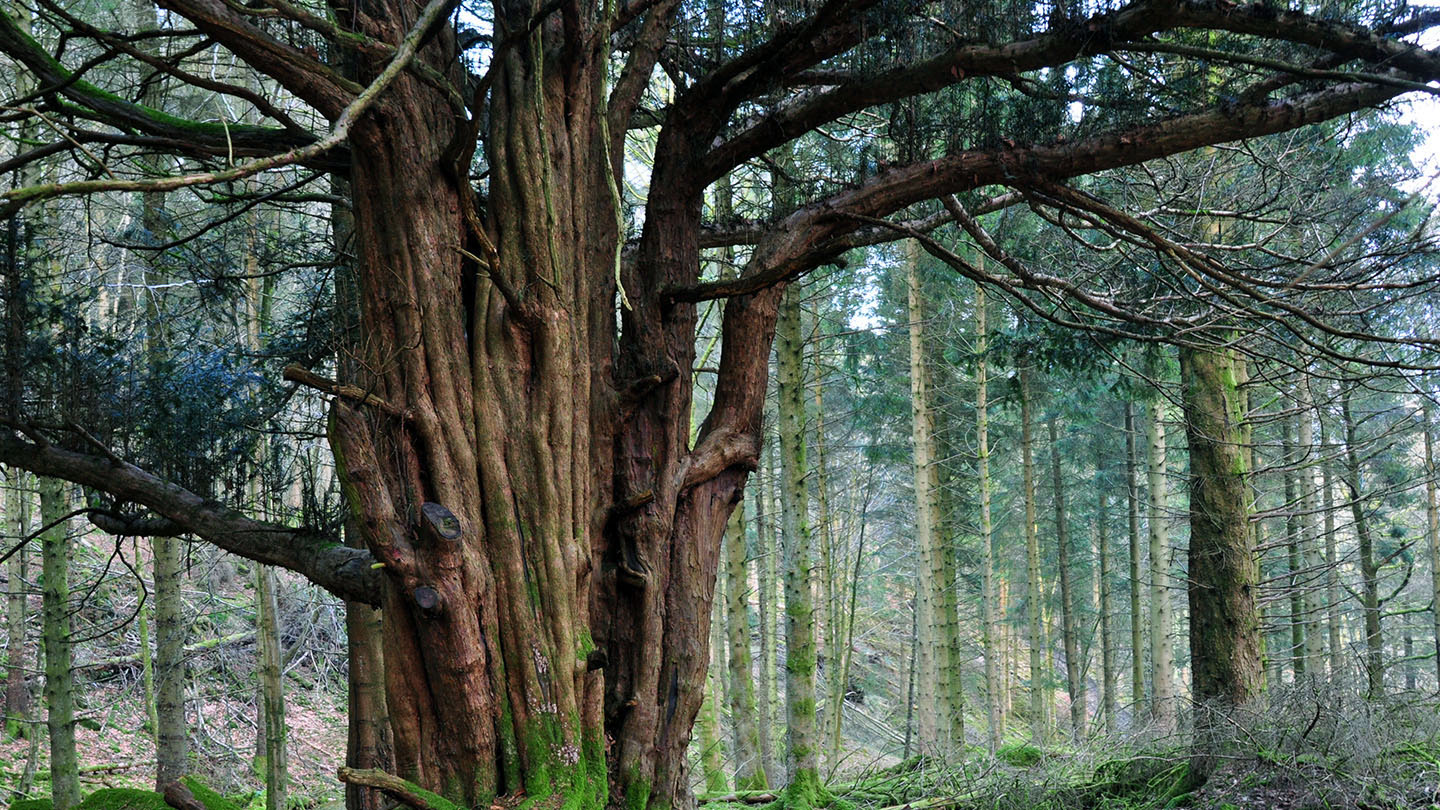
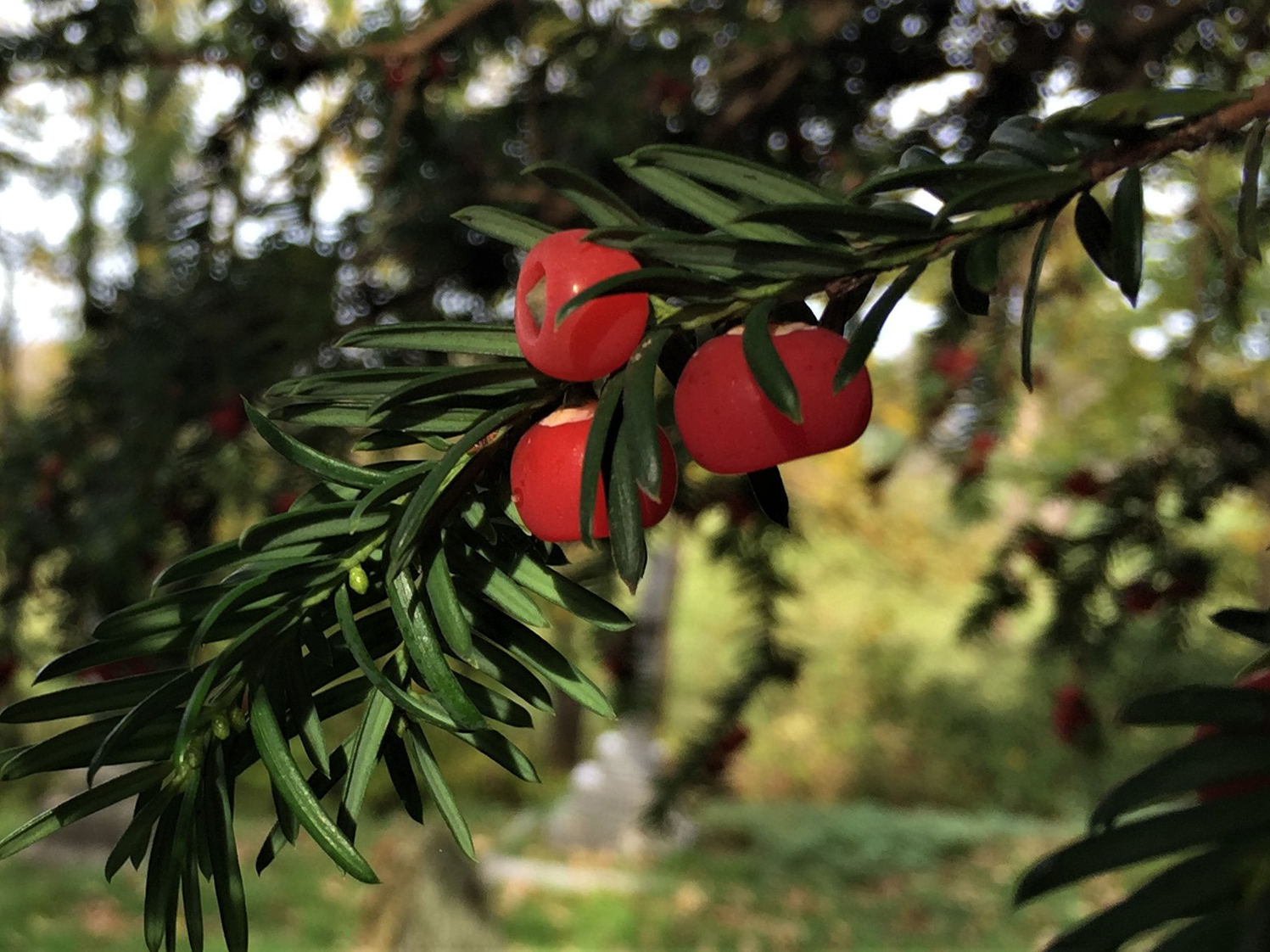
A yew tree (genus Taxus) is far more than a mere evergreen conifer; it represents a species interwoven with significant economic value, historical utility, and contemporary financial implications across diverse sectors. While often recognized for its dark green foliage, red arils, and remarkable longevity, understanding “what is a yew tree” from a financial perspective reveals a complex asset with distinct commercial species, each contributing to a unique market dynamic. The primary species of commercial relevance include the European Yew (Taxus baccata), the Pacific Yew (Taxus brevifolia), and the Japanese Yew (Taxus cuspidata). Each boasts distinct growth habits and chemical compositions that dictate their market niche and valuation.
Botanical Foundations and Commercial Species Identification
From a financial standpoint, identifying the specific Taxus species is crucial, as their attributes directly influence their marketability and value. The European Yew, renowned for its dense, fine-grained timber and adaptability to pruning, has historically been prized. The Pacific Yew, a slower-growing, often shrubby tree, gained immense notoriety for its bark’s pharmaceutical compounds. Japanese Yew, similar in appearance to its European counterpart, is widely cultivated for its hardiness and ornamental appeal. These botanical distinctions are not just academic; they inform investment decisions in timber, horticulture, and pharmaceuticals. For instance, the slow growth rate of yew, while contributing to the density and quality of its wood, necessitates a long-term investment horizon for timber cultivation, making it less attractive for short-term forestry but highly valuable for specialized applications.
Valuation of Yew Wood: A Premium Resource
Yew wood commands a premium price in niche markets due to its unique combination of properties: extreme density, elasticity, durability, and a distinctive reddish-brown heartwood. Historically, yew was the wood of choice for English longbows, a testament to its exceptional strength and flexibility under tension. Today, this translates into high demand for fine furniture, decorative veneers, woodturning, and traditional archery equipment. Unlike commodity timbers, yew is not typically harvested for construction or mass-market applications. Instead, its value is realized in specialty markets where craftsmanship and material quality are paramount. A cubic foot of high-quality yew timber can fetch prices significantly higher than common hardwoods, reflecting its scarcity, slow growth, and desirable working properties. Investors in forestry or individuals with mature yew specimens on their property can capitalize on this demand, but often require specialized knowledge to connect with artisans and niche buyers who appreciate its true worth. The economic value is in the rarity and specific performance characteristics, positioning yew wood as a luxury or specialty material rather than a volume product.
Landscaping Investments and Property Enhancement
Beyond its timber value, the yew tree holds substantial economic significance in the landscaping and horticultural industries. Its evergreen nature, tolerance to pruning, and remarkable longevity make it an attractive, long-term investment for property owners seeking to enhance aesthetic appeal and overall property value.
Market Demand for Ornamental Yew
The demand for ornamental yew in nurseries and landscaping projects remains consistently strong. Yews are favored for formal gardens, intricate topiary, dense hedging, and as specimen trees in both residential and commercial settings. Their ability to thrive in various conditions and their manageable growth habits contribute to their popularity. The nursery industry actively cultivates various Taxus cultivars, each bred for specific attributes such as growth habit (e.g., fastigiate, spreading), foliage color, or disease resistance. Investing in quality yew plants for landscaping represents an upfront cost, but one that typically yields aesthetic returns over decades, far outstripping the lifespan of many other ornamental plants. The market dictates pricing based on plant size, age, and cultivar rarity, with mature, well-established specimens commanding significantly higher prices.
Yew as a Driver of Property Value
Mature, well-maintained yew trees or hedges can substantially enhance curb appeal and perceived property value. A grand, centuries-old yew can become a defining feature of a historic estate, adding immeasurable character and allure. Even younger, meticulously sculpted yew hedges create a sense of order, privacy, and permanence that appeals to potential buyers. Real estate appraisals often factor in the quality and maturity of landscaping, with established trees contributing tangibly to the valuation. The return on investment for high-quality landscaping, particularly with long-lived species like yew, can be considerable, influencing faster sales and higher selling prices. However, this also implies ongoing maintenance costs – professional pruning, disease management, and nutrient provision – which are essential to protect the asset’s value and ensure its continued contribution to property aesthetics.
The Pharmaceutical Goldmine: Yew and Modern Medicine
Perhaps one of the most significant and surprising financial narratives surrounding the yew tree is its role in modern medicine, particularly in the development of life-saving cancer treatments.
Taxol: A Billion-Dollar Discovery
The most celebrated economic contribution of the yew is the discovery and commercialization of paclitaxel, marketed as Taxol. Derived initially from the bark of the Pacific Yew (Taxus brevifolia), Taxol is a potent chemotherapy drug used to treat various cancers, including ovarian, breast, lung, and Kaposi’s sarcoma. Its discovery in the 1960s and subsequent approval by the FDA in 1993 sparked a pharmaceutical gold rush. The initial demand for Taxol led to significant concerns about the sustainability of harvesting Pacific Yew bark, as mature trees were stripped, often leading to their death. This created an immediate, high-value market for a relatively obscure tree component, driving millions of dollars in research and development and generating billions in revenue for pharmaceutical companies like Bristol-Myers Squibb. The economic impact was global, highlighting how a natural compound from a specific tree could revolutionize healthcare economics.
Sustainable Sourcing and Bioeconomic Challenges
The initial environmental and economic strain caused by Taxol production spurred intensive research into sustainable sourcing. Scientists developed methods to synthesize paclitaxel semi-synthetically from precursors found in the needles of more common yew species (e.g., European and Japanese yew), which could be harvested non-destructively. This innovation transformed the bioeconomic landscape, shifting production from relying on limited wild populations to more sustainable, cultivated sources. Today, biotechnology continues to explore cell cultures and full synthetic pathways, further securing supply chains and mitigating environmental impact. The ongoing investment in these technologies underscores the immense and sustained financial value of the yew’s chemical compounds, moving from a resource-extraction model to a more advanced, sustainable biomanufacturing paradigm, representing hundreds of millions in ongoing R&D and market value.
Financial Risks and Management in Yew Cultivation
While yew trees offer considerable economic benefits, they also present specific financial risks that property owners and cultivators must understand and manage. Ignoring these risks can lead to significant liabilities and financial losses.
Toxicity: Liability and Mitigation Costs
A critical financial consideration is the inherent toxicity of yew trees. Almost all parts of the yew (bark, needles, seeds) contain highly poisonous alkaloids called taxines, which are lethal to many animals, particularly livestock (horses, cattle, sheep) and pets, and can be harmful to humans. The only exception is the fleshy red aril surrounding the seed. For property owners with yew trees, this toxicity translates into potential legal and financial liabilities. If an animal strays onto a property and consumes yew foliage, leading to illness or death, the owner could face lawsuits, veterinary bills, and compensation claims. Mitigation costs can include installing robust fencing, posting warning signs, or, in extreme cases, the expensive removal of established yew trees. Insurance policies may offer some protection, but preventative measures are often the most financially prudent course of action.
Pest and Disease Management as an Investment
Like any plant, yew trees are susceptible to various pests and diseases that can diminish their aesthetic value, compromise their health, and ultimately reduce their economic worth. Common issues include scale insects, mealybugs, root rot (especially in poorly drained soil), and various fungal diseases. Neglecting these issues can lead to irreversible damage or even the death of a valuable specimen. Investing in regular professional arboricultural services for monitoring, preventative treatments, and timely intervention is crucial. These costs, which include diagnostic fees, pesticide applications, and specialized pruning, should be factored into the long-term financial planning for property landscaping. For commercial nurseries, managing pest and disease outbreaks is an even more significant financial concern, as it can impact entire inventories and damage reputation, leading to substantial revenue losses.
Niche Markets, Long-Term Assets, and Future Returns
The economic narrative of the yew extends into highly specialized markets and positions it as a significant long-term asset with potential for future financial returns, particularly within the context of sustainable development and environmental services.
Specialty Crafts and Artisanal Markets
The unique qualities of yew wood ensure its continued demand in specialty craft markets. The traditional English longbow, a historical weapon, is still crafted from yew by skilled artisans who command premium prices for their work. Fine woodworking, bespoke furniture making, and intricate woodturning also utilize yew for its aesthetic appeal, durability, and workability. These niche markets thrive on quality and scarcity, allowing individual logs or even smaller pieces of well-figured yew to fetch significant sums. Investing in yew for these markets requires patience and an understanding of the long growth cycle, but the potential for high returns on well-managed timber is evident for those targeting this discerning clientele. The value here is not just in the raw material but in the highly skilled labor that transforms it into high-value artistic or functional pieces.

Investment in Green Infrastructure and Carbon Sequestration
In an era increasingly focused on environmental sustainability and climate change mitigation, yew trees, particularly the long-lived varieties, can be viewed as an investment in “green infrastructure.” Their exceptional longevity means they sequester carbon for centuries, contributing to local air quality and combating the greenhouse effect over extended periods. While direct financial markets for individual urban trees’ carbon credits are still nascent, the broader trend towards valuing ecosystem services suggests future financial recognition for such contributions. Urban planning and corporate sustainability initiatives are increasingly recognizing the economic value of mature trees in reducing energy costs (shade), managing stormwater runoff, and enhancing urban biodiversity. For investors and municipalities, planting and maintaining yew trees can be seen as a long-term, tangible asset that contributes to environmental health and potentially yields future financial benefits through evolving carbon markets or increased property desirability linked to green credentials.
aViewFromTheCave is a participant in the Amazon Services LLC Associates Program, an affiliate advertising program designed to provide a means for sites to earn advertising fees by advertising and linking to Amazon.com. Amazon, the Amazon logo, AmazonSupply, and the AmazonSupply logo are trademarks of Amazon.com, Inc. or its affiliates. As an Amazon Associate we earn affiliate commissions from qualifying purchases.