
In an era increasingly defined by digital metrics and interconnected experiences, the simple act of putting one foot in front of the other has undergone a profound technological transformation. While fundamentally a form of bipedal locomotion, the modern “walk” has transcended its biological definition to become a rich data point, a digitally enhanced journey, and a cornerstone of personal health, urban planning, and even augmented reality. Understanding “what is a walk” in the 21st century requires delving into the technological frameworks that measure, interpret, and enrich this seemingly mundane activity.
The Digital Definition: Quantifying Movement
At its core, a walk is a sequence of movements. However, technology has provided us with unprecedented tools to precisely define and quantify these movements, turning an intuitive action into a measurable, analyzable data stream. This evolution began with basic mechanical counters and has progressed to sophisticated biometric sensors.
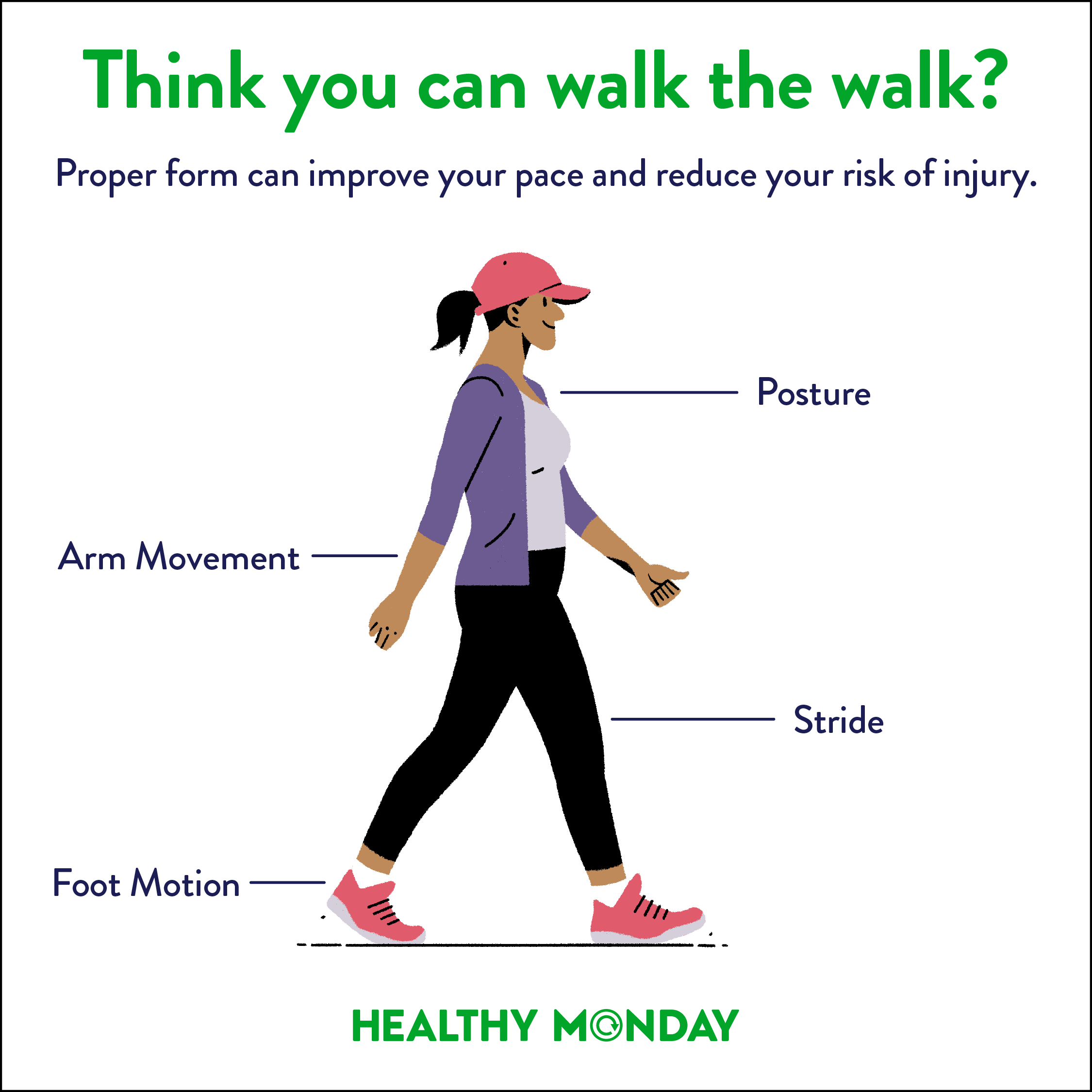
From Steps to Biometrics: The Evolution of Measurement
The earliest technological interpretations of a walk centered on counting steps. Mechanical pedometers, available for decades, offered a rudimentary yet effective way to track daily activity. These devices typically utilized a pendulum or spring mechanism to register each oscillation caused by the walker’s stride. While revolutionary in their time, they offered limited data—just a raw count, often prone to inaccuracies from non-walking movements.
The advent of digital accelerometers and gyroscopes marked a significant leap forward. Integrated into smartphones, fitness bands, and smartwatches, these sensors can detect movement in multiple axes, allowing for more precise step counting, differentiation between walking and other activities, and estimation of pace and stride length. Modern algorithms can filter out incidental movements, focusing specifically on the rhythmic pattern indicative of a genuine walk. Beyond mere steps, contemporary devices now capture a wealth of biometric data during a walk: heart rate variability, oxygen saturation (SpO2), estimated calorie expenditure based on individual metabolic rates, and even gait analysis to identify potential imbalances or efficiencies in movement. This rich data mosaic moves “what is a walk” from a simple step count to a comprehensive physiological event.
GPS and Geolocation: Mapping Our Journeys
The integration of Global Positioning System (GPS) technology into personal devices revolutionized how we perceive and record walks. No longer just a sequence of steps, a walk became a spatial journey. GPS receivers, initially bulky and power-intensive, are now miniaturized and highly efficient, embedded in virtually all smartphones and many wearables.
When GPS is active during a walk, it triangulates the device’s position based on signals from multiple satellites, logging a series of geographical coordinates over time. This data is then used to:
- Track Distance: Accurately calculate the total distance covered, often with sub-meter precision in ideal conditions.
- Map Routes: Visualize the exact path taken on a digital map, allowing users to review their trajectory, discover new routes, and share their journeys.
- Calculate Speed and Pace: Determine average and instantaneous walking speeds, providing valuable metrics for training or casual activity monitoring.
- Measure Elevation Changes: Utilize barometric altimeters (often complementing GPS data) to record ascents and descents, adding another layer of detail to the walk’s exertion profile.
Geolocation technology has transformed the walk into an interactive data narrative, offering insights not just into how we walk, but where we walk and the topographical context of our movement.
Augmenting the Stroll: Apps and Smart Devices
The digital definition of a walk is further enriched by a vast ecosystem of applications and smart devices designed to enhance, guide, and gamify the experience. These tools move beyond mere data collection, offering interactive features that integrate walking into broader lifestyle and entertainment contexts.
Fitness Trackers and Smartwatches: Beyond Basic Counting
Modern fitness trackers and smartwatches are the quintessential companions for contemporary walks. While their core function often remains step counting and distance tracking, their capabilities extend significantly further:
- Personalized Coaching: Many devices and their accompanying apps use accumulated data to provide personalized recommendations, setting dynamic goals, suggesting optimal walking paces, and even prompting users to move after periods of inactivity.
- Health Monitoring: Beyond basic activity, these wearables continuously monitor vital signs. During a walk, they can alert users to unusual heart rate patterns, detect falls, or provide insights into cardiovascular health over time.
- Integration with Health Ecosystems: Data from walks seamlessly integrates with broader health platforms (e.g., Apple Health, Google Fit), creating a holistic view of an individual’s physical activity and well-being. This allows for long-term trend analysis and sharing with healthcare providers if desired.
- Battery Life and Durability: Advances in battery technology and ruggedized designs ensure these devices can endure long walks in various environments, becoming reliable partners for extended outdoor activities.
These devices redefine “what is a walk” by turning it into a monitored, guided, and medically relevant activity.
Experiential Apps: Gamification and Exploration

Beyond health and fitness, technology has also gamified and diversified the walking experience, leveraging the smartphone as a portal to augmented realities and interactive narratives.
- Gamified Fitness Apps: Applications like “Zombies, Run!” transform walks into immersive survival adventures, where users run or walk to evade virtual zombies, collect supplies, and progress through a story. These apps leverage GPS to track movement and audio narratives to engage users, making fitness feel less like a chore and more like a game.
- Augmented Reality (AR) Walks: AR apps overlay digital information onto the real world viewed through a smartphone camera. Users can embark on “AR walks” that reveal hidden digital content, historical facts, or fictional characters tied to specific geographical locations. This merges the physical environment with virtual elements, creating scavenger hunts, interactive tours, and novel forms of exploration.
- Geocaching and Location-Based Games: Rooted in the early days of GPS, geocaching turns walks into treasure hunts, where participants use GPS coordinates to find hidden containers. More modern iterations include location-based games that require players to visit real-world landmarks or specific areas to unlock in-game content or achieve objectives, encouraging physical exploration.
These experiential applications elevate the walk from a mere physical activity to a form of interactive entertainment and discovery, blurring the lines between the digital and physical worlds.
The Data Trail: Insights and Implications
Every step taken with a connected device generates a ripple of data. This “data trail” offers profound insights, not just for individuals tracking their personal progress, but for broader applications ranging from public health to urban development.
Personal Health and Performance Analytics
For individuals, the aggregated data from walks provides a powerful tool for self-monitoring and improvement:
- Fitness Progress: Users can track improvements in endurance, speed, and distance over time, identifying patterns and optimizing their routines.
- Chronic Disease Management: For individuals managing conditions like diabetes or heart disease, consistent walking data can be vital for monitoring activity levels prescribed by medical professionals.
- Mental Well-being: Tracking walk frequency and duration can also correlate with mood and stress levels, offering insights into the therapeutic benefits of physical activity.
- Personalized Insights: Advanced algorithms can analyze walking patterns to predict fatigue, suggest recovery times, or even flag potential health anomalies based on deviations from a user’s baseline.
The digital record of a walk becomes a personal dossier, providing actionable intelligence for health and performance optimization.
Urban Planning and Smart City Applications
On a larger scale, anonymized and aggregated walking data offers invaluable insights for urban planners and smart city initiatives:
- Pedestrian Flow Analysis: Understanding pedestrian traffic patterns—when, where, and how people walk—helps planners design more efficient sidewalks, crosswalks, and public spaces.
- Infrastructure Development: Data on popular walking routes and underutilized areas can inform decisions about new park developments, greenways, and public transport connections.
- Safety Improvements: Identifying areas with high pedestrian volume but inadequate lighting or crossings can lead to targeted safety enhancements.
- Environmental Impact Studies: Analyzing walking habits can contribute to understanding carbon footprint reduction and promoting sustainable urban mobility.
- Emergency Services Planning: Knowledge of pedestrian density and movement can aid in planning evacuation routes and deploying resources during emergencies.
By transforming individual walks into collective data, technology provides a powerful lens through which to understand and improve the functionality and livability of urban environments.
The Future of Footfall: Emerging Technologies
The technological evolution of “what is a walk” is far from complete. Emerging technologies promise to further integrate walking into our digital lives, offering even deeper insights and more immersive experiences.
AI-Powered Insights and Personalized Coaching
Artificial Intelligence (AI) and machine learning are poised to revolutionize how walking data is interpreted and utilized. Future systems will move beyond simple data aggregation to offer truly personalized and predictive insights:
- Predictive Health Alerts: AI could analyze gait changes, heart rate anomalies, and walking frequency to proactively alert users (and even their healthcare providers) to potential health issues before they become critical.
- Hyper-Personalized Training Plans: AI will generate dynamic walking programs that adapt in real-time to individual fatigue levels, environmental conditions, and specific fitness goals, making every walk optimally effective.
- Emotional and Cognitive Tracking: Future wearables might integrate sensors to monitor brain activity or stress markers during a walk, offering insights into its cognitive and emotional benefits, perhaps suggesting specific routes or environments to optimize mental well-being.
- Conversational AI Coaches: AI-powered voice assistants could provide real-time coaching, encouragement, and information during walks, making the experience more interactive and supportive.

Augmented and Virtual Reality Walks
The future of walking will increasingly blur the lines between the physical and virtual:
- Seamless AR Overlays: Advanced AR glasses, rather than smartphones, will provide hands-free, context-aware information directly in the user’s field of vision. Imagine walking through a city and seeing historical figures appear, real-time navigation cues floating on the pavement, or dynamic art installations overlaid onto buildings.
- Virtual Reality (VR) Treadmill Experiences: While not a “walk” in the traditional sense of outdoor movement, advancements in VR treadmills and full-body tracking could allow users to explore hyper-realistic virtual environments, simulate challenging terrains, or engage in social walks with friends across continents, all from the comfort of their homes.
- Biofeedback and Adaptive Environments: Future systems might use biofeedback from a walker’s body to adapt the AR or VR environment, creating a dynamically responsive experience that matches their physiological state or emotional needs.
In essence, “what is a walk” is continuously evolving, shaped by an accelerating pace of technological innovation. It is no longer just a physical act but a data-rich experience, a canvas for digital augmentation, and a vital component of our interconnected, intelligent future.
aViewFromTheCave is a participant in the Amazon Services LLC Associates Program, an affiliate advertising program designed to provide a means for sites to earn advertising fees by advertising and linking to Amazon.com. Amazon, the Amazon logo, AmazonSupply, and the AmazonSupply logo are trademarks of Amazon.com, Inc. or its affiliates. As an Amazon Associate we earn affiliate commissions from qualifying purchases.