
At its core, a stir fry is a cooking technique originating from China, characterized by quickly cooking small, uniform pieces of food in a hot pan or wok with a minimal amount of oil, often while stirring continuously. This method emphasizes speed, high heat, and efficient heat distribution to achieve a crisp texture and vibrant flavors, while preserving nutritional integrity. From a technological perspective, the effectiveness and widespread appeal of stir-frying are deeply intertwined with advancements in kitchen equipment, digital tools, and emerging culinary technologies that optimize every stage of the cooking process.
The Technological Evolution of Stir-Frying Equipment
The journey of the stir fry from ancient kitchens to modern culinary platforms is a testament to continuous innovation in cooking technology. While the fundamental principles remain, the tools that enable this cooking style have undergone significant transformations, enhancing efficiency, precision, and accessibility.
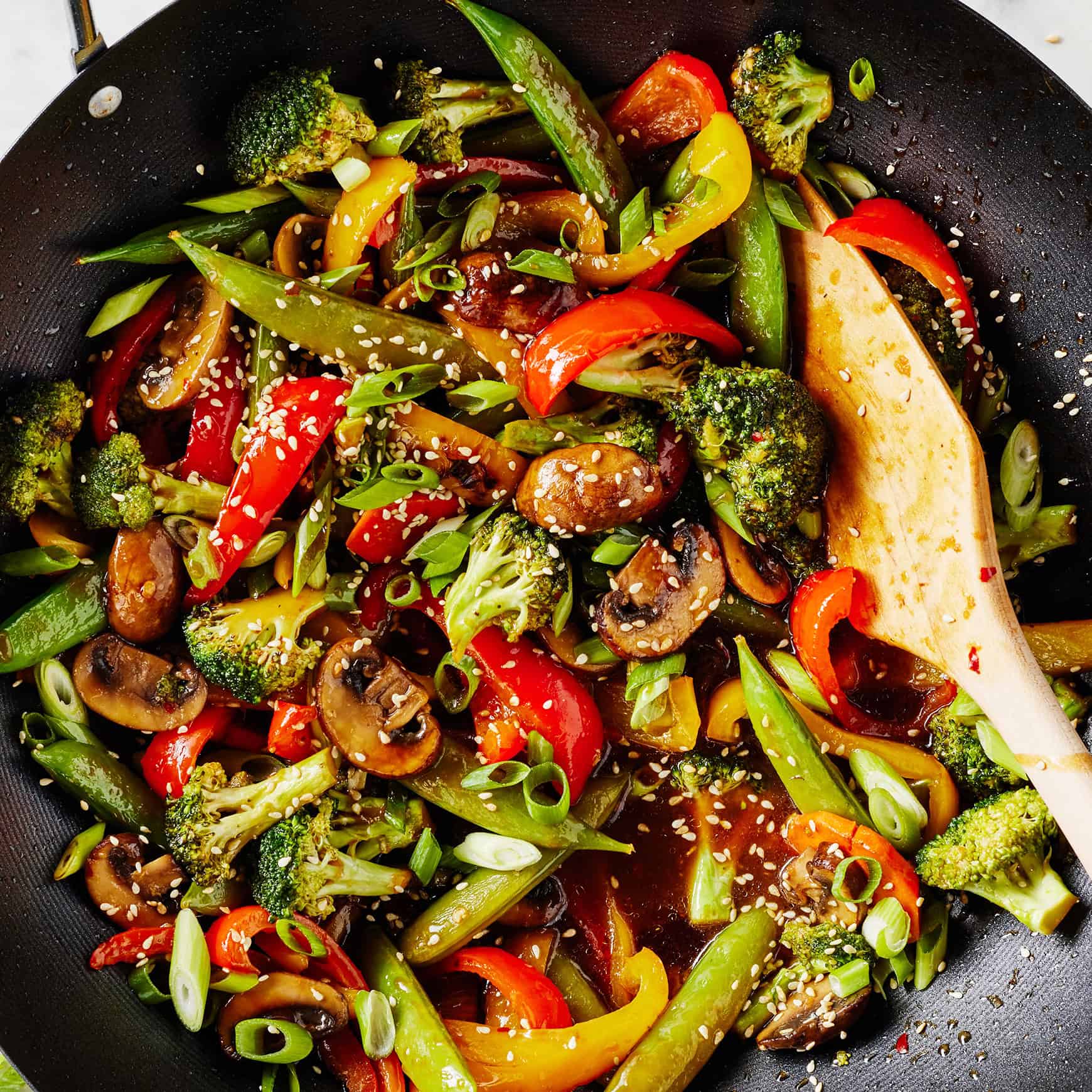
From Traditional Woks to Smart Induction Cooktops
The traditional wok, a round-bottomed pan, is central to stir-frying. Its design is a marvel of thermal engineering, allowing for a large surface area for rapid evaporation and a concentrated heat zone at the bottom, facilitating the characteristic “wok hei” (breath of the wok) flavor. Historically, woks were used over open flame or high-BTU gas burners to achieve the intense, even heat required.
Today, technology has brought sophisticated alternatives. Induction cooktops represent a significant leap, offering precise temperature control and energy efficiency. Unlike traditional gas or electric stoves, induction cooktops generate heat directly within the ferromagnetic material of the cookware itself through electromagnetic fields. For stir-frying, this means instantaneous heat adjustments, allowing cooks to quickly raise or lower temperatures to prevent scorching or achieve perfect caramelization, an essential aspect of stir-frying vegetables and proteins. Smart induction cooktops further integrate with digital platforms, offering pre-programmed stir-fry settings that automatically adjust power levels based on dish type or recipe requirements, simplifying the process for home users.
Precision Heat Control and Material Science in Cookware
Modern cookware leverages advanced material science to optimize heat transfer and retention, critical for consistent stir-frying results. Beyond cast iron and carbon steel, which remain popular for their heat retention properties, materials like multi-ply stainless steel with aluminum or copper cores provide superior thermal conductivity, ensuring even heating across the entire wok surface. Non-stick coatings, often ceramic- or polymer-based, have also evolved, offering durable, high-heat resistant surfaces that require less oil and simplify cleaning, aligning with contemporary demands for healthier cooking and convenience.
Furthermore, digital thermometers and integrated temperature sensors in woks or spatulas provide real-time feedback on cooking temperatures. This allows for scientific precision in achieving the optimal range for the Maillard reaction (browning) and caramelization without overcooking, ensuring that each ingredient is perfectly cooked to its ideal texture and flavor profile. These tools transform stir-frying from an intuitive art into a replicable scientific process, making high-quality results accessible to more users.
Automated Stir-Fry Machines and Commercial Solutions
In commercial kitchens and food service industries, automation has redefined stir-frying on a larger scale. Automated stir-fry machines are sophisticated robotic systems designed to replicate the human stir-frying motion with unparalleled consistency and speed. These machines often feature rotating woks, programmable heating elements, and automated ingredient dispensers. They can execute complex stir-fry recipes with precise timing and temperature control, ensuring uniform quality across thousands of servings. This technology not only addresses labor shortages but also guarantees food safety through consistent cooking temperatures and reduced human handling. For quick-service restaurants or institutional catering, these automated solutions provide an efficient, scalable, and quality-controlled method for producing large volumes of stir-fried dishes.
Digital Tools for the Modern Stir-Fry Chef
The digital revolution has brought an array of software and applications that support and enhance the stir-frying experience, moving beyond just the physical act of cooking. These tools streamline everything from recipe discovery to ingredient management, embodying the integration of technology into daily culinary practices.
Recipe Apps and AI-Powered Meal Planning
Modern recipe applications are invaluable resources for discovering new stir-fry variations and mastering techniques. These apps often feature step-by-step instructions, video tutorials, and user-generated content, allowing aspiring stir-fry chefs to learn at their own pace. Beyond simple recipe aggregation, AI-powered meal planning tools are now capable of generating personalized stir-fry recipes based on dietary preferences, available ingredients, and even nutritional goals. By analyzing vast databases of food combinations and cooking techniques, these AI algorithms can suggest creative stir-fry ideas that minimize waste and maximize flavor, optimizing meal preparation for busy individuals. Some advanced apps can even adapt recipes for specific equipment, like an induction cooktop, ensuring optimal results.
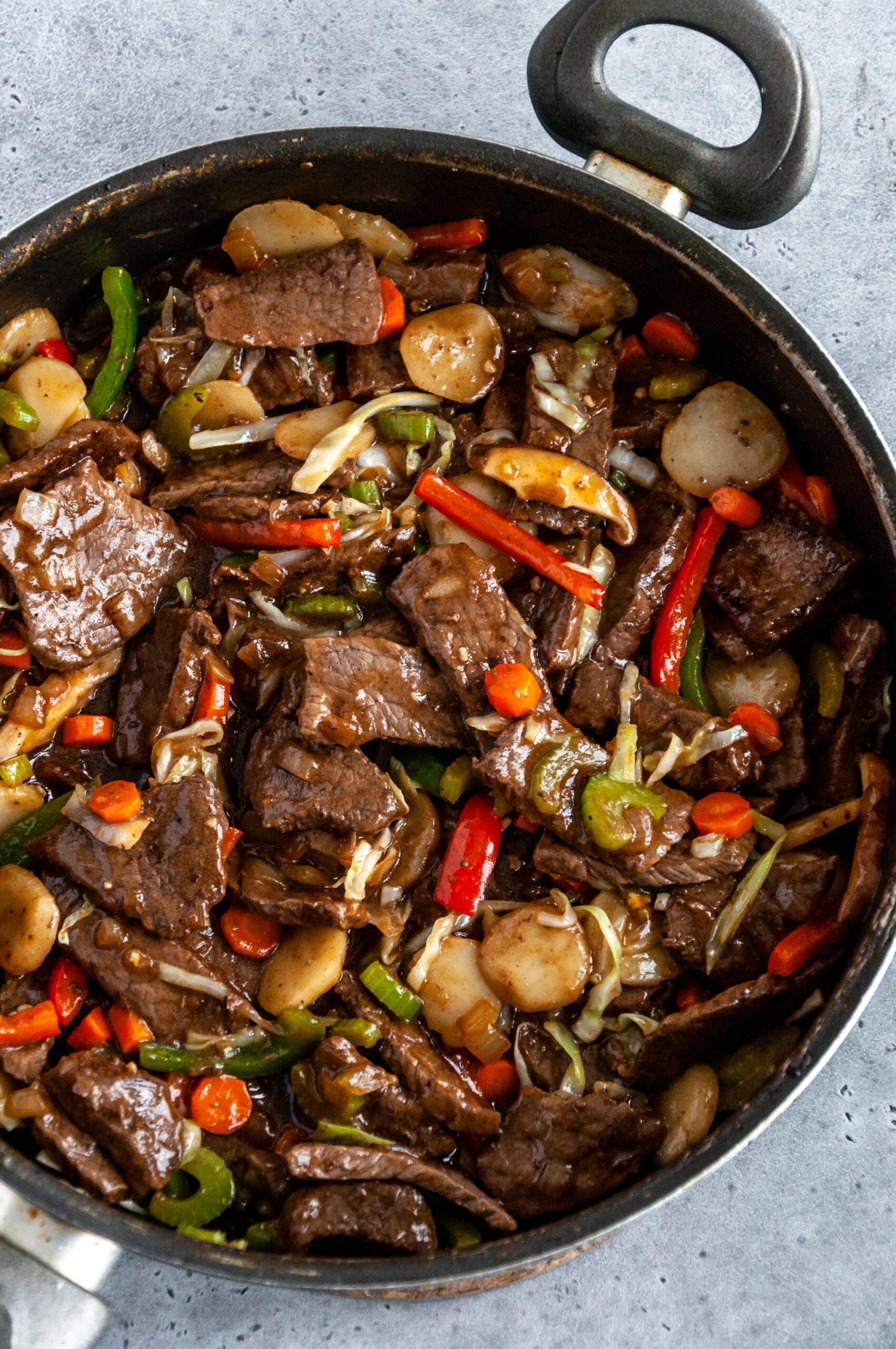
Ingredient Sourcing and Smart Pantry Management
Technology has also transformed how ingredients are sourced and managed for stir-frying. E-commerce platforms and grocery delivery apps provide convenient access to a global array of stir-fry ingredients, from exotic sauces to specialty vegetables, delivered directly to the doorstep. Smart pantry systems, often integrated with IoT devices, use sensors and barcode scanners to track inventory levels of commonly used stir-fry components like oils, soy sauce, and spices. These systems can automatically generate shopping lists, suggest recipes based on what’s available, and even alert users to expiring ingredients, significantly reducing food waste and ensuring that the right components are always on hand for a spontaneous stir-fry session.
Nutritional Tracking and Data Analytics
For health-conscious individuals, digital tools provide comprehensive nutritional tracking and data analytics for stir-fried meals. Apps can calculate calorie counts, macronutrient ratios (proteins, carbohydrates, fats), and micronutrient intake based on the specific ingredients and portion sizes used in a stir-fry recipe. Some platforms integrate with smart kitchen scales that provide real-time weight measurements, instantly updating nutritional data as ingredients are added. This data-driven approach empowers users to fine-tune their stir-fry recipes for specific dietary needs, whether they are focused on muscle gain, weight management, or managing specific health conditions, turning each stir-fry into a precisely engineered meal.
Enhancing the Stir-Fry Experience Through Home Automation
The smart home ecosystem extends its influence to the kitchen, creating an interconnected environment where stir-frying becomes more convenient and integrated into a broader digital lifestyle.
IoT-Enabled Kitchen Appliances
The Internet of Things (IoT) has led to kitchen appliances that can communicate with each other and with users via smartphones or voice assistants. For stir-frying, this means smart induction cooktops that can preheat to a specific temperature based on a recipe pulled from a cloud database. Smart range hoods can automatically adjust fan speed based on the cooking intensity detected, ensuring optimal ventilation during high-heat stir-frying. Even smart refrigerators can suggest stir-fry recipes based on their contents and send cooking instructions directly to compatible appliances, creating a seamless and efficient cooking workflow.
Voice-Activated Cooking Assistants
Voice-activated assistants like Amazon Alexa or Google Assistant have become indispensable in the modern kitchen. For stir-frying, these assistants can set timers, convert measurements, read out recipe steps hands-free, and even control smart appliances. A chef can simply command, “Hey Google, set a timer for 3 minutes for the chicken to stir-fry,” or “Alexa, increase the temperature on the smart wok to 400 degrees Fahrenheit.” This hands-free interaction is particularly useful in the fast-paced environment of stir-frying, allowing cooks to maintain focus on the food without needing to touch screens with potentially messy hands.
The Future of Stir-Frying: Robotics and Personalization
The trajectory of technology in stir-frying points towards even greater automation, personalization, and intelligence, promising a future where customized culinary experiences are delivered with robotic precision.
AI-Driven Flavor Profiles and Customization
The next frontier for stir-frying involves AI algorithms capable of not just suggesting recipes but actively learning and adapting to individual flavor preferences. Imagine an AI that, over time, understands your preferred level of spice, your favorite vegetable combinations, and even your desired texture for stir-fried proteins. This AI could then generate unique stir-fry recipes on demand, precisely tailored to your palate, and even integrate with automated cooking systems to execute them. This level of personalization moves beyond generic recipes to a truly bespoke culinary experience, crafted by intelligent systems.
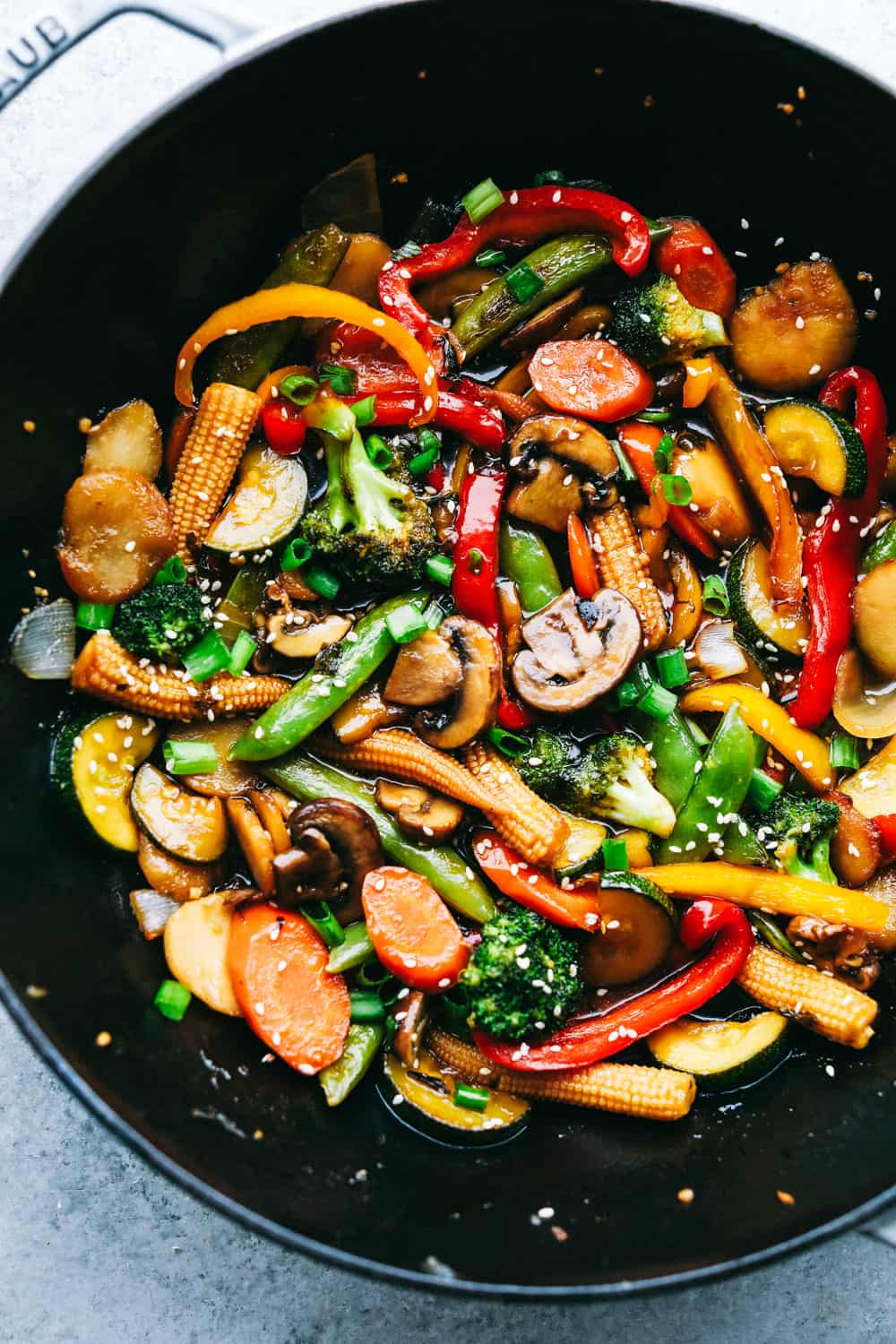
Robotic Culinary Assistants
While automated stir-fry machines exist in commercial settings, the future may bring more compact, sophisticated robotic culinary assistants to home kitchens. These robots could handle the entire stir-frying process, from chopping ingredients with precision to expertly tossing and stirring in a wok, all while maintaining perfect temperature control. Such robots would be capable of learning from countless recipes, adapting to different ingredient densities, and even experimenting with new flavor combinations, effectively democratizing the art of stir-frying by making high-level culinary skills accessible to everyone, regardless of their cooking expertise. These advancements promise to further elevate the stir-fry, not just as a quick meal, but as a masterpiece of culinary technology.
aViewFromTheCave is a participant in the Amazon Services LLC Associates Program, an affiliate advertising program designed to provide a means for sites to earn advertising fees by advertising and linking to Amazon.com. Amazon, the Amazon logo, AmazonSupply, and the AmazonSupply logo are trademarks of Amazon.com, Inc. or its affiliates. As an Amazon Associate we earn affiliate commissions from qualifying purchases.