
In the vernacular of livestock farming and agricultural business, a “shoat” refers to a young pig that has been weaned but has not yet reached full market weight or maturity. It occupies a specific growth stage between a piglet and a full-grown hog, typically weighing between 40 and 120 pounds. Understanding the shoat stage is critical for anyone involved in swine operations, from small-scale homesteaders to large commercial farms, as it represents a significant period of investment, growth, and potential returns. For investors and entrepreneurs looking at agricultural ventures, knowing the lifecycle and financial implications of each stage, including that of a shoat, is fundamental to sound business planning and risk management.
The Lifecycle of Swine: A Financial Perspective
The journey of a pig from birth to market is segmented into several distinct stages, each with its unique biological requirements, management practices, and financial considerations. These stages are not merely biological classifications but represent crucial phases for financial planning, cost analysis, and revenue projections within a swine operation.
From Piglet to Market Weight: Stages and Costs
The lifecycle typically begins with piglets, which are newborn pigs up to weaning age (typically 3-4 weeks, weighing 10-25 pounds). This stage involves high upfront care, including colostrum intake, temperature control, and disease prevention, incurring costs related to farrowing crates, specialized feed, and veterinary attention. While piglets represent future potential, they are also the most fragile and require significant labor input.
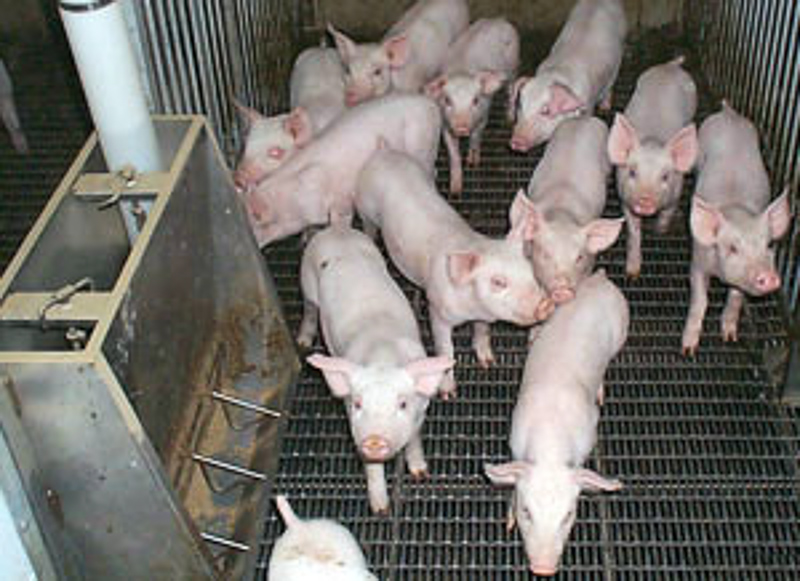
Following weaning, the pig enters the shoat stage. This is a transition period where the young animal adapts from milk to solid feed, often exhibiting rapid growth if managed correctly. Shoats require specific nutritional formulations to support bone and muscle development, and their housing often transitions from farrowing pens to nursery barns designed for groups. Feed efficiency during this stage is a key driver of profitability; maximizing weight gain per pound of feed consumed directly impacts the ultimate cost of production. Financial outlays for shoats include feed, veterinary check-ups, vaccinations, and adequate housing infrastructure. The shoat stage is a critical inflection point where initial investments in growth truly begin to compound, moving the animal towards market readiness.
Beyond the shoat stage, pigs progress to the grower-finisher phase, where they are fed until they reach market weight (typically 250-280 pounds). This is often the longest and most feed-intensive stage, representing the bulk of the operational costs. Finally, breeding stock refers to mature boars and sows used for reproduction, representing long-term assets whose financial value is tied to their prolificacy and genetic contribution. Each stage demands a nuanced financial strategy, from managing working capital for daily feed expenses to long-term asset depreciation for breeding stock and infrastructure.
Shoats in Agricultural Business Finance
For any agricultural business dealing with swine, shoats are not just animals; they are biological assets undergoing value appreciation. Their management and trajectory directly impact the business’s balance sheet, income statement, and overall financial health.
Valuing Livestock Assets
In agricultural finance, livestock, including shoats, are considered current or non-current assets depending on their purpose and maturity. Shoats intended for market are typically current assets, whose value is expected to be realized within a year. Their valuation often depends on their current weight, breed genetics, and market price per pound. Accurate inventory management and valuation of shoats are essential for financial reporting, securing loans, and making informed business decisions. For instance, a bank might use the number and average weight of shoats as collateral for operating lines of credit. Understanding the mortality rates at this stage is also crucial, as losses directly diminish asset value and impact profitability.
Feed, Care, and Growth Investments
The shoat stage is characterized by substantial investment in feed and care aimed at maximizing growth efficiency. Feed costs typically account for 60-70% of the total cost of raising a pig to market weight. During the shoat phase, the focus is on high-quality, protein-rich diets that support lean muscle development and skeletal growth. Beyond feed, investments include:
- Veterinary care: Regular health checks, vaccinations, and disease prevention programs are vital to ensure healthy growth and minimize losses. Outbreaks can decimate a herd and lead to significant financial setbacks.
- Housing and environment: Adequate ventilation, temperature control, and pen space are critical for shoat well-being and growth rates. Poor housing can lead to stress, disease, and reduced feed intake, directly impacting the return on investment.
- Labor: Skilled labor for daily feeding, cleaning, monitoring, and health management is another significant cost factor. Efficient labor deployment can optimize productivity and reduce operational expenses.
- Genetics: Investing in shoats from strong genetic lines can lead to faster growth rates, better feed conversion, and higher carcass quality, ultimately commanding better prices at market.
These investments are not mere expenditures; they are strategically allocated funds designed to enhance the biological asset’s value and ensure a profitable outcome.
Risk and Return: Investing in Swine
Investing in swine production, particularly at the shoat stage, involves navigating a unique set of risks and opportunities compared to other financial assets. The biological nature of the investment introduces variables not typically found in traditional stocks or bonds.
Market Dynamics and Profitability
The profitability of raising shoats to market weight is heavily influenced by the volatile dynamics of commodity markets. Pork prices fluctuate based on supply (influenced by factors like disease outbreaks, feed availability, and global production levels) and demand (driven by consumer preferences, economic conditions, and export markets). A shoat purchased or raised today may yield a vastly different return depending on market conditions at the time of sale. Effective risk management strategies include hedging (using futures contracts to lock in prices), diversifying income streams, and carefully monitoring market trends to inform production decisions. Understanding the breakeven cost for a shoat to reach market weight is paramount for setting realistic profit targets.
Managing Biological Assets
Unlike inanimate assets, shoats are living organisms susceptible to disease, environmental stress, and mortality. These biological risks can significantly impact investment returns.
- Disease outbreaks: Illnesses like African Swine Fever (ASF), Porcine Epidemic Diarrhea (PED), or PRRS can lead to mass mortalities, increased veterinary costs, and restrictions on movement, severely impacting the financial viability of an operation. Biosecurity measures are therefore critical investments.
- Feed price volatility: As the largest input cost, fluctuations in corn, soybean, and other feed ingredient prices directly affect the cost of raising shoats, impacting margins.
- Environmental factors: Extreme weather conditions, natural disasters, or even persistent minor environmental stressors in housing can negatively affect growth rates and health, thereby reducing profitability.
- Performance variability: Even within the same herd, individual shoats may exhibit varying growth rates and feed conversion ratios, leading to differences in profitability.
Successful investment in swine requires robust financial planning that accounts for these biological uncertainties and implements strategies to mitigate them, such as insurance, robust biosecurity protocols, and diversified feed sourcing.
The Shoat as a Side Hustle Opportunity
For individuals seeking to diversify their income or engage in small-scale agriculture, raising shoats can present a viable side hustle or a foundational step into animal husbandry. While requiring commitment and careful planning, the potential for tangible returns exists.
Entry Points and Initial Capital
Starting a shoat-based side hustle involves a range of initial capital investments. One common entry point is purchasing weaned shoats directly from larger farms or breeders. This approach bypasses the complexities and higher capital expenditure of maintaining breeding sows and managing farrowing.
Initial capital requirements might include:
- Purchase price of shoats: Varies by breed, weight, and market demand.
- Housing: Could range from repurposed barns or sheds to constructing new, small-scale pens. Adequate shelter is crucial.
- Feed: Bulk purchase can reduce per-unit cost.
- Equipment: Feeders, waterers, fencing, and basic health supplies.
- Veterinary consultation: Initial health checks and a plan for preventative care.
Careful budgeting and starting small can help manage initial financial risk. Many beginners might start with a handful of shoats to gain experience before scaling up.
Growth Potential and Returns
The growth potential of a shoat side hustle lies in its ability to generate quick turnover compared to other livestock. Shoats can typically be raised to market weight within 4-6 months, offering a relatively fast cycle of investment and return. Returns can be realized through:
- Direct-to-consumer sales: Selling pork to local customers, farmers’ markets, or through community-supported agriculture (CSA) models can command premium prices, bypassing intermediaries.
- Wholesale to butchers/restaurants: Establishing relationships with local businesses can provide consistent demand.
- Selling feeder shoats: Some operations specialize in raising shoats to a certain weight and then selling them to other farms for finishing, capitalizing on the value added during the shoat stage.
Profitability hinges on efficient feed conversion, low mortality rates, and securing favorable market prices. A well-managed shoat side hustle can not only provide supplementary income but also contribute to local food systems and personal self-sufficiency.
Financial Planning for Swine Operations
Regardless of scale, comprehensive financial planning is the cornerstone of a successful swine operation. It allows producers to anticipate costs, manage cash flow, and make strategic decisions that enhance profitability.
Budgeting for Shoat Management
An effective budget for shoat management must encompass all direct and indirect costs.
Direct Costs:
- Feed: Itemize by stage (starter, grower), quantity, and cost per pound.
- Animal purchases: Cost per shoat.
- Veterinary expenses: Vaccinations, medications, routine checks.
- Supplies: Bedding, cleaning supplies.
- Marketing/Processing: Costs associated with selling the finished product (butchering, packaging, advertising).
Indirect Costs: - Labor: Owner’s time or hired help.
- Utilities: Electricity for lighting, heating, ventilation; water.
- Insurance: Livestock and property insurance.
- Depreciation: Of equipment and facilities.
- Interest: On loans or lines of credit.
- Repairs and maintenance: For housing and equipment.
Detailed budgeting helps identify areas for cost reduction, optimize resource allocation, and project cash flow accurately, allowing for proactive financial management.
Understanding Market Cycles
Swine markets are notoriously cyclical, influenced by factors like feed prices, disease pressures, and consumer demand. Financial planning must incorporate an understanding of these cycles. Producers need to:
- Monitor market reports: Stay informed about current hog and pork prices, futures markets, and relevant economic indicators.
- Forecast production: Align farrowing and finishing schedules with anticipated market highs when possible, though this is challenging due to the long lead times.
- Establish reserve funds: Create a financial buffer to weather periods of low prices or unexpected expenses.
- Consider forward contracts: Lock in prices for a portion of future production to reduce price risk, especially when market forecasts are unfavorable.
By strategically planning around these cycles, and accurately understanding the financial implications of each growth stage, particularly the investment and care required for shoats, producers can enhance their resilience and long-term profitability in the dynamic world of agricultural finance.
aViewFromTheCave is a participant in the Amazon Services LLC Associates Program, an affiliate advertising program designed to provide a means for sites to earn advertising fees by advertising and linking to Amazon.com. Amazon, the Amazon logo, AmazonSupply, and the AmazonSupply logo are trademarks of Amazon.com, Inc. or its affiliates. As an Amazon Associate we earn affiliate commissions from qualifying purchases.