
A scratched cornea, medically known as a corneal abrasion, is a surprisingly common and often painful injury. It occurs when the delicate, transparent outer layer of the eye, the cornea, sustains a scrape or cut. While often perceived as a minor and temporary discomfort, the reality is that a scratched cornea can trigger a cascade of financial consequences, impacting personal budgets, insurance claims, and even workplace productivity. Understanding not just the medical nature but also the economic fallout of such an injury is crucial for effective financial planning and proactive health management.
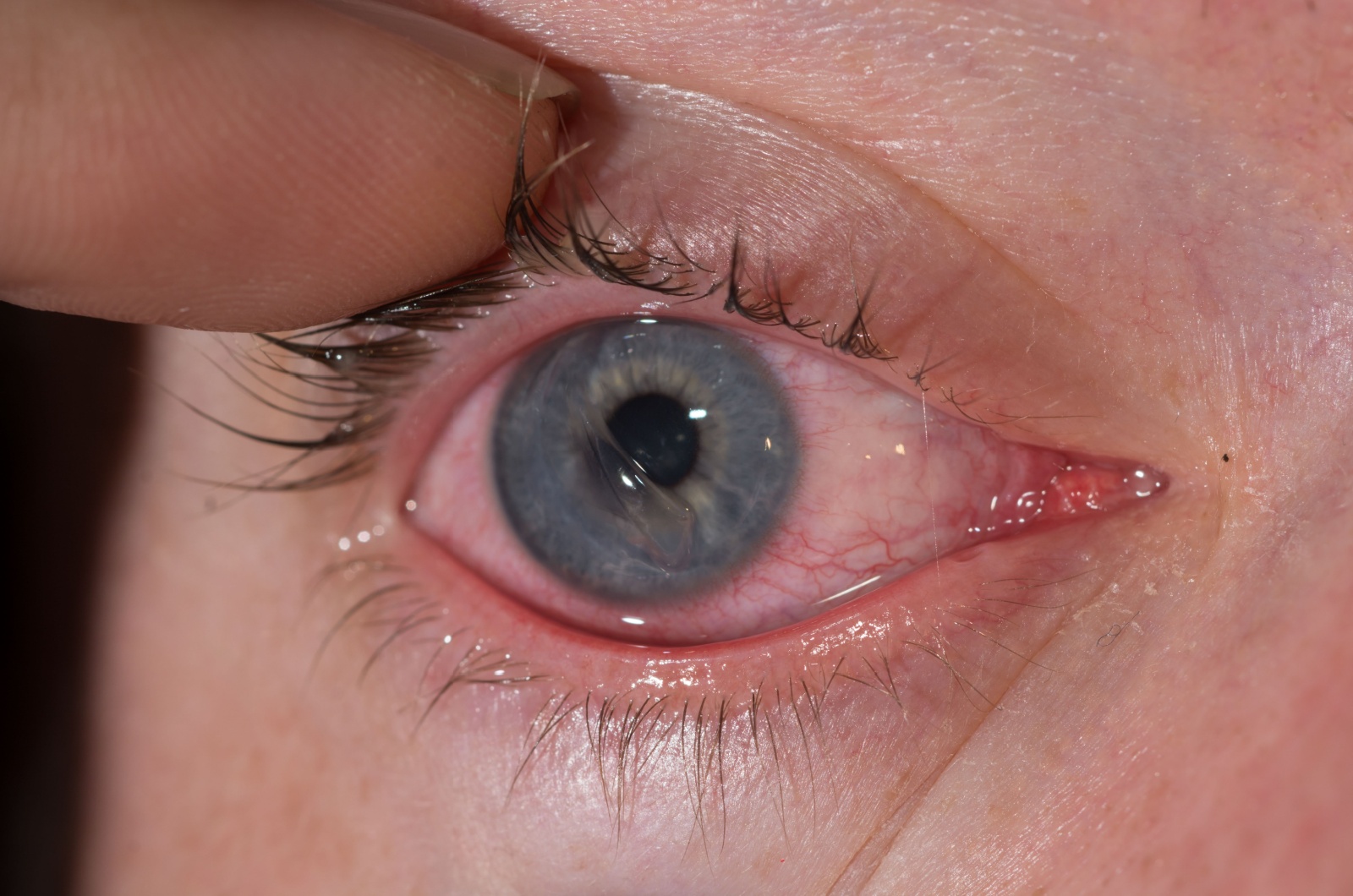
Common causes range from foreign bodies like dust or sand entering the eye, direct trauma from a fingernail or tree branch, to improper contact lens use. Symptoms typically include sharp pain, tearing, redness, sensitivity to light, and a gritty sensation. While most abrasions heal within 24-72 hours with proper care, neglecting treatment or experiencing complications can significantly escalate both the medical severity and, critically, the financial burden. This article delves into the financial implications, insurance navigation, and preventative strategies to safeguard both your vision and your wallet.
The Immediate Financial Burden of a Corneal Abrasion
When an unexpected injury like a scratched cornea occurs, the immediate concern is often pain relief and vision preservation. However, the path to recovery invariably incurs direct and indirect financial costs that can quickly add up.
Direct Medical Expenses
The first point of contact for a scratched cornea can significantly dictate the initial cost. An emergency room (ER) visit, while offering immediate care, is often the most expensive option, with facility fees, physician fees, and diagnostic charges that can run into hundreds or even thousands of dollars before insurance. Urgent care centers typically present a more cost-effective alternative for non-life-threatening conditions, often providing similar diagnostic capabilities for eye injuries at a fraction of the ER cost. Opting for an ophthalmologist or optometrist, if accessible promptly, can be the most economical choice, as these specialists are equipped to diagnose and treat corneal abrasions without the overheads of general medical facilities.
Once a diagnosis is made, direct costs include:
- Consultation Fees: For the initial examination by a doctor.
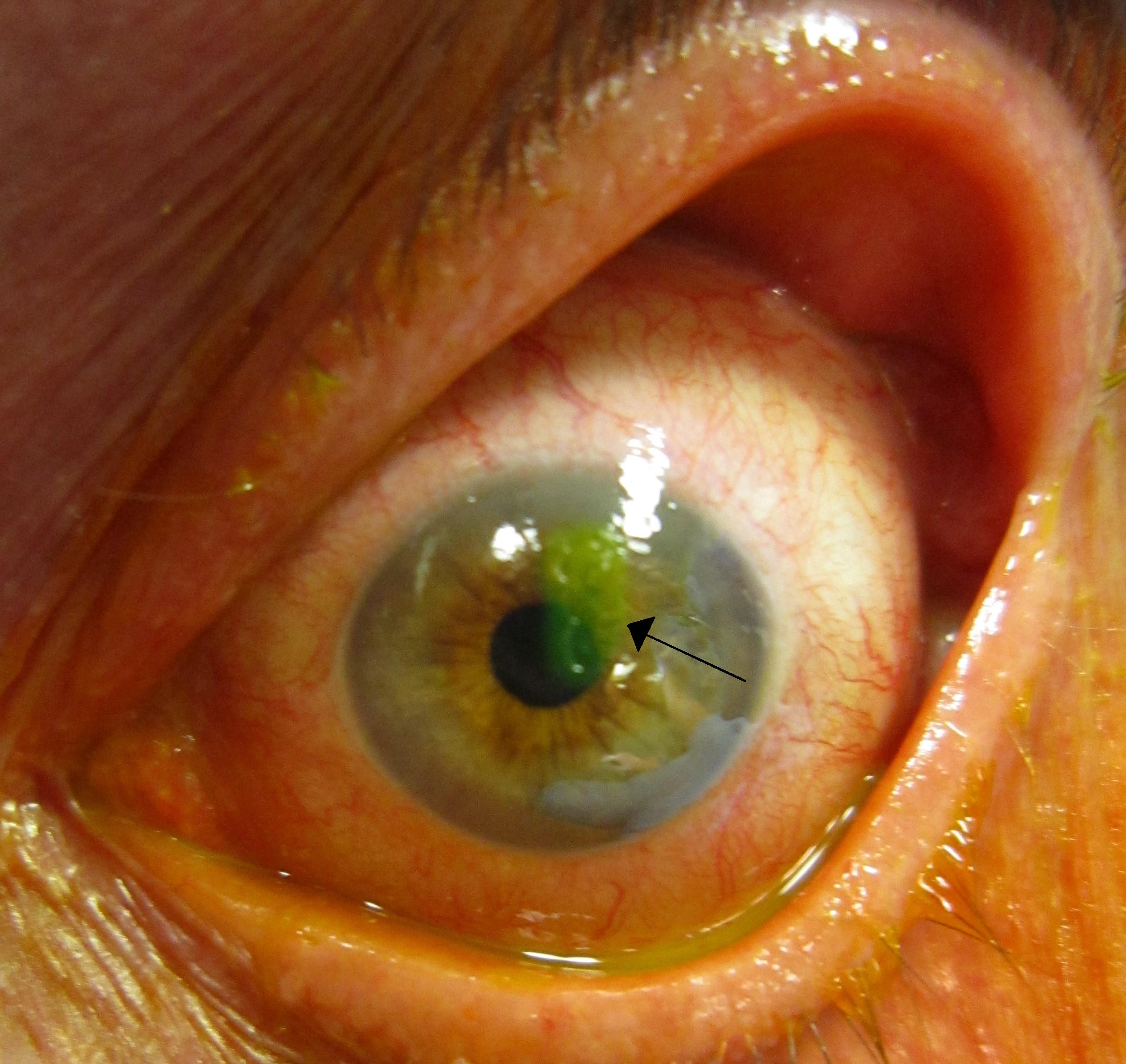
- Diagnostic Tests: A fluorescein stain, a common diagnostic tool to visualize the abrasion, adds a specific charge.
- Prescription Medications: Antibiotic drops or ointments to prevent infection, pain relievers, and sometimes cycloplegic drops to reduce pain and light sensitivity, all contribute to pharmacy bills.
- Follow-up Appointments: Many corneal abrasions require one or more follow-up visits to ensure proper healing and rule out complications, each incurring additional consultation fees.
These costs, even for a straightforward case, can quickly accumulate, creating an unexpected drain on personal finances, especially for individuals with high-deductible insurance plans or no coverage at all.
Indirect Costs: Lost Income and Productivity
Beyond the direct medical bills, a scratched cornea can inflict substantial indirect financial losses, primarily through lost income and reduced productivity.
- Time Off Work for Appointments or Recovery: The acute pain, blurred vision, and light sensitivity associated with a corneal abrasion often necessitate time away from work. For employees, this might mean using sick days or, worse, unpaid leave. For hourly wage earners or self-employed individuals, every hour spent recovering or at a doctor’s appointment translates directly into lost earnings.
- Impact on Specific Professions: Certain occupations, such as those requiring fine motor skills, extensive computer use, driving, or operating machinery, can be severely impacted. A pilot, surgeon, or even a graphic designer with a compromised eye faces immediate limitations, potentially leading to extended absences or temporary reassignment.
- Transportation Costs: Repeated trips to medical facilities for initial treatment and follow-up appointments also add up, including fuel, parking fees, or public transport fares.
These indirect costs, though often overlooked, can sometimes outweigh the direct medical expenses, underscoring the broader financial ripple effect of such an injury.
Navigating Insurance and Healthcare Systems for Eye Injuries
Understanding your insurance coverage is paramount to mitigating the financial impact of a scratched cornea. The complexities of health and vision insurance policies can often lead to confusion regarding what is covered and by whom.
Understanding Your Health and Vision Insurance
A critical distinction to grasp is between medical insurance and vision insurance.
- Medical Insurance: Generally covers injuries, diseases, and medical conditions affecting the eye. A scratched cornea, being an injury, typically falls under the purview of your standard medical health insurance plan. This means your deductibles, co-pays, and out-of-pocket maximums for medical services would apply.
- Vision Insurance: Primarily focuses on routine eye exams, prescription glasses, and contact lenses for refractive errors. It usually does not cover medical treatment for eye injuries or diseases.
It’s crucial to confirm which type of insurance applies before seeking care, as this can determine your financial liability. Also, always verify if the chosen healthcare provider (ER, urgent care, ophthalmologist) is in-network with your medical insurance plan. Out-of-network care almost invariably results in higher costs, as insurance benefits are reduced or non-existent, leaving you responsible for a larger portion of the bill.
Leveraging Health Savings Accounts (HSAs) and Flexible Spending Accounts (FSAs)
For those with qualifying high-deductible health plans, Health Savings Accounts (HSAs) offer a powerful financial tool. Contributions are tax-deductible, funds grow tax-free, and withdrawals for qualified medical expenses are tax-free. An HSA can be an excellent way to save for unexpected medical costs like a scratched cornea, leveraging pre-tax dollars to cover deductibles, co-pays, and prescription costs.
Similarly, Flexible Spending Accounts (FSAs) allow you to set aside pre-tax money from your paycheck for healthcare costs. While typically a “use-it-or-lose-it” system (though some plans offer a grace period or carryover), an FSA can significantly reduce the out-of-pocket impact of medical expenses incurred within a plan year. Both HSAs and FSAs transform what would be after-tax medical spending into tax-advantaged expenditures, providing a buffer against unforeseen medical bills.
Advocating for Yourself and Avoiding Surprise Bills
Even with insurance, surprise medical bills are a persistent concern. Empowering yourself with knowledge can help you navigate the system effectively:
- Understand Your Explanation of Benefits (EOB): After receiving care, your insurance company will send an EOB detailing the services received, the amount billed, the amount covered by insurance, and your remaining responsibility. Review this carefully for any discrepancies or errors.
- Check Billing Codes: Medical bills use specific codes for diagnoses and procedures. Familiarize yourself with common codes for corneal abrasions and related treatments to ensure you are being billed accurately.
- Negotiate Prices: If you receive a bill that seems excessive or if you are uninsured, do not hesitate to contact the provider’s billing department. Many hospitals and clinics have financial assistance programs or are willing to negotiate a lower cash price or a payment plan.
- Seek Second Opinions for Treatment Plans: While rare for a simple abrasion, if a complicated treatment plan is suggested, a second opinion can confirm its necessity and assess cost-effectiveness.
Proactive engagement with your insurance provider and healthcare billing department can significantly reduce your final out-of-pocket costs.
The Long-Term Financial Implications and the Value of Prevention
While many scratched corneas heal without lasting issues, the potential for complications can extend the financial repercussions far beyond the initial injury. Investing in prevention is therefore not just about health, but also about sound financial planning.
Risks of Complications and Recurring Costs
A seemingly minor corneal abrasion can, in some cases, lead to more significant and costly complications:
- Recurrent Corneal Erosions (RCE): The most common complication, RCE occurs when the newly healed corneal surface repeatedly breaks down, leading to chronic pain and blurred vision. Treatment can involve lubricating drops, therapeutic contact lenses, debridement, or even laser surgery (phototherapeutic keratectomy, PTK), each adding substantial costs and potentially prolonged periods of discomfort and lost productivity.
- Infections: If bacteria or fungi enter the abrasion, a severe eye infection can develop. This requires aggressive antibiotic or antifungal treatment, often with specialist consultations, frequent follow-ups, and the risk of permanent vision impairment or even blindness, necessitating costly long-term care or adaptive technologies.
- Corneal Scarring: Deep abrasions or those complicated by infection can leave permanent scars on the cornea, leading to persistent vision problems. In severe cases, a corneal transplant (keratoplasty) may be required, an extremely expensive and complex surgical procedure with lifelong follow-up care.
These complications don’t just affect vision; they directly impact long-term financial stability through ongoing medical expenses, potential loss of employment, and reduced quality of life. The cumulative cost of managing chronic eye conditions or severe vision impairment can run into tens of thousands, or even hundreds of thousands, of dollars over a lifetime.
Investing in Eye Safety: A Cost-Benefit Analysis
Prevention truly is the best financial strategy when it comes to eye injuries. The cost of effective eye protection is negligible compared to the potential medical bills and lost income associated with a corneal abrasion.
- Protective Eyewear: High-quality safety glasses or goggles, particularly those rated to ANSI Z87.1 standards, are relatively inexpensive (often less than $50). These are essential for anyone engaging in activities like woodworking, gardening, DIY projects, sports, or working in environments with airborne debris or chemicals. The upfront cost is a tiny fraction of a single ER visit for an eye injury.
- Proper Contact Lens Care: Adhering strictly to cleaning, disinfection, and wear schedules for contact lenses is free, yet vital. Improper use is a leading cause of corneal abrasions and infections.
- Ergonomics for Digital Eye Strain: While not directly preventing abrasions, managing digital eye strain through proper monitor placement, lighting, and regular breaks (the 20-20-20 rule) reduces dry eye, which can make the cornea more susceptible to injury.
Considering the financial and personal distress caused by an eye injury, investing a small amount in prevention represents a highly intelligent and financially prudent decision.
The Economic Value of Preserving Healthy Vision
Beyond avoiding explicit costs, maintaining healthy vision has an inherent economic value that is often underestimated. Good vision directly correlates with:
- Earning Potential: Clear vision is crucial for most jobs, especially those requiring precision, detail, or safe operation of equipment. Vision impairment can limit career opportunities and earning capacity.
- Independence and Quality of Life: The ability to perform daily tasks, drive, read, and engage in hobbies contributes significantly to independence, which in turn reduces the need for costly assistance or care in later life.
- Overall Health and Wellbeing: Eye health is often an indicator of broader systemic health. Investing in regular eye exams can detect not only eye conditions but also early signs of diseases like diabetes and hypertension, allowing for timely intervention and potentially saving on future medical expenses.
The long-term financial stability and security afforded by good health, particularly good vision, make preventing injuries like scratched corneas an invaluable endeavor.
Workplace Corneal Injuries: Business Finance and Employee Protection
When a scratched cornea occurs in a workplace setting, the financial implications expand significantly, impacting not only the individual employee but also the employer’s financial health and operational continuity.
Workers’ Compensation and Employer Liability
For injuries sustained on the job, employees are typically covered by workers’ compensation insurance. This system is designed to provide medical care and wage replacement benefits to injured workers, regardless of fault, while limiting the employer’s liability for lawsuits.
- Costs to Employers: Businesses bear the financial brunt through increased workers’ compensation insurance premiums, which are directly influenced by the frequency and severity of claims. There are also administrative costs associated with processing claims and managing injured employees. In cases of employer negligence, businesses may face additional fines or legal action beyond workers’ compensation.
- Employee Rights and Benefits: Workers’ compensation covers all medical expenses related to the corneal abrasion, including doctor visits, prescriptions, and any necessary surgeries or long-term treatments. It also provides partial wage replacement for time off work due to the injury, offering a crucial financial safety net for the affected employee.
The financial responsibility for a workplace eye injury is substantial, making prevention a key component of business financial strategy.
Implementing Safety Measures: An Investment, Not an Expense
For businesses, viewing workplace safety measures as an investment rather than an expense is critical for long-term financial health.
- Cost of Personal Protective Equipment (PPE): Providing employees with appropriate eye protection (safety glasses, face shields, goggles) is a comparatively minor expense. Bulk purchasing often makes these items very affordable.
- Safety Training and Protocols: Investing in comprehensive safety training programs and clearly defined protocols for hazardous tasks helps prevent injuries. This includes proper equipment operation, chemical handling, and foreign body awareness.
- Return on Investment (ROI): The ROI of robust workplace safety programs is significant. Preventing a single serious eye injury can save a company thousands in medical claims, lost productivity, legal fees, and increased insurance premiums. Studies consistently show that every dollar invested in workplace safety yields substantial returns, often several dollars saved in avoided costs.

Impact on Business Productivity and Reputation
Beyond direct financial outlays, workplace injuries, including scratched corneas, can severely impact a business’s productivity and reputation.
- Lost Productivity and Morale: An injured employee’s absence reduces overall productivity. Furthermore, a perception of an unsafe working environment can damage employee morale, leading to decreased engagement and increased turnover, both of which have measurable financial costs.
- Damage to Company Reputation: A poor safety record can harm a company’s reputation, making it difficult to attract and retain talent, secure contracts, or maintain a positive public image. This can have long-term financial consequences for growth and sustainability.
- Regulatory Scrutiny and Fines: Workplace eye injuries can trigger inspections by regulatory bodies (e.g., OSHA in the U.S.), potentially leading to fines and mandatory operational changes, adding further financial strain.
In conclusion, while “what is a scratched cornea” might initially seem a purely medical question, its financial ramifications are extensive and multi-layered. From immediate out-of-pocket expenses and lost income to long-term care costs and significant impacts on business finance, understanding these economic dimensions is crucial. Prioritizing eye safety and navigating healthcare costs strategically are not merely health imperatives, but fundamental pillars of sound financial well-being for individuals and businesses alike.
aViewFromTheCave is a participant in the Amazon Services LLC Associates Program, an affiliate advertising program designed to provide a means for sites to earn advertising fees by advertising and linking to Amazon.com. Amazon, the Amazon logo, AmazonSupply, and the AmazonSupply logo are trademarks of Amazon.com, Inc. or its affiliates. As an Amazon Associate we earn affiliate commissions from qualifying purchases.