
Understanding the intricacies of property ownership is paramount for anyone navigating the real estate market, from first-time homebuyers to seasoned investors. Among the many legal concepts that can impact a property’s value and usability, an easement stands out as a critical element with significant financial implications. Far from being a mere legal technicality, an easement fundamentally alters the bundle of rights associated with a piece of land, directly affecting its market value, development potential, and the financial responsibilities of the owner.
The Core Concept: Understanding an Easement’s Financial Weight
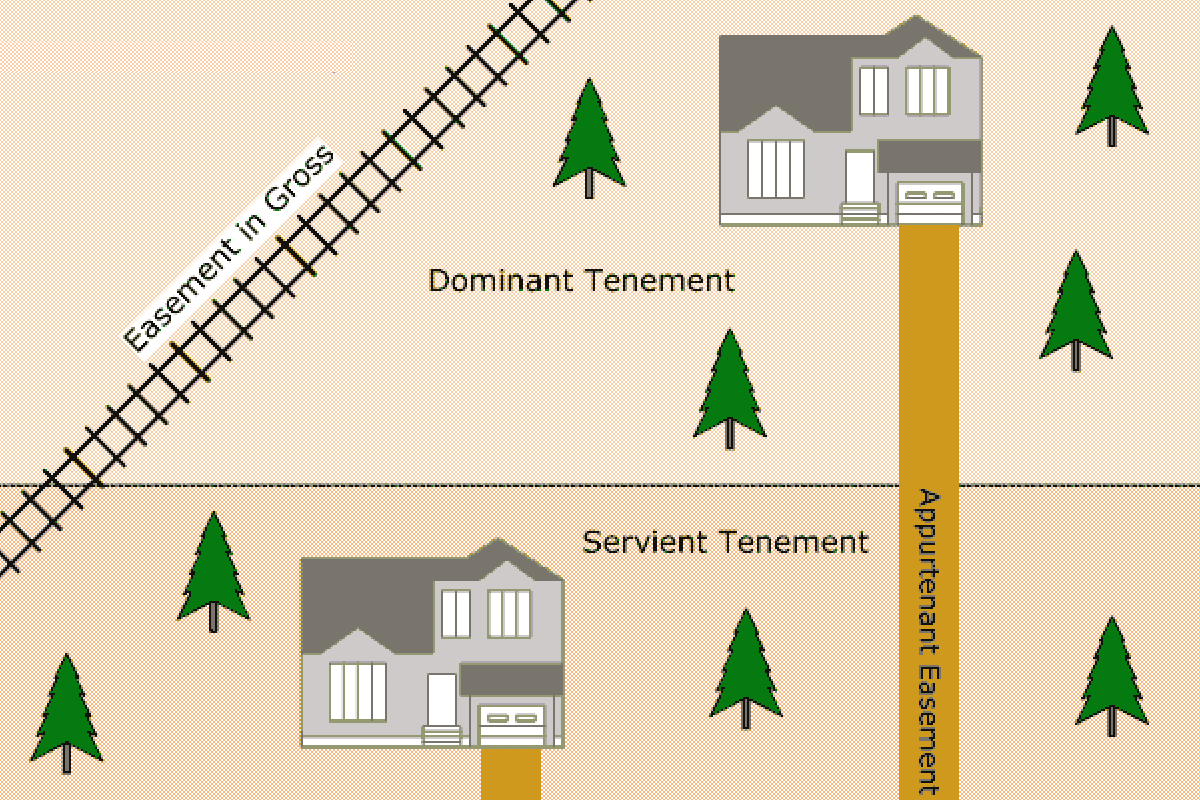
At its heart, an easement grants a specific right to use or access another person’s land for a particular purpose, without conveying ownership of that land. This non-possessory interest can appear deceptively simple, yet its financial ramifications for both the dominant estate (the party benefiting from the easement) and the servient estate (the property burdened by the easement) are profound. For the servient landowner, an easement can represent a perpetual limitation on their property rights, potentially diminishing its market appeal and utility. Conversely, for the dominant landowner, an easement can be an invaluable asset, providing necessary access or utility services that enhance their property’s functionality and, by extension, its financial value.
Defining Easements Beyond Legal Jargon
An easement is essentially a right to cross or otherwise use someone else’s land for a specified purpose. It is typically recorded with the county land records, making it a legal encumbrance that “runs with the land.” This means that the easement is not tied to the individual owners but rather to the properties themselves. When a property with an easement is sold, the easement typically transfers with it. This permanence is a key factor in its financial impact. Unlike a mere license, which can be revoked at will, an easement is a more enduring legal right. From a financial perspective, this enduring nature means that any impact, positive or negative, on property value or usability is long-term and must be factored into all financial analyses related to the property. Investors, in particular, must perform meticulous due diligence to uncover any existing easements, as these can drastically alter the projected return on investment or development costs.
How Easements Restrict Property Rights (and Value)
For the owner of the servient estate, an easement imposes a limitation on their ability to fully use and enjoy a portion of their property. This restriction can manifest in various ways, each carrying distinct financial consequences. For instance, a utility easement might prevent a homeowner from building a swimming pool or an extension over underground pipes, limiting their ability to enhance their property or maximize its habitable space. A driveway easement could mean a portion of one’s land is perpetually used by a neighbor, potentially reducing privacy or perceived aesthetic value, which are factors buyers often consider when evaluating offers.
The most direct financial impact often comes through property valuation. Appraisers must consider all encumbrances, including easements, when determining a property’s fair market value. A property burdened by an easement may fetch a lower price on the open market compared to an unencumbered equivalent, simply because the buyer acquires fewer rights. This ‘discount’ reflects the diminished utility, privacy, or development potential. For a seller, understanding this potential reduction is crucial for setting realistic asking prices and managing expectations. For a buyer, identifying existing easements can be a powerful negotiation tool, potentially leading to a more favorable purchase price.
Types of Easements and Their Monetary Impact
Easements are not monolithic; they come in various forms, each with unique origins and financial implications. Understanding these distinctions is crucial for property owners, investors, and anyone engaged in real estate transactions.
Utility Easements: Public Service, Private Cost Implications
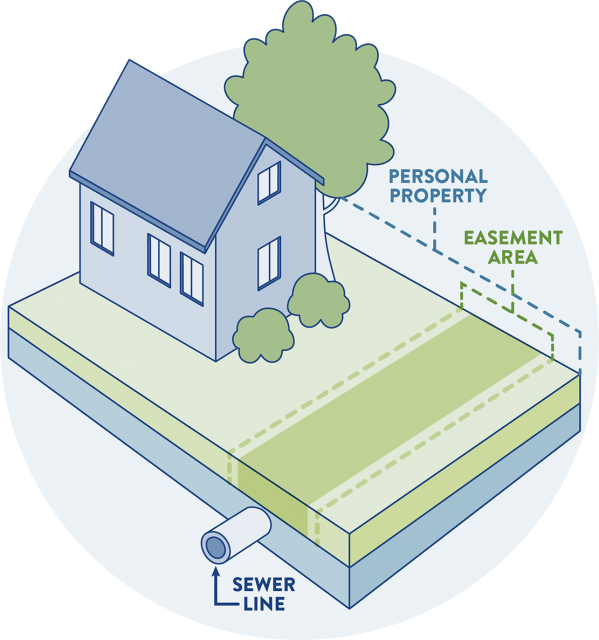
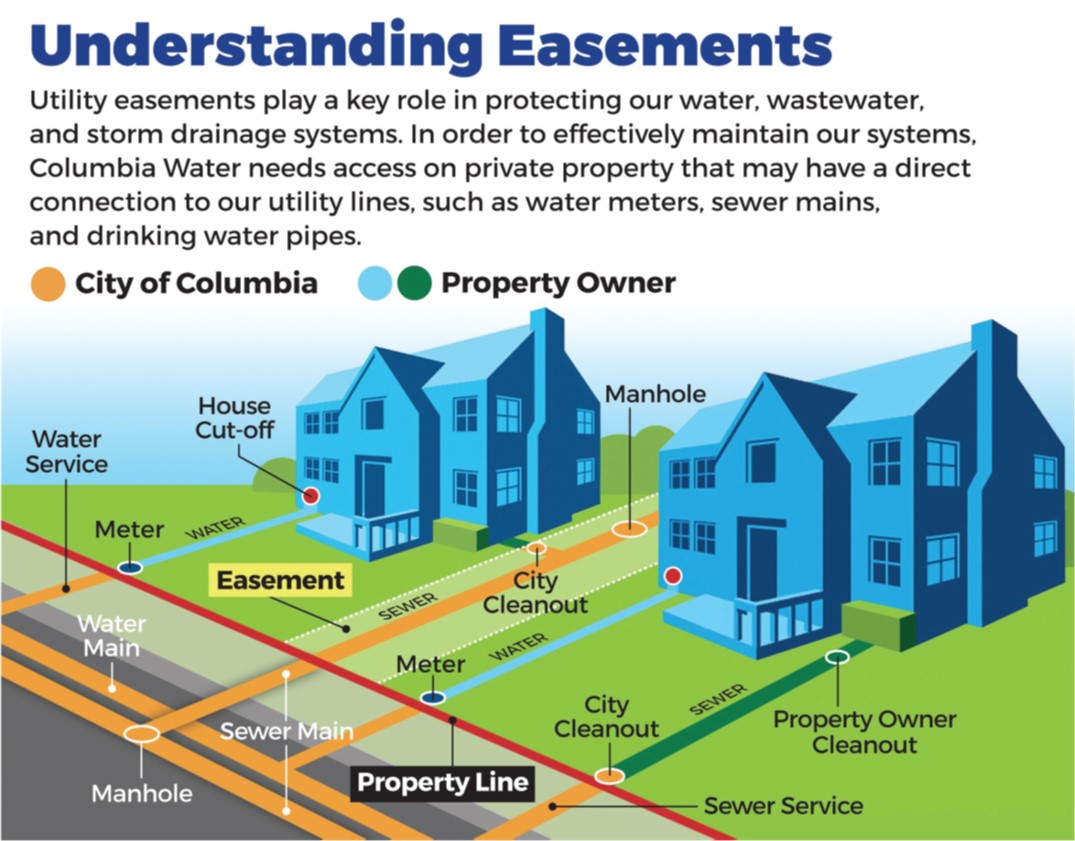
Perhaps the most common type, utility easements grant public utility companies the right to access a portion of private land to install, maintain, or repair infrastructure like power lines, water pipes, sewer lines, or communication cables. While these easements are vital for community services, they place significant restrictions on the servient landowner. Financially, this means a portion of your property, for which you pay taxes, may not be fully usable for personal or commercial development. You cannot typically build permanent structures, plant deep-rooted trees, or make significant alterations in an easement area that would impede utility access. This directly impacts the usable square footage of your lot, which appraisers factor into their valuation, often leading to a lower per-square-foot valuation for the property as a whole. Maintenance of the land within the easement often remains the homeowner’s responsibility, adding an ongoing, albeit minor, financial burden without the benefit of full control.
Private Easements: Shared Use, Shared Financial Burden
Private easements involve two or more private property owners. Common examples include shared driveways, access easements (granting a landlocked parcel access through a neighbor’s property), or party wall easements. The financial implications here often revolve around maintenance costs and potential disputes. A shared driveway, for example, might necessitate an agreement for snow removal, resurfacing, and repairs, leading to shared financial responsibility. Without clear agreements, these shared costs can become sources of contention and potential legal expenses. For the servient estate, the perpetual nature of allowing a neighbor access can reduce privacy and increase wear and tear on shared infrastructure, costs that need to be weighed. For the dominant estate, the financial benefit is clear: access to their property, which would otherwise be significantly devalued.
Easements by Necessity or Prescription: Unforeseen Financial Encumbrances
Easements can also arise not from explicit agreement but from circumstances or long-term use. An easement by necessity typically occurs when a parcel of land is “landlocked” without any public road access. A court might grant an easement across a neighboring property to provide essential access, ensuring the landlocked parcel remains viable and taxable. While this ensures a property isn’t rendered worthless, it imposes an unexpected encumbrance on the servient estate, potentially without direct compensation.
Easements by prescription are akin to adverse possession, arising from open, notorious, continuous, and adverse use of another’s land for a legally specified period (which varies by state). This type of easement can be particularly financially disruptive as it arises from unpermitted use and can lead to complex and costly legal battles to either establish or dispute the right. Property owners must be vigilant to prevent prescriptive easements from forming, as resolving them often involves significant legal fees, potentially impacting property value and liquidity.
Conservation Easements: Tax Benefits vs. Development Restrictions
Conservation easements are a unique category, often entered into voluntarily by landowners. These easements restrict future development on a property to preserve its natural, scenic, historical, or open-space values. While they impose significant restrictions on what can be done with the land, they also offer substantial financial incentives, primarily in the form of income tax deductions, estate tax reductions, and property tax benefits. For landowners with large tracts, a conservation easement can be a powerful financial planning tool, allowing them to monetize a portion of their property’s development rights without selling the land outright, thereby preserving family heritage while generating tax savings. However, it permanently limits the land’s future market potential for development, a trade-off that requires careful financial analysis.
Easements in Property Transactions: Buying, Selling, and Valuation
The presence of an easement profoundly impacts how properties are bought, sold, and appraised. For all parties involved in a transaction, a thorough understanding of existing easements is not just a legal formality but a critical financial safeguard.
Due Diligence for Buyers: Protecting Your Investment
For a prospective buyer, discovering easements is a fundamental part of the due diligence process. Overlooking an easement can lead to unforeseen financial liabilities, restricted use of the property, or diminished resale value. A comprehensive title search is paramount, as it should reveal all recorded easements. Beyond the title report, buyers should review the survey to visualize the physical location of easements on the property.
Financially, a buyer needs to assess:
- Impact on Desired Use: Will the easement prevent planned renovations, additions, or commercial activities?
- Maintenance Costs: Are there any ongoing financial responsibilities associated with the easement (e.g., shared driveway maintenance)?
- Resale Value: How will the easement affect the property’s marketability and value when it comes time to sell?
- Insurance Implications: Does the easement affect the insurability of any planned structures or activities?
A clear understanding allows the buyer to either walk away from a deal, negotiate a lower purchase price, or proceed with eyes wide open, having fully accounted for the easement’s financial implications in their investment strategy.
Selling with an Easement: Navigating the Market Impact
Sellers of properties encumbered by easements face the challenge of accurately pricing their asset and effectively communicating its limitations to potential buyers. Transparency is key, not only legally but also financially. Disclosing all known easements upfront helps build trust and prevents costly legal disputes down the line. Sellers should understand that easements can deter some buyers, especially those looking for unconstrained development potential. Therefore, a property with a significant easement might command a lower price than a comparable unencumbered property. Marketing strategies might need to highlight other desirable features of the property to offset the perceived negative impact of the easement. Consulting with an experienced real estate agent who understands the local market and how easements influence property values is invaluable for setting a competitive and realistic asking price.
Appraisal and Easements: How Value is Assessed
Property appraisers are tasked with providing an unbiased opinion of value, and easements are a critical factor in their assessment. An appraiser will analyze the type, location, and extent of the easement, considering how it restricts the use, enjoyment, and development potential of the servient estate. For example, a utility easement running along the very edge of a large lot might have minimal impact on value, whereas an easement cutting directly through the middle of a buildable area could significantly reduce it. Appraisers compare the subject property to similar, recently sold properties (comparables), adjusting for differences. If comparables without easements are used, the appraiser will apply a downward adjustment to account for the diminished utility or marketability caused by the easement on the subject property. This direct impact on appraised value has implications for mortgage lending, as lenders typically base loan amounts on the appraised value.
Insurance Implications: Mitigating Financial Risk
Easements can also have implications for property insurance. While standard homeowner’s insurance covers risks like fire or theft, specific situations related to easements might require specialized coverage or careful review of policy exclusions. For instance, if an easement allows public access, it might increase the homeowner’s liability risk if someone is injured on that portion of the property. Homeowners should consult with their insurance provider to understand how easements affect their coverage and whether additional liability insurance or an umbrella policy is warranted to mitigate potential financial exposure from incidents occurring on the easement area. Investing in appropriate insurance is a critical financial safeguard against unforeseen legal or personal injury claims.
Managing and Resolving Easement Issues: Financial Strategies
Easements, while often permanent, are not always static or undisputed. Property owners may find themselves needing to manage, modify, or even terminate an easement, each path carrying its own financial considerations and requiring strategic planning.
Negotiation and Compensation: Seeking Financial Remedy
If an easement is proposed or if existing terms are unfavorable, negotiation is often the first step. For property owners whose land is being considered for a new utility easement, for instance, there is often an opportunity to negotiate compensation. This compensation should reflect not only the immediate loss of use but also the potential long-term impact on property value, aesthetic appeal, and future development opportunities. An owner might seek payment for the land area encumbered, damages for disruption during installation, and possibly a premium for the inconvenience and permanent restriction. Engaging a real estate attorney and an independent appraiser can be a wise financial investment to ensure fair compensation and protect one’s financial interests during such negotiations.
Easement Termination: A Path to Unlocking Property Value
While easements are generally intended to be permanent, they can sometimes be terminated, thereby potentially “unlocking” value or reducing financial burdens on the servient estate. Common methods of termination include:
- Merger: If the same person or entity acquires both the dominant and servient estates, the need for the easement ceases, and it merges into the larger property.
- Release: The dominant easement holder can formally release their rights, usually through a recorded document, often in exchange for financial consideration.
- Abandonment: If the dominant easement holder clearly demonstrates an intent to abandon the easement through non-use and other actions, it may be terminated, though this can be difficult to prove.
- Necessity Ceases: For easements by necessity, if the necessity no longer exists (e.g., a new road provides access to the previously landlocked parcel), the easement may terminate.
Each of these termination methods often involves legal costs, including attorney fees for drafting and recording documents or litigating disputes. However, the financial benefit of removing an encumbrance—potentially increasing market value and development options—can far outweigh these expenses.
Legal and Professional Costs: Budgeting for Expertise
Any significant engagement with easement issues—be it negotiation, dispute resolution, or termination—almost invariably involves legal and professional costs. Hiring a real estate attorney specializing in property law is crucial for understanding rights, drafting agreements, and navigating complex legal processes. Additionally, surveyors may be needed to accurately delineate easement boundaries, and appraisers can provide expert opinions on valuation impacts. These costs should be factored into any financial strategy concerning easements. While they represent an outflow of cash, they are often a necessary investment to protect or enhance a property’s long-term financial viability and to avoid potentially much larger financial losses or protracted disputes.
Long-Term Financial Planning with Easements
For property owners and investors, easements are not merely transactional details but fundamental elements that must be integrated into long-term financial planning, influencing everything from investment strategy to estate management.
Investment Properties and Easements: Risk and Return
For real estate investors, a thorough understanding of easements is paramount. An easement can profoundly influence the risk-adjusted return of an investment property. A property with a significant easement might be acquired at a lower cost, which could seem attractive, but the ongoing restrictions might limit its income-generating potential (e.g., inability to expand a rental unit) or future appreciation. Investors must assess whether the discounted purchase price sufficiently compensates for the diminished utility, potential development constraints, and any ongoing financial obligations. Furthermore, easements can affect financing options, as lenders may view properties with significant encumbrances as higher risk. Strategic investors will factor these elements into their cash flow projections, exit strategy, and overall portfolio management.
Estate Planning Considerations
Easements also play a role in estate planning. When passing property to heirs, the existence of easements should be clearly documented and understood within the estate plan. An easement can affect the overall value of the estate for tax purposes and can impact how heirs choose to use or develop the inherited land. Transparently addressing easements in wills and trusts can prevent future family disputes and ensure that the property’s financial realities are clearly communicated to future generations. For example, a conservation easement might be an intentional part of an estate plan to reduce estate taxes while preserving land, but its implications for future use must be explicitly understood by beneficiaries.
Future Development and Easement Constraints
Any long-term financial plan for a property that includes future development or significant alteration must meticulously consider existing easements. Easements dictate where and how structures can be built, utilities can be run, or landscaping can be installed. Overlooking an easement during planning can lead to costly redesigns, legal battles, or even the inability to execute a desired development project. Investors and homeowners planning major capital improvements must obtain current surveys and thoroughly review all title documents to identify and understand the scope of any easements before committing significant financial resources to a project. Integrating easement considerations early in the planning process can save substantial time, money, and stress, ensuring that development aligns with legal realities and maximizes the financial potential of the property.
aViewFromTheCave is a participant in the Amazon Services LLC Associates Program, an affiliate advertising program designed to provide a means for sites to earn advertising fees by advertising and linking to Amazon.com. Amazon, the Amazon logo, AmazonSupply, and the AmazonSupply logo are trademarks of Amazon.com, Inc. or its affiliates. As an Amazon Associate we earn affiliate commissions from qualifying purchases.