
Navigating the landscape of health insurance options is a critical component of sound personal financial planning. Among the myriad choices, the Preferred Provider Organization (PPO) stands out as one of the most popular and often misunderstood types of health plans. Understanding a PPO is not just about medical coverage; it’s about making an informed financial decision that impacts your monthly budget, your out-of-pocket expenses, and your access to healthcare services. For many, a PPO represents a balance between flexibility and cost control, offering a distinct approach to managing health-related financial risks.
Understanding PPO Health Insurance
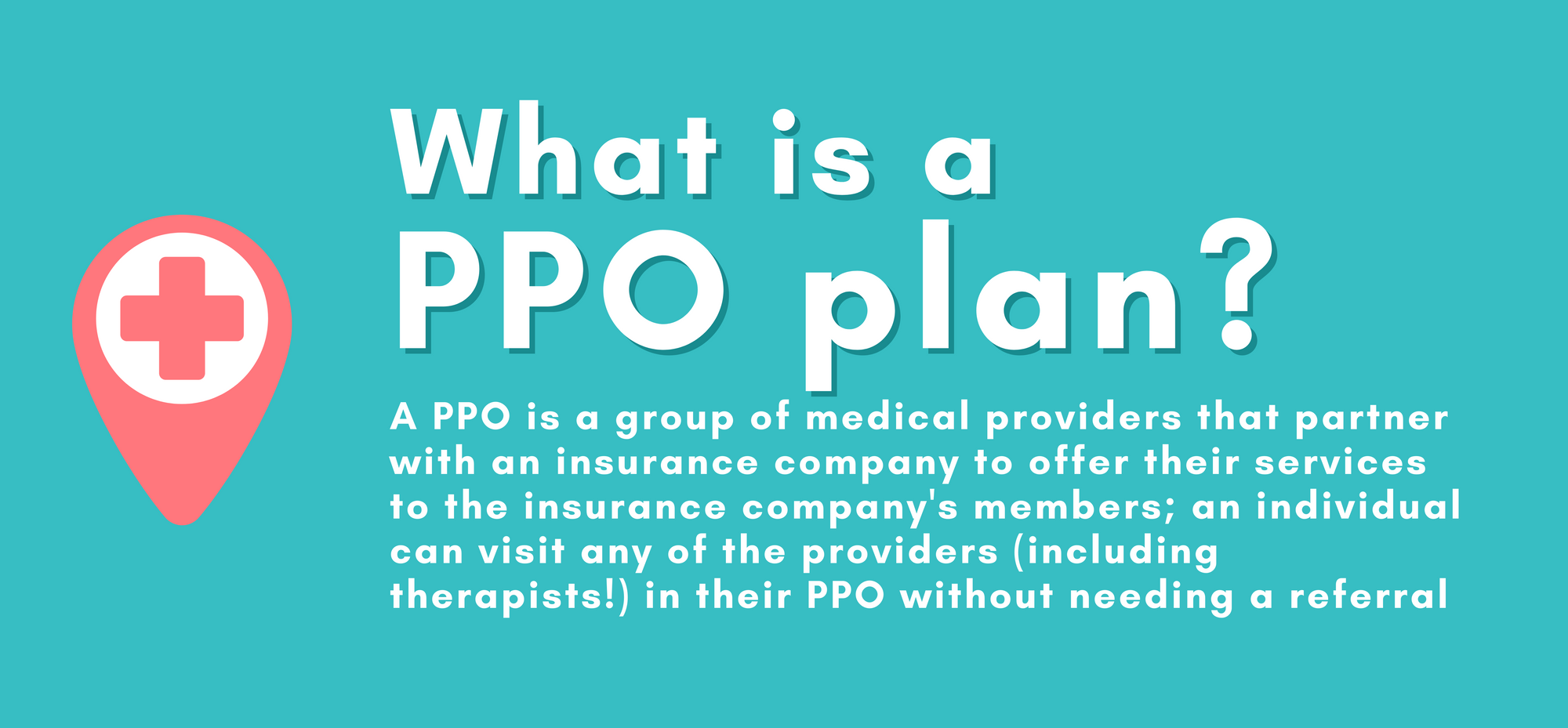
At its core, a PPO plan offers a network of healthcare providers—doctors, hospitals, clinics, and specialists—who have agreed to provide services to plan members at negotiated rates. This network is the foundation of the PPO model, but critically, it doesn’t restrict your choices exclusively to these providers. This flexibility is a hallmark of PPOs and a significant factor in their financial appeal for many individuals and families. The “preferred” in Preferred Provider Organization refers to this established network, incentivizing members to utilize these providers for cost savings.

How PPOs Work
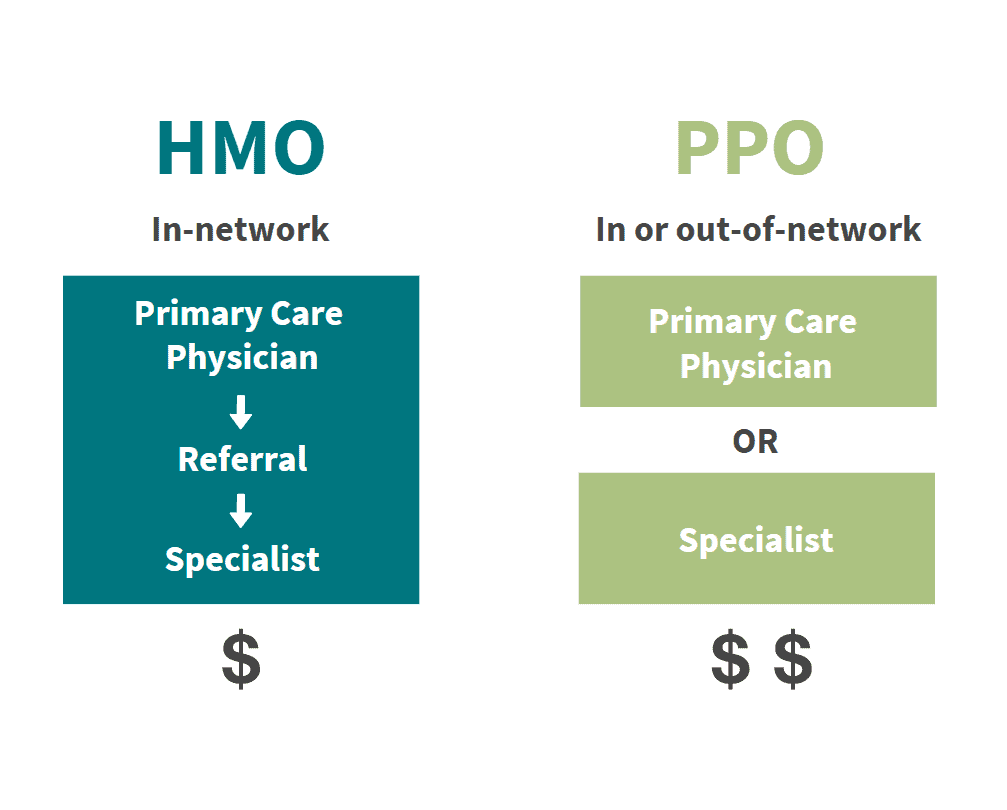
When you enroll in a PPO plan, you gain access to a roster of contracted providers. The financial mechanism is straightforward: when you visit a doctor or specialist within this network, your out-of-pocket costs—such as co-payments or coinsurance—are typically lower. You do not need to select a primary care physician (PCP) to coordinate your care, nor do you typically need a referral from a PCP to see a specialist. This direct access to specialists can be a significant financial advantage, saving both time and potential co-pays for unnecessary PCP visits when you know you need specialized care.
However, PPOs also offer the option to receive care from providers outside their network. This is where the financial implications become more pronounced. While you still receive some level of coverage for out-of-network services, your portion of the cost will be significantly higher. This often manifests as a higher deductible, increased coinsurance percentages, or a completely different set of co-pays. The plan’s financial design encourages the use of in-network providers through these cost differentials, aligning with the insurer’s goal to manage overall healthcare expenditures through negotiated rates.
Key Characteristics of PPOs
Several defining features set PPOs apart and are crucial for financial evaluation. First, the emphasis on choice. Unlike more restrictive plans, PPOs empower members to choose their healthcare providers, whether they are in-network or not. This is particularly valuable for individuals who have established relationships with specific doctors or who require specialized care from providers outside a standard network.
Second, PPOs eliminate the gatekeeper function of a PCP. This means you can directly schedule appointments with specialists—like dermatologists, cardiologists, or orthopedists—without first obtaining a referral from a general practitioner. For those with chronic conditions or specific ongoing medical needs, this direct access can streamline care and potentially reduce overall medical expenses by avoiding intermediate appointments.
Third, PPOs typically feature a tiered cost-sharing structure. Services received from in-network providers are covered at a higher percentage after your deductible is met, often with predictable co-payments for routine visits. Out-of-network services, while covered, will involve higher cost-sharing, making careful financial consideration essential if you plan to utilize providers outside the preferred network. Understanding these tiers is vital for budgeting healthcare expenses effectively.
The Financial Advantages of a PPO
For many individuals and families, the financial structure of a PPO plan aligns well with specific lifestyle and healthcare needs, offering distinct benefits that can contribute to overall financial well-being and peace of mind. The primary advantage revolves around flexibility, which, when translated into healthcare access, can have significant financial implications.
Flexibility and Choice
The freedom to choose your own healthcare providers, including specialists, without needing a referral is a major financial advantage of a PPO. For those who travel frequently, live in areas with limited network options for certain specialties, or have specific medical conditions requiring a particular specialist who might not be in a restrictive network, a PPO offers invaluable peace of mind. This flexibility means you are less likely to incur 100% out-of-pocket costs if a preferred provider is not available in-network, as you still receive partial coverage. This can protect against unexpected financial burdens stemming from forced provider changes or limited access.
Furthermore, if you have established relationships with doctors you trust and wish to continue seeing them, a PPO can accommodate this, even if they are not part of the “preferred” network. While it might mean higher out-of-pocket costs, for some, the value of continuity of care and physician preference outweighs the additional expense. This is a personal financial trade-off that many are willing to make to maintain the quality and consistency of their healthcare. The ability to make this choice empowers the individual, putting them in control of their healthcare spending decisions to a greater degree than more restrictive plans.
Predictable Costs (Mostly)
While PPOs are often associated with higher premiums than some other plan types, their in-network cost structure can offer a good degree of predictability for routine medical expenses. Once your deductible is met, many services, especially from in-network providers, are covered at a set coinsurance rate (e.g., the plan pays 80%, you pay 20%) or a fixed co-payment. This allows for better budgeting for regular doctor visits, prescriptions, and scheduled procedures. Knowing your co-payment for a doctor’s visit, for example, helps in planning monthly or annual healthcare expenditures.
The presence of an out-of-pocket maximum is another significant financial safeguard. This cap on how much you will personally pay for covered medical expenses in a year (excluding premiums) provides crucial protection against catastrophic healthcare costs. Once this maximum is reached, the insurance plan typically pays 100% of all subsequent covered medical expenses for the remainder of the policy year. This financial ceiling is a vital component of a PPO, offering financial security and preventing medical emergencies from completely derailing personal finances. It provides a clear limit to your financial exposure, which is a powerful tool for risk management in personal finance.
Weighing the Costs and Benefits
Choosing a health insurance plan is a complex financial decision that requires a careful analysis of the costs versus the benefits. For PPO plans, this evaluation is particularly important due to their characteristic trade-off: greater flexibility often comes with higher upfront costs. Understanding the interplay of premiums, deductibles, coinsurance, and out-of-pocket maximums is key to determining if a PPO offers the best financial value for your individual circumstances.
Premiums and Deductibles
The premium is the fixed amount you pay monthly or annually to maintain your health insurance coverage, regardless of whether you use medical services. Generally, PPO plans tend to have higher premiums compared to more restrictive plans like Health Maintenance Organizations (HMOs). This higher premium is essentially the cost of the added flexibility and choice that PPOs provide. For individuals and families on a tight budget, a higher monthly premium can be a significant financial strain, even if the long-term benefits of flexibility are appealing. Therefore, evaluating if the added monthly cost justifies the potential benefits of choice and access is paramount.
The deductible is the amount you must pay for covered healthcare services before your insurance plan starts to pay. PPO deductibles can vary widely, from a few hundred dollars to several thousand. High-deductible PPO plans, while potentially offering lower premiums, mean you will bear more of the initial costs out-of-pocket before your coinsurance kicks in. When assessing a PPO, it’s crucial to consider your typical healthcare utilization. If you anticipate frequent doctor visits or potential procedures, a lower deductible PPO might be more financially advantageous despite its higher premium. Conversely, if you are generally healthy and rarely visit the doctor, a high-deductible PPO with a lower premium could save you money, provided you have an emergency fund to cover the deductible if an unexpected health issue arises.
Out-of-Pocket Maximums and Coinsurance
Beyond the deductible, coinsurance is your share of the cost for covered services after your deductible has been met. For instance, an 80/20 coinsurance means your plan pays 80% and you pay 20% until you reach your out-of-pocket maximum. In PPO plans, there are typically separate coinsurance rates for in-network and out-of-network providers, with the latter usually being much higher (e.g., 60/40 or even 50/50, or sometimes no out-of-network coverage at all for certain services). Understanding these percentages is vital for estimating potential costs, especially if you foresee needing to use out-of-network specialists.
The out-of-pocket maximum is a critical financial protection mechanism. This is the absolute most you will have to pay for covered services in a plan year, including deductibles, co-payments, and coinsurance amounts (but not premiums). Once you hit this limit, your insurance plan pays 100% of all subsequent covered medical costs for the rest of the year. This maximum provides a financial ceiling, offering immense peace of mind against unforeseen catastrophic medical events that could otherwise devastate personal finances. When comparing PPO options, scrutinize the out-of-pocket maximum. A lower maximum offers greater financial security, but it often corresponds with higher premiums or deductibles. Balancing this maximum with your risk tolerance and financial capacity is a cornerstone of selecting the right PPO plan.
Is a PPO Right for Your Financial Situation?
Deciding whether a PPO health insurance plan is the optimal choice for your financial situation involves more than just looking at the monthly premium. It requires a holistic view of your health needs, financial capacity, and preferences for healthcare access. A PPO is a financial tool, and like any tool, its effectiveness depends on how well it fits the specific circumstances and goals of its user.
Ideal Candidates for PPOs
A PPO typically presents the best financial value for individuals and families who prioritize flexibility and choice in their healthcare providers. This includes those who:
- Have established relationships with specific doctors or specialists: If your preferred medical professionals are not within a specific network or are outside the network of more restrictive plans, a PPO allows you to continue seeing them, albeit potentially at a higher cost for out-of-network care. This continuity can be invaluable for chronic conditions or specialized treatments.
- Anticipate needing specialist care frequently: Without the need for a PCP referral, direct access to specialists can save both time and potential co-pays for initial consultations with a general practitioner. This streamlined access can result in more efficient and potentially less costly care over time for those with ongoing specialist needs.
- Travel frequently or live in multiple locations: The broader network and out-of-network coverage offered by PPOs can be a significant advantage, ensuring access to care no matter where you are, reducing the risk of being completely uncovered when away from home.
- Value freedom of choice and are willing to pay a higher premium for it: For those with the financial capacity to afford higher monthly premiums, the peace of mind and control offered by a PPO can be a worthwhile investment.
- Seek protection against catastrophic health events: While premiums might be higher, the out-of-pocket maximum characteristic of PPOs offers a strong financial safeguard against financially crippling medical bills from serious illnesses or accidents.
Comparing PPOs with Other Plans
When making a financial decision about health insurance, it’s crucial to compare PPOs against other plan types, notably Health Maintenance Organizations (HMOs) and Exclusive Provider Organizations (EPOs).
- PPO vs. HMO: HMOs generally have lower premiums and often lower deductibles and co-pays, but they come with significant restrictions. You must choose a PCP within the network, and all specialist visits require a referral from your PCP. There is typically no coverage for out-of-network care except in emergencies. For individuals who are comfortable with these restrictions and prioritize lower monthly costs, an HMO can be a more financially attractive option. However, if you value direct access to specialists and out-of-network options, the higher cost of a PPO might be justified.
- PPO vs. EPO: EPOs offer a middle ground. Like PPOs, you don’t need a PCP referral to see specialists. However, similar to HMOs, EPOs typically do not cover out-of-network care except in emergencies. This makes EPOs less flexible than PPOs but generally more flexible than HMOs, often with premiums that are lower than PPOs but higher than HMOs. For those who want specialist access without referrals but are comfortable with an exclusive network, an EPO can be a financially sound compromise.
Ultimately, the choice of a PPO plan is a personal financial decision. It requires careful consideration of your budget, your expected medical needs, your preference for flexibility, and your tolerance for risk. By thoroughly understanding the financial mechanics and comparing them to alternative plans, you can select the health insurance that best supports your personal financial health and long-term well-being.
aViewFromTheCave is a participant in the Amazon Services LLC Associates Program, an affiliate advertising program designed to provide a means for sites to earn advertising fees by advertising and linking to Amazon.com. Amazon, the Amazon logo, AmazonSupply, and the AmazonSupply logo are trademarks of Amazon.com, Inc. or its affiliates. As an Amazon Associate we earn affiliate commissions from qualifying purchases.