
At first glance, a Physician Orders for Life-Sustaining Treatment (POLST) form might appear to be a purely medical document, confined to the clinical realm of patient care and end-of-life decisions. However, a deeper examination reveals its profound and often overlooked financial implications, positioning it as an indispensable component of comprehensive personal financial planning. For individuals and families navigating the complexities of healthcare costs, estate preservation, and intergenerational wealth transfer, understanding and effectively utilizing a POLST form can be as critical as drafting a will or setting up a trust. It’s not just about medical preferences; it’s about managing financial resources, mitigating potential debt, and ensuring that an individual’s financial legacy is protected according to their wishes, even in the face of incapacitation or terminal illness.

Beyond Medical Directives: The Financial Ramifications of a POLST
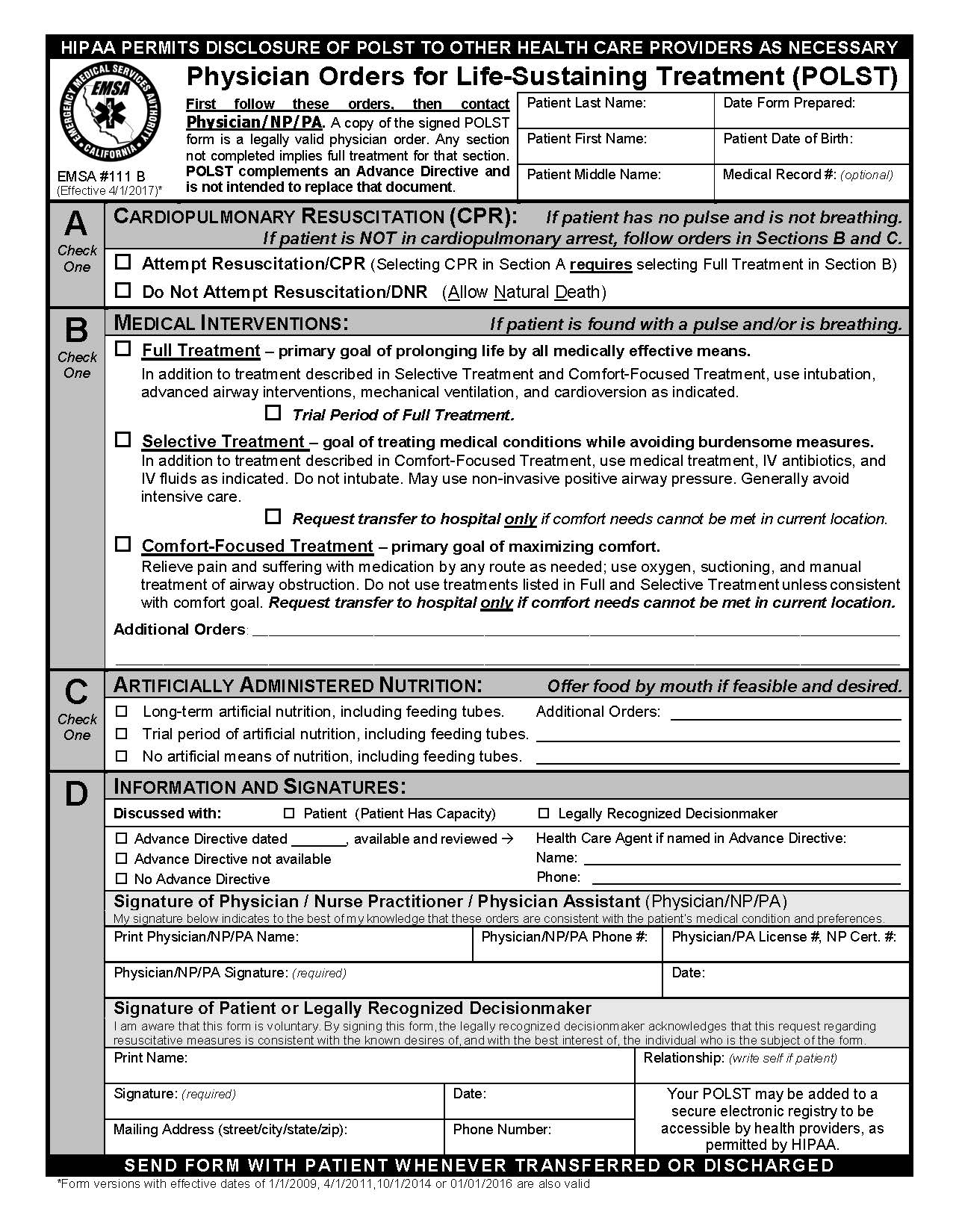
A POLST form is a standardized, actionable medical order signed by a patient (or their legally authorized representative) and a healthcare professional. It translates a patient’s wishes regarding specific life-sustaining treatments—such as resuscitation, mechanical ventilation, artificial nutrition, and hospitalization—into clear medical orders that travel with the patient across different healthcare settings. While its primary purpose is to ensure that medical interventions align with a patient’s values and goals of care, its financial ripple effects are substantial and far-reaching, directly impacting personal finance and the economic well-being of an estate.
Controlling Healthcare Costs Through Informed Decisions
One of the most immediate financial benefits of a POLST form is its ability to directly influence healthcare expenditures. Without clear directives, individuals experiencing a medical crisis may receive every available life-sustaining treatment, regardless of their personal desires or prognosis. This aggressive treatment approach, while sometimes medically necessary, often comes with an exorbitant price tag. Intensive care unit (ICU) stays, prolonged mechanical ventilation, continuous dialysis, and other critical care interventions are among the most expensive components of modern healthcare.
A POLST form empowers individuals to specify which treatments they do not want, thereby preventing the accumulation of massive medical bills for care that is contrary to their wishes. For instance, if a person with a terminal illness opts for comfort measures only and declines resuscitation, the POLST ensures that expensive, invasive procedures like CPR or intubation are not performed. This proactive decision-making not only upholds patient autonomy but also acts as a powerful cost-containment mechanism, reducing the financial burden that otherwise could fall upon the individual’s savings, insurance limits, or, ultimately, their estate.
Avoiding Unwanted Medical Debt for Your Estate
The specter of medical debt is a significant concern for many families. Unpaid medical bills can quickly deplete savings, force families into difficult financial decisions, and even lead to bankruptcy. When an individual passes away with substantial outstanding medical debt, this debt typically becomes a liability of their estate. This means that assets intended for beneficiaries—such as property, investments, or inheritances—may first be used to satisfy these outstanding medical obligations.
By clearly outlining preferences regarding life-sustaining treatments, a POLST form helps to prevent the accumulation of medical debt stemming from unwanted or medically futile interventions. If an individual has expressed a preference to forgo certain aggressive treatments, the POLST form legally directs healthcare providers to honor those wishes, thereby preventing the costs associated with such treatments from ever arising. This proactive measure safeguards an estate’s value, ensuring that assets are preserved for designated heirs and that the deceased’s financial legacy is honored rather than eroded by unexpected medical expenses incurred in their final days or weeks.
POLST as an Integral Part of Holistic Financial Planning
For financial advisors and individuals engaged in comprehensive wealth management, a POLST form should be considered alongside traditional financial planning tools. It extends the reach of an individual’s financial intentions beyond merely the distribution of assets, incorporating their values and preferences regarding care into the overall financial strategy.
Intersecting with Estate Planning Documents (Wills, Trusts)
While a will dictates how assets are distributed after death, and a trust provides mechanisms for managing assets during life and after death, a POLST form addresses the crucial period when an individual might be alive but incapacitated. This period can be financially perilous if not properly planned for. The costs of prolonged, aggressive medical care can quickly deplete even substantial estates, leaving little for beneficiaries.
A POLST complements wills and trusts by ensuring that assets are not unnecessarily expended on medical interventions that an individual would not have wanted. For example, a person might have a revocable living trust designed to pass specific assets to their children. If, in the absence of a POLST, they receive extensive life support for months, the cost could necessitate the liquidation of those very assets, undermining the intent of their trust. The POLST acts as a protective layer, aligning medical decisions with financial preservation goals articulated in other estate planning documents. It ensures that the financial resources intended for legacy and inheritance are conserved, preventing their diversion to unwanted medical services.
Protecting Your Legacy and Beneficiaries
Every individual strives to leave a legacy, whether it’s financial security for their loved ones, philanthropic contributions, or simply peace of mind that their affairs are in order. The financial strain of unexpected and expensive medical care can severely compromise this legacy. Families facing a loved one’s prolonged illness often encounter immense financial stress, including lost wages, travel expenses, and the direct costs of care not covered by insurance.

A POLST form mitigates these risks by reducing the likelihood of prolonged, high-cost medical interventions that are inconsistent with a person’s values. By making these critical decisions in advance, individuals protect their beneficiaries from the financial and emotional burden of managing extensive medical debt or enduring the liquidation of assets meant for their future. It’s a statement of financial responsibility that extends to the ultimate phase of life, reinforcing the desire to protect one’s family from undue economic hardship and to ensure that their carefully planned financial provisions are realized.
The Economic Imperative of Timely POLST Completion
Procrastination in completing advance directives, including POLST forms, is common, often due to the discomfort associated with contemplating end-of-life scenarios. However, from a financial perspective, delaying this crucial step can have significant and adverse economic consequences for individuals and their families.
Reducing Family Financial Strain in Crisis
When a medical crisis strikes and an individual is unable to communicate their wishes, families are often thrust into difficult decision-making roles without clear guidance. This emotional turmoil is frequently compounded by financial uncertainty. Without a POLST, there might be pressure—either from healthcare providers or from differing opinions among family members—to pursue every possible medical intervention, regardless of cost or long-term prognosis.
Such scenarios can lead to substantial financial strain on family members. They might feel obligated to shoulder medical bills, spend countless hours away from work, or even deplete their own savings to support their loved one’s care. A timely completed POLST provides undeniable clarity, reducing the likelihood of expensive, prolonged treatments that don’t align with the individual’s wishes. This clarity translates directly into reduced financial stress for the family, allowing them to focus on emotional support rather than grappling with insurmountable medical bills or agonizing over costly medical choices that may not be desired.
Optimizing Healthcare Spending Aligned with Personal Values
Healthcare is an enormous economic sector, and individual spending within it can be optimized just like any other financial outlay. A POLST form enables individuals to “invest” their healthcare dollars (or their insurance’s dollars) in treatments and care that they genuinely value, while opting out of interventions they consider futile or unwanted. This isn’t about denying care but about directing resources intelligently and ethically.
For instance, if a person prioritizes quality of life and comfort over extending life at any cost, a POLST allows them to specify comfort-focused care. This optimizes healthcare spending by diverting resources away from aggressive, often debilitating, treatments that might not improve quality of life and towards palliative care, hospice services, or other comfort measures that align with their values. From a financial planning perspective, this is akin to tailoring an investment portfolio to match risk tolerance and financial goals; it ensures that resources are allocated effectively to achieve desired outcomes, even in the context of end-of-life care.
Funding End-of-Life Care: How POLST Informs Financial Strategies
The financial planning for end-of-life care is complex, involving various tools and considerations. A POLST form provides the crucial guidance needed to align these financial strategies with an individual’s personal wishes, ensuring that resources are used purposefully.
Aligning Insurance Coverage with Treatment Preferences
Health insurance, including Medicare and private plans, covers a vast array of medical treatments. However, the extent of coverage and the associated out-of-pocket costs can vary dramatically depending on the type and duration of care. A POLST form can help individuals and their financial advisors to strategically align insurance coverage with their documented treatment preferences.
If a POLST indicates a preference for comfort care over aggressive interventions, this information can influence decisions regarding insurance plans, riders, or even the allocation of funds within health savings accounts (HSAs) or flexible spending accounts (FSAs). For example, if extensive life support is declined, there might be less need for a plan with extremely high critical care coverage, potentially allowing for different premium choices or the earmarking of funds for palliative care services not always fully covered by standard plans. Understanding these preferences helps in making informed decisions about long-term care insurance policies or other supplemental coverages that might be more relevant to their stated wishes.
Resource Allocation and Long-Term Care Considerations
Long-term care (LTC) is a significant financial consideration, with costs that can quickly decimate life savings. While LTC insurance helps mitigate these expenses, a POLST form plays a critical role in defining the type and duration of care for which these resources should be allocated. If a POLST specifies that an individual does not wish for prolonged hospitalization or life support in the event of a severe illness, this implicitly guides the financial plan toward managing costs for comfort care, hospice, or home-based support, rather than indefinite institutional care.
This clarity allows for more precise financial modeling and resource allocation. It helps determine how much should be saved or insured for long-term care needs, focusing on care modalities that align with the individual’s wishes. By clearly stating preferences for or against certain life-sustaining treatments, the POLST helps ensure that financial provisions for end-of-life care are spent on what truly matters to the individual, preserving remaining assets for their intended beneficiaries or other financial objectives. In essence, the POLST form transforms abstract financial planning for future healthcare into a concrete strategy tailored to an individual’s deeply held values and financial goals.
aViewFromTheCave is a participant in the Amazon Services LLC Associates Program, an affiliate advertising program designed to provide a means for sites to earn advertising fees by advertising and linking to Amazon.com. Amazon, the Amazon logo, AmazonSupply, and the AmazonSupply logo are trademarks of Amazon.com, Inc. or its affiliates. As an Amazon Associate we earn affiliate commissions from qualifying purchases.