
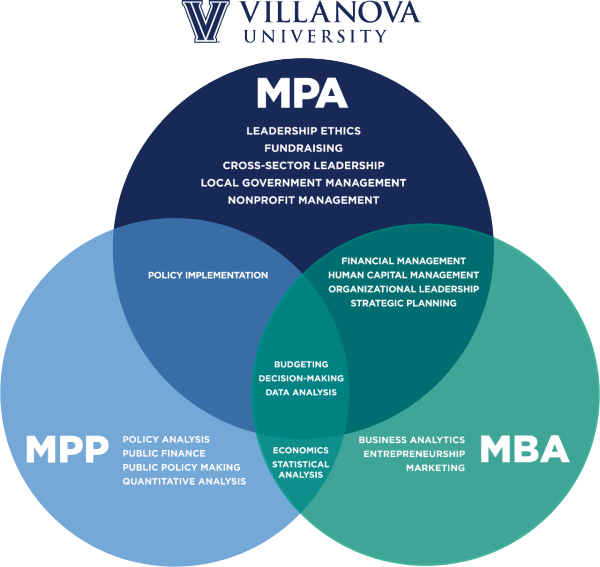
A Master of Public Administration (MPA) degree is a graduate-level professional degree designed to prepare individuals for careers in public service, non-profit management, and government administration. While often perceived solely through the lens of policy and social impact, an MPA program fundamentally equips its graduates with sophisticated skills in financial management, economic analysis, and resource allocation—all critical components within the broader “Money” domain. Graduates emerge with a robust understanding of how to manage public funds, navigate complex budgetary processes, evaluate economic impacts of policies, and ensure fiscal responsibility within organizations that serve the public good.
Navigating Public Finance and Resource Allocation
At its core, an MPA curriculum delves deeply into the intricacies of public finance, distinguishing it significantly from private sector financial management. This specialization provides professionals with the tools to manage vast public resources ethically and efficiently, ensuring accountability to taxpayers and stakeholders.
The Core of Public Sector Financial Management
Public sector financial management involves a unique set of challenges and responsibilities. Unlike corporate finance, where the primary objective is profit maximization, public finance focuses on maximizing public value, achieving social welfare objectives, and ensuring equitable resource distribution. An MPA program typically covers:
- Public Budgeting: This is a cornerstone, teaching students how governmental and non-profit budgets are formulated, approved, executed, and audited. It includes understanding different budgeting models (e.g., line-item, program, zero-based, performance-based budgeting), forecasting revenues, and allocating expenditures across various public services.
- Fiscal Policy: Students learn how governments use taxation and spending to influence the economy. This includes understanding national debt, deficits, economic stabilization, and how fiscal decisions impact inflation, employment, and economic growth. The ability to analyze and recommend sound fiscal policies is crucial for public administrators.
- Government Accounting and Auditing: While not turning graduates into certified public accountants, an MPA provides a strong foundation in governmental accounting principles (GASB standards) and the importance of auditing to ensure transparency, accountability, and compliance with regulations. This understanding is vital for overseeing financial operations and preventing mismanagement.
- Revenue Generation: Beyond taxes, public administrators explore various methods of revenue generation, including user fees, bonds, grants, and public-private partnerships. Understanding these mechanisms and their financial implications is critical for sustainable public service delivery.
Budgeting and Fiscal Policy for the Public Good
Effective budgeting in the public sector is more than just balancing books; it’s a strategic process that reflects an organization’s priorities and values. MPA graduates learn to craft budgets that are financially sound, politically viable, and socially impactful. They are trained to engage stakeholders, negotiate budget proposals, and communicate complex financial information to diverse audiences. The focus extends to performance-based budgeting, where financial allocations are directly linked to measurable outcomes, ensuring that public funds are utilized effectively to achieve specific policy goals, from improving education to enhancing public safety or healthcare access. This direct connection between financial planning and societal impact highlights the unique and profound ‘money’ aspect of an MPA degree.
Economic Impact and Policy Analysis
An MPA degree equips professionals with a strong understanding of economic principles and their application to public policy. This analytical rigor is fundamental for making informed decisions that optimize resource use and achieve desired societal outcomes.
Understanding Market Failures and Government Intervention
A significant part of the economic training in an MPA program revolves around understanding market failures—situations where free markets fail to allocate resources efficiently, leading to sub-optimal outcomes (e.g., pollution, under-provision of public goods, information asymmetry). Graduates learn how and why government intervention (through regulations, subsidies, direct provision of services) can correct these failures and improve social welfare. This involves quantitative analysis of economic models, understanding externalities, and evaluating the efficiency and equity implications of various policy tools. The ability to critically assess when and how to intervene economically is a hallmark of an MPA professional.
Cost-Benefit Analysis in Public Decision-Making

Central to public policy analysis is Cost-Benefit Analysis (CBA). MPA students learn to systematically evaluate the financial and non-financial costs and benefits of public projects, programs, or policies. This includes monetizing intangible benefits (e.g., improved health, reduced crime, environmental quality) and calculating the net present value of investments over time. CBA provides a rigorous framework for making decisions about resource allocation, helping public managers determine whether a project is economically justifiable and offers the best return on public investment. For example, evaluating a new infrastructure project involves not just construction costs but also the economic benefits of increased connectivity, reduced travel time, and job creation, weighed against environmental impacts and potential displacement.
Career Pathways and Financial Rewards
An MPA degree opens doors to a diverse array of roles across government, non-profit, and even private sectors that demand robust financial acumen. While often associated with service, these roles frequently offer competitive salaries and significant opportunities for financial growth and impact.
Earning Potential in Public and Non-Profit Sectors
While individual salaries vary widely based on location, experience, sector, and specific role, MPA graduates generally find competitive compensation. Entry-level positions in federal, state, or local government often start with salaries comparable to or exceeding those in some private sector entry roles, especially when considering comprehensive benefits packages (health insurance, retirement plans, paid time off). Mid-career professionals with an MPA can command significant salaries as agency directors, city managers, budget analysts, policy advisors, or program managers, with salaries often ranging from $70,000 to well over $150,000, particularly in larger municipalities, federal agencies, or well-funded non-profits. The non-profit sector, while sometimes having lower average salaries, offers roles in fundraising, grant management, and executive leadership that can be highly compensated, especially in large national or international organizations.
Beyond Salary: The Value of Public Service Careers
Beyond direct financial compensation, public sector careers offer immense value. Job stability is often higher than in the private sector, and comprehensive benefits packages can significantly enhance overall financial well-being. Public service also provides opportunities for loan forgiveness programs (e.g., Public Service Loan Forgiveness for federal student loans) for eligible graduates, which represents substantial financial relief. Furthermore, the intrinsic reward of contributing to society, solving complex problems, and creating positive change often outweighs purely financial motivations for many MPA professionals.
Entrepreneurship and Consultancy in the Public Realm
An MPA degree isn’t limited to traditional employment. The analytical, managerial, and financial skills cultivated are highly transferable to entrepreneurship within the public and social impact space. Graduates can launch consulting firms specializing in public policy, program evaluation, non-profit strategy, or governmental efficiency. They might found social enterprises, B-corps, or non-profits addressing specific community needs. These entrepreneurial ventures offer the potential for significant financial independence and the ability to scale impact, leveraging their understanding of public finance, grants, and strategic planning to secure funding and drive their missions.
Developing Financial Acumen for Leadership
The MPA curriculum is designed to cultivate leaders who can navigate complex financial landscapes, make strategic decisions, and ensure the long-term sustainability of public and non-profit organizations.
Strategic Financial Planning for Organizations
Leaders with an MPA are adept at more than just managing budgets; they are strategic financial planners. They develop long-term financial forecasts, identify potential fiscal risks, and formulate strategies to ensure an organization’s financial health and capacity to achieve its mission. This involves understanding capital budgeting for large infrastructure projects, debt management, endowment management for non-profits, and contingency planning for economic downturns or unexpected crises. Their financial acumen allows them to steer organizations through periods of austerity and growth alike, making wise investment decisions and ensuring accountability for public funds.

Grant Management and Fundraising Essentials
For many public and non-profit organizations, grants are a critical source of funding. An MPA program often includes training in grant writing, grant management, and fundraising strategies. Students learn how to identify funding opportunities, craft compelling proposals, manage grant budgets, ensure compliance with grantor requirements, and report on outcomes. This skill set is invaluable for securing essential financial resources, which directly impacts an organization’s ability to operate and expand its programs. Moreover, understanding the financial motivations of donors and foundations allows MPA professionals to build sustainable funding models, moving beyond short-term fixes to create lasting financial stability for their respective organizations. This integration of fundraising and financial management highlights how an MPA degree thoroughly embeds “Money” expertise within a public service context.
aViewFromTheCave is a participant in the Amazon Services LLC Associates Program, an affiliate advertising program designed to provide a means for sites to earn advertising fees by advertising and linking to Amazon.com. Amazon, the Amazon logo, AmazonSupply, and the AmazonSupply logo are trademarks of Amazon.com, Inc. or its affiliates. As an Amazon Associate we earn affiliate commissions from qualifying purchases.