
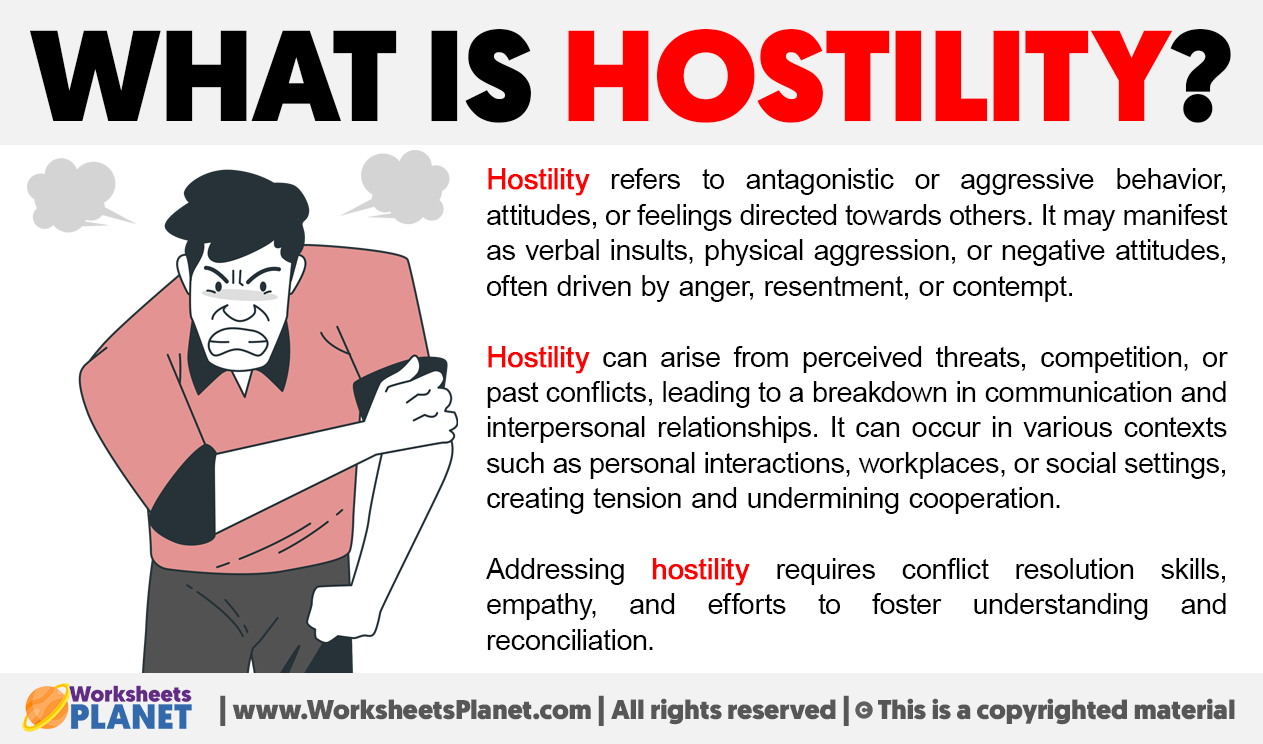
Hostility, in its broadest sense, refers to a deep-seated antagonism, ill-will, or animosity directed towards an individual, group, or entity. It is more profound and often more pervasive than simple disagreement or fleeting anger, characterized by a sustained negative emotional and behavioral stance. While frequently associated with interpersonal conflict, the concept of hostility extends significantly into the realm of brand strategy, corporate identity, and marketing, profoundly influencing how brands are perceived, experienced, and managed. For businesses, understanding the nature, origins, and impact of hostility—whether directed externally by consumers or internally within an organization—is critical for protecting brand equity, fostering a healthy corporate culture, and maintaining market relevance.
The Multifaceted Nature of Hostility in Brand Contexts
Hostility, when viewed through a branding lens, manifests in various forms, each posing unique challenges and requiring tailored strategic responses. It’s not merely a symptom of a problem but often a significant barrier to achieving brand objectives, impacting everything from customer loyalty to employee retention.
Defining Hostility: Beyond Simple Disagreement
At its core, hostility within a brand context signifies a strong, sustained negative sentiment. This is distinct from constructive criticism or a transient customer complaint. Hostility often stems from a perception of fundamental misalignment, injustice, or a violation of trust. It can be born from a single egregious brand misstep, a long history of perceived neglect, or even a clash of values between a brand and its audience. Unlike simple dissatisfaction, hostility often carries an active desire to express disapproval, withdraw support, or even actively undermine the brand’s reputation. For a corporate identity, this means a significant erosion of the positive associations and trust that are painstakingly built over time.
Manifestations of Hostility: From Consumer Backlash to Internal Friction
Hostility can surface both externally and internally, each with distinct implications for a brand:
- Consumer Hostility: This is perhaps the most visible form, emerging as widespread negative sentiment, public condemnation, social media boycotts, or outright rejection of products and services. It can be triggered by perceived ethical lapses, poor product quality, insensitive marketing campaigns, or a perceived lack of corporate social responsibility. The digital age has amplified the speed and reach of consumer hostility, allowing negative experiences and opinions to go viral, causing rapid and severe damage to brand image and market value.
- Internal Hostility: Within an organization, hostility can manifest as workplace toxicity, inter-departmental friction, or a general atmosphere of distrust and negativity among employees. This internal strife, often overlooked in external brand assessments, severely impacts employee morale, productivity, and the ability to consistently deliver on brand promises. A hostile internal environment directly erodes the employer brand, making it difficult to attract and retain top talent, and indirectly harms the external brand by compromising service quality and innovation.
Understanding Consumer Hostility: Threats to Brand Equity
Consumer hostility represents a direct threat to a brand’s most valuable asset: its equity. The emotional connection, trust, and perceived value consumers hold for a brand can unravel rapidly when hostility takes root.
Drivers of Negative Sentiment: Missteps, Values Clashes, and Perceived Injustice
Several factors can fuel consumer hostility:
- Brand Missteps: Product failures, data breaches, insensitive advertising, or poor customer service can all ignite a firestorm of negative sentiment. When a brand fails to meet basic expectations or violates established norms, consumers feel let down, leading to anger and resentment.
- Values Clashes: In an increasingly socially conscious marketplace, consumers expect brands to align with their ethical, environmental, and social values. Brands perceived as being unethical, environmentally irresponsible, or socially unjust can quickly become targets of widespread hostility, regardless of their product quality or service. This is particularly true for personal branding, where an individual’s public stance can alienate significant portions of their audience.
- Perceived Injustice: When consumers feel unfairly treated, exploited, or ignored by a brand, hostility can build. This often relates to pricing strategies, terms and conditions, or the handling of complaints. A lack of transparency or perceived corporate greed can be powerful catalysts.
The Viral Effect: Amplification in the Digital Age
Social media platforms have transformed the landscape of consumer hostility. A single negative experience, once confined to a small circle, can now be amplified globally within hours. Hashtags, viral posts, and online campaigns can quickly coalesce disparate frustrations into a powerful, unified wave of opposition. This amplification not only damages reputation but can also lead to significant financial losses through boycotts and a downturn in sales. Effective digital security and social listening tools are paramount for early detection and mitigation of these threats.
Repairing Brand Trust and Managing Crisis
Addressing consumer hostility requires swift, transparent, and empathetic action. Crisis communication strategies must focus on acknowledging the issue, taking responsibility, and outlining clear steps for resolution. This might involve public apologies, product recalls, policy changes, or significant investments in community initiatives. Rebuilding trust is a long-term endeavor that demands consistent ethical behavior and a genuine commitment to consumer well-being, reinforcing the brand’s core values and corporate identity.
Internal Hostility: Eroding Corporate Identity and Culture
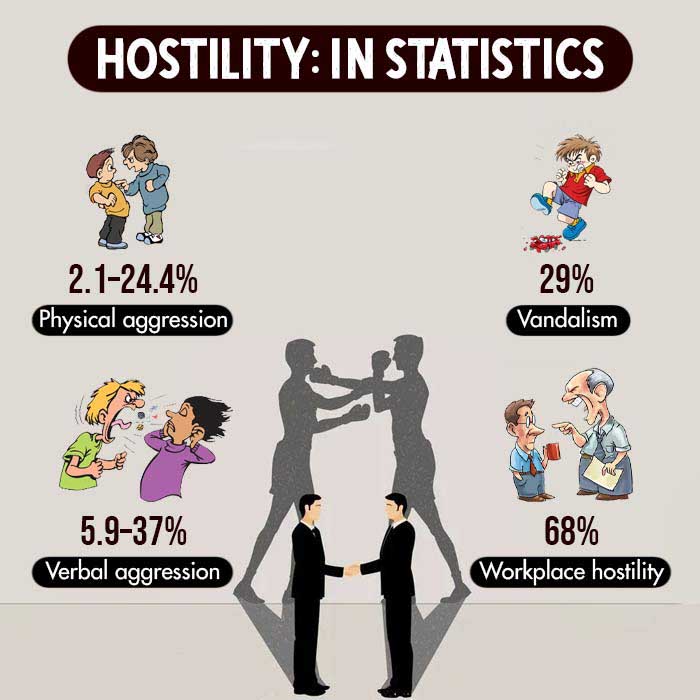
While external hostility is often loudly public, internal hostility can be a silent killer, slowly eroding the foundation of a brand from within. It undermines the very culture that defines a corporate identity and dictates how employees interact with customers and stakeholders.
Workplace Conflict and Toxic Environments
Internal hostility manifests as persistent interpersonal conflicts, lack of collaboration, rumors, bullying, or a general atmosphere of distrust and disrespect. Such environments are often characterized by poor leadership, unclear communication, and a lack of mechanisms for conflict resolution. This toxicity directly contradicts the aspirational values of any positive corporate identity, leading to disengagement and a decline in productivity. An unhealthy internal culture directly jeopardizes the ability to deliver a consistent and positive brand experience externally.
Impact on Employee Morale and Brand Advocacy
Employees operating in a hostile environment experience increased stress, decreased job satisfaction, and a higher likelihood of burnout. This not only impacts individual well-being but also collective performance. Disgruntled employees are less likely to be brand advocates; instead, they may actively or passively undermine the brand through poor service, negative word-of-mouth, or disinterest in their work. This directly contradicts personal branding efforts of individual employees and ultimately impacts the collective corporate identity. High turnover rates resulting from internal hostility also represent significant financial costs in recruitment and training.
Fostering a Culture of Empathy and Respect
Combating internal hostility requires a proactive approach to culture building. This involves strong leadership committed to ethical conduct, transparent communication channels, robust HR policies for conflict resolution, and investment in employee well-being programs. Promoting empathy, psychological safety, and respect for diversity are fundamental in cultivating an environment where employees feel valued and empowered. A positive internal culture strengthens the employer brand, making the organization an attractive place to work and ensuring that employees become powerful, authentic advocates for the corporate identity.
Proactive Strategies for Mitigating Hostility
Addressing hostility effectively requires more than just reactive crisis management; it demands a proactive, integrated approach rooted in strong brand strategy and ethical operations.
Transparent Communication and Active Listening
Brands must prioritize clear, honest, and consistent communication with all stakeholders—consumers, employees, and partners. This includes being upfront about challenges, acknowledging mistakes, and providing regular updates. Equally important is active listening, leveraging social listening tools, customer feedback platforms, and internal surveys to understand sentiment, identify emerging issues, and address concerns before they escalate into full-blown hostility. This continuous dialogue fosters trust and shows a genuine commitment to improvement, which is vital for building resilience into brand equity.
Empowering Customer Service and Conflict Resolution
Customer service teams are often the front line in managing potential consumer hostility. Empowering these teams with the training, tools, and authority to resolve issues quickly and empathetically can de-escalate many situations. For internal conflicts, robust HR frameworks for mediation, clear reporting channels, and a commitment to fair investigation and resolution are essential. Investing in digital security to protect customer data also indirectly prevents hostility arising from breaches. Brands that handle complaints gracefully and effectively reinforce their commitment to customer satisfaction and ethical practice.
Ethical Branding and Social Responsibility
A strong, ethical brand foundation is the best defense against hostility. This involves more than just compliance; it means actively embedding social responsibility, environmental stewardship, and ethical governance into the core of the business model. Brands that genuinely live their values are less likely to incur consumer wrath and are quicker to regain trust if a misstep occurs. Their corporate identity becomes synonymous with integrity, creating a reservoir of goodwill. Similarly, leaders whose personal branding embodies these ethics set a powerful example.

Building Resilience through Strong Brand Values
Ultimately, a brand’s ability to withstand and mitigate hostility comes down to the strength and clarity of its core values. These values should guide every decision, from product development to marketing campaigns to internal policies. When a brand consistently adheres to its values, it builds a reputation for authenticity and reliability, fostering loyalty that can endure through challenging times. This resilience allows brands to navigate hostility, learn from setbacks, and emerge stronger, continuously reinforcing their positive corporate identity in the minds of all stakeholders.
aViewFromTheCave is a participant in the Amazon Services LLC Associates Program, an affiliate advertising program designed to provide a means for sites to earn advertising fees by advertising and linking to Amazon.com. Amazon, the Amazon logo, AmazonSupply, and the AmazonSupply logo are trademarks of Amazon.com, Inc. or its affiliates. As an Amazon Associate we earn affiliate commissions from qualifying purchases.