
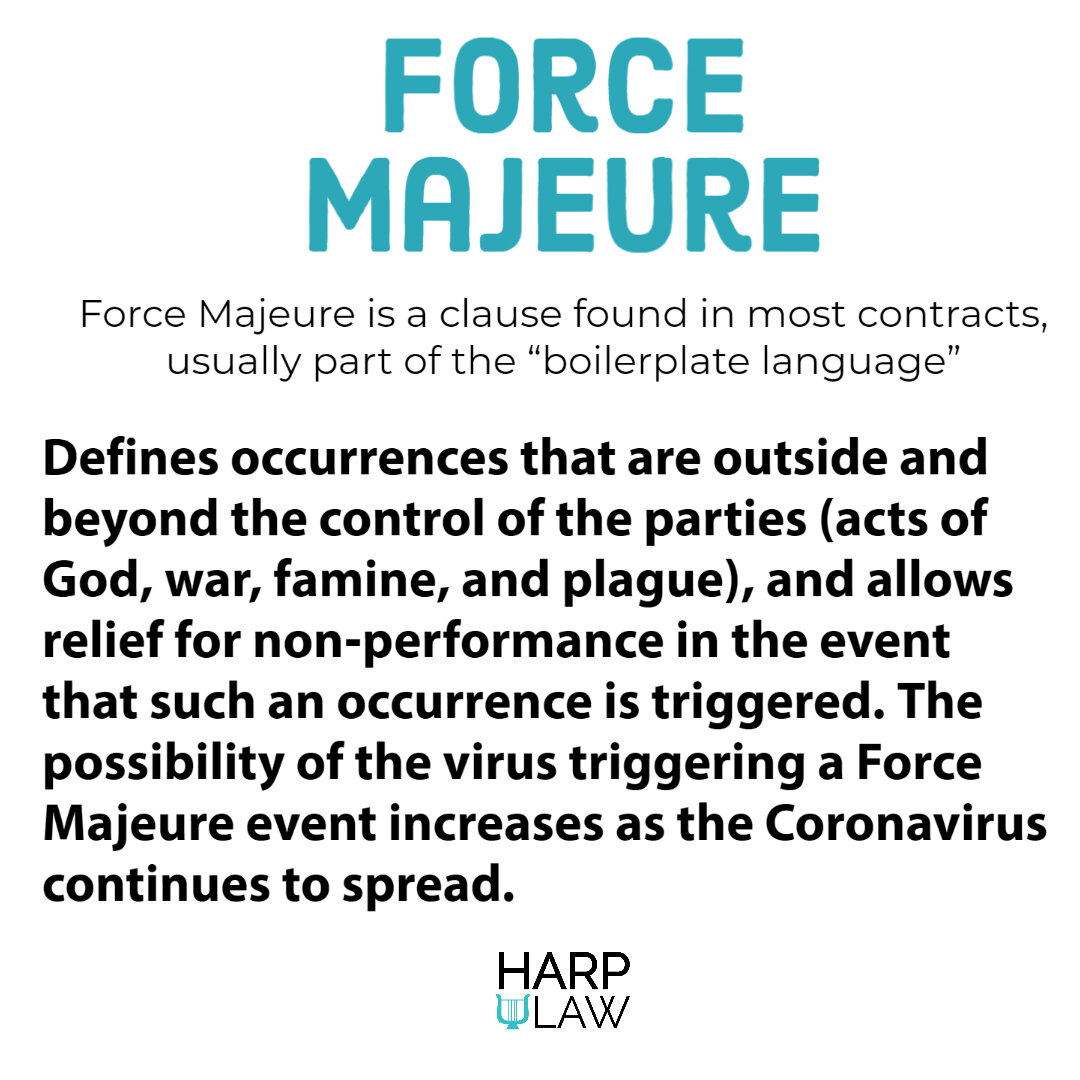
The term “force majeure,” originating from French legal tradition, translates literally to “superior force.” In the context of business finance and contractual law, it refers to a contractual clause that frees both parties from liability or obligation when an extraordinary event or circumstance beyond the control of the parties prevents one or both from fulfilling their obligations. These events must be unforeseeable, unavoidable, and make performance commercially impracticable, illegal, or physically impossible. Understanding the nuances of force majeure is critical for businesses operating in an increasingly volatile global economy, directly impacting financial stability, risk management, and long-term strategic planning.

Understanding the Concept of Force Majeure in Business Finance
For businesses, a force majeure clause is a cornerstone of risk mitigation within contractual agreements. It acts as a protective shield against the financial penalties and liabilities that would typically arise from a breach of contract. Without such a clause, a company unable to meet its obligations due to an unforeseen catastrophe could face significant financial damages, lawsuits, and reputational harm. The application of a force majeure event effectively suspends or terminates contractual performance without fault to either party, thereby preventing the financial burden of non-performance from falling squarely on one side. This ensures a fairer allocation of risk when truly exceptional circumstances arise.
The core principle behind force majeure is to protect parties from events that are truly outside their control and capacity to prevent. This isn’t merely about inconvenience or increased cost; it’s about circumstances that render performance impossible or fundamentally different from what was agreed upon. From a financial perspective, invoking force majeure can prevent cash flow disruptions, avoid litigation costs, protect balance sheets from contingent liabilities, and safeguard future solvency.
Common Triggers and Examples
The specific events that qualify as force majeure are typically enumerated within the clause itself, highlighting why precise drafting is paramount. While there’s no universally exhaustive list, common triggers fall into several broad categories, each carrying significant financial implications:
- Acts of God/Natural Disasters: These include earthquakes, hurricanes, floods, volcanic eruptions, tsunamis, and widespread wildfires. For businesses, such events can destroy assets, disrupt supply chains, damage infrastructure, and prevent employees from working, leading to production halts and delivery failures. The financial impact can be devastating, ranging from property damage losses to business interruption insurance claims, and potential penalties for non-delivery if force majeure is not successfully invoked.
- Wars, Acts of Terrorism, and Civil Unrest: These geopolitical events can severely impact international trade, logistics, and the safety of personnel and assets. Sanctions imposed during conflicts can make certain transactions illegal or impossible. The financial repercussions can include loss of inventory, damage to facilities, inability to access markets, and severe cash flow issues due to halted operations or blocked payments.
- Governmental Actions and Legal Changes: Embargoes, trade restrictions, new regulations, mandatory shutdowns, or expropriation of assets can fundamentally alter a business’s ability to operate or fulfill existing contracts. For instance, a sudden import ban on a critical raw material could prevent a manufacturer from producing goods, while an environmental regulation could necessitate costly operational changes, rendering existing contractual terms uneconomical or impossible. The financial costs here can involve lost sales, compliance expenses, and the write-down of assets.
- Epidemics and Pandemics: As demonstrated by recent global events, widespread diseases can lead to labor shortages, supply chain breakdowns, mandatory lockdowns, and a dramatic shift in consumer demand or operational capacity. Businesses can experience significant revenue loss, increased operational costs due to health and safety measures, and contractual defaults on both the supply and demand sides. The ability to invoke force majeure during such crises can be crucial for survival, preventing immediate financial collapse due to accumulated penalties.
- Labor Strikes and Industrial Action: While sometimes within an organization’s control, widespread strikes affecting multiple industries or essential services (like transportation) can qualify. Such events disrupt production schedules, delay deliveries, and increase operational costs, directly impacting a company’s profitability and ability to meet financial commitments.
It’s crucial to distinguish between a force majeure event and mere economic hardship or a bad business decision. A downturn in the market or a rise in raw material costs, while financially challenging, typically does not qualify as force majeure unless explicitly linked to an extraordinary, unforeseeable event beyond control. The clause is designed for exceptional circumstances, not typical business risks that parties are expected to manage.
Financial and Operational Implications for Businesses
The invocation of a force majeure clause has profound financial and operational implications. When an event is declared force majeure, the immediate effect is a temporary suspension or, in some cases, termination of contractual obligations without either party incurring breach-of-contract liabilities. This directly impacts revenue recognition, expense accruals, and overall financial reporting. Businesses may face delayed payments, stalled revenue streams, and potential write-downs of inventory or capital assets if operations cease for an extended period.
From an operational standpoint, a force majeure event can halt production, disrupt supply chains, impede distribution, and affect workforce availability. Companies must quickly assess their exposure, activate contingency plans, and communicate transparently with stakeholders, including customers, suppliers, lenders, and investors. Financial planning during such times shifts from growth projections to liquidity management, cash preservation, and strategic resource allocation to weather the storm.
Contractual Obligations and Risk Mitigation
At the heart of mitigating financial risk from force majeure lies robust contract management. Businesses must ensure their contracts explicitly define what constitutes a force majeure event and, equally important, what does not. The clarity of these clauses determines whether a company can successfully invoke it or defend against its invocation by a counterparty. A poorly drafted clause can leave a business financially vulnerable to penalties or unable to recover costs.
Key considerations for financial risk mitigation include:
- Specificity of Events: Clearly enumerating the types of events covered reduces ambiguity.
- Materiality Thresholds: Defining what level of impact an event must have to qualify (e.g., performance being “impossible” vs. merely “difficult” or “more expensive”).
- Notice Requirements: Stipulating timelines and methods for notifying the other party of a force majeure event. Delays in notification can invalidate the claim and expose the notifying party to financial liabilities.
- Mitigation Efforts: Requiring the party invoking force majeure to undertake reasonable efforts to mitigate the impact of the event and resume performance as soon as possible. This prevents exploitation of the clause for financial gain or avoidance of legitimate obligations.
- Duration and Termination Rights: Specifying how long the suspension can last before either party has the right to terminate the agreement, and outlining financial settlements upon termination.
Proactive legal review of all standard contracts—supplier agreements, customer contracts, loan documents, and lease agreements—is essential to align them with a company’s overall financial risk tolerance and strategic objectives.
Insurance and Financial Recovery
While force majeure clauses manage contractual liabilities, business insurance policies are crucial for financial recovery from the direct impacts of these unforeseen events. Companies typically rely on various insurance types to cover losses:
- Business Interruption Insurance: This covers lost profits and fixed operating expenses during periods when a business cannot operate due to a covered peril (e.g., natural disaster, fire). Its activation often depends on physical damage to property, which may not always be the case in a force majeure event like a pandemic or government action.
- Supply Chain Disruption Insurance: A more specialized policy designed to cover losses resulting from disruptions in the supply chain, often without the need for physical damage to the policyholder’s own property.
- Event Cancellation Insurance: For businesses organizing large events, this covers financial losses if an event is canceled due to specific force majeure reasons.
- Trade Credit Insurance: Protects against losses due to customers’ inability to pay for goods or services, which can be exacerbated during widespread economic disruption caused by force majeure events.
Understanding the interplay between force majeure clauses and insurance policies is vital. A force majeure event might relieve a company from performing a contract, but without adequate insurance, the financial losses from lost revenue, idle assets, and ongoing fixed costs can still be crippling. Financial officers must work closely with legal counsel and insurance brokers to ensure comprehensive coverage that complements contractual protections and aligns with the company’s risk profile. Regularly reviewing policy terms, exclusions, and coverage limits is paramount, especially in the wake of emerging global risks.
Crafting and Interpreting Force Majeure Clauses
The efficacy of a force majeure clause is almost entirely dependent on its precise drafting and interpretation. Ambiguity can lead to costly legal disputes, erode business relationships, and leave a company financially exposed. Legal precedent and jurisdiction play a significant role, as the interpretation of “foreseeability” and “unavoidability” can vary widely. Therefore, boilerplate clauses are rarely sufficient.
Key Elements of a Robust Clause
A well-crafted force majeure clause should include:
- Specific Event List: A comprehensive, yet not exhaustive, list of events (e.g., “acts of God, war, terrorism, epidemics, government orders, strikes, severe weather”) with a catch-all provision (“or any other cause beyond the reasonable control of the parties”). The catch-all is critical but often subject to strict interpretation by courts, requiring the event to be similar in nature to the specifically listed items.
- Definition of Impact: Clearly state that the event must render performance “impossible,” “impracticable,” or “illegal,” rather than merely “more difficult” or “more expensive.” This sets a high bar, which is financially protective against frivolous claims.
- Notice Requirements: Detail the timing, method, and content of notice required when invoking force majeure. Prompt notification is key to minimizing financial fallout and maintaining transparency.
- Mitigation Obligation: A requirement for the affected party to make all reasonable efforts to mitigate the effects of the event and resume performance. This prevents financial stagnation and encourages proactive management.
- Duration and Termination: Specify the maximum duration for which contractual performance can be suspended. If the event persists beyond this period, outline the rights of both parties to terminate the contract and any financial settlements or adjustments required.
- Exclusions: Explicitly state what does not constitute force majeure, such as financial difficulties, market fluctuations, or changes in economic conditions, unless directly caused by a qualifying event.
Financial due diligence must extend to analyzing the force majeure clauses in all new and existing contracts, assessing potential financial exposure under various scenarios.
Navigating Disputes and Financial Settlements
When a force majeure event occurs, disputes can arise regarding its applicability, the adequacy of mitigation efforts, or the financial consequences of termination. These disputes can be incredibly costly, involving legal fees, expert witness testimony, and potential damages if a court rules against the invoking party.
Financial settlements in the event of force majeure termination often involve:
- Payment for Work Done: Compensation for goods or services delivered up to the point of suspension or termination.
- Reimbursement of Expenses: Covering reasonable, non-recoverable expenses incurred in anticipation of performance.
- Return of Deposits or Advances: Prorated or full refunds depending on contractual terms.
- Inventory Disposition: Agreements on how to handle raw materials, work-in-progress, or finished goods rendered obsolete or undeliverable.
Businesses must maintain meticulous financial records and communications during a force majeure event to support any claims or defenses. Clear financial reporting of losses, mitigation costs, and potential liabilities is essential for internal decision-making and external communication with auditors, lenders, and investors.

The Post-Pandemic Relevance for Business Continuity
The global pandemic unequivocally highlighted the critical importance of force majeure clauses. Many businesses discovered their existing contracts either lacked such provisions, or the clauses were too narrowly defined to cover a pandemic and widespread government-mandated lockdowns. This experience underscored a permanent shift in how businesses approach financial risk management and continuity planning.
Moving forward, businesses are re-evaluating their enterprise risk frameworks to include robust scenarios for future pandemics, severe climate events, and geopolitical instability. Financial departments are working closer with legal and operational teams to:
- Stress Test Contracts: Analyze existing contracts against potential future force majeure events to identify financial vulnerabilities.
- Diversify Supply Chains: Reduce reliance on single points of failure to mitigate disruption-related financial losses.
- Enhance Liquidity Management: Ensure sufficient cash reserves and access to credit lines to weather prolonged periods of operational disruption.
- Invest in Digital Transformation: Enable remote work capabilities and automated processes to maintain operational continuity and financial transactions during physical lockdowns.
- Revisit Insurance Portfolios: Update business interruption and supply chain insurance to cover a broader range of force majeure events, including non-physical damage triggers.
Ultimately, a deep understanding and proactive management of force majeure clauses are indispensable for maintaining financial resilience and ensuring long-term business continuity in an increasingly unpredictable world. For CFOs and financial leaders, this means moving beyond compliance to strategic integration of force majeure considerations into every aspect of financial planning, risk assessment, and contractual negotiation.
aViewFromTheCave is a participant in the Amazon Services LLC Associates Program, an affiliate advertising program designed to provide a means for sites to earn advertising fees by advertising and linking to Amazon.com. Amazon, the Amazon logo, AmazonSupply, and the AmazonSupply logo are trademarks of Amazon.com, Inc. or its affiliates. As an Amazon Associate we earn affiliate commissions from qualifying purchases.